
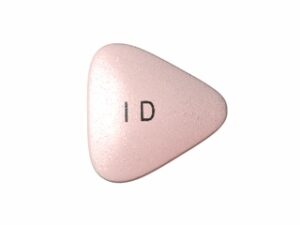
Voveran (Diclofenac) — Patient Information for Australia
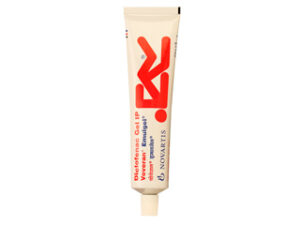
Voveran is a brand of diclofenac, a medicine from the non-steroidal anti-inflammatory drug (NSAID) family. It is used to relieve pain, inflammation, and swelling in a range of conditions.
This guide is written to be patient-friendly and practical. It explains how Voveran works, how it is typically used, important safety considerations, and what to know about interactions—especially in the Australian context.
Quick Overview
- Medicine: Voveran (diclofenac)
- Drug class: NSAID (anti-inflammatory pain relief medicine)
- Common benefits: Pain relief; reduced inflammation
- Forms commonly available: Tablets and other formulations (availability may vary by product type/strength)
- Key cautions: Stomach irritation/ulcers; cardiovascular risk; kidney risk; interactions with other medicines
- Not for everyone: People with certain heart, stomach, kidney conditions or NSAID allergies may need to avoid diclofenac
What is Diclofenac?
Diclofenac belongs to the NSAID group, which works by reducing substances in the body called prostaglandins. Prostaglandins contribute to pain, inflammation, and fever.
Voveran is used for both short-term and, in some cases, longer-term pain and inflammation under medical supervision. Always follow the specific instructions on the pack or any professional advice relevant to your product type.
How Voveran Works (Mechanism of Action)
Diclofenac reduces inflammation and pain mainly by inhibiting cyclo-oxygenase (COX) enzymes—COX-1 and COX-2. This lowers prostaglandin production.
- COX inhibition → fewer prostaglandins
- Reduced inflammation (less swelling and tissue irritation)
- Reduced pain signalling
- Possible reduction in fever symptoms
Important: While diclofenac helps with symptoms, it does not cure the underlying cause of pain. If pain persists, worsens, or is accompanied by other concerning symptoms, seek medical advice.
Pharmacokinetics (How Your Body Handles It)
Pharmacokinetics describes what happens to the medicine in the body—absorption, distribution, metabolism, and elimination.
- Absorption: Diclofenac is absorbed after oral dosing. Different formulations (e.g., immediate-release vs modified-release) can alter the speed and duration of effect.
- Distribution: It distributes into body tissues, including areas where inflammation is present.
- Metabolism: Diclofenac is mainly metabolised in the liver.
- Elimination: The metabolites are eliminated primarily via the kidneys and through bile. Small amounts may be excreted in urine.
- Half-life: Diclofenac has an elimination half-life that can vary by formulation and patient factors.
Why this matters: People with liver impairment or kidney problems may be at higher risk of side effects and may require extra caution or avoidance depending on severity and product type.
Typical Uses and Indications
Voveran (diclofenac) is used for conditions where pain and inflammation are prominent. Common indications include:
- Musculoskeletal pain: such as sprains, strains, back pain, and other inflammatory aches
- Arthritis-related pain: including osteoarthritis symptoms and inflammatory joint pain
- Joint and tendon inflammation: e.g., tendinitis where appropriate
- Dental pain or pain after dental procedures (depending on product suitability)
- Period pain (for suitable products and patient profiles)
Note: The exact approved uses and availability depend on the specific Voveran product type and formulation. If you are unsure whether diclofenac is appropriate for your symptoms, check the product label or seek advice from a pharmacist.
When to Take Voveran (Timing and Duration)
Timing can depend on the type of tablet (immediate-release vs modified-release). Always follow the dosing schedule on the packaging.
- With pain: Many people take diclofenac when symptoms start or when pain is expected.
- Consistency: If used regularly for inflammation, take doses at consistent times.
- Smallest effective dose: Use the lowest dose for the shortest time needed to control symptoms.
- Review if ongoing: If pain lasts more than a few days to a week (or keeps returning), consider discussing next steps with a health professional.
If you miss a dose: Take it when you remember if it is close to the next scheduled dose. Do not double up to make up for a missed dose.
Food Interactions and Taking with Meals
Diclofenac can irritate the stomach lining in some people. Food can influence tolerability.
- Taking with food: Many patients find diclofenac safer for the stomach when taken with or after meals.
- Avoid empty stomach use if sensitive: If you have a history of gastritis, reflux, or stomach ulcers, taking with food may reduce discomfort.
- Swallowing: Swallow tablets whole with water unless the product directions say otherwise.
Key point: Food does not remove all gastrointestinal risk, but it may improve comfort and reduce nausea for some users.
Alcohol and Medicine Interactions
Alcohol can increase the risk of stomach irritation and bleeding when combined with NSAIDs like diclofenac.
- Alcohol: If you drink alcohol, it’s generally best to keep intake low and avoid taking diclofenac with heavy drinking.
- Other NSAIDs: Do not combine with other NSAIDs (e.g., ibuprofen, naproxen, aspirin for pain) unless a clinician specifically advises it.
- Blood thinners: Combining diclofenac with medicines that affect blood clotting can raise bleeding risk.
If you are unsure about your specific combination of medicines, ask a pharmacist for advice before use.
Interactions with Other Medicines (Common Examples)
Diclofenac can interact with several medicine groups. This section provides common examples (not an exhaustive list).
1) Anticoagulants and antiplatelet medicines
- Warfarin and similar medicines
- Clopidogrel or other antiplatelets
Reason: Increased risk of bleeding.
2) Other NSAIDs and high-dose aspirin
- Ibuprofen, naproxen, and other NSAIDs
- Aspirin for pain (as opposed to low-dose aspirin used for some cardiovascular conditions)
Reason: Additive GI and kidney risks.
3) Corticosteroids
- Prednisolone and similar medicines
Reason: Higher stomach ulcer/bleeding risk.
4) SSRIs/SNRIs and other antidepressants
- Some antidepressants increase bleeding risk when combined with NSAIDs.
5) ACE inhibitors/ARBs and diuretics
- Blood pressure medicines such as ACE inhibitors or ARBs
- Diuretics (“water tablets”)
Reason: Increased risk of kidney problems in susceptible individuals.
6) Lithium and methotrexate
- Medicines used for specific conditions (e.g., mood disorders or certain autoimmune conditions)
Reason: Diclofenac may change levels and increase toxicity risk.
7) Diabetes medicines
- Some NSAIDs can affect blood glucose control.
Tip: If you have a regular list of medicines, keep it handy when speaking with a pharmacist. Even “just occasional” medicines can interact.
Dosing (General Guidance)
Dosing depends on the exact Voveran product (strength and formulation) and your reason for taking it. Always follow the product label directions.
General principles:
- Use the smallest effective dose that controls symptoms.
- Use for the shortest time needed to achieve relief.
- If symptoms improve, stop rather than continuing long-term without review.
Typical dosing patterns (illustrative only): Some diclofenac tablet regimens involve multiple daily doses depending on formulation. Modified-release products may be taken less frequently.
| Product type | Typical schedule (example) | Notes |
|---|---|---|
| Immediate-release diclofenac tablets | Often taken 2–3 times daily | Follow pack instructions for strength and frequency |
| Modified-release diclofenac tablets (if applicable) | Often taken once daily | Do not crush or break modified-release tablets unless directed |
Do not exceed the maximum daily dose listed on your pack. If you are unsure which dosing applies to your specific product, check the label or ask your pharmacist.
Safety Profile: Side Effects and When to Stop
Like all medicines, diclofenac can cause side effects. Many people experience none or only mild effects, but serious reactions can occur.
Common side effects
- Stomach discomfort, indigestion, nausea
- Heartburn or reflux symptoms
- Mild dizziness
- Headache
Serious side effects — seek urgent help
Stop taking diclofenac and get urgent medical help if you experience:
- Signs of gastrointestinal bleeding: black/tarry stools, vomiting blood, or severe stomach pain
- Allergic reaction: swelling of face/lips, wheezing, rash with difficulty breathing
- Chest pain, shortness of breath, weakness (possible cardiovascular event)
- Severe skin reactions: blistering rash or peeling skin
- Signs of kidney problems: reduced urination, swelling in legs/feet
- Yellowing of skin/eyes (jaundice) or dark urine (possible liver issue)
Risk factors to consider
- History of stomach ulcers or GI bleeding
- Age over 60 years
- Heart disease or stroke history
- High blood pressure, diabetes, or high cholesterol
- Kidney disease or dehydration
- Concomitant medicines that increase bleeding risk
Pregnancy and breastfeeding: NSAIDs such as diclofenac may not be suitable in all stages of pregnancy. If you are pregnant, planning pregnancy, or breastfeeding, seek advice before using diclofenac.
Practical Use Tips (How to Get Relief Safely)
- Start low, go slow: Use the lowest effective dose and check if relief occurs quickly.
- Take with food if you get indigestion or nausea.
- Stay hydrated: Dehydration increases kidney risk, especially in hot weather or with illness.
- Avoid stacking NSAIDs: Don’t take diclofenac with ibuprofen/naproxen or multiple NSAID products.
- Watch for warning signs: Be alert for stomach discomfort that becomes severe, or any bleeding symptoms.
- Consider non-medicine options: Gentle movement, heat/cold therapy, stretching, and physiotherapy can complement pain control.
Alternative Options for Pain and Inflammation
If diclofenac isn’t suitable, or if you need an alternative approach, several options may be considered depending on your condition and personal health risks.
Other NSAIDs
- Ibuprofen or naproxen (may still carry GI/kidney and cardiovascular risks)
Non-NSAID pain relief
- Paracetamol (acetaminophen): often gentler on the stomach, but does not provide anti-inflammatory effects
Topical options
- Topical NSAID gels (for certain joint and muscle aches) may reduce systemic exposure compared with tablets
Non-drug approaches
- Physical therapy and targeted exercise
- Heat or cold packs
- Ergonomic adjustments and rest from aggravating activities
Choosing the right option: The best choice depends on your symptoms, medical history, and your overall risk profile. A pharmacist can help you compare products safely.
Market and Legal Context in Australia
In Australia, NSAIDs and diclofenac-containing medicines are supplied under a regulated framework. Availability may vary between prescription and pharmacy-supplied categories depending on the specific product formulation, strength, and intended use.
Online pharmacies typically require customers to complete appropriate safety checks (for example, confirming relevant medical history and current medicines) before dispensing certain medicines. Always purchase from a reputable Australian pharmacy and ensure the product label matches what you expect.
Professional guidance and awareness: The Australian approach emphasises reducing avoidable harm by using the lowest effective dose for the shortest time and by screening for high-risk patients (e.g., those with prior ulcers or cardiovascular disease).
Recent Guidance and Important Updates (General Awareness)
Across many countries, including Australia, healthcare guidance has increasingly emphasised:
- Higher caution with prolonged NSAID use
- Cardiovascular and gastrointestinal risk awareness
- Close attention to interactions with blood thinners, steroids, and certain antidepressants
- Individualised risk assessment, especially for older adults and those with comorbidities
Guidance can evolve with new safety evidence and regulatory updates. If you are using diclofenac regularly or have additional medical conditions, it’s a good idea to review your plan with a pharmacist or doctor.
Delivery and Availability (Australia)
Availability of Voveran depends on the specific product type (strength and formulation). In Australia, many reputable online pharmacies deliver within standard shipping timeframes.
What to expect when ordering:
- Product verification: The listing should clearly show the diclofenac strength and formulation.
- Safety checks: You may be asked screening questions (age, medical history, other medicines).
- Packaging: Medicines are typically delivered in manufacturer packaging with dosing instructions and warnings.
- Delivery time: Varies by provider, location, and stock availability.
If your order is time-sensitive (e.g., upcoming travel or a planned procedure), contact the pharmacy for stock and delivery estimates before purchasing.
FAQ — Common Questions About Voveran (Diclofenac)
1) Is Voveran the same as diclofenac?
Yes. Voveran is a brand name that contains diclofenac as the active ingredient. Different Voveran products can have different strengths and formulations.
2) How quickly does Voveran work?
Many people notice pain relief within a short period after taking diclofenac, but exact timing varies by product type and individual factors. Modified-release formulations may work over a longer duration.
3) Can I take Voveran with food?
Yes—often taking diclofenac with or after meals can reduce stomach discomfort. If your label directions differ, follow the pack instructions for your specific product.
4) Can I drink alcohol while using Voveran?
It’s best to avoid or limit alcohol while taking diclofenac. Alcohol may increase the risk of stomach irritation and bleeding.
5) What should I avoid while taking Voveran?
Avoid:
- Other NSAIDs (e.g., ibuprofen/naproxen) unless advised
- Heavy alcohol intake
- Taking with other medicines that interact (particularly blood thinners) without checking first
6) Who should not use diclofenac?
You may need to avoid or use extra caution if you have:
- A history of NSAID-related allergic reactions
- A history of stomach ulcers or GI bleeding
- Significant heart disease or prior stroke (unless assessed as suitable)
- Kidney disease
Your pharmacist can help you assess suitability based on your circumstances.
7) Can Voveran be used for long periods?
NSAIDs are generally intended for the shortest time at the lowest effective dose. Long-term use increases the chance of serious side effects. If you need ongoing pain control, ask for a safer long-term plan.
8) What happens if I miss a dose?
Take it when you remember if it’s close to the next dose. If it’s nearly time for the next dose, skip the missed dose. Do not double up.
9) Are there safer options for stomach sensitivity?
Some people find topical NSAIDs reduce systemic stomach exposure, and paracetamol may be gentler for the stomach (though it doesn’t treat inflammation). If you have high GI risk, discuss options with a pharmacist.
10) When should I seek medical help?
Seek help urgently if you notice signs of bleeding, severe abdominal pain, breathing difficulty, swelling, chest pain, weakness, fainting, or signs of a severe rash. For persistent pain that does not improve, seek advice promptly.
Summary
Voveran (diclofenac) is an NSAID used to treat pain and inflammation associated with various musculoskeletal and inflammatory conditions. It works by reducing prostaglandins through COX inhibition. While effective for symptom relief, it can cause gastrointestinal, kidney, and cardiovascular side effects, particularly in higher-risk people or with prolonged use.
For the safest results in Australia, use the lowest effective dose for the shortest possible time, consider taking it with food, avoid combining with other NSAIDs, and check interactions with any medicines you already take.