
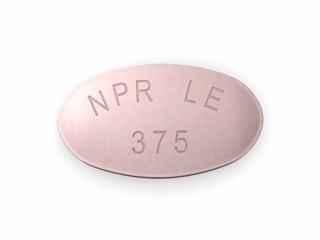

Anaprox (Naproxen) – Patient-Friendly Guide (Australia)
Anaprox contains naproxen, a widely used anti-inflammatory medicine from the NSAID (non-steroidal anti-inflammatory drug) family. It helps relieve pain, reduce inflammation, and lower fever. This guide explains how Anaprox works, when it’s typically used, how to take it safely, what to watch for, and what to consider if you’re using other medicines in addition.
Note: Medicine information can vary by age, condition, and the specific product strength/formulation. Always check the label or consumer medicine information (CMI) supplied with your pack and follow your healthcare professional’s advice where relevant.
Quick product information
| Feature | What to know |
|---|---|
| Brand | Anaprox |
| Active ingredient | Naproxen (an NSAID) |
| Type of medicine | Pain relief, anti-inflammatory, fever reduction |
| Common benefits | Helps manage pain associated with inflammation (e.g., arthritis and sports injuries) |
| How it works | Reduces prostaglandins by inhibiting COX enzymes |
| Typical dosing approach | Depends on indication and product strength; often taken once or twice daily |
| Key safety focus | Stomach/intestinal bleeding risk, kidney effects, cardiovascular risk, interactions |
What is Anaprox used for?
Anaprox is commonly used to treat conditions where pain and inflammation are part of the problem. In Australia, naproxen-containing products are used for both short-term flare-ups and longer-term management of inflammatory conditions, depending on the individual.
Common indications
- Osteoarthritis (pain and stiffness in joints)
- Rheumatoid arthritis (inflammatory joint disease)
- Juvenile idiopathic arthritis (in appropriate age groups, under medical guidance)
- Ankylosing spondylitis (inflammatory back and sacroiliac joint disease)
- Acute pain such as dental pain, post-injury pain, or musculoskeletal pain
- Inflammatory flare-ups (when symptoms worsen)
- Period pain (dysmenorrhoea) – in suitable cases and per product guidance
- Fever and pain when an anti-inflammatory option is needed
Your pack may list indications based on the specific formulation. If you’re unsure whether Anaprox suits your situation, ask a pharmacist.
How Anaprox works (mechanism of action)
Naproxen works by reducing the production of prostaglandins, chemicals in the body that contribute to pain, inflammation, and fever. It does this mainly by inhibiting the COX (cyclo-oxygenase) enzymes (COX-1 and COX-2).
Why this matters
- Pain relief: Lower prostaglandins can reduce the sensitivity of pain pathways.
- Anti-inflammatory effect: It helps calm inflammation in joints, tendons, and other tissues.
- Fever reduction: Prostaglandins also play a role in raising body temperature.
Pharmacokinetics (how the body handles naproxen)
Understanding pharmacokinetics can help explain onset, how often it’s taken, and why interactions matter. While exact parameters vary by formulation and individual factors, the key concepts are consistent.
Absorption and onset
- Absorption: Naproxen is absorbed from the gastrointestinal tract.
- Onset of action: Pain relief may begin within a few hours; maximum effects often occur after absorption and distribution.
- Formulation differences: Extended-release or delayed-release products may have a different timing profile than immediate-release forms.
Distribution and protein binding
- Protein binding: Naproxen is highly protein-bound in the blood, which can influence interactions with other highly protein-bound medicines.
Metabolism and elimination
- Metabolism: The liver breaks naproxen down into metabolites.
- Elimination: Excretion occurs mainly via the kidneys.
- Half-life: Naproxen has a relatively long half-life compared with some other NSAIDs, supporting less frequent dosing for some indications.
Because elimination involves the kidneys, people with reduced kidney function need extra care and may require dose adjustments or alternative treatment.
Typical use and timing
How you take Anaprox depends on the product strength, your condition, and your response. In general, NSAIDs are used to control symptoms. Many people aim to use the lowest effective dose for the shortest practical time.
General timing guidance
- For ongoing inflammatory pain: It may be taken regularly on a schedule for symptom control.
- For short-term pain flare-ups: It may be used for a limited period, reassessing after a few days.
- Morning vs evening: Choose timing that best matches your symptoms (e.g., morning stiffness may benefit from earlier dosing).
- Missed dose: Take it when you remember unless it’s close to the next dose. Don’t double up.
How fast should it work?
Many people notice some improvement within the first day. If there’s no improvement after several days (or symptoms worsen), speak to a pharmacist or healthcare professional rather than continuing without review.
Food interactions and stomach safety
Taking naproxen with food can help reduce gastrointestinal discomfort. However, food timing can slightly affect the rate of absorption, depending on the formulation.
What to do
- Take with or after food if you get indigestion or stomach pain.
- Avoid taking on an empty stomach if you have a history of ulcers, gastritis, or reflux.
- Stay hydrated to support kidney function.
Foods and drinks to be cautious about
- Alcohol can increase bleeding risk (see below).
- Very spicy or acidic foods may worsen symptoms in sensitive individuals, especially if you’re already experiencing dyspepsia.
Alcohol interactions
Combining NSAIDs like naproxen with alcohol can increase the risk of stomach irritation and gastrointestinal bleeding. It may also worsen side effects such as nausea, dizziness, or reflux.
Practical advice
- Limit or avoid alcohol while taking Anaprox.
- If you choose to drink, do so sparingly and never exceed recommended alcohol limits.
- Seek urgent medical help if you develop black/tarry stools, vomiting blood, or severe stomach pain.
Medicine interactions (important)
Naproxen can interact with other medicines, potentially increasing bleeding risk, kidney strain, or altering medicine levels. Tell a pharmacist about all medicines you use, including over-the-counter products, vitamins, herbal preparations, and topical treatments.
Medicines that may interact strongly
- Other NSAIDs (e.g., ibuprofen, diclofenac, aspirin for pain): higher risk of stomach bleeding and kidney problems.
- Blood thinners (e.g., warfarin): increased risk of bleeding.
- Antiplatelet medicines (e.g., clopidogrel): increased bleeding risk.
- SSRIs/SNRIs for depression/anxiety (e.g., sertraline, venlafaxine): may increase gastrointestinal bleeding risk when combined with NSAIDs.
- Corticosteroids (e.g., prednisolone): higher risk of stomach irritation/ulceration.
- Diuretics (“water tablets”) and blood pressure medicines: may affect kidney function or reduce effectiveness of some antihypertensives.
- ACE inhibitors/ARBs (for blood pressure/heart conditions): combined use may increase kidney risk.
- Lithium: NSAIDs can raise lithium levels, increasing toxicity risk.
- Methotrexate (certain doses): may increase methotrexate levels and toxicity risk.
- Some diabetes medicines (e.g., sulfonylureas): interactions can potentially affect blood glucose.
Over-the-counter caution
Many cold/flu products contain pain relievers (sometimes NSAIDs or aspirin). Check labels to avoid accidental duplication.
Dosing overview (how much to take)
Dose depends on the condition, patient age, and the specific Anaprox product strength or formulation. Always follow the dosing instructions on your pack or those provided by a pharmacist/health professional.
General principles
- Use the lowest effective dose that controls symptoms.
- Use for the shortest possible time to reduce risk of side effects.
- Do not take more than recommended or combine with another NSAID.
Common adult dosing patterns (illustrative)
The table below provides general, commonly used dosing schedules seen with naproxen products. Your pack instructions take priority.
| Situation | Typical schedule (adults) | Key notes |
|---|---|---|
| Ongoing inflammatory pain | Often 250–500 mg once or twice daily | Adjust based on response; take with food if needed. |
| Short-term acute pain | Often 250–500 mg, then as directed | Review if not improving; avoid prolonged use. |
| Maximum daily limits | Depends on product strength | Never exceed the maximum listed on your pack. |
Important: If you are older, have kidney disease, a history of ulcers/bleeding, or take interacting medicines, you may need a different approach. Ask a pharmacist for safe dose guidance.
Safety profile: who should be cautious?
Like all NSAIDs, naproxen can cause side effects. Most are mild, but some can be serious. The biggest risks generally include gastrointestinal bleeding, kidney problems, and (in some people) increased cardiovascular risk.
Common side effects
- Stomach pain, indigestion, heartburn
- Nausea or vomiting
- Headache
- Dizziness
- Fluid retention (mild swelling)
Serious side effects – get urgent help
- Signs of stomach/intestinal bleeding: black/tarry stools, vomiting blood, severe abdominal pain, unexplained weakness
- Allergic reaction: swelling of face/lips, difficulty breathing, rash/hives, wheezing
- Kidney problems: reduced urination, swelling of legs/feet, sudden weight gain
- Severe skin reactions: blistering, peeling, or sores in mouth/eyes
- Chest pain or sudden breathlessness (possible cardiovascular event)
People who need extra caution
- History of ulcers or gastrointestinal bleeding
- Older adults (higher risk of side effects)
- People with kidney disease or reduced kidney function
- People with heart disease, uncontrolled high blood pressure, or stroke history
- People with asthma triggered by aspirin or other NSAIDs
- People taking anticoagulants or multiple medicines that increase bleeding risk
- Pregnancy: NSAIDs including naproxen may not be suitable, especially later in pregnancy (see below)
Pregnancy and breastfeeding (general guidance)
NSAIDs are sometimes avoided or limited in pregnancy. If you’re pregnant, trying to conceive, or breastfeeding, speak with a pharmacist or healthcare professional for personalised advice based on your gestational stage and medical history.
Practical use tips
- Read the label: confirm the strength and dosing instructions for your exact product.
- Take with food: helps reduce stomach upset.
- Avoid doubling up: don’t combine with other NSAIDs or aspirin for pain.
- Stay mindful of hydration: dehydration increases kidney risk.
- Monitor symptoms: if pain isn’t improving or side effects occur, stop and seek advice.
- Keep track of duration: prolonged use increases risk; reassess regularly.
- Use a pain diary (optional): note pain levels, triggers, and response for better review.
Alternative options (if Anaprox isn’t suitable)
Depending on your condition and risk factors, a pharmacist or doctor may suggest alternatives. Options vary by the type of pain, underlying diagnosis, and your medical history.
Common alternatives
- Paracetamol (acetaminophen): can help with pain and fever and generally has a different stomach and bleeding profile than NSAIDs.
- Other NSAIDs: different agents may be considered, but they can share similar risks.
- Topical NSAIDs (e.g., gels for certain joint or muscle pain): may reduce systemic exposure for some conditions.
- Non-medicine measures: rest, physiotherapy, heat/cold packs, stretching, and activity modification.
- In inflammatory arthritis: disease-specific medicines may be needed, beyond short-term pain relief.
If you’re switching therapies, ask a pharmacist about timing and whether a washout period is needed to reduce interaction risk.
Market and legal context for Australia (general)
In Australia, medicines are regulated under the Therapeutic Goods Act and medicines are listed in the Australian Register of Therapeutic Goods (ARTG). Whether a medicine is available over-the-counter or requires authorisation depends on the specific product, strength, and risk category.
For online purchasing, reputable pharmacies confirm eligibility and provide appropriate product information in line with Australian regulations. Availability may vary by formulation and current listing status. Always purchase from trusted suppliers and ensure you receive the correct product for your needs.
Recent guidance and safety focus (what’s commonly updated)
NSAID safety guidance evolves as new evidence emerges. In Australia, health authorities and professional bodies commonly emphasise:
- Using the lowest effective dose for the shortest duration.
- Avoiding NSAID duplication (e.g., taking more than one NSAID or combining with aspirin for pain).
- Extra caution in older adults, people with a history of ulcers, and those with kidney or heart disease.
- Checking interactions with anticoagulants, antiplatelets, corticosteroids, SSRIs/SNRIs, and blood pressure/diuretic medicines.
- Attention to cardiovascular risk for long-term or high-dose use.
If you’ve taken naproxen before without problems, risks can still change with age or new medical conditions. Reassess periodically.
Delivery and availability (online pharmacy)
Availability of Anaprox products online can depend on stock levels and the specific strength/formulation. Typical delivery options may include standard and express shipping, with dispatch times varying by supplier and location within Australia.
- Check product strength: Ensure the listed strength matches what you intend to use.
- Confirm pack details: Pay attention to quantity, dosing instructions, and whether it’s immediate-release or an alternative formulation.
- Delivery timeframes: Displayed at checkout are usually based on your postcode and local carrier schedules.
- Cold-chain: Naproxen tablets do not normally require refrigeration; standard conditions apply unless otherwise stated.
FAQ
1) How long does Anaprox take to work?
Many people begin to feel relief within a few hours. Peak effects depend on the formulation and whether you take it with food. If you’re not improving after a few days, speak with a pharmacist.
2) Can I take Anaprox with food?
Yes. Taking naproxen with or after food often helps reduce stomach discomfort. If you have a sensitive stomach, this is usually the preferred approach.
3) Can I combine Anaprox with paracetamol?
In many cases, paracetamol can be used alongside an NSAID, but it’s important to follow the label instructions and avoid exceeding daily maximum doses. If you have liver disease or heavy alcohol intake, ask a pharmacist first.
4) Is it safe to take Anaprox with alcohol?
Alcohol can increase the risk of stomach irritation and bleeding when combined with NSAIDs. For safety, limit or avoid alcohol while taking naproxen.
5) What should I avoid while taking naproxen?
Avoid:
- Other NSAIDs (e.g., ibuprofen, diclofenac) unless your healthcare professional instructs otherwise
- Aspirin for pain (unless specifically advised)
- Alcohol, if possible
6) Who should not use naproxen?
People with certain medical conditions—such as a history of NSAID-triggered asthma, prior NSAID-related ulcers/bleeding, significant kidney disease, or those taking interacting blood-thinning medicines—should seek professional advice before use.
7) What are the warning signs that I should stop and get urgent help?
Stop and seek urgent medical advice if you have black/tarry stools, vomiting blood, severe stomach pain, signs of allergy (swelling, rash, breathing difficulty), symptoms of kidney problems (reduced urination, major swelling), or severe unexplained illness.
8) Can I take Anaprox if I’m older?
Older adults often have a higher risk of NSAID side effects. A pharmacist can advise on suitability and the lowest effective dose. Do not use longer than necessary.
9) What if I miss a dose?
Take it when you remember if it’s still reasonably close to the scheduled time. If it’s nearly time for your next dose, skip the missed dose. Do not take a double dose.
10) Are there non-medicine ways to help the pain?
Yes. Depending on the cause, options include heat or cold packs, gentle movement, physiotherapy, supportive footwear, weight management, and stretching. Combining medicines with appropriate physical strategies can improve outcomes.
Summary
Anaprox (naproxen) is an NSAID used to relieve pain and inflammation in conditions such as arthritis, tendon and muscle inflammation, and certain acute pain states. It works by reducing prostaglandin production and is taken on a schedule tailored to the condition and formulation. Because naproxen can increase risks such as stomach bleeding and kidney effects—especially when combined with alcohol or certain medicines—careful use is important.
If you’re unsure whether Anaprox is suitable for your health profile or you’re taking other medicines, talk to a pharmacist to help you choose the safest option.