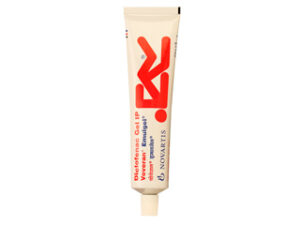
Voltaren Gel (Diclofenac Sodium) – Patient Guide (Australia)
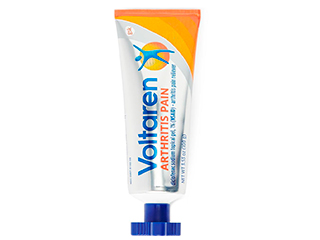
Voltaren Gel is a topical anti-inflammatory medicine containing diclofenac sodium. It is designed to help relieve pain and inflammation in specific joints and soft tissues, with the medicine delivered directly to the affected area. Many people use Voltaren Gel for conditions such as osteoarthritis affecting hands or knees, as well as pain from sprains and strains.
This page provides practical, patient-friendly information to help you understand how Voltaren Gel works, how to use it safely, what to expect, and when to seek medical advice.
Basic product information
| Item | Details |
|---|---|
| Medicine name | Voltaren Gel |
| Active ingredient | Diclofenac sodium |
| Type | Topical (applied to the skin) |
| How it works | Anti-inflammatory and pain-relieving (NSAID) |
| Common uses | Osteoarthritis pain (e.g., hands/knees) and local pain/inflammation from injuries |
| Application sites | Specific joints/areas of intact skin (as directed on the product pack) |
| Prescription status | Available over-the-counter in Australia depending on pack and strength (follow local listing on your product page) |
How Voltaren Gel works (mechanism of action)
Diclofenac is a non-steroidal anti-inflammatory drug (NSAID). When applied to the skin, it penetrates local tissues and reduces the processes that contribute to pain and inflammation.
The medicine works mainly by inhibiting cyclooxygenase (COX) enzymes, which help produce chemical messengers (prostaglandins) involved in inflammation and pain. By reducing prostaglandins in the affected area, Voltaren Gel can help:
- Reduce local swelling and inflammation
- Relieve pain during movement and at rest
- Improve stiffness associated with joint problems (for example, osteoarthritis)
Pharmacokinetics (absorption and what happens in the body)
Because Voltaren Gel is applied to the skin, most of the medicine acts locally at the site of application. Only a smaller amount typically enters the bloodstream compared with oral (swallowed) diclofenac.
- Skin absorption: Diclofenac is absorbed through skin into underlying tissues.
- Local action: The highest effect is expected at or near the application site.
- Systemic absorption: Some diclofenac may reach the bloodstream, but generally at lower levels than oral use.
- Metabolism: Any absorbed diclofenac is processed by the liver.
- Excretion: Metabolites are mainly eliminated through the kidneys (urine).
Your risk of side effects is typically lower with topical use than with oral NSAIDs, but precautions still apply, especially if you use larger amounts, apply more frequently than recommended, or use it over a large area for long periods.
Typical uses and indications
Voltaren Gel is used to relieve pain and inflammation associated with certain musculoskeletal conditions. Indications can vary by product strength and country-specific approvals. Always follow the directions on your pack.
Common indications
- Osteoarthritis pain in certain joints (often hands or knees), to help reduce pain and improve function
- Localised pain and inflammation from sprains, strains, and minor injuries
- Muscle and joint aches where topical NSAID treatment is appropriate
If your pain is severe, persistent, or associated with significant swelling, redness, warmth, fever, or inability to use the limb, you should seek medical advice promptly.
How to use Voltaren Gel (dosing and timing)
The correct dose depends on the product strength and the area treated. Always read the label and follow the pack instructions. The directions below provide general guidance commonly used for diclofenac topical therapy in adults.
Adults (typical dosing guidance)
- Apply a measured amount to the affected area.
- Massage gently into the skin until absorbed.
- Frequency: commonly up to 4 times daily (e.g., morning, midday, evening, bedtime) depending on the product instructions.
- Duration: use for the period stated on the pack (often up to several weeks for joint conditions), reassess if symptoms do not improve.
Important: Use only on intact skin. Do not apply to wounds, broken skin, or infected areas unless your clinician has told you to.
Children and adolescents
Use in children should only occur if specifically allowed for that age group on the product label. If the pack states an age restriction, follow it closely. Because diclofenac absorption can vary with age and application, avoid “guessing” a dose for children.
Practical step-by-step application tips
- Wash your hands before applying.
- Clean and dry the affected area.
- Apply the gel evenly to the painful area.
- Massage gently for a short time until the gel is absorbed.
- Avoid occlusive dressings (airtight bandaging) unless advised—occlusion can increase absorption.
- Wash your hands again after application, unless your hands are the treatment site.
- Allow it to dry before clothing contact to reduce transfer to fabrics.
When will it start working?
Many people notice some pain relief within the first day or two, but for osteoarthritis-related symptoms, improvement may take several days to a few weeks. If there is no improvement after the timeframe described on the pack, or if symptoms worsen, stop and seek advice.
Food interactions
Because Voltaren Gel is applied to the skin, food interactions are generally not expected to be significant. However, systemic absorption can occur. If you are taking other medicines that interact with NSAIDs, talk to a pharmacist, particularly if you use additional diclofenac products or other anti-inflammatory treatments.
As a precaution, maintain consistency with any oral medicines you take and inform your pharmacist about everything you use (including gels, creams, tablets, patches, and supplements).
Alcohol interactions
Topical diclofenac is less likely to interact with alcohol than oral NSAIDs, but systemic absorption can still occur, especially with frequent or large-area use. Alcohol may increase the risk of stomach or bleeding-related side effects for NSAIDs in general.
- If you drink alcohol, use Voltaren Gel as directed and avoid exceeding recommended amounts.
- If you have a history of stomach ulcers, bleeding, liver disease, or are taking blood-thinning medicines, speak to a pharmacist before regular use.
- Seek advice urgently if you develop black/tarry stools, vomiting blood, unusual bruising, or severe abdominal pain.
Medicine interactions (important safety information)
Even though Voltaren Gel is topical, it is still a NSAID. Interactions are most relevant when you use other NSAIDs or medicines that increase bleeding risk or affect kidney/liver function.
Medicines to be careful with
- Other NSAIDs (e.g., ibuprofen, naproxen, oral diclofenac): combining can increase side effects.
- Anticoagulants / blood thinners (e.g., warfarin, apixaban, rivaroxaban): may increase bleeding risk.
- Antiplatelet medicines (e.g., clopidogrel, aspirin): may increase bleeding risk.
- Corticosteroids: can increase gastrointestinal risk for NSAIDs.
- Diuretics and blood pressure medicines (ACE inhibitors/ARBs): NSAIDs can affect kidney function, particularly with systemic exposure.
- Other topical NSAID products: avoid using multiple diclofenac-containing products on the same area.
If you take medicines on a long-term basis—especially those affecting blood clotting or kidney function—check with a pharmacist to ensure Voltaren Gel is appropriate for you.
Safety profile and precautions
Voltaren Gel is generally well tolerated when used correctly. However, like all medicines, it may cause side effects. Most are local (skin-related), but serious reactions—though uncommon—can occur.
Common side effects (usually mild)
- Application site skin reactions such as redness, itching, or rash
- Dryness or mild irritation
- Sensitisation (skin may become more sensitive over time)
Serious side effects (seek medical help)
Stop using the product and seek urgent advice if you develop:
- Severe skin reaction (blistering, peeling, swelling of face/lips, severe rash)
- Signs of allergy (wheezing, difficulty breathing, hives)
- Unexplained bruising or bleeding (especially if using blood thinners)
- Black/tarry stools or vomiting blood (possible gastrointestinal bleeding with NSAIDs)
- Worsening symptoms or pain with fever, marked redness, or swelling
Who should take extra care
- People with a history of NSAID allergy or asthma triggered by NSAIDs
- Those with active stomach ulcers, prior GI bleeding, or significant gastrointestinal disease
- People with kidney or liver problems
- Pregnancy or breastfeeding—discuss with a pharmacist or doctor for suitability
- Individuals using treatments that affect clotting or who are at high bleeding risk
General precautions while using Voltaren Gel
- Protect the treated area from sunlight (including sunbeds). NSAIDs can rarely increase photosensitivity.
- Do not apply heat (e.g., heating pads) over the gel unless directed—this may increase absorption.
- Avoid contact with eyes and mucous membranes.
- Do not cover with tight or occlusive dressings unless advised.
- Keep out of reach of children.
Practical use tips for best results
- Consistent application: Use at the same times each day to maintain symptom control.
- Size matters: Apply to the painful area as directed—don’t “over-apply” beyond the label dose.
- Let it absorb: Allow the gel to dry before wearing clothing over the site.
- Combine smartly: For joint pain, gentle exercise, stretching, and supportive footwear may improve outcomes alongside medication.
- Reassess if no benefit: If pain relief is minimal after the recommended trial period, stop and ask a pharmacist for alternative options.
Alternative options
If Voltaren Gel isn’t suitable or doesn’t provide enough relief, there are other ways to manage pain and inflammation. Options may include:
- Other topical NSAIDs (similar category medicines)
- Topical analgesics that work differently (for example, products targeting nerve-related pain or providing counterirritant effects)
- Oral analgesics such as paracetamol for pain relief (follow label directions)
- Non-medicine approaches like physiotherapy, strengthening exercises, heat/cold therapy, and activity modification
Your best choice depends on the cause of pain, your medical history, and the joint/area involved. A pharmacist can help you compare alternatives and check interactions.
Market and legal context for Australia
Medicines in Australia are regulated through the Therapeutic Goods Administration (TGA). Diclofenac-containing topical products may be supplied as pharmacist-only or over-the-counter depending on the specific formulation, strength, and packaging. Availability can vary by product and brand.
When shopping online, ensure you purchase from a reputable provider. Check that the product listing includes:
- Correct active ingredient and strength
- Expiry date
- Australian labelling and instructions
- Appropriate supply category (as shown on the listing)
Recent guidance and clinical considerations (general)
In musculoskeletal pain management, topical NSAIDs like diclofenac gel are commonly recommended when: pain is localised, the affected area is accessible for topical treatment, and patients wish to avoid higher systemic exposure associated with oral NSAIDs.
Healthcare guidance generally emphasises:
- Using the lowest effective dose for the shortest possible duration
- Checking for drug interactions, especially in people taking anticoagulants or other NSAIDs
- Reassessing if symptoms do not improve within a reasonable timeframe
- Adopting lifestyle measures (e.g., movement, physiotherapy, weight management where appropriate for osteoarthritis)
If you have chronic conditions or recurring pain, consider discussing an overall management plan with a healthcare professional.
Delivery, availability, and how to receive your order
Online pharmacies in Australia typically deliver medicines to residential addresses across most states and territories. Availability may vary by stock levels and product strength.
- Dispatch times: Many orders dispatch within 24–48 hours (excluding weekends/public holidays) depending on stock.
- Packaging: Products are commonly packed to protect them from damage during transit.
- Cold chain: Voltaren Gel does not generally require refrigeration.
- Expiry: Only products within expiry should be supplied; check the expiry date on arrival.
If you have questions about delivery timing, postage costs, or product availability, refer to the delivery policy and stock status on the product page.
FAQ
1) Can I use Voltaren Gel on any body part?
Use it on the specific joint or area described in the pack directions. Do not apply to broken skin, wounds, or areas with infection. Avoid eyes, mouth, and genitals. If unsure, ask a pharmacist.
2) How often should I apply it?
Commonly, diclofenac gel is applied up to four times daily, but the exact frequency depends on the product strength and label instructions. Follow the directions on your pack and do not exceed the maximum dose.
3) Will I feel side effects?
Many people experience no side effects beyond possible mild skin irritation. Stop using the gel and seek advice if you develop a serious rash, signs of allergy, or unusual bleeding/bruising.
4) Can I use Voltaren Gel with other pain medicines?
Sometimes you can use other pain medicines, such as paracetamol, but avoid combining with other NSAIDs (including oral diclofenac or ibuprofen) unless advised. Inform your pharmacist about everything you take to check interactions.
5) Does it interact with food?
Food interactions are not generally expected with topical diclofenac. If you’re taking interacting medicines (e.g., blood thinners or oral NSAIDs), discuss your situation with a pharmacist.
6) Can I drink alcohol while using Voltaren Gel?
Occasional alcohol is unlikely to cause an issue when used correctly, but alcohol can increase the risk of side effects associated with NSAIDs. Use only as directed and seek advice if you have a history of ulcers, bleeding, or liver issues.
7) Is it safe for long-term use?
Long-term use should be reviewed. If you need diclofenac gel beyond the period recommended on the pack or symptoms are persistent, talk to a healthcare professional to confirm the underlying cause and ensure the approach remains safe for you.
8) What if I forget a dose?
Apply it when you remember, unless it’s close to the next dose. Do not apply extra gel to make up for a missed dose.
9) Can I cover the area with bandages after applying?
Avoid tight or occlusive coverings unless advised by a clinician. Occlusion can increase absorption and side effects.
10) When should I stop and seek medical help?
Stop using Voltaren Gel and seek urgent medical advice if you develop severe allergic reactions, blistering/peeling skin, breathing problems, or signs of bleeding. Seek advice urgently if your pain is accompanied by fever, rapidly spreading redness, or significant swelling.
Summary
Voltaren Gel (diclofenac sodium) is a topical NSAID used to relieve pain and inflammation in localised joint and soft-tissue conditions. When applied correctly to intact skin, it can reduce pain and stiffness while generally limiting systemic exposure compared with oral NSAIDs. Follow the pack instructions carefully, watch for skin reactions, and seek advice if symptoms persist or you have risk factors for NSAID side effects.