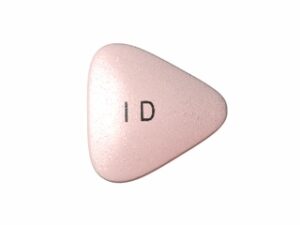

Voveran SR (Diclofenac) – Patient Guide (Australia)
Voveran SR is a brand of diclofenac formulated as a slow‑release (SR) medicine. Diclofenac belongs to the group of medicines known as NSAIDs (non‑steroidal anti‑inflammatory drugs). It is commonly used to reduce pain, inflammation and stiffness associated with a range of musculoskeletal conditions.
This guide explains how Voveran SR works, how it is used, important safety information, and practical tips for safe use in Australia. Always follow the directions on your product packaging and any instructions from your healthcare professional.
Basic product information
| Item | Details |
|---|---|
| Brand | Voveran SR |
| Active ingredient | Diclofenac |
| Formulation | Slow‑release (SR) tablets/capsules (varies by presentation) |
| Medicinal class | NSAID (anti‑inflammatory pain relief) |
| Common dosing interval (typical) | Often once daily for SR formulations (check your specific product strength and label) |
Note: Strengths and exact dosing instructions can vary by formulation. Please check the pack for your specific strength (e.g., 75 mg SR or other). If you are unsure, speak with your pharmacist.
How Voveran SR works (mechanism of action)
Diclofenac works by reducing the formation of certain chemicals in the body called prostaglandins. Prostaglandins play a key role in:
- Inflammation (swelling and irritation in tissues)
- Pain signalling (how pain is perceived)
- Fever (though diclofenac is used mainly for pain/inflammation)
Like other NSAIDs, diclofenac inhibits enzymes involved in prostaglandin production (commonly referred to as COX enzymes). The result is less inflammation and reduced pain.
Slow‑release (SR) benefit: The SR formulation releases diclofenac gradually, which can help provide more sustained pain relief compared with immediate‑release products. This is why dosing is often less frequent (commonly once daily for SR), depending on the product strength and your condition.
Pharmacokinetics: absorption, distribution, metabolism and excretion
Understanding how the body handles diclofenac can help you use Voveran SR more effectively and safely.
Absorption
- Diclofenac is absorbed from the gastrointestinal tract.
- Because Voveran SR is slow‑release, diclofenac is released gradually and reaches therapeutic levels over time.
Distribution
- Diclofenac binds to plasma proteins, helping determine how much of the drug is active in the bloodstream.
- It can distribute into tissues where pain and inflammation occur.
Metabolism
- Diclofenac is metabolised mainly in the liver.
- Metabolites are further processed before elimination.
Excretion
- Diclofenac and its metabolites are eliminated mainly via the kidneys and also via bile/faeces.
Clinical implication: People with liver disease or kidney impairment may require extra caution and monitoring, because diclofenac is metabolised and cleared through these organs.
Typical uses and indications
Voveran SR (diclofenac) is used for conditions where pain and inflammation are prominent. Common indications include:
- Osteoarthritis (degenerative joint disease) – reducing pain and stiffness
- Rheumatoid arthritis and other inflammatory arthritides – to relieve symptoms
- Back pain and muscular pain where inflammation contributes
- Sports injuries and soft tissue inflammation (as appropriate)
- Musculoskeletal disorders causing pain and swelling
- Dysmenorrhoea (painful periods) is sometimes treated with NSAIDs like diclofenac, depending on local guidance and product suitability
Important: Diclofenac treats symptoms (pain/inflammation). It does not cure the underlying cause of a condition.
When to take Voveran SR (timing)
Because Voveran SR is slow‑release, timing helps maintain steady effect while minimising stomach irritation.
- Take once daily for many SR presentations—follow your pack directions.
- Take with food (or immediately after a meal) to reduce the risk of stomach upset.
- Swallow whole—do not crush or chew SR tablets/capsules unless the product label says it is safe.
- If you miss a dose, take it when you remember unless it is close to the time for your next dose. Do not take a double dose.
Onset and duration: Many people notice pain relief within the first day. With chronic conditions, the benefits build with consistent dosing. Full effect may take several days depending on the condition.
Food interactions (what you should know)
NSAIDs can irritate the stomach lining. Voveran SR is generally better tolerated when taken with or after food.
- With food: Taking with meals can reduce risk of nausea, heartburn, and stomach discomfort.
- Fasting: Taking on an empty stomach may increase gastrointestinal side effects.
- General diet: No specific food is required, but avoid heavy alcohol and watch for symptoms like burning pain or bleeding.
Absorption considerations: Because Voveran SR is designed for sustained release, keep to the recommended way of taking the product (including whether to take with food) to maintain intended release behaviour.
Alcohol and medicine interactions
Alcohol
Combining diclofenac with alcohol increases the risk of stomach irritation and gastrointestinal bleeding. Alcohol can also worsen dizziness and impair judgement in some people.
- Best practice: Limit or avoid alcohol while taking Voveran SR, particularly if you have a history of ulcers or reflux.
- Seek advice urgently if you experience black/tarry stools, vomiting blood, severe stomach pain, or unusual weakness.
Medicine interactions
Diclofenac can interact with other medicines. Tell your pharmacist or doctor about all medicines you take, including over‑the‑counter products and supplements.
Common interaction groups to discuss:
- Other NSAIDs (e.g., ibuprofen, naproxen, aspirin for pain): increased risk of stomach bleeding and kidney problems.
- Blood thinners/anticoagulants (e.g., warfarin): increased bleeding risk.
- Antiplatelets (e.g., clopidogrel): higher bleeding risk.
- Corticosteroids (e.g., prednisone): increased risk of gastrointestinal side effects.
- SSRIs/SNRIs for depression/anxiety: may increase bleeding risk when combined with NSAIDs.
- Diuretics (water tablets): NSAIDs can reduce kidney function and affect blood pressure control.
- ACE inhibitors/ARBs (blood pressure medicines): NSAIDs may increase risk of kidney impairment, especially in older adults or with dehydration.
- Lithium: NSAIDs can increase lithium levels.
- Methotrexate: may increase methotrexate toxicity.
- Digoxin: may increase digoxin levels.
- Cyclosporine/tacrolimus: increased kidney risk.
- Diabetes medicines: NSAIDs may affect blood sugar control in some people.
Tip: If you need additional pain relief while on Voveran SR, paracetamol is often considered a safer first choice for many people. However, check with your pharmacist, especially if you have liver disease or drink alcohol regularly.
Dosing: how much to take
Dose depends on the condition, your medical history, and the specific strength of your Voveran SR product. Follow your pack directions or healthcare professional advice.
General dosing principles for SR diclofenac:
- Use the lowest effective dose for the shortest possible time.
- Do not exceed the recommended maximum daily dose.
- Avoid combining diclofenac with other NSAIDs unless specifically advised.
Typical approach (for many SR presentations):
- Once daily dosing is common for slow‑release formulations.
- Your pack may instruct a specific dose such as 75 mg SR once daily or another strength/dosing schedule—confirm your exact product.
Children and adolescents: NSAID use in younger people depends on the indication, age and product suitability. If you are considering diclofenac for a child or teenager, speak with a pharmacist or doctor first.
If you have kidney, liver, heart, or stomach problems: dosing may require adjustment and extra monitoring.
Safety profile and when to avoid Voveran SR
Common side effects
Not everyone experiences side effects. Common effects may include:
- Indigestion, heartburn, stomach discomfort
- Nausea or vomiting
- Headache
- Dizziness
- Edema (fluid retention) in some people
Serious risks (seek urgent help)
NSAIDs—including diclofenac—can rarely cause serious complications. Seek immediate medical attention if you experience:
- Signs of gastrointestinal bleeding:
- Black/tarry stools
- Blood in vomit or vomiting that looks like coffee grounds
- Severe stomach pain or persistent vomiting
- Allergic reactions:
- Swelling of the face/lips
- Breathing difficulties
- Wheezing, rash, or hives
- Signs of liver problems:
- Yellowing of eyes/skin (jaundice)
- Dark urine
- Severe fatigue with nausea
- Signs of kidney problems:
- Reduced urination
- Unusual swelling (ankles/feet)
- Shortness of breath with fluid retention
- Cardiovascular warning signs:
- Chest pain, sudden shortness of breath
- Weakness on one side of the body, speech difficulty
Who should use diclofenac with extra caution
Tell your pharmacist if any of the following apply:
- History of stomach ulcers, bleeding, or severe reflux
- Older age
- History of asthma triggered by NSAIDs
- Heart disease, stroke history, or uncontrolled blood pressure
- Kidney disease or dehydration
- Liver disease
- Blood clotting disorders or use of blood‑thinning medicines
- Pregnancy (especially later pregnancy) or planning pregnancy
Heart and blood vessel considerations: NSAIDs can increase cardiovascular risk in some people, particularly at higher doses or with long‑term use. Diclofenac is among NSAIDs for which risk awareness is important. Your pharmacist can help decide if it’s suitable for you.
Practical tips for safe use
- Follow label instructions closely: Do not take more than the recommended dose.
- Take with food: This helps reduce stomach irritation.
- Don’t double up on NSAIDs: Avoid taking ibuprofen, naproxen, or additional diclofenac products at the same time.
- Stay hydrated: Good hydration can support kidney function.
- Watch for warning signs: Stop and seek advice if you develop symptoms of bleeding, severe indigestion, rash, or unusual swelling.
- Keep records: If you use diclofenac regularly for arthritis, note effectiveness and any side effects for your healthcare review.
- Use non‑medicine pain strategies: Gentle exercise, heat/cold therapy, physio, weight management and stretching may improve outcomes and reduce reliance on medicines.
Missed dose and overdose advice
If you miss a dose
- Take it when you remember if it’s still close to your usual time.
- If it’s nearly time for the next dose, skip the missed dose.
- Do not take a double dose to make up for a missed one.
Overdose (too much)
If you think you have taken too much diclofenac, contact Poison Information or seek urgent medical assistance. Symptoms of overdose can include nausea, vomiting, stomach pain, dizziness, and in severe cases, seizures or breathing problems.
Alternative options for pain and inflammation
If Voveran SR isn’t suitable, alternatives may include:
Other NSAIDs
- Different NSAIDs may have different risk profiles for individual people.
- Switching should be done with advice from a pharmacist, especially if you had side effects previously.
Non‑NSAID pain relief
- Paracetamol may be an option for pain (particularly when inflammation is mild or when NSAIDs are not appropriate).
- Topical anti‑inflammatory gels/patches can be considered for certain joint or soft tissue problems (e.g., knee or hand osteoarthritis) to reduce systemic exposure.
Non‑medicine approaches
- Physiotherapy and targeted strengthening
- Heat or cold packs
- Ergonomic adjustments and activity modification
- Supportive footwear, bracing, or mobility aids
Best option depends on your condition, age and risk factors. Your pharmacist can help you compare suitability.
Australia market and legal context (what to expect)
In Australia, diclofenac-containing products are regulated through the Therapeutic Goods Administration (TGA) and are supplied in line with Australian medicines scheduling rules. Availability, brand presentation, and whether a product is listed for particular indications can depend on current regulatory classification and updates.
For online purchasing, reputable pharmacies ensure supply is compliant with local requirements and provide product information and customer support to help you use medicines safely.
Recent guidance and safety awareness: Australian medicines authorities and professional guidance commonly emphasise:
- Using the lowest effective dose and shortest duration
- Being cautious in people with cardiovascular or gastrointestinal risk factors
- Reviewing chronic NSAID use periodically
Always check current advice: Medicines guidance can evolve. If you’re unsure whether diclofenac is right for you, consult a pharmacist.
Delivery and availability (online pharmacy)
Voveran SR may be available through participating online pharmacies in Australia, depending on stock and regulatory requirements. Delivery options often include:
- Standard delivery: commonly 2–5 business days (varies by provider and location)
- Express delivery: commonly 1–2 business days where available
- Tracking: most courier services provide tracking updates
Availability can vary due to manufacturer supply or demand. If a specific brand/strength is temporarily unavailable, the pharmacy may offer an alternative product option with similar active ingredient and comparable formulation if suitable.
Packaging and storage: Store in a cool, dry place as directed on the pack. Keep out of reach of children.
FAQ: Common questions about Voveran SR (diclofenac)
1) What is Voveran SR used for?
Voveran SR is used to relieve pain and inflammation associated with conditions such as osteoarthritis and other musculoskeletal inflammatory problems. It may also be used for other pain conditions as directed on the product label and/or healthcare guidance.
2) How quickly will it work?
Some people feel relief within the first day. For chronic conditions like arthritis, noticeable benefits may build over several days as treatment continues. If you don’t feel any benefit, speak with your pharmacist or doctor.
3) Should I take Voveran SR with food?
Yes, it’s generally recommended to take diclofenac SR with or after food to reduce stomach irritation.
4) Can I take ibuprofen or naproxen at the same time?
In most cases, you should avoid taking other NSAIDs together (including ibuprofen and naproxen) unless specifically advised. Combining NSAIDs increases the risk of stomach bleeding and kidney problems.
5) Is paracetamol safe to take with diclofenac?
Paracetamol is often considered a reasonable option to help with pain while taking an NSAID. However, check your overall medicines list and follow dosing on the label. Avoid exceeding the maximum daily paracetamol dose and be cautious if you have liver disease or drink alcohol regularly.
6) Can I drink alcohol while taking Voveran SR?
It’s best to limit or avoid alcohol. Alcohol can raise the risk of stomach irritation and gastrointestinal bleeding when combined with NSAIDs.
7) What side effects should I watch for?
Common effects include indigestion, nausea, and headache. Seek urgent medical attention for warning signs such as black stools, vomiting blood, severe stomach pain, rash/swelling, breathing problems, or symptoms suggesting liver/kidney problems.
8) Who should not take diclofenac SR?
People with a history of NSAID‑induced asthma, serious allergy to diclofenac, or significant active gastrointestinal bleeding risk may need to avoid diclofenac. Those with heart, kidney, or liver disease should discuss suitability and monitoring with a pharmacist or doctor.
9) If I miss a dose, what should I do?
Take it when you remember if it’s not close to the next dose. Otherwise, skip the missed dose. Do not take a double dose.
10) Can I take it long term?
NSAIDs should generally be used at the lowest effective dose for the shortest time. If you need long‑term treatment, it’s important to have regular reviews to balance pain relief against risks.
11) Is Voveran SR suitable during pregnancy or breastfeeding?
NSAIDs may not be suitable, particularly later in pregnancy. If you are pregnant, trying to conceive, or breastfeeding, seek advice before using diclofenac.
12) What if I get stomach problems?
Stop and seek advice if symptoms are severe or if you notice bleeding. Taking with food may help, but it doesn’t eliminate risk. Your pharmacist can discuss protective strategies or alternative treatments.
Summary
Voveran SR (diclofenac) is an NSAID slow‑release medicine designed to reduce pain and inflammation for conditions such as osteoarthritis and other musculoskeletal disorders. It works by decreasing prostaglandin production and is typically taken with food to help reduce stomach irritation. Like all NSAIDs, it has important safety considerations—particularly for the stomach, kidneys, liver and cardiovascular system—so it’s important to use the lowest effective dose and avoid combining with other NSAIDs or excess alcohol.
If you have any questions about suitability, interactions, or correct dosing for your specific product strength, contact a pharmacist before starting.