
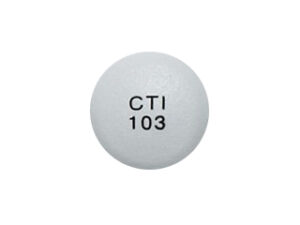
Flexeril (Cyclobenzaprine HCl) – Patient Guide
Flexeril is a medicine commonly used to relieve painful muscle tightness (muscle spasm) associated with strains or other musculoskeletal conditions. It belongs to a class of medicines known as centrally acting skeletal muscle relaxants. This guide explains how Flexeril works, how it’s used, what to expect, key safety information, and practical tips for everyday use in Australia.
Note: Always follow your healthcare professional’s instructions and read the consumer medicines information provided with your product.
Basic product information
- Medicine name: Flexeril
- Active ingredient: Cyclobenzaprine hydrochloride (Cyclobenzaprine HCl)
- Medicine type: Centrally acting skeletal muscle relaxant
- Common forms: Tablets (strengths vary by product; follow your pack)
- What it’s for: Short-term relief of muscle spasm and pain
Flexeril is typically used alongside rest, physical therapy, stretching, and other measures that address the underlying cause of muscle discomfort.
How Flexeril works (mechanism of action)
Cyclobenzaprine affects nerve pathways in the brain and spinal cord that help control muscle tone. While the exact mechanism is complex, Flexeril is thought to:
- Reduce abnormal muscle activity that contributes to spasm
- Act centrally (in the central nervous system) to promote relaxation
- Decrease pain-related muscle tightness, making movement more comfortable
Because it works through the nervous system, Flexeril may also cause drowsiness or sleepiness in some people.
What it’s used for (indications)
Flexeril is indicated for the relief of muscle spasm associated with acute, painful musculoskeletal conditions. It is often used for:
- Back pain caused by muscle spasm
- Neck pain related to muscle tightness
- Muscle strains and sprains where spasms contribute to pain
It is designed for short-term use and should be considered part of a broader approach that includes physical measures (for example, gentle movement, heat/cold, and rehabilitation exercises).
Typical timing and when you may notice effects
Many people begin to feel relief within the first day, although response can vary. A practical expectation is:
- First 1–2 doses: Some improvement in stiffness or spasm may be noticed
- Within 2–7 days: Meaningful reduction in pain and muscle tightness is often expected for acute conditions
- Ongoing: If symptoms do not improve, or worsen, seek medical advice
Because Flexeril can cause sleepiness, many people prefer dosing at times that minimise daytime impairment (for example, evening dosing), but follow the directions provided for your situation.
Dosing and how to take Flexeril
Dosing depends on your age, medical history, and how you respond. Use the dose on your label or as directed by your healthcare professional.
General dosing principles (adult use)
- Start low if you are sensitive to side effects, and adjust only under professional guidance.
- Take as directed—do not exceed the recommended maximum daily dose.
- Limit duration—Flexeril is generally used for short-term muscle spasm relief.
How to take
- Swallow tablets with water.
- Consistency helps: take doses at evenly spaced times if prescribed multiple times daily.
- Avoid skipping doses and then “catching up” with extra tablets.
Missed dose
If you miss a dose, take it when you remember unless it is close to the next dose. In that case, skip the missed dose and continue your regular schedule. Do not take double doses.
Pharmacokinetics (how the body handles Flexeril)
Pharmacokinetics describes what happens to the medicine after you take it—how it’s absorbed, processed, and eliminated.
- Absorption: Cyclobenzaprine is absorbed after oral administration.
- Distribution: It distributes into body tissues, including the central nervous system.
- Metabolism: It is extensively metabolised in the liver.
- Excretion: Metabolites are eliminated mainly through the kidneys.
- Half-life: Cyclobenzaprine has a relatively long half-life compared with many muscle relaxants, which may contribute to persistent effects (including drowsiness) into the next day.
Because it is metabolised in the liver, people with liver impairment may be at higher risk of side effects.
Food interactions
Food may not significantly alter the overall effectiveness for many people, but it can affect how you feel after taking a tablet (for example, nausea or stomach upset).
- If you experience nausea, consider taking it with food.
- Follow your product instructions regarding timing with meals.
- Stay well-hydrated—especially if you are also using other medications that can cause dry mouth or dizziness.
Alcohol interactions (important)
Avoid alcohol while taking Flexeril unless your healthcare professional says it is safe. Alcohol can:
- Increase drowsiness and impair coordination
- Increase risk of falls and accidents
- Worsen dizziness and slowed reaction time
If you plan to drink alcohol, it’s best to discuss this beforehand. In the meantime, choose non-alcoholic options and prioritise rest.
Medicine interactions (tell your pharmacist about everything)
Cyclobenzaprine can interact with medicines that affect the brain, liver enzymes, or heart rhythm. Always provide your complete list of medicines, including over-the-counter products and supplements.
Common interaction categories
- Other sedating medicines: may increase sleepiness (for example, some antihistamines, opioids, some antidepressants, or anti-anxiety medicines).
- Serotonergic medicines: when combined with drugs that affect serotonin, there is a potential risk of serotonin syndrome.
- MAO inhibitors: should not be used with cyclobenzaprine due to serious interaction potential.
- Medicines affecting heart rhythm (QT prolongation): combining with certain cardiac medicines may raise risk.
- CYP450-related medicines: some drugs can change cyclobenzaprine metabolism, affecting drug levels and side effect risk.
Examples (not a complete list)
Interaction risk can apply to:
- Some antidepressants and migraine medicines
- Some strong pain medicines
- Some medicines for nausea and allergies that cause drowsiness
- Certain antiarrhythmics
Your pharmacist can help check interactions for your specific regimen.
Safety profile: who should be extra careful?
Flexeril can be effective for muscle spasm, but it may not be suitable for everyone. Seek medical advice before use if you have:
- Glaucoma (narrow-angle) or problems with eye pressure
- Urinary retention or enlarged prostate symptoms
- Liver disease
- Heart rhythm problems or history of arrhythmia
- History of drug reactions to similar medicines
- Epilepsy or seizure risk
Common side effects
- Drowsiness / tiredness
- Dizziness
- Dry mouth
- Constipation
- Blurred vision or trouble focusing
Less common but serious side effects (seek urgent help)
- Chest pain, fainting, or fast/irregular heartbeat
- Severe allergic reaction (swelling of face/lips, difficulty breathing)
- Signs of serotonin syndrome (for example, agitation, confusion, fever, sweating, muscle stiffness, tremor)
- Severe confusion, hallucinations, or extreme drowsiness
If you experience concerning symptoms, contact emergency services or your local urgent care service.
Practical use tips (how to get the best results safely)
1) Avoid driving and hazardous tasks at first
Flexeril can slow reaction time. Until you know how it affects you:
- Avoid driving, operating machinery, or climbing ladders.
- Be careful when walking—dizziness may increase fall risk.
2) Plan dosing around sleepiness
- If you feel drowsy, consider timing doses as recommended for your schedule.
- Do not “double up” to catch up if a dose causes strong drowsiness.
3) Pair with non-medicine measures
Medicines work best when combined with self-care. Consider:
- Gentle movement (avoid bed rest for long periods)
- Heat or cold packs (use what feels better and follow safe temperature guidelines)
- Stretching exercises as tolerated
- Physiotherapy or rehabilitation strategies
4) Manage dry mouth and constipation
- Take frequent sips of water; sugar-free gum or lozenges may help.
- Maintain fibre and fluids; if constipation occurs, ask your pharmacist about suitable options.
5) Use only short-term unless advised otherwise
Flexeril is generally intended for acute muscle spasm relief. For persistent pain, underlying causes may need further evaluation.
Alternative options for muscle spasm and pain
Different people respond differently. Options may include:
Non-medicine approaches
- Physiotherapy and targeted exercise programs
- Heat/ice therapy
- Posture and ergonomic adjustments
- Massage or manual therapy (where appropriate)
Other medicine options
Your pharmacist or doctor may discuss alternatives depending on your symptoms and health history, such as:
- Other muscle relaxants (choice depends on side effect profile and interactions)
- Pain relievers for short-term symptom control (e.g., paracetamol or anti-inflammatory medicines in appropriate patients)
- Topical therapies for localised discomfort
The best alternative depends on your medical conditions, other medications, and the pattern of your pain.
Australia market and legal context (general overview)
In Australia, medicines are regulated through the Therapeutic Goods Administration (TGA). The classification and dispensing requirements for Flexeril/cyclobenzaprine products can vary by formulation and brand availability. In many cases, cyclobenzaprine may be treated as a prescription-only medicine, but availability and product status can differ over time.
- Regulatory body: Therapeutic Goods Administration (TGA)
- Local labelling: Follow the instructions on your specific Australian pack
- Pharmacy support: A pharmacist can confirm eligibility, suitability, and safe use for your situation
Product availability can also be influenced by supply chains and listing updates. For the most accurate information, check current listings through your pharmacy provider.
Recent guidance and what to watch for
Healthcare guidance commonly emphasises:
- Short-term use for acute muscle spasm
- Careful assessment in older adults due to higher risks of sedation, falls, constipation, and confusion
- Avoiding alcohol and minimising other sedating medicines
- Monitoring for heart rhythm concerns in at-risk patients
If you have recently started Flexeril or changed your dose, pay attention to how you feel and report any unexpected effects.
Delivery and availability (online pharmacy information)
Many pharmacies offer delivery across Australia. Availability depends on stock levels and product listings. When ordering online, confirm:
- Product strength and form match what you need
- Expiry date is acceptable
- Delivery region and estimated dispatch times
- Cold chain requirements (usually not applicable to tablets, but follow any specific pack instructions)
After dispatch, you’ll typically receive tracking information. If you need the medicine urgently, contact customer service to confirm fastest shipping options.
Frequently Asked Questions (FAQ)
1) What is Flexeril used for?
Flexeril (cyclobenzaprine) is used for short-term relief of painful muscle spasm associated with acute musculoskeletal conditions, such as strains or back/neck pain where muscle tightness is a key feature.
2) How quickly does Flexeril work?
Some people notice improvement within the first day. For acute muscle spasm, noticeable benefits are often expected over a few days. If you’re not improving after several days or symptoms worsen, seek advice.
3) Will Flexeril make me sleepy?
Drowsiness is a common effect. Until you know how it affects you, avoid driving and hazardous tasks. Alcohol and other sedating medicines can intensify this effect.
4) Can I take Flexeril with food?
Food may not significantly change its effectiveness. If you experience nausea or stomach upset, taking it with food may help. Follow your pack directions.
5) Is it safe to drink alcohol while taking Flexeril?
It’s strongly advised to avoid alcohol because it can increase drowsiness, dizziness, and the risk of accidents. Ask a pharmacist if you’re unsure.
6) What medicines interact with cyclobenzaprine?
Interactions can occur with other sedating medicines, certain antidepressants and serotonergic drugs, MAO inhibitors, and some heart-rhythm affecting medicines. Always review your full medicine list with a pharmacist.
7) What should I do if I miss a dose?
Take it when you remember if it’s not close to the next dose. Otherwise, skip it and continue as scheduled. Do not take double doses.
8) Who should not use Flexeril or should use it with caution?
Extra caution is needed with liver impairment, certain heart rhythm conditions, glaucoma, urinary retention, and in older adults due to increased side-effect risk. Discuss your medical history with a pharmacist or doctor.
9) Are there alternatives if Flexeril doesn’t suit me?
Yes. Depending on the cause of pain and your health profile, alternatives may include other muscle relaxants, different pain management options, or non-medicine therapies like physiotherapy and heat/ice.
10) When should I seek urgent help?
Get urgent medical attention for symptoms such as chest pain, fainting, severe allergic reactions, significant confusion, or signs suggestive of serotonin syndrome (especially if combined with other serotonergic medicines).
Summary
Flexeril (cyclobenzaprine HCl) is a centrally acting muscle relaxant used for short-term relief of painful muscle spasm. It can reduce spasm-related pain, but it may cause drowsiness, dizziness, and dry mouth in some people. For safe use, avoid alcohol, be cautious with other sedating medicines, and follow guidance regarding timing and duration. If symptoms persist, worsen, or you experience concerning side effects, seek medical advice.
| Key topic | Patient-friendly takeaways |
|---|---|
| What it treats | Acute painful muscle spasm related to musculoskeletal conditions |
| How it works | Acts on the central nervous system to reduce muscle spasm and related pain |
| How you may feel | Drowsiness and dizziness can occur—use caution with driving and machinery |
| Food | Food usually doesn’t change effectiveness much; take with food if it upsets your stomach |
| Alcohol | Avoid alcohol—can worsen sedation and increase accident risk |
| Interactions | Check sedating drugs, serotonergic medicines, and heart-rhythm affecting medicines |
| Duration | Typically short-term use for acute spasm; persistent symptoms require reassessment |