Sporanox (Itraconazole) — Patient Information (Australia)
Sporanox is a brand of itraconazole, an antifungal medicine used to treat a range of fungal infections. This guide is designed to help you understand what Sporanox is, how it works, how it’s typically taken, and what safety issues to discuss with your healthcare professional.
Important: This information is general. Your exact course of treatment, dose, and duration depend on the type and severity of your infection, your other medical conditions, and the medicines you take.
Basic product information
- Medicine name: Sporanox
- Active ingredient: Itraconazole
- Class: Triazole antifungal (systemic)
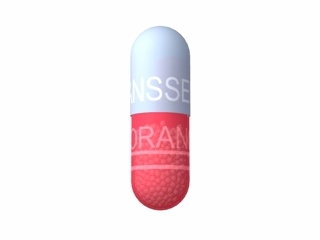
- Common forms: Capsules and oral solution (formulation requirements differ)
- For use in: Treating fungal infections affecting the skin, nails, and—when needed—deeper tissues
In Australia, medicines are supplied through regulated channels. Availability and specific product strengths may vary by supplier and formulation.
How Sporanox works (mechanism of action)
Itraconazole works by blocking the production of essential components of the fungal cell membrane.
- It inhibits an enzyme called lanosterol 14-α-demethylase (part of the fungal cytochrome P450 system).
- This reduces ergosterol, a key substance the fungus needs to keep its cell membrane functioning.
- Without ergosterol, fungal cells become unstable and can no longer grow effectively.
What this means for you: Fungal infections can take time to improve. Even after treatment starts, symptoms may improve gradually as the infection is cleared.
Pharmacokinetics (how the body absorbs and handles it)
Itraconazole has complex absorption and distribution. Understanding these points can help you take it correctly for best effect.
Absorption
- Capsules: Absorption is influenced by stomach acidity and food intake. Capsules are generally best taken with food (commonly immediately after a meal) to improve absorption.
- Oral solution: Absorption differs from capsules and may not follow the same food rules. Your pharmacist or doctor will advise based on your formulation.
Distribution
- Itraconazole distributes into many tissues, including skin and areas that can be affected by fungal disease.
- It may remain in tissues longer than in the blood, which is one reason treatment can extend over weeks or months for some conditions.
Metabolism and elimination
- It is metabolised primarily in the liver.
- It is eliminated mainly via bile and faeces, with some renal (kidney) contribution.
Practical takeaway: Because metabolism is liver-based and interactions are common, tell your healthcare professional about all medicines you take (including supplements and over-the-counter products).
Typical use (what it’s used for)
Sporanox is used to treat fungal infections where systemic (whole-body) therapy is considered appropriate.
Common indications
- Fungal infections of the skin and mucous membranes (in some cases, depending on severity and organism)
- Fungal nail infections (onychomycosis) when oral therapy is appropriate
- Vaginal fungal infections are typically treated with local antifungals; itraconazole may be considered in selected cases
- More serious or invasive fungal infections (under specialist guidance), such as certain systemic mycoses
- Some fungal infections caused by specific organisms where itraconazole is effective
Note: The exact indication depends on the cause of infection, your immune status, and local prescribing practice. Always follow your prescribed plan.
When to take Sporanox (timing)
Correct timing helps optimise absorption and reduces the chance of treatment failure.
With food (capsules)
- If you’re using itraconazole capsules, they are generally taken with food to improve absorption.
- Many people are advised to take capsules immediately after a meal.
Consistent schedule
- Try to take your doses at the same times each day.
- If you miss a dose, take it when you remember unless it’s close to the next dose. Do not double up without advice.
Treatment duration
- Some infections require weeks, while others require months.
- For nail infections, clearing may occur slowly because nails grow gradually.
Tip: Set a daily reminder. Consistency is especially important with antifungal regimens.
Food interactions (what to know)
Itraconazole absorption can be affected by stomach acidity. Several food and drink factors may influence effectiveness.
Acidity changes
- Antacids and medicines that reduce stomach acid can reduce itraconazole absorption, especially for capsules.
- Proton pump inhibitors and some H2 blockers may significantly reduce absorption.
Food
- Taking capsules with food often improves absorption.
- Follow the instructions for your specific formulation.
If you take acid-reducing medicines regularly (for reflux/ulcers), ask your pharmacist how to space doses and whether your antifungal formulation should be adjusted.
Alcohol interactions
Alcohol does not always have a direct “forbidden” interaction with itraconazole for everyone, but it can increase risks—particularly related to liver stress.
- Itraconazole is metabolised by the liver.
- Alcohol can also affect the liver and may worsen side effects such as nausea, dizziness, and elevated liver enzymes.
Practical approach: Limit or avoid alcohol during treatment, especially if you have liver disease, elevated liver enzymes, or symptoms such as unusual fatigue or dark urine.
Medicine interactions (very important)
Itraconazole is known for significant drug–drug interactions because it can affect liver enzymes that metabolise many medicines.
Common interaction categories
- Medicines that may be unsafe with itraconazole (due to increased drug levels or rhythm effects)
- Medicines that can reduce itraconazole levels, making it less effective
- Medicines that increase risk of liver injury
- Medicines affecting heart rhythm (QT prolongation risks)
Examples of drugs that require special attention
These examples are provided to prompt discussion; your pharmacist can check your full list.
- Some antibiotics and antivirals
- Some allergy medicines and other drugs that may affect heart rhythm
- Antiarrhythmics (heart rhythm medicines)
- Statins (cholesterol-lowering medicines) — certain types may have increased risk when taken with itraconazole
- Some benzodiazepines and sedatives
- Immunosuppressants and transplant medicines
- Medicines that strongly induce liver enzymes (which can lower itraconazole levels), including some seizure medicines
What to do
- Tell your healthcare professional about all medicines you take, including:
- Over-the-counter products
- Herbal supplements (e.g., St John’s wort)
- Vitamins at high doses
- Do not start, stop, or change doses without checking interactions.
- If you’re given another medicine during itraconazole treatment, re-check the interaction.
Dosing (typical guidance)
Dosing depends on the infection being treated, your clinical situation, and your itraconazole formulation (capsules vs oral solution). Always use the dose and regimen provided to you.
Examples of dosing schedules used in practice may include “daily” or “pulse” regimens for certain conditions (particularly nail infections). Your clinician will decide which schedule is appropriate.
General dosing principles
- Take each dose exactly as instructed.
- Use the correct formulation. Capsules and oral solution are not always interchangeable.
- Do not stop early even if you feel better, unless advised.
- For nail infections, improvements may take months because nails grow slowly.
Missed dose advice
- If you miss a dose, take it as soon as you remember.
- If it’s near your next scheduled dose, skip the missed dose and continue your regular schedule.
- Do not take extra doses unless a clinician tells you to.
Note for accuracy: Because dosing schedules vary widely, it’s safest to follow the dose on your medication label and the instructions given by your healthcare professional.
Safety profile (side effects and when to seek help)
Most people tolerate itraconazole, but side effects can occur. Some are serious and require prompt medical attention.
Common side effects
- Nausea, stomach upset, abdominal pain
- Headache
- Dizziness
- Diarrhoea
- Fatigue
Less common but important risks
- Liver problems: itraconazole can cause elevated liver enzymes and, rarely, more serious liver injury.
- Heart failure risk: in some individuals, itraconazole may be associated with worsening or risk of heart failure. Seek advice if you have a history of heart failure or shortness of breath.
- Allergic reactions: rash, swelling, or difficulty breathing.
- Electrolyte and rhythm concerns: can interact with other medicines that affect heart rhythm.
- Neuropathy or sensory changes: rarely, nerve-related symptoms may occur.
Seek urgent medical help if you experience
- Yellowing of the skin or eyes (jaundice), very dark urine, or severe persistent fatigue
- Swelling of the face/lips, widespread rash, or trouble breathing
- Severe shortness of breath, sudden weight gain, or worsening swelling in the legs/feet
- Fainting, severe palpitations, or chest pain
When to check in with your doctor promptly
- Persistent vomiting or inability to keep food/fluids down
- New or worsening symptoms after starting treatment
- Signs of infection not improving as expected
Practical use tips (to get the best results)
- Use the correct formulation: Capsules and oral solution can have different absorption requirements.
- Take capsules with food: This is a key factor for capsule absorption.
- Don’t skip doses: Maintaining effective drug levels improves chances of cure.
- Complete the course: Stopping early can lead to recurrence.
- Support skin hygiene: For skin and nail infections, keep the area clean and dry and follow any additional hygiene advice provided.
- Expect slow nail improvement: Nail changes can take months after fungal growth has been treated.
- Report all medicines: Bring a list of prescriptions, over-the-counter products, and supplements to your consultation.
Alternative options (other treatments for fungal infections)
Depending on the infection type, organism, location, and severity, alternatives to itraconazole may include:
- Topical antifungals (for many skin conditions), such as creams, gels, or medicated solutions
- Other oral antifungals, for example:
- Terbinafine (often used for certain nail and skin fungal infections)
- Fluconazole (commonly used for specific fungal infections)
- Voriconazole or posaconazole (for certain serious or invasive infections under specialist care)
- Combination approaches (e.g., topical therapy alongside oral therapy) in selected cases
Your healthcare professional will choose an option based on the suspected fungus, your medical history, and potential interactions.
Market and legal context in Australia
In Australia, medicines are regulated by the Therapeutic Goods Administration (TGA) under the Australian regulatory framework. Itraconazole products like Sporanox are supplied through appropriate pharmaceutical channels, and patient access is designed to be safe and compliant.
Availability may vary by formulation (capsules vs oral solution), strength, and stock at the time of ordering. Online pharmacies typically provide product information, shipping details, and support to help customers obtain medicines legally and safely.
Guidance and safety: Because itraconazole has important interaction and safety considerations, consumers should ensure they read label directions carefully and seek advice if they are unsure about suitability.
Recent guidance and updates (what to keep in mind)
Prescribing recommendations for itraconazole can evolve as new safety information and interaction data become available. Key ongoing considerations that clinicians and pharmacists emphasise include:
- Careful checking of drug–drug interactions before starting
- Attention to possible heart failure risk in susceptible individuals
- Monitoring for possible liver-related side effects when clinically indicated
- Choosing the correct formulation and taking it correctly with respect to food/acid conditions
- Using antifungals for appropriate infections and not when not needed
Always follow the latest instructions provided with your medicine and consult a healthcare professional if you have questions.
Delivery and availability (online pharmacy information)
Many online pharmacies in Australia offer delivery for antifungal medicines. Availability of Sporanox may depend on:
- Formulation (capsules vs oral solution)
- Strength
- Current supplier stock and shipping schedules
When ordering:
- Check that the product matches the prescription/label instructions provided to you.
- Confirm delivery estimates at checkout.
- Store the medicine as directed on the label (usually at room temperature, protected from moisture and heat).
If you have a question about whether Sporanox is the correct formulation for your situation, contact the pharmacy’s support team before placing an order.
FAQ (Frequently Asked Questions)
1) What is Sporanox used for?
Sporanox (itraconazole) is an oral antifungal medicine used to treat fungal infections in different parts of the body, depending on the infection type and severity.
2) How long does it take to work?
Improvement often occurs gradually. For many skin infections, symptoms may improve over days to weeks. For nail infections, visible improvement can take months because nails grow slowly.
3) Should I take Sporanox with food?
For itraconazole capsules, taking with food is commonly recommended to improve absorption. Your specific product instructions may differ, especially if you are using oral solution. Follow your label or pharmacist’s instructions.
4) Can I drink alcohol while taking itraconazole?
It’s best to limit or avoid alcohol because both alcohol and itraconazole can affect the liver. If you plan to drink, discuss it with your pharmacist or clinician—particularly if you have liver concerns.
5) What medicines should I avoid?
Itraconazole has many potential interactions. Some medicines can reduce itraconazole levels, while others can increase itraconazole-related effects. Provide your full medication list to your pharmacist for a safety check.
6) What if I miss a dose?
Take the dose when you remember unless it’s close to the next scheduled dose. Do not take double doses. If you’re unsure, ask your pharmacist.
7) What side effects are most important to watch for?
Seek medical advice promptly for signs of liver problems (such as jaundice or dark urine), allergic reactions (rash/swelling/breathing difficulty), or heart-related symptoms (new/worsening shortness of breath or swelling).
8) Are there alternatives if itraconazole isn’t suitable?
Yes. Depending on the infection, topical therapy or other oral antifungals (such as terbinafine or fluconazole) may be considered. Your clinician will choose based on suitability and interactions.
9) Is Sporanox safe for everyone?
No medicine is suitable for everyone. Your medical history—especially heart failure history, liver disease, and current medicines—affects suitability and monitoring needs.
Quick reference table
| Topic | Key points for patients |
|---|---|
| Brand / Active ingredient | Sporanox — itraconazole |
| What it treats | Fungal infections (type depends on organism and location) |
| How it works | Stops fungi from making ergosterol, an essential cell membrane component |
| Absorption tips | Capsules are generally taken with food to improve absorption |
| Food/acid interactions | Acid-reducing medicines can affect absorption; ask about spacing |
| Alcohol | Limit/avoid due to possible liver stress |
| Major safety focus | Drug interactions, possible liver effects, and heart-related considerations |
| When to get help | Jaundice/dark urine, severe rash or breathing issues, worsening shortness of breath or swelling |
Final reminder: Always follow the instructions on your medicine label and the advice provided by your healthcare professional. If you have questions about interactions, formulation differences, or side effects, contact your pharmacist for support.