Grifulvin V (Griseofulvin) – Patient Information (Australia)
Grifulvin V contains griseofulvin, an antifungal medicine used to treat certain fungal infections of the skin, hair, and nails. This page explains how it works, how to take it safely, what to expect, and how it interacts with food and other medicines.
Basic product information
- Medicine name: Grifulvin V
- Active ingredient: Griseofulvin
- Form: Oral antifungal medicine (commonly tablets; availability and brand presentation can vary)
- How it is used: Taken by mouth over a course of days to months, depending on the infection site
- Who it’s for: Adults and children (age and dosing depend on indication and product formulation)
Fungal infections can look mild but may persist unless treated properly. Using griseofulvin for long enough (and taking it with the right food) is often the key to successful outcomes.
How Grifulvin V works (mechanism of action)
Griseofulvin works by interfering with fungal growth. It binds to microtubules (cell structures involved in mitosis) in fungal cells, which prevents the fungi from multiplying normally. In addition, it helps deliver “fungal material” to developing cells by incorporating into keratin-rich tissues as they grow, making new skin, hair, and nails more resistant to fungal invasion.
In practical terms, this means it may not kill every fungus instantly, but it helps the body replace infected tissue with new, fungus-resistant tissue. For nail infections, the improvement often lags behind starting treatment because nails grow slowly.
Pharmacokinetics (how your body handles it)
Understanding pharmacokinetics can help explain why timing and food matter.
- Absorption: Griseofulvin is absorbed from the gut. Absorption can be improved when taken with fatty food.
- Distribution: It concentrates in keratin (skin, hair, nails) where fungal infections occur.
- Metabolism: It is metabolised in the liver (commonly by cytochrome P450 enzymes such as CYP3A4).
- Elimination: Metabolites and drug are cleared mainly via the body’s natural elimination pathways (including urine).
Because it is processed by the liver, certain liver conditions and drug interactions can affect safety or effectiveness.
Typical uses and indications
Griseofulvin is used for infections caused by susceptible dermatophytes (fungi that typically affect keratinised tissues). Common indications include:
- Tinea capitis (scalp ringworm)
- Atopic or body dermatophyte infections such as:
- Tinea corporis (ringworm of the body)
- Tinea cruris (ringworm of the groin)
- Tinea pedis (athlete’s foot)
- Tinea manuum (ringworm of the hand)
- Onychomycosis (fungal nail infection), particularly when caused by dermatophytes
If your infection is caused by a non-dermatophyte organism (e.g., some yeasts or other fungi), griseofulvin may not be the best choice. Your clinician/pharmacist can advise based on the likely cause and any test results.
When you’ll start to see results (timing)
- Skin infections: Often start improving within 1–2 weeks, though treatment may be continued to fully clear the infection.
- Scalp infections: Improvement may take several weeks; course length can be longer.
- Nail infections: Improvement is gradual because nails must grow out. It can take months to see a normal nail appearance.
Even if symptoms improve, completing the course is important to reduce the chance of recurrence.
How to take Grifulvin V (dosing and administration)
Dosing depends on the type of infection, severity, and individual factors such as age and body weight in children. Follow the dosing instructions provided by your healthcare professional and the product label for your specific formulation.
General dosing principles
- Oral use: Swallow tablets whole with water.
- Consistency: Take at the same times each day.
- Duration: Treatment duration can be weeks to months, especially for nail/scalp infections.
- Weight-based dosing (children): Many paediatric regimens are weight-based.
Typical dosing examples (for education only)
Because dosing can vary by product strength and local prescribing practices, the below is a general guide. Always follow the exact regimen provided for you.
| Condition | Typical approach | Notes |
|---|---|---|
| Tinea corporis / cruris | Oral daily therapy for a defined course | Often less time than nail disease; may be combined with topical treatment depending on severity |
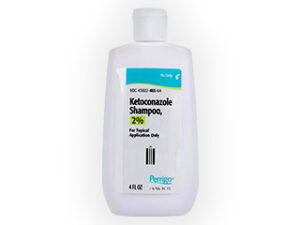
| Tinea capitis (scalp) | Longer oral course | May be combined with medicated shampoo/adjunct therapy |
| Onychomycosis (nails) | Prolonged oral therapy | Improvement is slow as the nail grows; follow-up may be needed |
If you are unsure which condition you are treating, or what the correct dosing schedule should be for your formulation, ask a pharmacist.
Food interactions: taking griseofulvin with meals
Food can influence absorption. In general:
- Take with food, especially a meal with some fat. This can improve absorption compared with taking it on an empty stomach.
- Be consistent. If you take it with meals most days, continue this pattern through the course.
If you have dietary restrictions or cannot tolerate meals, speak to a pharmacist for practical advice on how to take your dose safely and consistently.
Alcohol and medicine interactions
Alcohol
While moderate alcohol may not be an absolute contraindication for everyone, griseofulvin can affect the liver and cause liver enzyme changes in some people. To reduce the risk of liver stress, it is sensible to:
- Avoid heavy drinking during treatment.
- Limit alcohol and discuss with a clinician/pharmacist if you drink regularly.
Medicine interactions (important)
Griseofulvin can interact with other medicines because it may affect drug metabolism (including enzymes involved in processing many drugs). Some interactions can reduce effectiveness of other medicines, while others can raise the risk of side effects.
Always check with a pharmacist if you take any of the following:
- Warfarin and other anticoagulants (risk of altered bleeding control)
- Hormonal contraceptives (possible reduction in effectiveness in some circumstances)
- Certain anticonvulsants (e.g., phenytoin, carbamazepine, phenobarbital) due to enzyme effects
- Certain antibiotics/antifungals (some may increase or decrease levels)
- Medicines affecting liver enzymes (various categories, including some for HIV, tuberculosis, or epilepsy)
- Immunosuppressants (interaction potential; require careful monitoring)
This is not a complete list. If you have a current medication list (including vitamins, herbal products, and supplements), show it to a pharmacist.
Safety profile: who should be careful
Like all medicines, Grifulvin V can cause side effects. Many people tolerate it well, but certain adverse effects require prompt medical review.
Common side effects
- Nausea, stomach upset, diarrhoea
- Headache
- Dizziness or fatigue
- Rash or skin sensitivity
Less common but serious risks
- Liver problems: Watch for symptoms such as yellowing of the skin/eyes (jaundice), dark urine, severe fatigue, or persistent nausea/vomiting.
- Severe allergic reactions: swelling of face/lips, wheezing, or widespread rash with breathing difficulty.
- Blood count changes: unusual bruising, infections, or persistent fever (rare).
- Severe skin reactions: painful rash, blistering, or peeling skin (rare but urgent).
When to seek urgent help
Contact emergency services or seek urgent medical care if you develop signs of a severe allergic reaction, severe breathing difficulty, fainting, or a rapidly worsening rash.
Practical use tips for better outcomes
- Don’t stop early: Even if symptoms improve, complete the full course unless advised otherwise.
- Take it with food: For many people, meals improve absorption.
- Prevent reinfection: Keep the affected area dry and follow hygiene practices.
- Consider washing/controlling sources: Clean towels, socks, shoes, and bedding; avoid sharing personal items.
- For scalp infections: Adjuvant shampoos or medicated lotions may be recommended by a clinician to reduce spread.
- For nail infections: Trim thick nails (if safe/comfortable) and maintain nail hygiene; consider follow-up to assess response.
Practical schedule example
If you take it once daily, a typical routine could be:
- With breakfast or lunch: Take the tablet(s) during or right after a meal.
- Same time each day: Help maintain steady levels.
- Missed dose: If you miss a dose, take it when you remember unless it’s close to your next dose. Do not double up.
If you have missed multiple doses or are unsure what to do, ask a pharmacist for advice specific to your schedule.
Alternative options (depending on the infection)
Treatment choice depends on the site, organism, severity, and patient factors. Alternatives may include topical antifungals, other oral antifungals, or a combination approach.
- Topical antifungals: for many skin infections—examples include azoles or allylamines (choice depends on location and severity).
- Other oral antifungals: for certain nail/scalp infections when appropriate—often selected based on organism, tolerability, and drug interactions.
- Adjunct treatments: medicated shampoos or creams to reduce spread and improve outcomes.
If you have tried topical therapy or the infection has persisted or involved nails/scalp, clinicians may consider switching or using systemic therapy such as griseofulvin.
Australia market and legal context (patient-friendly overview)
In Australia, antifungal medicines are supplied under the regulated framework of the Australian Register of Therapeutic Goods (ARTG) and dispensing is controlled by pharmacy and product scheduling. The exact availability of Grifulvin V can vary by formulation and brand supply.
For safe use, medicines like griseofulvin are typically supplied with information about approved indications, dose timing, and warnings. Pharmacists can confirm the correct product strength, how long treatment is usually continued, and whether any interactions apply to your medicines.
Product supply and availability can also be influenced by packaging changes, manufacturer updates, and demand.
Recent guidance and clinical considerations
Current clinical practice emphasises:
- Confirming likely cause: Dermatophyte infections are commonly treated with targeted therapy; persistent cases may warrant reassessment.
- Adherence and duration: Nail and scalp infections require longer courses and may need follow-up.
- Safety monitoring: Because of possible liver effects, clinicians may consider baseline and follow-up checks in people with risk factors.
- Managing reinfection: Hygiene and household measures can be crucial, particularly in tinea capitis and tinea corporis clusters.
Recommendations can differ by individual circumstance and the exact organism involved, so it’s reasonable to discuss your situation with a pharmacist or clinician if you are not improving.
Delivery and availability in Australia
Online pharmacies in Australia may supply Grifulvin V subject to product availability and dispensing requirements. Availability can vary by:
- Stock levels at the distribution centre
- Strength and pack size
- Substitute brands or comparable formulations (if permitted and appropriate)
When ordering online, you can usually choose standard delivery options. Delivery times vary by state and courier service. If Grifulvin V is temporarily unavailable, a pharmacist may contact you with options such as an alternative product, or an estimated restock timeline.
Safety checklist before you start
Before beginning Grifulvin V, it helps to think about these points:
- Do you have a history of liver disease or hepatitis?
- Are you taking any medicines that interact with liver enzymes or blood thinners?
- Are you pregnant, trying to conceive, or breastfeeding? (Ask a pharmacist/clinician for personalised advice.)
- Do you drink alcohol regularly?
- Do you have symptoms such as jaundice, severe fatigue, or unexplained bruising?
FAQs
1) What is Grifulvin V used for?
Grifulvin V (griseofulvin) is used to treat fungal (dermatophyte) infections that affect the skin, scalp, hair, or nails—such as tinea capitis and some forms of onychomycosis.
2) How long does treatment usually take?
It depends on the infection site. Skin infections may improve within weeks, while scalp and nail infections often require longer courses because infected tissue must be replaced by new growth. For nail disease, improvement can take several months.
3) Should I take Grifulvin V with food?
In general, taking griseofulvin with food (especially a meal with some fat) can improve absorption. Try to take it with meals consistently.
4) Can I drink alcohol while taking it?
It’s best to limit alcohol and avoid heavy drinking during treatment due to potential liver-related effects. If you drink regularly or have liver risk factors, ask a pharmacist for specific advice.
5) What medicines can interact with griseofulvin?
Interactions may occur with several medicines, including anticoagulants (e.g., warfarin) and some hormonal contraceptives, plus certain seizure medicines and other drugs metabolised by liver enzymes. Always provide your full medication list to a pharmacist for a safety check.
6) What should I do if I miss a dose?
Take it when you remember unless it’s close to your next dose. Don’t take extra to make up for a missed dose. If you’re unsure, ask a pharmacist.
7) Are there side effects I should watch for?
Common effects include stomach upset, headache, and dizziness. Seek urgent help for severe allergic reactions or serious rash. Contact a doctor promptly if you notice possible liver symptoms such as yellow skin/eyes, dark urine, or severe ongoing nausea.
8) Why isn’t my skin improving yet?
If you’re treating a skin infection, improvement may take 1–2 weeks, but sometimes longer. For nail/scalp infections, changes are naturally slower. Reinfection (e.g., from contaminated items or close contacts) and missed doses can also slow progress. If there is no improvement, seek advice for reassessment.
9) Can I use topical antifungals at the same time?
Often, clinicians use topical and oral treatments together, depending on the type and severity of infection. Ask a pharmacist or clinician what combination is appropriate for your specific condition.
10) What if my infection returns after treatment?
Recurrence can happen if the initial infection wasn’t fully cleared, if there is reinfection from environmental sources or close contacts, or if the cause isn’t a dermatophyte. Follow up for confirmation of diagnosis and treatment adjustments.
Need help choosing or using Grifulvin V?
If you have questions about how to take your doses, what to expect, or whether your medicines may interact, a pharmacist can provide practical guidance. Share your medication list and describe your symptoms and how long you’ve had them.