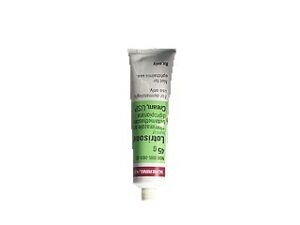
Lamisil (Terbinafine) — Patient Information (Australia)
Lamisil contains terbinafine, an antifungal medicine used to treat a range of fungal infections of the skin and nails. It works by targeting a key step in fungal growth. This page provides practical, patient-friendly information about how Lamisil works, how to use it, what to expect, important safety considerations, and how to get the most benefit from treatment.
Note: Product availability and pack sizes may vary between online pharmacies in Australia. Always check your specific product label and follow the instructions provided with your medicine.
Basic product information
| Product | Active ingredient | What it’s commonly used for | Common forms |
|---|---|---|---|
| Lamisil | Terbinafine | Fungal infections of skin and nails | Tablets (oral), creams/gel/sprays (topical) depending on product |
What it treats (in general terms): Athlete’s foot (tinea pedis), ringworm (tinea corporis), jock itch (tinea cruris), and other dermatophyte infections. Oral terbinafine is also used for some fungal nail infections (onychomycosis).
How terbinafine works (mechanism of action)
Terbinafine is an allylamine antifungal.
Mechanism of action:
- It inhibits an enzyme called squalene epoxidase in fungi.
- This blocks the formation of ergosterol, a critical component of fungal cell membranes.
- Without ergosterol, fungal cells can’t maintain normal structure and function, leading to fungal death or inhibited growth.
Why this matters for you: Terbinafine targets fungi specifically. With skin infections, improvement is often seen within days, while nail infections may take longer because nails grow slowly.
Pharmacokinetics (how the body handles terbinafine)
Pharmacokinetics describe how a medicine is absorbed, distributed, metabolised, and eliminated.
- Absorption (oral): When taken by mouth, terbinafine is absorbed and reaches effective levels in the body.
- Distribution: It distributes into skin and nails, where fungal infections occur. This is especially relevant for nail fungus.
- Metabolism: Terbinafine is mainly metabolised in the liver by enzymes (including CYP-related pathways).
- Elimination: Metabolites are excreted primarily through the kidneys and/or via bile/intestinal pathways.
- Duration of effect: For some fungal infections, the drug can remain in tissues long enough to support treatment even after dosing ends (particularly with nail treatments).
Practical implication: Because the liver metabolises terbinafine, people with significant liver disease need extra caution and may be advised not to use oral terbinafine.
Typical use in Australia
In Australia, terbinafine is available as different formulations depending on the condition.
- Topical terbinafine (cream/gel/spray) is commonly used for skin fungal infections (e.g., athlete’s foot, ringworm).
- Oral terbinafine tablets are often used for moderate to severe dermatophyte nail infections or when topical treatment is unlikely to be sufficient.
Important: Not all “fungus” on the skin or nails is dermatophyte. Yeasts (e.g., Candida) and other organisms may require different medicines. If you’re unsure, a clinician or pharmacist can help assess the likely cause.
Indications (what Lamisil is used for)
Common indications include:
- Dermatophyte infections of the skin, such as:
- Athlete’s foot (tinea pedis)
- Ringworm (tinea corporis)
- Jock itch (tinea cruris)
- Dermatophyte fungal infections of the nails (onychomycosis) — depending on severity and product choice.
Not intended for: Some conditions may look fungal but are caused by other issues (eczema, psoriasis, bacterial infection, or nail trauma). Using antifungals when the cause is not fungal may delay correct treatment.
Dosing and timing
Because Lamisil may come in different formulations, dosing depends on the specific product and the infection site/severity. Always follow your product instructions.
1) Topical use (skin infections)
- Typically, topical terbinafine is applied once daily to the affected area and surrounding skin.
- Common treatment duration for dermatophyte skin infections is often 1 to 2 weeks, but this varies by condition and product.
- Continue for the full course, even if symptoms improve early.
2) Oral use (nail infections and some skin scenarios)
- Oral terbinafine dosing regimens vary by product and indication.
- For many nail infections, treatment is given as a course (for example, several weeks), and results may continue to improve after finishing because nails regrow slowly.
If you’re unsure which schedule applies: Check the pack label or the instructions provided with your specific product. If symptoms persist beyond the expected timeframe, consider speaking with a pharmacist or clinician.
When to expect results
- Skin infections: Often improvement can be noticed within a few days; clear resolution usually takes the full recommended treatment course.
- Nail infections: Improvement is gradual; visible healthy nail growth may take months.
How to use Lamisil safely and effectively (practical tips)
Good application and hygiene can significantly improve outcomes and reduce recurrence.
For creams/gel/spray (topical)
- Clean and dry the area before applying.
- Apply a thin layer to affected skin and the surrounding area (as directed on the label).
- Wash hands after application (unless treating the hands).
- Don’t stop early just because symptoms improve.
- If blisters, severe irritation, or worsening occurs, stop and seek advice.
For oral tablets (if applicable to your product)
- Take the dose at the same time each day.
- Set a reminder so you don’t miss doses.
- Don’t adjust the dose without advice.
- If you forget a dose, follow the instructions on the pack or consult a pharmacist.
To prevent spread and recurrence
- Keep feet dry; change socks regularly.
- Use separate towels and avoid sharing personal items.
- Disinfect or replace worn footwear and antifungal socks/shoes where appropriate.
- Trim nails and keep nails short (for nail fungus), if safe.
- Treat athlete’s foot in the feet to help prevent reinfection of nails.
Food interactions
Topical terbinafine generally has minimal interaction with food because it is absorbed mainly through the skin.
Oral terbinafine may be affected by the presence of food, but the exact effect can depend on the formulation. In many cases, terbinafine can be taken with or without food. However, to reduce gastrointestinal upset, some people prefer taking it with a meal.
Best approach: Follow the advice on your product label. If you have stomach issues with tablets, take it with food unless the label instructs otherwise.
Alcohol and medicine interactions
Alcohol
- Because oral terbinafine is metabolised in the liver, it’s generally wise to limit alcohol while taking oral terbinafine.
- Heavy alcohol use may increase the risk of liver-related side effects.
Medicine interactions (important)
Terbinafine can interact with other medicines via metabolism pathways and by affecting drug levels.
- Tell your pharmacist about all medicines and supplements you use, including:
- Prescription medicines
- Over-the-counter medicines
- Herbal products (e.g., St John’s wort)
- Vitamins and supplements
- Some drugs may change terbinafine levels and vice versa.
- Some medicines may increase liver stress; combining them with oral terbinafine may require additional caution.
If you’re taking other medicines: Check for interactions before starting terbinafine, especially if you have a complex medication list, liver disease, or drink alcohol regularly.
Safety profile and side effects
Like all medicines, Lamisil can cause side effects. Many people experience none or only mild effects.
Common side effects (often mild)
- Skin/topical: mild redness, itching, burning, or dryness at the application site.
- Oral: headache, nausea, abdominal discomfort, diarrhoea, or taste disturbance (some people report a reduced sense of taste).
Less common but important warnings
- Liver effects: Rarely, terbinafine can cause liver problems. Seek medical advice promptly if you notice signs such as:
- Unusual fatigue or weakness
- Loss of appetite
- Nausea or vomiting that is persistent
- Dark urine
- Yellowing of the skin or eyes (jaundice)
- Severe abdominal pain
- Allergic reactions: stop use and seek urgent help if you develop rash, swelling, breathing difficulty, or severe skin reactions.
- Skin reactions: rare severe skin reactions have been reported. Get urgent medical help if you experience blistering, peeling, or widespread rash.
- Blood problems (rare): contact a clinician if you develop unusual bruising, persistent sore throat, fever, or infections.
- Taste changes: taste disturbance can occur with oral terbinafine and usually resolves after stopping.
Who should use extra caution?
- People with liver disease or a history of liver problems
- People who drink alcohol regularly or heavily
- People taking medicines that may affect the liver or interact with terbinafine
- People with a history of allergic reactions to terbinafine or related medicines
When to seek advice: If symptoms are not improving as expected, or if you experience side effects—especially those listed above—contact a pharmacist or clinician as soon as possible.
Practical use tips for better outcomes
- Don’t “pause” treatment once you feel better. Incomplete treatment increases recurrence risk.
- Treat the whole affected area, not just the most visible patch.
- Keep the area dry (especially feet and groin).
- Prevent reinfection from towels, shoes, socks, and shared household items.
- Be realistic about nail fungus: nails regrow slowly, so results can take time.
Alternative options (other antifungals)
Your best alternative depends on the type and severity of infection, the site (skin vs nail), and your preferences or tolerability.
Topical options for skin fungal infections
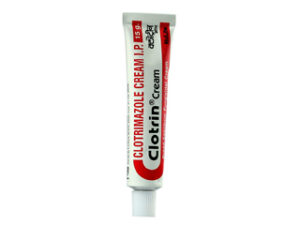
- Clotrimazole (imidazole antifungal) — available as creams
- Miconazole — antifungal creams
- Ketoconazole — sometimes used for specific fungal conditions
- Ciclopirox (where appropriate) — more commonly for nail lacquers
Nail fungus alternatives (oral and topical)
- Other oral antifungals may be used by clinicians depending on the cause and severity (options can include different antifungal agents with different regimens).
- Nail lacquers may be an option for mild cases or when oral treatment isn’t suitable; they often require long treatment durations.
Choosing between options: Some antifungals work better for certain organisms. If you’re unsure whether your infection is truly fungal (or which type), get professional advice. A pharmacist can also guide you on matching the most suitable product to your symptoms.
Market and legal context for Australia
In Australia, antifungal medicines are regulated under the Australian regulatory framework. Availability can differ between forms:
- Topical antifungals are often available through pharmacies and may be accessible depending on the product and intended use.
- Oral antifungal medicines may have additional prescribing requirements and safety monitoring depending on the formulation and indication.
Online pharmacy availability: Many Australian online pharmacies provide access to a range of antifungal products, subject to health screening, identification checks (where applicable), and compliance with Australian laws and scheduling. Product details (including strength and directions) should be provided clearly at checkout and on the packaging.
Safety monitoring: If using oral terbinafine, clinicians may recommend baseline assessment or follow-up if there are risk factors for liver problems or if symptoms suggest liver injury.
Recent guidance and advice (general trends)
While guidance can change over time, common themes in modern antifungal care include:
- Accurate diagnosis before committing to long courses—especially for nail infections.
- Complete treatment and attention to hygiene to reduce recurrence.
- Liver safety awareness for oral terbinafine, particularly in people with risk factors.
- Adherence to dosing schedules to avoid treatment failure.
If you’ve tried over-the-counter antifungal products before, persistent symptoms may mean the diagnosis is different, adherence was incomplete, or there is reinfection. A pharmacist can help you decide the next best step.
Delivery and availability (online pharmacy)
Delivery options and processing times vary by online pharmacy. Typical Australia-wide logistics include:
- Dispatch time: often within 1–2 business days (depending on stock and verification processes)
- Shipping: standard or express delivery may be available
- Packaging: discreet packaging may be used
- Cold-chain: generally not required for terbinafine products
What to check when ordering:
- Strength and dosage form (cream vs tablets)
- Directions for use specific to your condition
- Expiry date
- Any eligibility checks or health questions required by the pharmacy
If you need urgent symptom relief: contact a pharmacy for advice on the most appropriate immediate options.
FAQ — Lamisil (Terbinafine)
1) Is Lamisil for skin fungus only?
Lamisil is used for fungal infections of the skin, and in some cases for fungal nail infections. The appropriate form (topical vs oral) depends on the condition and severity.
2) How long does it take to work?
For many skin infections, symptoms can improve within a few days, but the full treatment course is important. Nail infections usually improve more slowly because nails take months to grow out.
3) Can I stop as soon as I feel better?
No. Stopping early can lead to incomplete eradication and recurrence. Use Lamisil for the full duration stated on the product instructions.
4) Will it work if my infection keeps coming back?
Recurrent infections often result from reinfection (e.g., from shoes, socks, towels) or an incorrect diagnosis. Focus on hygiene measures and consider professional assessment if it keeps returning.
5) Can I use Lamisil with moisturiser or steroid creams?
For topical use, you may be able to use moisturisers, but applying multiple products can irritate skin or dilute effectiveness. If you’re using another topical medicine, ask a pharmacist for advice on timing and layering.
6) Is it safe to drink alcohol while using terbinafine tablets?
Alcohol is best limited during oral terbinafine treatment because terbinafine is processed by the liver. If you drink regularly or heavily, seek advice from a healthcare professional.
7) What if I miss a dose?
If you miss a dose, follow the instructions on the pack. In general, don’t double up unless directed. If you’re unsure, ask a pharmacist.
8) What signs mean I should stop and get urgent help?
Seek urgent medical attention for symptoms of serious allergy (swelling, breathing difficulty) or severe skin reactions. Also get prompt advice for possible liver problems (yellowing eyes/skin, dark urine, persistent nausea or severe abdominal pain).
9) How do I apply topical terbinafine correctly?
Wash and dry the area. Apply the product to the affected skin and a small surrounding margin as directed. Wash hands after use, and keep using for the full course.
10) Can nails be cured completely?
Many nail fungal infections improve significantly with appropriate therapy and time. However, recurrence can happen. Successful outcomes depend on adherence, the type of fungus, and reinfection control.
When to seek additional help
Contact a pharmacist or clinician if:
- Your symptoms worsen or do not improve within the expected timeframe
- You’re unsure the infection is fungal
- You have diabetes, poor circulation, or a weakened immune system
- You experience side effects, particularly those that suggest liver problems
Remember: Lamisil (terbinafine) can be highly effective when the diagnosis is correct and treatment is completed as directed.