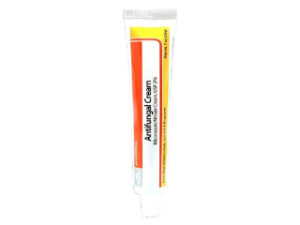
Ketoconazole
Ketoconazole is an antifungal medicine used to treat infections caused by fungi. It works by stopping the fungus from making essential components it needs to survive. This page provides practical, patient-friendly information about ketoconazole for use in Australia, including how it works, when it’s used, how to take it, interactions, safety considerations, and delivery/availability information from an online pharmacy.
Basic product information
| Information | Details |
|---|---|
| Generic name | Ketoconazole |
| Type | Antifungal (imideazole class) |
| Common forms | Tablets, creams, foams, and shampoos (availability varies) |
| Who it helps | People with fungal infections of skin, scalp, or (in some settings) internal fungal infections |
| Brand examples | Varies by manufacturer and product strength |
| Country context | In Australia, access and indications depend on local regulatory status and product type |
How ketoconazole works (mechanism of action)
Ketoconazole works by interfering with fungal cell production. Specifically, it inhibits enzymes involved in the synthesis of ergosterol, an important part of the fungal cell membrane. Without adequate ergosterol, the fungal cell membrane becomes unstable, and the fungus can’t grow or survive.
Depending on the site and severity of infection, ketoconazole may be used to reduce the fungal burden and allow the immune system and normal skin processes to recover.
Pharmacokinetics (how the body handles it)
“Pharmacokinetics” describes what happens to a medicine in the body—how it’s absorbed, distributed, metabolised, and eliminated. Ketoconazole pharmacokinetics differ depending on whether it’s taken by mouth (tablets) or applied to skin/scalp (creams/shampoo/foam).
Oral (tablets) – key points
- Absorption: Ketoconazole tablets require an acidic stomach environment for best absorption. This means certain medicines that reduce stomach acid can significantly lower absorption.
- Metabolism: Ketoconazole is primarily metabolised by liver enzymes.
- Elimination: The body clears ketoconazole and its metabolites through normal metabolic and excretion pathways. Liver function is important for safe handling.
Topical (skin/scalp) – key points
- Absorption: Topical ketoconazole generally produces much lower blood levels than oral tablets. Systemic side effects are therefore less common, but can still occur in some circumstances (for example, when used over large areas or under occlusion).
- Local action: The medicine concentrates where it’s applied to target the fungal infection directly.
Typical uses in practice
The uses of ketoconazole depend strongly on the product type and local regulatory recommendations in Australia. Common practical uses include treating fungal overgrowth affecting skin and scalp, and certain fungal infections in specific clinical situations.
Common indications (often product-dependent)
- Tinea (ringworm) and other dermatophyte infections—depending on site and severity.
- Severe or recurrent fungal skin infections when advised by a healthcare professional.
- Seborrhoeic dermatitis (e.g., flaky scalp, dandruff) with ketoconazole shampoo or cream.
- Other yeast-related skin conditions such as pityriasis versicolor (often called “tinea versicolor”)—typically with topical therapy.
- Certain internal fungal infections—this is more commonly associated with oral use and specialist guidance.
If you’re unsure which ketoconazole product type is appropriate for your condition, review the product label and consider speaking with a qualified healthcare professional. In online pharmacy settings, prompts may ask you to confirm the condition and current medications for safety.
How and when to take or apply ketoconazole
The “right timing” depends on the dosage form and your infection type. Always follow the instructions provided with your specific product.
Oral ketoconazole tablets – timing essentials
- Stomach acidity matters: For oral tablets, absorption can be reduced by low stomach acid. Take note of advice regarding acid-reducing medicines (see interactions below).
- Consistency helps: Take doses at the same times each day if prescribed.
- Course completion: Continue for the duration advised, even if symptoms improve early. Stopping too soon can allow fungal growth to return.
Topical ketoconazole cream/foam/shampoo – timing essentials
- Scalp (shampoo): Many regimens involve washing with the shampoo, leaving it on briefly, then rinsing. Use frequency is typically described on the product instructions (commonly weekly or several times per week initially).
- Skin (cream/foam): Apply to clean, dry skin. You may be advised to continue for a short period after symptoms settle to help prevent relapse.
- Hands and hygiene: Wash hands after application unless your hands are the treated area.
- Skin care: Use gentle cleansers; avoid harsh scrubbing that can irritate affected areas.
Food interactions
Food can affect how ketoconazole tablets are absorbed because stomach acidity plays a role in absorption. Topical products usually have minimal food-related effects.
Oral tablets
- Stomach acid is crucial: Medicines that reduce stomach acid (such as some antacids and acid blockers) may significantly affect ketoconazole absorption.
- Follow label guidance: Product instructions may include advice on taking with or without food. If instructions are not clear, ask your pharmacist for specific advice based on the brand you have.
Topical products
- No significant food interactions: For most topical users, food does not meaningfully affect results because systemic absorption is low.
Alcohol interactions
Alcohol does not always have a direct “mechanism” interaction with ketoconazole, but caution is important—especially with oral ketoconazole. Ketoconazole is metabolised in the liver, and alcohol can add extra strain.
- Oral ketoconazole: It’s generally wise to minimise alcohol intake and seek advice if you drink regularly or have liver-related risk factors.
- Topical ketoconazole: Less systemic exposure usually means alcohol has less relevance, but follow general safety guidance.
Medicine interactions (important)
Drug interactions can be clinically significant with ketoconazole, particularly oral ketoconazole. This is because ketoconazole can affect liver enzymes and because its absorption depends on stomach acid.
Common interaction themes
- Stomach acid reducers: Proton pump inhibitors (PPIs) and some acid blockers/antacids may reduce absorption of oral ketoconazole.
- Liver enzyme interactions: Some medicines can alter the metabolism of ketoconazole or raise the risk of side effects by changing levels.
- QT prolongation risk (some medicines): Ketoconazole may interact with certain medicines that affect heart rhythm. This is particularly relevant when ketoconazole is taken orally.
Before using ketoconazole, review all medicines you take, including:
- Prescription medicines
- Over-the-counter medicines
- Herbal products and supplements
- Antacids, PPIs, and other stomach medicines
If you’re using ketoconazole as part of self-care, consider asking your pharmacist whether any of your current medicines could interact—especially if you take several medications.
Dosing overview (general information)
Dosing varies by the product (tablet vs cream vs shampoo), strength, and infection type. The safest approach is to follow the instructions on the exact product you’re buying and any guidance provided by a healthcare professional.
Oral dosing – general concept
- Oral dosing is typically daily for a defined treatment course, which depends on the infection.
- Liver considerations: Oral ketoconazole requires extra caution in people with liver conditions. Dosing adjustments or alternative therapy may be recommended.
Topical dosing – general concept
- Cream/foam: Usually applied once or twice daily to the affected area (depending on product instructions).
- Shampoo: Used multiple times per week initially, then less frequently for maintenance if advised. Leave-on time may be specified.
Tip: For skin infections, applying an appropriate amount to cover the affected area (and a small margin around it) can improve outcomes. Avoid over-application, which can increase irritation.
Safety profile and when to seek help
Like all medicines, ketoconazole can cause side effects. Many people tolerate topical ketoconazole well, while oral ketoconazole has a higher risk of systemic effects. Your safety depends on the product type, dose, duration, and your individual risk factors (especially liver health).
Common side effects
- Topical: Mild skin irritation, redness, dryness, itching, or a burning sensation at the application site.
- Oral: Nausea, stomach discomfort, headache, or taste changes may occur.
Serious side effects – get urgent medical advice
Seek prompt medical attention if you develop symptoms that may indicate liver problems or an allergic reaction. Examples include:
- Yellowing of the skin/eyes (jaundice)
- Dark urine
- Severe or persistent nausea/vomiting or loss of appetite
- Severe fatigue or pain in the upper abdomen
- Rash, swelling, wheezing, or trouble breathing (possible allergy)
Who should be extra cautious
- People with a history of liver disease or abnormal liver function tests.
- People taking multiple medicines (higher interaction potential).
- Pregnancy or breastfeeding: product choice and safety vary by condition and form. Check local product advice and ask a pharmacist.
- Children: use depends on age, condition, and product form; always follow product-specific guidance.
Liver safety note (important for oral ketoconazole)
Oral ketoconazole has been associated with rare but serious liver injury. If you are using oral ketoconazole, your healthcare provider may recommend baseline and/or follow-up liver monitoring depending on your risk. Avoid alcohol and avoid starting new medicines without checking interactions.
Practical use tips (help your treatment work)
Make sure you’re treating the right fungus
Fungal infections can look similar to eczema, psoriasis, or bacterial skin infections. If symptoms don’t improve within the expected timeframe, or if they worsen, seek medical advice.
Topical application technique
- Clean and dry the area before applying.
- Apply as directed to the affected area and surrounding skin if recommended.
- Avoid bandaging too tightly unless advised.
- Change towels and wash bedding regularly if the infection is on the body.
Scalp shampoo technique (dandruff/seborrhoeic dermatitis)
- Wet hair thoroughly, apply shampoo to the scalp, and massage gently.
- Follow the recommended leave-on time before rinsing.
- Use consistently for the initial period so the treatment can build effect.
- Some patients need maintenance use to prevent relapse.
Complete the course
Fungal symptoms can improve before the infection is fully cleared. Completing the course reduces the chance of recurrence.
When to stop and get help
- Severe irritation or swelling after application.
- Signs of allergy (hives, facial swelling, breathing difficulty).
- New yellowing of eyes/skin or other liver-related symptoms (especially for oral use).
- No improvement after an appropriate trial period as described by product instructions.
Alternative options
Alternatives depend on the type of fungal infection and severity. A clinician or pharmacist may select a different antifungal if ketoconazole is unsuitable due to interactions, intolerance, or local resistance patterns.
Common alternatives for fungal skin/scalp conditions
- Clotrimazole (commonly creams/solutions for skin)
- Miconazole (topical for certain fungal skin conditions)
- Terbinafine (often effective for dermatophyte infections)
- Ciclopirox (topical options for certain scalp/skin conditions)
- Selenium sulfide (for dandruff/seborrhoeic dermatitis, depending on product availability)
Oral alternatives (in some clinical settings)
For certain internal infections, other systemic antifungals may be used instead of oral ketoconazole depending on safety, drug interactions, and the type of fungus. Examples may include itraconazole or fluconazole (choice depends on indication and interaction profile).
If you’re considering switching products, ask a pharmacist—some antifungals overlap in use but are not interchangeable without considering timing and interactions.
Australia market and legal context (what to expect)
In Australia, availability of ketoconazole products varies by formulation. Regulatory status, indications, and prescribing requirements can differ between:
- Oral tablets versus topical creams/shampoos/foams
- Strength and formulation of the product
- The intended fungal condition
Online pharmacies in Australia typically follow regulatory requirements for supply, including identity and health checks. Product pages may ask about:
- Current medications
- Allergies
- Past liver problems (especially relevant to oral ketoconazole)
- Pregnancy or breastfeeding status where relevant
- Symptoms and treatment history
Recent guidance and practical updates
Antifungal prescribing and dispensing guidance in Australia has evolved internationally to emphasise safety—particularly concerning the liver risks associated with oral ketoconazole. For patients, this means:
- Oral ketoconazole may be limited to specific circumstances based on risk-benefit and available alternatives.
- More attention may be given to identifying interacting medicines before use.
- Patients using oral ketoconazole are often advised to watch for liver-related symptoms and seek timely advice if they occur.
Always check the instructions and safety information included with your product and consult a healthcare professional for personalised advice.
Delivery and availability (online pharmacy information)
Availability of ketoconazole varies by product type and brand. When you order online, you may see:
- In-stock items for common topical products (e.g., shampoos/creams) depending on demand.
- Dispatch times that differ by warehouse location and product size.
- Packaging and labelling that match Australian product standards.
At checkout, you may be asked to confirm relevant health details to support safe supply in Australia. After dispatch, you’ll typically receive tracking or delivery updates.
What to store
- Store at room temperature unless the label says otherwise.
- Keep out of reach of children.
- Check expiry date before use and avoid using expired products.
FAQ about ketoconazole
1) Is ketoconazole safe to use for dandruff?
Ketoconazole shampoos are commonly used for dandruff and seborrhoeic dermatitis. Side effects are usually mild (such as scalp dryness or irritation). If you develop severe irritation or no improvement after the expected timeframe, seek advice.
2) How long does ketoconazole take to work?
Many people notice improvement within days, but complete resolution can take longer depending on the infection and product type. Continue as directed and complete the full course. If there’s little or no improvement, consider medical review.
3) Can I use ketoconazole with other skincare products?
Generally, you can use moisturisers and gentle cleansers, but avoid combining many strong products (especially exfoliants or harsh antiseptics) on the same area unless advised. If your skin becomes irritated, simplify your routine and speak with a pharmacist.
4) Are there foods I should avoid?
Food interactions are mainly relevant for oral tablets due to absorption requiring stomach acidity. Topical products generally don’t have food-related interactions. Follow the instructions for your specific product.
5) Can I drink alcohol while using ketoconazole?
Alcohol is especially important to consider with oral ketoconazole due to liver metabolism. It’s safest to minimise alcohol and seek advice if you drink regularly or have liver risk factors.
6) What medicines commonly interact with oral ketoconazole?
Stomach acid reducers and certain medicines that affect liver enzymes and heart rhythm can interact. Because your medication list matters, check with a pharmacist and ensure your full list of medicines (including herbal products and antacids) is reviewed.
7) What should I do if I miss a dose?
If you miss a dose, take it when you remember unless it’s close to your next dose. Do not double up. For topical products, simply resume your usual application schedule. If you’re unsure, ask a pharmacist for guidance based on your product instructions.
8) Can ketoconazole be used on children?
Some ketoconazole products may be suitable for children depending on age and condition, but dosing and product choice are important. Check the product label and ask a pharmacist for advice.
9) When should I seek medical help urgently?
Urgent advice is needed if you experience signs of allergic reaction (swelling, hives, breathing difficulty) or symptoms that may indicate liver problems (yellowing skin/eyes, dark urine, severe fatigue, severe stomach symptoms), particularly if using oral ketoconazole.
10) Are there alternatives if ketoconazole doesn’t work for me?
Yes. Alternatives may include other antifungals (such as terbinafine, clotrimazole, miconazole) or different shampoo formulations for scalp conditions. A healthcare professional can help confirm the diagnosis and choose the most suitable option.
Summary
Ketoconazole is an antifungal medicine that helps treat fungal infections of skin and scalp and, in selected circumstances, internal fungal infections. Topical forms are often used for conditions such as seborrhoeic dermatitis and other superficial fungal problems. If using oral ketoconazole, safety considerations—especially liver risk and interactions—require extra care. Always follow product instructions, complete the course, and seek advice if symptoms do not improve or if you notice any concerning side effects.