Miconazole (Antifungal Medicine) – Patient Guide (Australia)
Miconazole is an antifungal medicine used to treat infections caused by fungi (including yeast and dermatophytes). It is available in several forms in Australia, most commonly as creams, gels, sprays, and vaginal products (depending on brand and strength). This guide explains how miconazole works, how to use it safely, what to expect, and when to seek further advice.
Basic product information
| Category | Details |
|---|---|
| Medicine | Miconazole |
| Type | Antifungal (imidazole) |
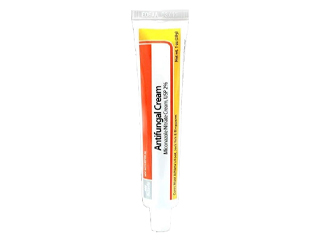
| Common formulations (examples) | Vaginal cream/ovule, dermatology cream, oral gel (where available), spray (where available) |
| Common strengths | Varies by product (follow the pack instructions) |
| Typical use | Skin fungal infections and vaginal thrush; some forms used for oral thrush |
| Where to buy | Available from pharmacies and selected online retailers in Australia |
Important: Different miconazole products are designed for different body sites and may have different dosing schedules. Always check the exact instructions on your specific brand and strength.
How miconazole works (mechanism of action)
Miconazole belongs to the imidazole class of antifungal medicines. It works by interfering with the production of essential fungal cell membrane components. In particular, it inhibits ergosterol synthesis, a key substance fungi need to maintain the structure and function of their cell membranes.
When ergosterol production is reduced, fungal cells become unstable and are unable to grow effectively or survive. Depending on the infection and the site, miconazole can act to slow fungal growth and help clear the infection.
Pharmacokinetics (absorption, distribution, metabolism, elimination)
Miconazole’s movement through the body depends on the formulation and the area being treated. Many miconazole products are used on the skin or locally in mucosal areas (such as the vagina or mouth). With local use, only small amounts may enter the bloodstream, but some absorption can occur.
- Topical (skin) use: Generally low systemic absorption, especially when used correctly and for a limited area.
- Vaginal use: Local action with limited systemic absorption; absorption may be greater with extensive inflammation.
- Oral gel (if available for oral thrush): Designed for local effect in the mouth; swallowing is usually limited.
In general, absorbed miconazole is metabolised by the liver and eliminated primarily through the body’s natural clearance pathways. Systemic effects are uncommon with properly used topical products, but drug interactions are still possible with certain medicines.
Typical indications (what miconazole is used for)
Indications depend on the product form. In Australia, miconazole is commonly used for:
- Vaginal candidiasis (thrush): Itching, burning, redness, soreness, and sometimes thick white discharge.
- Skin fungal infections: Examples include athlete’s foot (tinea pedis), ringworm (tinea corporis), jock itch (tinea cruris), and other susceptible fungal infections.
- Oral thrush: Some miconazole oral gels are used for yeast infection in the mouth (depending on product availability).
Note: Symptoms that mimic thrush or fungal skin infections can also occur with other conditions such as bacterial infections, dermatitis, or sexually transmitted infections. If symptoms are unusual, severe, recurrent, or not improving, seek clinical advice.
When to use it (timing and course length)
The timing depends on the product type. Many antifungals work best when used consistently for the full course, even if symptoms improve early.
- Skin infections: Often treated once or twice daily. Continue for the recommended duration, commonly at least 2–4 weeks depending on location and severity (follow your specific product label).
- Vaginal thrush: Often treated with a daily or night-time schedule for several days (or sometimes longer), depending on the formulation and brand.
- Oral thrush (oral gel products): Usually used multiple times daily for a set number of days.
Practical timing tip: Use it at a time you can maintain consistently (e.g., morning and evening for creams). If you forget a dose, apply/use it when you remember unless it’s near the time for your next dose—don’t double up.
Food interactions
For most miconazole products, food interactions are minimal because the medicine is used locally and systemic absorption is low. If you’re using a vaginal product, it has no meaningful interaction with food.
For oral products (such as an oral gel for thrush), food can affect how long the medicine remains in the mouth. To maximise contact time:
- Try to apply the gel and avoid eating immediately afterward (follow the product directions).
- Rinse your mouth gently only if the product instructions recommend it.
If you have any questions about your exact product and how to coordinate it with meals, consult your pharmacist.
Alcohol and medicine interactions
Alcohol: There are generally no direct interactions between alcohol and miconazole for local use. However, if you are unwell (e.g., oral thrush) or using other medicines, it may be safer to limit alcohol to avoid worsening irritation or dehydration.
Other medicines: Some drug interactions are clinically relevant, particularly when miconazole is absorbed systemically. Miconazole may interact with medicines that are metabolised by liver enzymes.
- Warfarin and other vitamin K antagonists: Miconazole may increase bleeding risk by affecting drug metabolism.
- Some oral diabetes medicines: Interactions may occur depending on the specific medicine.
- Some seizure medicines and other drugs: Interaction risk varies by medicine and formulation.
- Medicines affecting heart rhythm: Discuss if you’re taking complex regimens.
Always check: Tell a pharmacist about all medicines you’re using, including over-the-counter products, herbal preparations, and any recent changes.
Dosing and how to apply (general guidance)
Dosing depends on the site of infection and the specific miconazole product. Below are general patterns seen with antifungal products; follow your package instructions for exact frequency and duration.
For skin infections (cream/ointment, where appropriate)
- How much: Apply a thin layer to affected skin and a small margin around it.
- Frequency: Often once or twice daily.
- How long: Continue for the recommended course, typically 2–4 weeks or as directed, even if symptoms improve.
- Hygiene: Wash and dry the area before applying; wash hands after use (unless treating the hands).
For vaginal thrush (vaginal cream/ovule products)
- When to apply: Many regimens are used at night to reduce leakage.
- How much/which applicator: Use the amount and method specified on your pack.
- Course length: Follow the full schedule. If symptoms return quickly, speak with a healthcare professional.
- Condom advice: Some vaginal products may weaken latex condoms or diaphragms. Check the product leaflet for advice—use an alternative contraceptive method if instructed.
For oral thrush (oral gel products, where available)
- How to use: Apply to the affected areas in the mouth as directed.
- Frequency: Often multiple times daily.
- Practical step: Gently coat the plaques/white patches. Avoid eating or drinking right after applying if the label advises.
Safety profile (who should be careful)
Miconazole is generally well tolerated when used correctly on skin or locally. However, side effects can occur, and certain groups should seek advice before use.
Common side effects
- Local irritation: mild burning, redness, itching, or discomfort at the application site.
- Skin reactions: dryness or peeling where the product is applied.
- Vaginal symptoms (if using vaginal forms): local irritation, increased sensitivity, or mild discharge changes.
- Oral gel (if using oral forms): temporary taste disturbance or mouth irritation.
Stop and seek advice if
- You develop severe swelling, rash, hives, or trouble breathing (possible allergy).
- Symptoms worsen rapidly or you get intense pain.
- There is no improvement after the recommended period of use.
- Infection spreads, forms ulcers, or becomes associated with fever or significant illness.
Special populations
- Pregnancy and breastfeeding: Many local antifungal treatments are used during pregnancy and breastfeeding, but guidance can vary by product and stage of pregnancy. Ask a pharmacist for product-specific advice.
- Children: Age restrictions vary by formulation. Always follow the label and seek advice if unsure.
- People with immune suppression: If you are immunocompromised, recurrent thrush or persistent infections may require medical review.
Practical use tips (make treatment work better)
Antifungal medicines often work best when combined with good skin hygiene and habits that reduce moisture and friction. Consider these helpful tips:
- Keep the area clean and dry: Fungi thrive in warm, moist environments.
- Wear breathable clothing: Cotton underwear and loose-fitting clothes can help.
- Change underwear regularly: especially during sweating or hot weather.
- Don’t share towels: prevent reinfection.
- Finish the full course: symptoms may improve before the fungus is fully cleared.
- Separate treatment for feet and hands: if you treat one area, avoid spreading product/skin with unwashed hands.
- Address triggers: For skin infections, keep feet dry, change socks, and consider drying between toes.
- For thrush: avoid scented products and douches in the genital area.
Alternative options for fungal infections
Miconazole is one option among antifungal treatments. Depending on the infection site and severity, your pharmacist may discuss alternatives such as:
- Clotrimazole: another imidazole antifungal, commonly used for thrush and skin infections.
- Terbinafine: often used for certain dermatophyte skin infections, particularly athlete’s foot or ringworm.
- Nystatin: used for oral thrush in some situations and depending on availability.
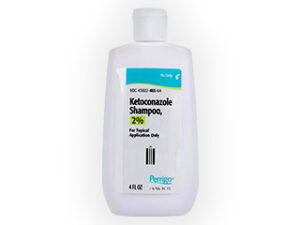
- Ketoconazole or other azoles: available in selected formulations and indications.
The best choice depends on the infection type, location, past response, and your tolerance of the product form (cream, gel, vaginal products). If your infection keeps returning or doesn’t improve, it’s worth discussing the diagnosis and options.
Delivery and availability in Australia
Miconazole products are generally available through pharmacies and online pharmacy services in Australia. Availability depends on:
- Brand and formulation: creams, sprays, gels, and vaginal products differ.
- Strength: each product has its own dosing instructions.
- Local stock levels: online retailers may display real-time availability.
When ordering online, confirm:
- The exact product you want (skin vs vaginal vs oral gel).
- Expiry date and storage instructions.
- Delivery timeframe and any shipping restrictions.
Storage: Keep in a cool, dry place and follow the pack instructions (some products may have specific temperature guidance).
Market and legal context (Australia) & recent guidance
In Australia, antifungal medicines are supplied under regulations that distinguish between consumer medicine access pathways. Availability and labelling may vary by formulation and strength, including whether a pharmacist provides counselling or additional checks.
Recent clinical approach: For suspected vaginal thrush and uncomplicated skin fungal infections, pharmacists and guidelines commonly emphasise:
- Using local antifungal treatment consistently for the correct duration
- Reviewing diagnosis if symptoms are persistent, recurrent, or atypical
- Considering contributing factors such as moisture, irritants, antibiotic use, diabetes, and immune status
- Supporting patient safety with screening for red flags (e.g., severe pain, fever, pregnancy concerns, or first-time symptoms)
Australia’s medicines regulation is supported by the Therapeutic Goods Administration (TGA) and relevant pharmacy practice. For up-to-date information about individual products, you can also refer to the consumer medicine information (CMI) provided with your purchase.
What to do if symptoms don’t improve
Antifungals usually lead to symptom improvement within a few days, but complete clearance can take longer. Seek further advice if:
- Your symptoms do not improve after the recommended treatment period
- Symptoms return soon after finishing the course
- You suspect a different condition (for example, bacterial infection, dermatitis, or another cause of discharge/itch)
- You have multiple infections or widespread involvement
Alcohol, sex, and lifestyle considerations
For many people, there are no special alcohol restrictions with miconazole local treatment. For vaginal products, there may be additional guidance about sexual activity and condom use.
- Vaginal thrush: follow product instructions regarding sexual intercourse and barriers. If condoms or diaphragms may be affected, consider a non-latex alternative if advised.
- Avoid irritants: scented washes, soaps, and douches can worsen irritation and make symptoms harder to settle.
- Hygiene: wash hands before and after use to prevent spreading to other body areas.
Frequently Asked Questions (FAQ)
1) How long will it take for miconazole to work?
Many people notice symptom improvement within a few days. However, complete clearing of the fungus can take longer. Use the medicine for the full course stated on the product label.
2) Can I use miconazole if I’m pregnant or breastfeeding?
Some local antifungal treatments are commonly used during pregnancy and breastfeeding, but the best option depends on the product and timing. Check the product leaflet and ask your pharmacist for advice tailored to your situation.
3) Is miconazole safe for children?
Age eligibility varies by brand and formulation. Always follow the age guidance on the pack and seek pharmacy advice if the patient is a child.
4) What should I do if I forget a dose?
Apply/use it when you remember unless it is close to the next scheduled dose. Do not double up. If you’re unsure, ask a pharmacist.
5) Can miconazole be used with other creams or medicines?
Sometimes multiple products are used for skin conditions, but it’s best to avoid overlapping applications unless advised. If you’re using corticosteroids, moisturisers, or other antifungals, discuss timing and suitability with your pharmacist.
6) Will miconazole stain clothes or bedding?
Some creams and vaginal products can stain fabrics. Consider using protective liners or clothing you don’t mind potentially staining, particularly during vaginal treatment.
7) Do I need to treat a partner for thrush?
In many cases of uncomplicated vaginal thrush, routine partner treatment is not required. However, recurrent or complicated cases may merit further advice. A pharmacist or clinician can guide you based on your symptoms and history.
8) My rash is itchy and red—how do I know it’s fungal?
Itching and redness can happen with fungal infections but also with eczema, irritation, or other causes. If this is your first episode, symptoms are severe, or treatment fails, getting a proper assessment helps ensure correct management.
9) Are there any interactions with common medicines like pain relievers?
Local miconazole is less likely to interact with many everyday pain relievers, but interactions depend on the exact product and your other medicines. If you take medicines long-term (especially blood thinners), ask a pharmacist for specific advice.
10) When should I seek urgent help?
Seek urgent medical help if you have signs of a serious allergic reaction (swelling of face/lips, difficulty breathing), severe pain, rapidly spreading redness, fever, or if you feel very unwell.
Summary
Miconazole is an antifungal medicine used to treat infections caused by fungi, including vaginal thrush and common skin fungal infections. It works by disrupting fungal cell membrane formation and is generally well tolerated when used according to the product label. Consistent application for the full recommended course, good hygiene, and attention to contributing factors help improve the chance of full clearance.
If you’re unsure which miconazole product is suitable for your symptoms, or if your infection does not improve, speak with a pharmacist for guidance.