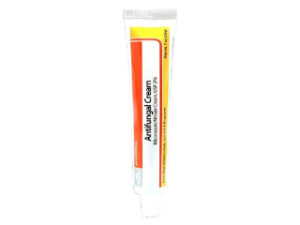
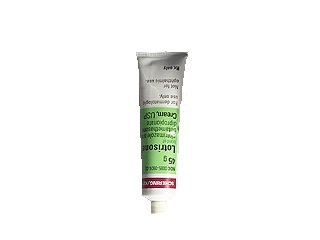
Lotrisone® (Betamethasone / Clotrimazole) Cream
Lotrisone® is a combination medicine used on the skin for certain fungal infections where inflammation and itching are also present. It contains two active ingredients:
- Betamethasone (a corticosteroid to reduce inflammation)
- Clotrimazole (an antifungal that helps stop fungal growth)
This guide explains how Lotrisone works, when it is typically used, how to apply it safely, and what to know about side effects and interactions—written with an Australian audience in mind.
Quick product information
| Feature | Details |
|---|---|
| Brand name | Lotrisone® |
| Active ingredients | Betamethasone + Clotrimazole |
| Medicine type | Topical (on-skin) antifungal + corticosteroid combination |
| Common forms | Cream (availability may vary by product listing) |
| Where it’s used | Selected fungal skin infections with inflammation (commonly skin fold areas) |
| Key benefits | Helps treat fungus and reduces redness, swelling, itching, and irritation |
How Lotrisone works (mechanism of action)
Lotrisone contains two medicines that work together:
- Clotrimazole (antifungal): It blocks an important step in fungal cell membrane production. This disrupts the fungus’s ability to grow and multiply, helping clear the infection.
- Betamethasone (corticosteroid): It reduces inflammation by calming the immune response in the skin. This can rapidly ease symptoms such as redness, itching, burning, and swelling.
Important: While the steroid component can relieve discomfort quickly, the antifungal component is what treats the underlying fungal cause. Using the medicine for the right duration helps reduce the chance of recurrence.
Pharmacokinetics (what happens in the body)
Lotrisone is applied to the skin. Because it is topical, only small amounts are expected to be absorbed into the bloodstream in most people, especially when used as directed on limited areas. Absorption can increase if:
- Large areas are treated
- The skin is broken or inflamed
- It is used under occlusion (e.g., covered tightly with dressings)
- Used for prolonged periods
- Used in children, where skin is more permeable
Once absorbed, corticosteroids may undergo metabolism mainly in the liver and are eliminated via kidneys and other pathways. Clotrimazole also undergoes metabolism in the body after absorption. In practice, systemic exposure is usually low when used appropriately on intact skin.
What it’s typically used for (indications)
Lotrisone is commonly used for fungal infections of the skin where there is also significant inflammation. Typical examples include certain forms of:
- Fungal infections in skin folds (e.g., groin/inner thighs, under breasts, or similar areas)
- Ringworm-related rashes when fungal infection and inflammation are both present
Your pharmacist or doctor can confirm whether Lotrisone is appropriate for your specific condition. Combination steroid/antifungal products may be inappropriate for some rashes that are not fungal, or where steroid use could make infections worse.
Do not use this type of combination unless you are treating a suspected/confirmed fungal skin infection with inflammation.
When to start and timing of use
In general, you should begin application when you first notice symptoms consistent with a fungal rash and when a clinician/pharmacist indicates Lotrisone is suitable. Improvement should typically be seen within the first few days (particularly in itching and redness), but full clearance may take longer.
- Early symptom relief: itching and redness may improve quickly due to the betamethasone component.
- Fungal clearance: continue application for the full recommended course.
- If symptoms worsen or do not improve: seek advice. Some rashes require different treatment, and steroids may mask symptoms while the underlying condition persists.
Timing can vary based on the affected area and severity. Always follow the directions on the pack or as advised by a healthcare professional.
Dosing and how to apply
Dosing depends on the product strength, the area being treated, and your clinical situation. The safest approach is to follow the directions on the packaging or those given by a clinician/pharmacist.
General application principles
- Clean and dry: wash the affected area gently, pat dry, and apply to clean skin.
- Thin layer: apply a thin film to the affected skin and, if instructed, a small margin around it.
- Wash hands: after application, wash your hands unless the hands are the treated area.
- Avoid broken skin and eyes: do not apply to the eyes, inside the mouth, or directly on open wounds.
- Frequency: typically applied once or twice daily depending on local directions—confirm with the product label.
Duration of treatment
Because betamethasone is a potent corticosteroid, it should generally be used for the shortest effective duration. Prolonged use increases the risk of steroid-related skin thinning and other side effects.
If there is no clear improvement after a short course, or if the rash returns soon after stopping, get medical advice.
Special care areas: The face, genitals, and skin folds require careful judgement. If these areas are involved, talk to a clinician/pharmacist first.
Food interactions
Lotrisone is applied to the skin. It is not associated with meaningful food interactions for most people, because systemic absorption is usually low when used as directed.
If you have concerns due to extensive use or other medical conditions, ask your pharmacist for advice.
Alcohol and medicine interactions
There are no well-established direct interactions between topical Lotrisone and alcohol. However, some people may experience skin irritation and dryness that could be affected by overall lifestyle factors.
For medicine interactions, the main concern is additive steroid effects if you are also using other steroid-containing products. Tell your pharmacist if you are using:
- Another topical corticosteroid
- Other antifungal creams (especially if the same area is covered)
- Medicines that affect the immune system
- Any treatment used on large body surfaces
If you are pregnant, breastfeeding, or treating a child, it’s especially important to check appropriateness and duration.
Safety profile and possible side effects
Like all medicines, Lotrisone can cause side effects. Most people tolerate it well when used properly for the recommended duration. Side effects may be more likely if used over large areas, under occlusive dressings, or for longer than advised.
Common skin reactions
- Burning or stinging sensation
- Redness or mild irritation
- Dryness or itching at the application site
Signs to stop and seek advice promptly
- Marked worsening of the rash
- Rash spread beyond the treated area
- Severe burning, swelling, or blistering
- Development of pus, crusting, or signs of skin infection
Potential steroid-related effects
Because it contains betamethasone, long-term or excessive use can cause changes such as:
- Skin thinning (atrophy)
- Stretch marks (striae)
- Visible small blood vessels
- Perioral dermatitis or acne-like changes
- Rebound flare when stopping after prolonged use
Risk is higher on thin skin areas (face, groin), in children, and when occluded.
When extra caution is needed
- Children: use only under professional guidance; steroid absorption risk is higher.
- Pregnancy and breastfeeding: discuss with a healthcare professional; avoid use on large areas and do not apply to nipples before feeding.
- Diabetes or poor circulation: fungal infections may be harder to clear; seek advice.
- Immunosuppression: ensure diagnosis and treatment plan are appropriate.
Practical tips for better results
- Keep the area dry: fungi thrive in warm, moist environments. Change underwear frequently and dry thoroughly after bathing.
- Use separate towels: avoid sharing towels and wash them regularly.
- Wear breathable clothing: loose-fitting cotton can help reduce irritation.
- Don’t cover with tight dressings: occlusion can increase absorption and steroid risk.
- Continue the course: stop only when advised or when the pack directions indicate the end of therapy.
- Avoid scratching: it can spread infection and increase irritation.
If you suspect infection may be spreading (e.g., from athlete’s foot to groin), it may be necessary to treat multiple sites appropriately. Always seek guidance rather than using multiple products at once without advice.
Alternative options (depending on the cause)
The best alternative depends on the rash type and how inflamed it is. If fungal infection is confirmed, antifungal-only options may be considered in some cases. If the rash is not fungal, antifungals and steroid combinations may be unsuitable.
Possible alternatives
- Antifungal creams alone: for uncomplicated fungal infections without significant inflammation.
- Antifungal powders: for moisture-prone areas (used appropriately for fungal rashes in skin folds).
- Different steroid strengths: if inflammation is present but steroid needs differ, a clinician may choose a safer option.
- Prescription-directed treatments: for persistent or recurrent infections, culture testing or systemic therapy may be required.
If you’re unsure whether your rash is fungal, consider getting a pharmacist/clinician to review it—diagnosis matters, because steroids can mask other conditions.
Lotrisone in the Australian market & legal context
In Australia, access to medicines is regulated under the national medicines scheduling framework. Combination products containing a corticosteroid and an antifungal may be available depending on formulation strength and regulatory classification.
Online pharmacies in Australia typically verify that you can access the product according to its classification, and may provide guidance on:
- Correct indication and suitability
- Appropriate duration of use
- Who should avoid it (e.g., certain age groups, specific skin conditions)
- Red flags that require in-person review
Product availability can vary by brand supply, formulation (e.g., tube/strength), and state/territory distribution.
Recent guidance and practical considerations
Clinical practice guidelines consistently emphasise the importance of:
- Confirming the diagnosis (fungal vs. non-fungal rash)
- Limiting steroid use to the shortest effective duration
- Recognising steroid-related risks (especially on face, genitals, skin folds, and in children)
- Monitoring response—if symptoms don’t improve promptly, reassessment is needed
In Australia, pharmacists and clinicians also commonly stress hygiene and drying measures to reduce recurrence in skin-fold and moisture-related fungal conditions.
Delivery and availability (Australia)
Lotrisone may be available through registered online pharmacies for delivery Australia-wide, depending on local stock and regulatory classification. Delivery times vary based on location, courier service, and stock availability.
- Availability: stock levels can change—if temporarily unavailable, some pharmacies offer restock alerts.
- Packaging: medicines are typically supplied in tamper-evident packaging with product information included.
- Cold chain: most topical creams do not require refrigeration.
- Check the label: confirm the strength and formulation before use.
If you’re ordering multiple items (e.g., antifungals for different body sites), consider asking a pharmacist to confirm a compatible regimen.
Frequently asked questions (FAQ)
1) What is Lotrisone used for?
Lotrisone is used for certain fungal skin infections where there is also inflammation such as redness, itching, and irritation.
2) How quickly should I see improvement?
Many people notice reduced itching and redness within a few days. Full clearance of the fungal infection may take longer. If there is no improvement after a short course (or symptoms worsen), seek advice.
3) Can I use Lotrisone on the face or groin?
These are sensitive areas. Because the product contains a potent corticosteroid, use on the face and groin should be approached carefully and ideally with guidance from a pharmacist or clinician. Avoid using on large areas or for extended periods in sensitive regions.
4) Should I stop when symptoms improve?
Often it’s best to follow the full recommended course to reduce the chance of recurrence. If you stop too early, the fungus can persist. If you’re unsure about the duration for your specific condition, ask a pharmacist.
5) Is it safe to use under a bandage?
Avoid tight or occlusive dressings unless specifically instructed. Occlusion can increase steroid absorption and side effects.
6) What if my rash keeps coming back?
Recurrence may occur if the fungus isn’t fully treated, if moisture isn’t controlled, or if the rash is actually a different condition. Consider lifestyle steps (drying, breathable clothing) and seek assessment for persistent or recurring symptoms.
7) Can I use Lotrisone with other creams?
It may not be appropriate to layer multiple creams on the same area. Some combinations can irritate the skin or interfere with treatment. Ask a pharmacist if you’re using other topical medicines.
8) Is there any food interaction?
Because Lotrisone is applied to the skin, it’s not generally associated with food interactions.
9) Can I drink alcohol while using it?
No direct interaction is commonly expected with topical Lotrisone and alcohol. However, if you notice increased irritation, discontinue and seek advice.
10) When should I get medical help urgently?
Get urgent advice if you develop rapidly spreading redness, severe pain, blistering, pus, fever, or signs of an allergic reaction (e.g., swelling of face/lips, breathing difficulty).
Summary
Lotrisone® (betamethasone/clotrimazole) is a topical combination medicine designed to treat certain fungal skin infections and reduce inflammation. It is most helpful when there is both fungus and noticeable redness/itching/swelling. For the best outcomes, apply a thin layer to clean, dry skin, avoid occlusion, and follow the recommended duration—especially because steroid-containing products should not be used longer than necessary.