Spiriva (Tiotropium Bromide) – Patient Information (Australia)
Spiriva is a long-acting inhaled medicine containing tiotropium bromide. It helps to keep airways open and makes breathing easier for people living with chronic lung conditions, most commonly chronic obstructive pulmonary disease (COPD) and asthma (in selected patients, depending on product type and clinical assessment).
This guide is written for patients and aims to explain what Spiriva is, how it works, how to use it properly, and what to consider for safety and everyday life. Always follow the instructions from your healthcare professional and the directions provided with your specific Spiriva device.
Basic product information
- Active ingredient: Tiotropium bromide
- Medicine type: Long-acting antimuscarinic (anticholinergic) inhaler
- Common uses: COPD maintenance; asthma maintenance (for eligible patients)
- How it is taken: Inhalation via an inhaler device (availability may vary by country and product format)
- Brand name: Spiriva
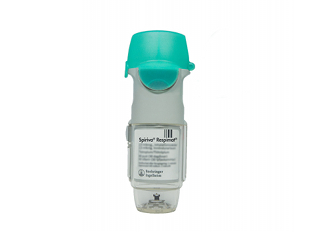
In Australia, Spiriva is supplied in different inhaler forms (for example, Spiriva Respimat or Spiriva HandiHaler). Your exact dose and device instructions depend on the formulation you have been prescribed or supplied.
How Spiriva works (mechanism of action)
Spiriva contains tiotropium bromide, which belongs to a group called antimuscarinics (also known as anticholinergics). In the airways, the body releases a natural chemical called acetylcholine. Acetylcholine can cause airway muscles to tighten and can increase mucus.
Tiotropium blocks muscarinic receptors (especially the M3 receptors) in the airways. This leads to:
- Relaxation of bronchial smooth muscle (helps keep airways open)
- Reduced airway constriction
- Less mucus-related airway narrowing (contributes to improved airflow)
Because tiotropium is long-acting, it is used as a maintenance medicine to control symptoms over time rather than for immediate relief of sudden breathlessness.
Pharmacokinetics (how the body handles it)
Pharmacokinetics describes how a medicine is absorbed, distributed, metabolised, and eliminated. For inhaled tiotropium, most drug effect occurs directly in the lungs.
Absorption
- Tiotropium is inhaled and deposits mainly in the lungs.
- Only a portion reaches the systemic circulation; the rest remains in the airways to provide local bronchodilation.
Distribution
- After absorption, tiotropium distributes to body tissues.
- It has a high affinity for muscarinic receptors, contributing to prolonged action in the airways.
Metabolism
- Tiotropium is not extensively metabolised in the body.
Elimination
- Tiotropium is primarily eliminated via the kidneys.
- In people with reduced kidney function, exposure may be higher—this is relevant to safety planning.
Your clinician may consider kidney function when choosing the appropriate dose or device.
Typical use in Australia
Spiriva is used to manage symptoms and improve breathing in chronic lung disease. Depending on the specific Spiriva product and your condition, it may be used:
COPD
- Maintenance treatment to help prevent worsening of symptoms.
- To improve lung function and reduce breathlessness.
- To help reduce exacerbations (flare-ups) in some patients as part of overall COPD management.
Asthma
- For certain patients with persistent symptoms where a long-acting bronchodilator approach is appropriate.
- Used alongside other asthma medicines when clinically indicated.
Spiriva is not intended to replace quick-relief medicines for sudden attacks (for example, a short-acting reliever inhaler).
Timing and dosing – what patients usually need to know
Dosing depends on the Spiriva type and device. Commonly, tiotropium inhalers are taken once daily. However, the exact number of puffs or inhalations and the technique differ between products.
Always use the dose described on your product label and the instructions you received. If you are unsure, check with your pharmacist or healthcare professional.
General timing tips
- Take it at the same time each day to maintain steady medicine levels.
- If you miss a dose, follow the advice on the medicine label or your clinician/pharmacist. Many inhaler instructions recommend taking it when remembered unless it is close to the next dose—then skip the missed dose.
- Do not double dose to make up for a missed dose.
Dosing overview (table)
The table below provides an at-a-glance summary. For your specific product, confirm the exact dose with your packaging or pharmacist.
| Condition | Typical role | Common dosing pattern | Notes |
|---|---|---|---|
| COPD | Long-term maintenance bronchodilator | Often once daily (depending on product) | Used to improve airflow and reduce symptoms over time. |
| Asthma (selected patients) | Add-on maintenance bronchodilator | Often once daily (depending on product) | Used alongside controller medicines when clinically indicated. |
Food interactions
Because Spiriva is inhaled and works mainly in the lungs, food interactions are not usually expected. Tiotropium is not typically affected by what you eat.
However, some general inhaler tips still matter:
- If you experience nausea or stomach discomfort, try taking your inhaler at a time you feel more comfortable.
- Maintain good hydration if you have COPD and are prone to thick mucus.
Alcohol and medicine interactions
Alcohol is not known to directly interact with tiotropium in a typical way. Still, alcohol can affect breathing, sleep, dehydration, and judgement—factors that can worsen symptoms in some people with COPD or asthma.
If you choose to drink alcohol:
- Start with small amounts and see how you feel.
- Avoid drinking if it triggers breathlessness, coughing, or dizziness.
- Be cautious if you also use medicines that can cause drowsiness (for example, some cough medicines or sedatives).
Other medicine interactions to consider
Spiriva can have additive effects with other medicines that affect breathing. Particularly important considerations include:
- Other antimuscarinics (or “anticholinergic” inhalers/medicines): combining may increase the risk of anticholinergic side effects such as dry mouth or urinary difficulties.
- Inhaled bronchodilators (such as beta-agonists): these are often used together in COPD; this is a common part of COPD regimens. Your prescriber will decide the safest combination for you.
- Medicines that affect the urinary system or cause urinary retention: may increase urinary-related side effects.
- Kidney impairment: because tiotropium is eliminated mainly through the kidneys, medication decisions may need to consider kidney function.
Tell your healthcare professional about all medicines you use, including inhalers, tablets, eye drops, and herbal products.
Indications (when Spiriva is used)
Spiriva is indicated for:
- Chronic Obstructive Pulmonary Disease (COPD): maintenance treatment to relieve symptoms and reduce exacerbations in appropriate patients.
- Asthma: as an add-on long-acting bronchodilator for selected patients under clinical guidance.
Indications can depend on which Spiriva inhaler device you have, and on local regulatory updates. Your pharmacist can help confirm the specific product’s approved use in Australia.
Practical use tips – getting the best results
The effectiveness of inhaled medicines depends heavily on correct technique. If your dose is not delivered effectively to the lungs, benefits may be reduced.
General technique guidance
- Read the device instructions that come with your specific Spiriva inhaler.
- Check the dose counter (if your device includes one).
- Keep the device clean and dry.
- Do not shake unless your specific device instruction says to.
- Use the inhaler at the right time each day and breathe out gently before starting the inhalation if instructed.
When to expect benefit
- Some people notice symptom improvement within days.
- Maximum effect may take longer as treatment becomes established.
- Continue your maintenance inhaler even if you feel “mostly okay,” unless your clinician tells you to stop.
Rinse and mouth care
Unlike steroid inhalers, Spiriva does not typically require mouth rinsing to prevent thrush. However, if your routine includes inhaled corticosteroids, you should follow that product’s mouth-care instructions.
Use with other inhalers
- If you also use a short-acting reliever inhaler for sudden breathlessness, use it when needed as directed.
- Many COPD regimens involve multiple inhalers. Your healthcare professional should specify the order and timing.
Signs you may need technique support
Consider asking your pharmacist or practice nurse to review your inhaler technique if:
- Your symptoms are not improving as expected.
- You often feel like the medicine “misses” or tastes unusual.
- You have frequent flare-ups or worsening breathlessness.
Safety profile – side effects and precautions
Most people tolerate Spiriva well. Like all medicines, it can cause side effects. The likelihood and type of side effects may differ by individual and by the specific inhaler device.
Common side effects
- Dry mouth (a typical effect of antimuscarinic medicines)
- Sore throat or throat irritation
- Cough or mild airway irritation after inhalation
- Constipation or stomach discomfort (in some people)
- Headache (sometimes)
Less common but important side effects
- Eye problems (rare): eye pain, blurred vision, or halos around lights may indicate acute narrow-angle glaucoma—seek urgent care.
- Urinary retention or difficulty urinating (more likely in people with prostate or bladder problems).
- Heart rhythm symptoms (palpitations) are not typical but should be assessed, especially if persistent.
- Allergic reactions (rare): swelling of face/lips, hives, difficulty breathing—seek urgent medical help.
When to seek urgent medical attention
- Sudden worsening of breathing that does not respond to your usual reliever
- Severe allergic symptoms (swelling, widespread rash, breathing difficulty)
- Eye pain or sudden vision changes
- Inability to urinate with significant discomfort
Precautions for certain groups
- Kidney impairment: because elimination is mainly renal, your clinician may consider closer monitoring or dosing adjustments.
- History of urinary retention or prostate enlargement: may increase urinary side effects.
- Eye conditions such as narrow-angle glaucoma: take care to prevent mist from entering the eyes (if your device generates fine spray).
- Children and adolescents: use depends on product approval and clinical judgement for asthma.
Delivery and availability in Australia
Spiriva is widely available through pharmacies across Australia and is typically stocked or available via ordering depending on the specific form (for example, the device type).
- In-store: many pharmacies can dispense Spiriva if it is in stock.
- Online pharmacy delivery: delivery times vary by supplier and location.
- Packaging: medicines are supplied in sealed packaging to protect stability and confirm identity.
Availability may change due to supply chain conditions, formulation differences, or regulatory updates. Your local pharmacy or the online pharmacy can confirm current stock and delivery estimates.
Alternative options
Depending on your diagnosis, symptom severity, and response to current therapy, your healthcare professional may consider alternatives such as:
Other long-acting bronchodilators
- Long-acting beta2-agonists (LABAs)
- Long-acting antimuscarinics (LAMAs) (other tiotropium-related or different antimuscarinic agents)
- Combination inhalers (for example, LAMA/LABA) used in COPD
Inhaled corticosteroids (often for asthma)
- If you have asthma, controller therapy may include inhaled corticosteroids (ICS), sometimes in combination with a LABA.
- Spiriva is generally used as bronchodilation support; asthma control usually requires the broader plan tailored to your condition.
Switching or combining medicines should be guided by a clinician to match your individual symptoms and reduce risks.
Market and legal context for Australia
Medicines in Australia are supplied under the Australian regulatory framework. Availability and product formats are managed through the Therapeutic Goods Administration (TGA) and related processes. Pharmacy supply also follows state and federal pharmacy practice requirements.
As supply conditions and approved indications can change, patients should rely on the specific information provided with their product and their pharmacist’s advice. If you have questions about suitability for your condition, your healthcare professional can clarify the correct choice of device and dose.
Recent guidance (patient-relevant themes)
- Inhaler technique matters: Australian respiratory care commonly emphasises correct inhaler technique to improve outcomes.
- Personalised COPD/asthma plans: treatment is often adjusted based on symptoms, exacerbations, and lung function.
- Monitoring for side effects: ongoing assessment for anticholinergic effects (dry mouth, urinary symptoms) remains important.
For the most current public recommendations, consult reputable Australian health sources (for example, your clinic, hospital respiratory service, or relevant guideline documents).
Frequently asked questions (FAQ)
1) Is Spiriva a reliever inhaler?
No. Spiriva is a maintenance inhaler. It helps control symptoms over time. If you have sudden breathlessness, use your reliever inhaler as directed by your healthcare professional.
2) How soon will I feel better?
Some people may notice improvement within a few days, but the full benefit may take longer. Continue taking it daily as prescribed and review your progress if symptoms do not improve.
3) What if I miss a dose?
Check your product label or ask your pharmacist for advice. In many inhaler regimens, if it is close to the next scheduled dose, you may be instructed to skip the missed dose—do not double up unless specifically advised.
4) Can I take Spiriva with food?
Yes. Food is not expected to meaningfully affect tiotropium because it is inhaled and works locally in the lungs.
5) Can I drink alcohol while using Spiriva?
Alcohol is not typically known to directly interact with tiotropium. However, alcohol can worsen breathing or sleep in some people—so monitor your response and use caution, especially if you have COPD or asthma.
6) What side effects should I watch for?
Common effects include dry mouth or throat irritation. Seek urgent medical help for signs of allergy, sudden vision changes, severe urinary problems, or significant breathing deterioration.
7) Is it safe for people with kidney problems?
Because tiotropium is cleared mainly by the kidneys, your clinician may consider kidney function when prescribing. If you have kidney impairment, discuss it with your pharmacist or healthcare professional.
8) Do I need to rinse my mouth after using Spiriva?
Spiriva is not an inhaled steroid. Routine mouth rinsing is not usually required. If you also use inhaled corticosteroids, follow that product’s mouth-care instructions to reduce mouth and throat side effects.
9) How do I know the inhaler is working if my symptoms fluctuate?
COPD and asthma symptoms can vary day-to-day. The goal is steadier control and fewer flare-ups. If you notice worsening symptoms, frequent use of reliever inhalers, or reduced ability to exercise, speak with your healthcare professional promptly.
10) What should I do if I think I’m using the inhaler incorrectly?
Ask your pharmacist or practice nurse to observe your technique. Many inhaler errors are easy to correct with a demonstration.
Summary
Spiriva (tiotropium bromide) is a long-acting antimuscarinic inhaler used for maintenance treatment in COPD and selected patients with asthma. It works by blocking muscarinic receptors to help keep airways open and improve breathing over time. It is generally taken once daily (depending on the specific Spiriva device). Food is not usually a problem, and alcohol does not have a known direct interaction, though it may affect breathing and wellbeing. Correct inhaler technique is essential for best results, and you should seek urgent care if you experience severe allergic reactions, sudden vision symptoms, or significant urinary difficulties.