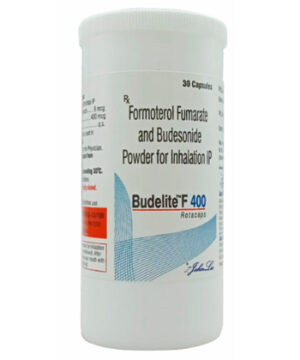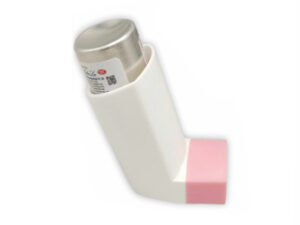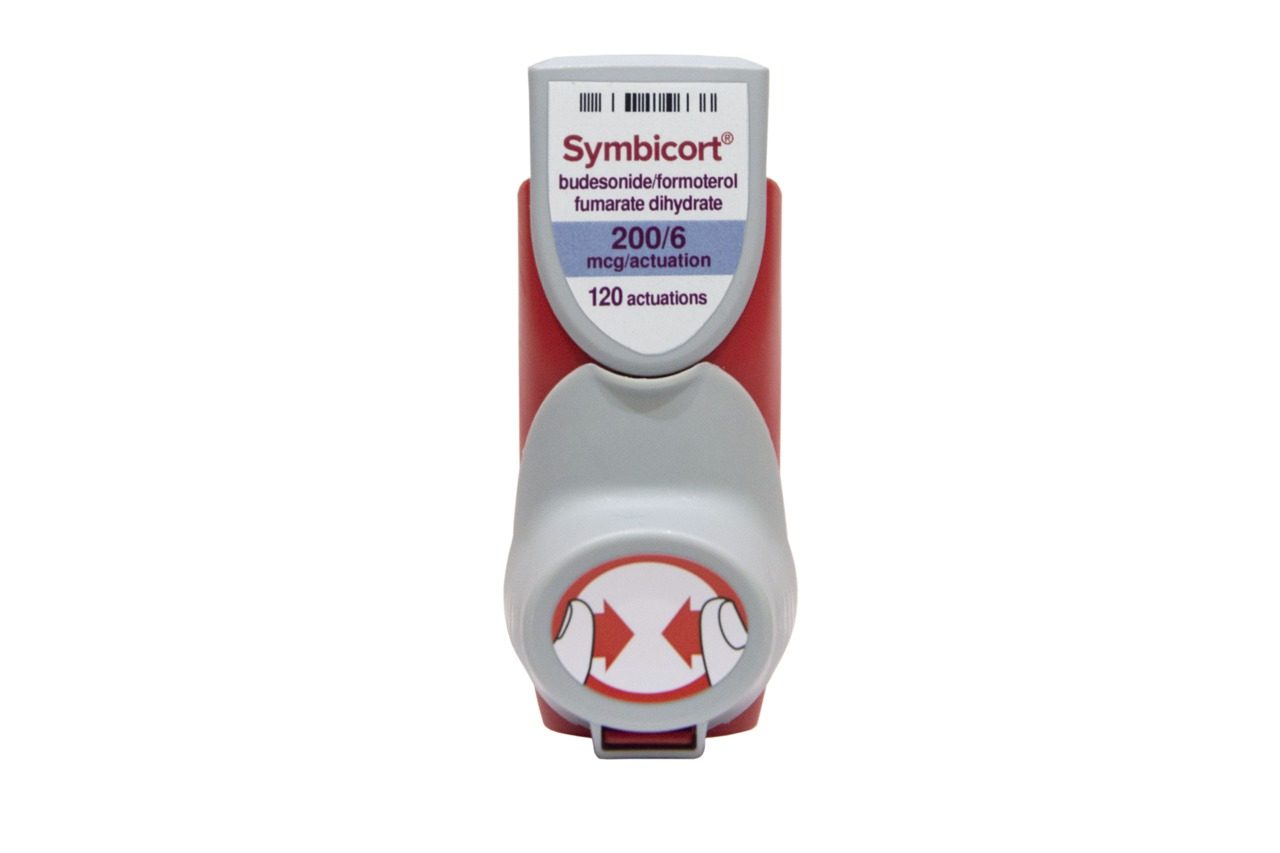

Symbicort (Powder Form) – Budesonide / Formoterol Fumarate Dihydrate (Australia)
Symbicort is an inhaled medicine used to help control symptoms of asthma and chronic obstructive pulmonary disease (COPD). It contains two active ingredients:
- Budesonide: a corticosteroid (anti-inflammatory medicine)
- Formoterol fumarate dihydrate: a long-acting bronchodilator (a “reliever” that works over hours)
This page explains what Symbicort is, how it works, how it is typically used, and key safety and interaction information for people in Australia.
Quick overview
- Medicine name: Symbicort (powder form)
- Active ingredients: budesonide + formoterol fumarate dihydrate
- Type: inhaled combination corticosteroid/long-acting bronchodilator
- Common uses: asthma maintenance; COPD maintenance (depending on product/strength and clinician direction)
- How it’s taken: inhalation using the specific Symbicort dry powder inhaler device supplied with your pack
- Typical timing: taken regularly; some regimens may also use it for symptom relief depending on the plan provided by your prescriber
How Symbicort works (mechanism of action)
Symbicort works in two complementary ways:
-
Budesonide (anti-inflammatory action):
In asthma and some COPD types, airway inflammation makes breathing harder. Budesonide helps reduce inflammation in the airways, lowering swelling and mucus production. This leads to fewer symptoms and fewer exacerbations over time.
-
Formoterol (bronchodilator action):
Formoterol relaxes the smooth muscles around the airways, helping them open. This improves airflow and reduces breathlessness. Formoterol begins working relatively quickly and helps control symptoms for hours.
Why the combination matters: Many people need both long-term inflammation control and airway opening. Symbicort provides both in one inhaler.
Pharmacokinetics (what the body does to the medicine)
Pharmacokinetics describes how the body absorbs, distributes, metabolises, and eliminates medicine. For inhaled medicines like Symbicort, most drug action occurs in the lungs.
Absorption
- Inhaled delivery: A portion of the inhaled dose deposits in the lungs; some may be swallowed and absorbed through the gastrointestinal tract.
- Systemic levels: Systemic exposure occurs but is generally lower than with oral steroid or bronchodilator tablets.
Distribution
- Binding: Both components can distribute into body tissues. The extent varies by drug and patient factors.
Metabolism
- Budesonide: Primarily metabolised by liver enzymes (CYP3A4).
- Formoterol: Also metabolised mainly in the liver; metabolic pathways include conjugation and CYP-related steps.
Elimination
- Excretion: Metabolites are eliminated mainly via urine and sometimes faeces.
Clinical takeaway: Because budesonide is metabolised by CYP3A4, strong enzyme inhibitors can increase systemic exposure (see “Food, alcohol & medicine interactions”). Liver impairment may also affect exposure.
What Symbicort is used for
Use depends on the strengths available and the inhalation device. In Australia, Symbicort is commonly used for:
- Asthma (maintenance/ongoing control)
- COPD (maintenance in selected patients with airflow limitation and symptoms; suitability depends on disease severity and prior therapy)
Important: Symbicort is intended for airway maintenance and symptom control. Your action plan may include instructions for how to manage symptoms if they flare.
Indications and treatment goals
Symbicort is used to help:
- reduce day-to-day asthma symptoms (such as wheeze, chest tightness, shortness of breath)
- prevent flare-ups (exacerbations)
- improve breathing and exercise tolerance in COPD
- reduce the need for additional reliever medicine when used as prescribed in the treatment plan
Note on symptom relief: Formoterol is a fast-acting long-acting beta2-agonist. Some asthma action plans use budesonide/formoterol for both maintenance and relief (often called “maintenance and reliever therapy”). However, exact guidance depends on your product, strength, and plan.
Dosing information (typical approach)
Dosing must be individualised. The right dose depends on your diagnosis (asthma vs COPD), severity, age, previous medicines, and how well you respond.
Symbicort is supplied in different strengths and can be used with different regimens. Common examples include:
- Asthma maintenance: typically taken as two inhalations per day (one morning, one evening) in many regimens
- Asthma “maintenance and reliever” regimens: may allow additional inhalations for symptom relief according to an established action plan
- COPD maintenance: typically taken regularly (often twice daily), with dose tailored to symptom control
How to take it correctly matters: Using the inhaler technique properly is essential for medicine reaching the lungs. If you are unsure, ask a pharmacist, nurse, or respiratory educator to observe your technique.
Typical timing
- Regular use: take at the same times each day to maintain consistent control.
- If your plan includes extra inhalations: follow the specific instructions provided in your asthma/COPD plan.
Missed dose: If you miss a dose, take it when you remember unless it is close to your next dose. Do not double up. If unsure, consult your pharmacist.
Food interactions
Because Symbicort is inhaled, food interactions are generally not a major issue. However, there are practical considerations:
- Swallowed fraction: Some inhaled medicine may be swallowed. This is usually not clinically significant, but avoid large timing changes if you notice stomach upset.
- Adherence: Taking doses consistently (e.g., after brushing teeth in the evening) can improve adherence.
General advice: Food does not typically reduce the effect of budesonide/formoterol in a meaningful way.
Alcohol and medicine interactions
Alcohol
Alcohol is not known to directly inactivate budesonide or formoterol. However, heavy or frequent alcohol use can worsen overall respiratory health, sleep quality, and adherence to treatment. It may also affect judgement during flare-ups.
Practical tip: If alcohol triggers breathlessness or affects your ability to use your inhaler correctly, discuss a strategy with your clinician.
Medicine interactions (important)
Interactions are mainly relevant to formoterol and budesonide due to their metabolism and potential effects on heart rate or potassium levels.
Common interaction themes
- CYP3A4 inhibitors (increase steroid exposure): can raise blood levels of budesonide, potentially increasing side effects.
- Other beta-agonists (additive effects): can increase side effects such as tremor, palpitations, and low potassium risk.
- Non-selective beta-blockers: may reduce the effect of formoterol and can worsen bronchospasm.
- Diuretics and certain other drugs: can increase the risk of low potassium when combined with beta2-agonists.
- Some antidepressants or heart rhythm medicines: may increase cardiovascular side effects.
Examples to discuss with a pharmacist
- Antifungals such as ketoconazole or itraconazole
- HIV protease inhibitors
- Macrolide antibiotics (certain agents may affect metabolism)
- Beta-blockers including some eye drops that can be systemic in effect
- Diuretics (“water tablets”) (especially when combined with other medicines affecting potassium)
- Other inhalers containing long-acting or short-acting beta-agonists
- Oral corticosteroids used during severe exacerbations (increase overall steroid burden)
Always check: tell your pharmacist about all medicines you take, including tablets, inhalers, eye drops, supplements, and herbal products.
Safety profile and possible side effects
Like all medicines, Symbicort can cause side effects. Many people tolerate it well, especially when inhaler technique is correct and the dose is appropriate.
Common side effects
- Throat irritation or hoarseness
- Oral thrush (fungal infection), especially with inhaled steroids
- Headache
- Tremor or mild shakiness
- Muscle cramps or feeling “jittery” (more likely with higher doses)
Less common but important risks
- Adrenal suppression (with higher steroid exposure or long-term use)
- Changes in bone density with long-term higher-dose inhaled steroids (risk generally lower than with oral steroids but still considered)
- Eye problems such as glaucoma or cataracts in people with prolonged steroid exposure
- Palpitations or fast heartbeat
- Low potassium (hypokalaemia), particularly when combined with diuretics or at high beta-agonist doses
- High blood sugar (more relevant in people who already have diabetes or require frequent steroid bursts)
Seek urgent medical help if
- you experience severe breathing difficulty that doesn’t respond to your action plan
- you have chest pain, fainting, or severe palpitations
- you develop signs of a serious allergic reaction (swelling of face/lips, rash, difficulty breathing)
- you notice widespread infection symptoms while using inhaled steroids (especially persistent fever or worsening thrush)
Thrush prevention tips
- Rinse your mouth with water after each dose
- Spit out the rinse water (do not swallow)
- Maintain good oral hygiene
Practical use tips (to get the best benefit)
Many treatment failures are due to technique issues rather than the medicine itself. Use the following checklist every time:
- Use the device correctly: follow the instructions for your specific Symbicort dry powder inhaler.
- Breathe in forcefully and deeply: dry powder inhalers rely on your inspiratory flow to disperse the medication.
- Do not exhale into the device: can reduce the dose delivered.
- After inhaling: hold your breath briefly (if you are able) before exhaling.
- Repeat if required: if your dose is two inhalations, wait briefly then take the second inhalation as directed.
- Keep track of your dosing schedule: set reminders if needed.
When you feel worse
- If your breathing worsens, follow your asthma or COPD action plan.
- Contact a healthcare professional if symptoms are not improving or if you need additional doses more frequently than expected.
Alternatives to Symbicort
Depending on your condition and history, your clinician may consider other treatment options. Alternatives often fall into these categories:
- Different inhaled corticosteroid/long-acting bronchodilator combinations (other ICS/LABA combinations)
- Inhaled corticosteroid alone for some people with mild asthma
- ICS with long-acting muscarinic antagonist (LAMA) for some COPD patients
- Other asthma therapies (e.g., leukotriene receptor antagonists, biologics in specific severe cases)
- Reliever medicines (often separate short-acting bronchodilators for quick symptom relief)
Choosing an alternative: depends on your symptoms, exacerbation history, inhaler technique, side effects, and any co-existing conditions.
Pharmacist counselling points
- Check inhaler technique: technique improves medicine delivery and reduces side effects like thrush.
- Discuss “rescue” strategy: ensure you understand what to do during flare-ups and when to seek help.
- Review all inhalers: many people unintentionally duplicate therapy.
- Monitor effects: report persistent hoarseness, thrush, tremor, palpitations, or frequent need for extra doses.
Australia: market and legal context
In Australia, medicines are supplied under a regulated framework. Inhaled controller medicines like Symbicort are commonly prescribed and managed through standard healthcare pathways. Availability may vary by strength and pack type.
Important considerations for Australia:
- Product listing and availability can vary across pharmacies and distributors.
- Brand and device variants exist—always confirm that the product you purchase matches the device instructions you are using.
- Local clinical guidance influences how combination inhalers are recommended for asthma and COPD management.
Recent guidance (clinical context)
In Australia, asthma and COPD management is guided by evidence-based guidelines and respiratory health strategies. Recent trends include:
- Emphasis on controller adherence (using preventer therapy regularly to reduce exacerbations)
- Personalised asthma plans that clarify maintenance and reliever use for eligible patients
- Inhaler technique review as part of routine care
- Step-up/step-down principles based on symptom control and exacerbation history
What this means for you: Symbicort may be adjusted over time. If you notice improved control, your clinician may review your dose; if you are uncontrolled, they may step up and/or check technique and triggers.
Delivery and availability (online pharmacy)
Availability of Symbicort can depend on stock levels, strength, and device type. When ordering online, ensure:
- Correct strength and pack type are selected
- Device match: verify it is the powder inhaler intended for your regimen
- Expiry: products supplied should have an appropriate remaining shelf life
Delivery timelines: vary by pharmacy, location, and shipping provider. Many Australian pharmacies aim to dispatch promptly on business days. Delivery charges, tracking, and expected arrival times are typically shown at checkout.
Storage: store as directed on the pack—generally in a cool, dry place away from heat and moisture.
FAQ (frequently asked questions)
1) Is Symbicort a steroid?
Yes. Symbicort contains budesonide, an inhaled corticosteroid. When inhaled, it acts mainly in the lungs to reduce airway inflammation. The amount reaching the bloodstream is lower than with oral steroid tablets, but side effects are still possible—especially at higher doses.
2) Is Symbicort the same as a “reliever” inhaler?
Symbicort is a controller medicine (it reduces inflammation and helps maintain airflow). It contains formoterol, which can provide relatively quick bronchodilation. Some patients use it both for maintenance and relief under an action plan, but your plan may differ from someone else’s.
3) How long does Symbicort take to work?
Formoterol can help relatively quickly by opening airways. Budesonide reduces inflammation over time, so improvements in asthma control often build over days to weeks. If you are not noticing improvement, check your inhaler technique and discuss with a healthcare professional.
4) Should I rinse my mouth after using it?
Yes. Rinse your mouth with water after each dose and spit it out. This helps reduce the risk of oral thrush and hoarseness.
5) What if I get thrush?
Contact your healthcare professional if you develop white patches, soreness, or persistent mouth symptoms. They may recommend treatment and review your inhaler technique and dose. Don’t stop Symbicort without advice.
6) Can I drink alcohol while using Symbicort?
Moderate alcohol use is not usually directly prohibited, but heavy alcohol can worsen breathing, sleep, and adherence. If alcohol triggers symptoms or affects your routine, discuss options with your pharmacist or clinician.
7) What medicines should I avoid?
Some medicines can interact with Symbicort—especially drugs affecting CYP3A4 metabolism, beta-blockers, and diuretics (due to potassium). Always provide a full list of medicines and supplements to your pharmacist for personalised advice.
8) Will Symbicort affect my heart?
Formoterol can sometimes cause palpitations or tremor, particularly at higher doses or in sensitive individuals. Seek urgent help if you experience severe chest pain, fainting, or severe palpitations.
9) What should I do if my symptoms suddenly worsen?
Follow your asthma/COPD action plan. If you require emergency treatment, seek urgent medical help. If symptoms are escalating or your usual plan isn’t working, contact a healthcare professional promptly.
10) How do I know my inhaler technique is correct?
If you’re unsure, ask a pharmacist to watch you use the device. Correct timing (inhaling forcefully and deeply, not exhaling into the device) is key for powder inhalers.
Summary
Symbicort (budesonide/formoterol fumarate dihydrate) is an inhaled combination medicine designed to improve breathing and control inflammation for people with asthma or selected COPD patients. Its dual action—steroid for inflammation and formoterol for bronchodilation—helps reduce symptoms and exacerbations when used correctly and consistently.
If you have questions about dose timing, inhaler technique, side effects, or interactions with other medicines, a pharmacist can help you understand what is appropriate for your situation in Australia.