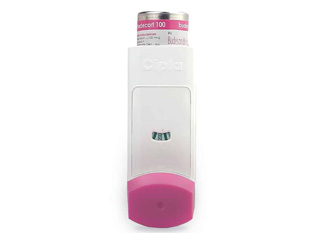

Budecort (Budesonide) — Patient Information (Australia)
Budecort is a brand of budesonide, a medicine that belongs to the corticosteroid (steroid) family. It is used to treat inflammatory conditions in the airways and in some gastrointestinal conditions, depending on the specific product form and strength.
This guide is designed to be patient-friendly and to help you understand what Budecort does, how it works, typical use, key safety information, and practical tips for getting the best results.
Quick facts
- Active ingredient: Budesonide
- Medicine type: Corticosteroid (anti-inflammatory)
- Common uses: Inflammatory airway conditions (e.g., asthma/COPD depending on formulation) and steroid-responsive conditions in the gastrointestinal tract (depending on product form)
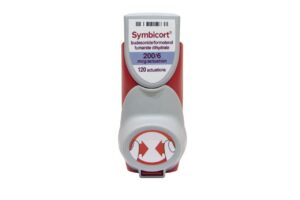
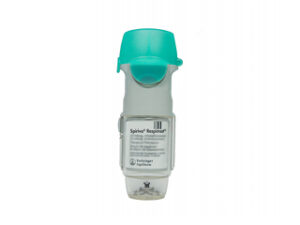
- Common forms: Different strengths and formulations exist (e.g., inhalers/nebulisers for airway disease; capsules/enteric-coated forms for gut disease)
- Key benefit: Reduces inflammation to improve breathing and control symptoms
Basic product information
Budecort (budesonide) works by decreasing inflammation. Because budesonide is available in multiple formulations, your experience will depend on the product you have.
Important: Always use the exact form and strength described on your package. If you are unsure which Budecort product you have, check the label or ask your pharmacist.
| Category | Information |
|---|---|
| Brand | Budecort |
| Generic name | Budesonide |
| Drug class | Corticosteroid (anti-inflammatory) |
| Main effect | Reduces inflammation in the target tissue (airways or gut depending on formulation) |
| Typical action onset | May improve symptoms within hours to days for some conditions; full benefits may take longer |
How budesonide works (mechanism of action)
Budesonide is a corticosteroid that helps control inflammation by influencing gene expression and reducing the production of inflammatory mediators.
In practical terms, it:
- reduces swelling and mucus production in inflamed tissues
- reduces airway hyper-responsiveness (in airway conditions)
- helps stabilise the immune response in the affected region
- improves symptoms such as wheeze, shortness of breath, cough, or gut inflammation-related symptoms (depending on the formulation)
Why “local” steroids matter: Some budesonide products are designed to act mainly at the site of inflammation (for example, inhaled for lungs or enteric-coated for the bowel). This can help limit whole-body steroid effects compared with some other steroid approaches.
Pharmacokinetics (how the body handles it)
Pharmacokinetics describes how the body absorbs, distributes, metabolises, and eliminates a medicine.
- Absorption: Depends on the formulation. Inhaled budesonide delivers drug to the airways; oral/enteric-coated forms act in the gastrointestinal tract. Absorption patterns differ between products.
- First-pass metabolism: Budesonide undergoes extensive first-pass metabolism in the liver, forming metabolites with less corticosteroid activity than the parent drug. This can reduce systemic effects for certain oral routes.
- Distribution: After absorption, budesonide binds to plasma proteins and is distributed throughout the body.
- Metabolism: Mainly via liver enzymes (notably CYP3A-related pathways), producing metabolites.
- Elimination: Metabolites are primarily excreted via urine and faeces. The drug effect may outlast plasma levels due to tissue-specific action.
Clinical implication: Liver disease, certain interacting medicines, and the specific route of administration can influence exposure and safety. Always check interactions if you have other medicines.
Typical indications (what Budecort is used for)
Budecort may be used for steroid-responsive inflammatory conditions. The exact indication depends strongly on the formulation you have.
Common clinical uses may include:
- Asthma / chronic obstructive pulmonary disease (COPD) (in some inhaled formulations) — as controller therapy to reduce inflammation and help prevent symptoms
- Inflammatory bowel conditions (for certain oral/enteric-coated formulations) — such as Crohn’s disease or ulcerative colitis depending on product and severity
- Other inflammatory conditions where a clinician judges budesonide as appropriate
Always refer to your specific product packaging for the approved indication and dosing instructions.
How and when to take it (timing and practical use)
Timing depends on your condition and the way your Budecort is used.
Airway formulations (e.g., inhalers or nebulisers)
- Use regularly: Many budesonide airway medicines work best when taken consistently as part of long-term control.
- Rinse after inhaled steroids: If your product is an inhaler/nebuliser, rinse your mouth and spit out after use (unless your product instructions differ). This helps reduce the risk of oral thrush and hoarseness.
- Use correct technique: Technique strongly affects how much medicine reaches the lungs.
Gastrointestinal formulations (e.g., capsules/tablets for gut inflammation)
- Follow the schedule: Take at the times instructed to maintain steady control of inflammation.
- Swallow whole if required: Some enteric-coated forms should not be crushed or opened. Check your label.
- Consistency matters: Missing doses may reduce benefit.
What to do if you miss a dose
- If you miss a dose, take it when you remember unless it is close to the next dose.
- Do not double up to compensate for a missed dose.
- If you are unsure, ask a pharmacist for advice tailored to your product and dosing frequency.
Food interactions
Food interactions depend on the formulation and how it is processed in the body.
Oral budesonide products
- Absorption may be affected by food for some oral forms. Some formulations are designed to release drug in the bowel, which helps reduce the effect of meals—but it is still important to follow package instructions.
- Follow “with or without food” guidance on the specific Budecort product label.
Inhaled budesonide
- Food generally does not have a major effect on inhaled budesonide.
- However, rinse your mouth after dosing regardless of meals to reduce mouth-related side effects.
Tip: If you have questions about your specific formulation, check the label directions or ask your pharmacist.
Alcohol and medicine interactions
Because budesonide is a corticosteroid, interactions can occur with other medicines that affect liver enzymes or immune function.
Alcohol
- Moderate alcohol may not have a direct interaction with budesonide, but alcohol can worsen some conditions (e.g., reflux) and can affect overall immune health.
- If you have liver disease, avoid alcohol or discuss with your clinician/pharmacist, as liver metabolism may be altered.
Medicine interactions (common examples)
Budesonide is metabolised in the liver. Some medicines can increase or decrease steroid levels.
- CYP3A inhibitors may increase budesonide exposure (examples often discussed include certain antifungals and some antibiotics/antivirals). This can increase the risk of steroid-related side effects.
- CYP3A inducers may reduce budesonide effectiveness (for example, some anti-seizure medicines and some herbal products such as St John’s wort).
- Other corticosteroids (oral, injectable, or additional steroid inhalers) may raise total steroid exposure.
- Immunosuppressive therapies can increase infection risk when combined with steroids.
Always provide your pharmacist with a full list of medicines (including over-the-counter products and herbal remedies) so interactions can be checked.
Dosing overview (important safety note)
Your exact dose depends on your diagnosis, age, severity, and the specific Budecort formulation and strength.
For that reason, this section provides general guidance only. Always follow the instructions on your product label and any clinician advice.
How dosing is typically structured
- Controller use: Many budesonide regimens involve regular dosing to maintain control.
- Step-up/step-down: Asthma or inflammatory conditions are often managed using a “lowest effective dose” approach, adjusting based on symptom control.
- Gradual changes: If steroid dose needs to change, it is often done carefully to avoid flare-ups and reduce steroid withdrawal risk (especially with higher doses or longer treatment durations).
Dose timing tips
- If your regimen is once daily, morning dosing may be preferred by some clinicians to align with natural cortisol rhythm (unless your product instructions specify otherwise).
- If dosing is twice daily, aim for consistent spacing across the day.
Do not adjust your dose without professional guidance. If you think you need a dose change (e.g., symptoms worsening or side effects), speak with a pharmacist or clinician.
Safety profile and side effects
Budesonide can cause side effects, though the risk depends on dose, treatment duration, and route of administration.
Common side effects
- Inhaled forms: hoarseness, throat irritation, cough, and oral thrush (especially if mouth is not rinsed after use)
- Oral/gastrointestinal forms: headache, nausea, abdominal discomfort
- General: mild steroid effects such as changes in appetite or mood in some people
Less common but important side effects
- Infections: Increased susceptibility to infections can occur with corticosteroids, particularly at higher doses or longer durations.
- Adrenal suppression: With prolonged or higher systemic exposure, the body’s natural steroid production may be suppressed. This risk can be higher when multiple steroid sources are used together.
- Bone effects: Long-term steroid exposure may affect bone density.
- Eye effects: Some people may develop or worsen cataracts or glaucoma with prolonged corticosteroid use.
- Skin changes: Bruising or thinning skin may occur with longer steroid exposure.
Seek urgent medical help if
- you develop signs of a serious infection (e.g., high fever, severe weakness)
- you experience a severe allergic reaction (e.g., swelling of face/lips, difficulty breathing)
- you notice severe or persistent vision problems or severe headache
When to talk to a pharmacist/clinician promptly
- symptoms are not improving or you are worsening despite correct use
- you have frequent infections
- you are using other steroid medicines (including other inhalers or tablets)
- you have diabetes, glaucoma, cataracts, osteoporosis, or a history of tuberculosis or recurrent infections
Practical use tips (to get the best results)
For inhaled budesonide
- Check your technique: Incorrect inhaler technique is a leading cause of poor control.
- Use a spacer if advised: A spacer can improve delivery and reduce mouth deposition.
- Rinse and spit: After each use, rinse your mouth with water and spit out (do not swallow rinse).
- Store correctly: Keep the device as directed on the label and avoid heat or moisture extremes.
For gut-targeted budesonide forms
- Swallow whole if required: Do not crush or open enteric-coated products unless the label says otherwise.
- Be consistent: Try to take at the same time each day.
- Watch for symptom patterns: Keep track of symptom changes so you can report trends to your clinician.
General tips
- Keep an “updated medicines list” for pharmacy visits.
- Do not stop suddenly if you have been on higher doses for a prolonged period—steroid regimens may require a gradual reduction.
- Adherence matters: Corticosteroids often work best with regular use, even if you feel well initially.
Alternative options
Depending on the condition and formulation, there are several alternatives. Your choice may involve different steroid medicines, non-steroid controllers, or additional therapies.
For airway inflammatory conditions
- Other inhaled corticosteroids (e.g., fluticasone, beclometasone) — selected based on effectiveness and side-effect profile
- Combination inhalers that include an inhaled corticosteroid plus a long-acting bronchodilator
- Non-steroid controllers (e.g., leukotriene receptor antagonists in some asthma plans)
For gastrointestinal inflammatory conditions
- Other corticosteroid options used for steroid-responsive disease
- Maintenance therapies such as immunomodulators or biologics (for selected patients)
Discuss options with your pharmacist or clinician—particularly if you experience side effects or inadequate control.
Market and legal context in Australia
In Australia, medicines are regulated by the Therapeutic Goods Administration (TGA). Availability of budesonide products can differ by formulation and strength, and some products may be supplied through different channels depending on how they are classified.
When buying online, it is important to ensure you receive the right formulation for your condition and that it matches the product name and strength listed on your order.
Pharmacy support: Australian community pharmacies and authorised online pharmacies can provide guidance on safe use, technique (especially for inhalers), storage, and interaction checking.
Recent guidance and clinical considerations
Across many chronic inflammatory conditions, current best practice emphasises:
- Using the lowest effective steroid dose to achieve control
- Regular review of treatment to avoid unnecessary dose escalation
- Infection prevention steps (e.g., mouth rinsing with inhaled steroids)
- Individualised plans for people with comorbidities (e.g., diabetes, glaucoma, osteoporosis risk)
Guidance may vary by condition and product type, so it’s helpful to align treatment with local clinical pathways and your healthcare professional’s advice.
Delivery and availability (Australia)
Online availability can vary by location and stock levels. When ordering, check:
- Correct product form (e.g., inhaled vs oral/enteric-coated)
- Strength and pack size
- Expiry date and batch information if provided
- Storage requirements (follow label instructions)
Delivery: Delivery timeframes depend on the provider and your address. If your order contains medicines requiring special handling, the delivery service may advise you accordingly.
If you need urgent relief: For airway conditions with acute symptoms, follow your personal action plan and seek appropriate medical care if symptoms worsen.
Frequently Asked Questions (FAQ)
1) What is Budecort used for?
Budecort (budesonide) is used to reduce inflammation. Depending on the formulation, it may be used for airway inflammatory conditions (such as asthma/COPD controller therapy) and for steroid-responsive bowel conditions. Check your specific product label for the exact indication.
2) How long does it take to work?
Some people notice symptom improvement within hours to days (especially for airway symptoms), but full benefits may take longer with regular use. For gut inflammation, improvement can also take days to weeks. If you’re not improving as expected, speak with a healthcare professional.
3) Should I rinse my mouth after using Budecort?
If you are using an inhaled budesonide product, yes—rinse your mouth and spit out after each dose unless your package instructions say otherwise. This helps reduce thrush and hoarseness.
4) Can I take Budecort with food?
Food effects depend on the formulation. Some oral forms may be influenced by meals, while inhaled products are generally not affected. Follow the “with or without food” directions on your specific product label.
5) Is it safe to drink alcohol while using Budecort?
Moderate alcohol may not have a direct interaction, but alcohol can affect overall health and may worsen certain conditions (for example, reflux). If you have liver problems, discuss alcohol use with a pharmacist or clinician.
6) What medicines interact with budesonide?
Medicines that affect liver enzymes (especially those that inhibit or induce CYP3A-related pathways) can change budesonide levels. Tell your pharmacist about all medicines you take, including over-the-counter drugs and herbal products like St John’s wort.
7) Are there side effects I should watch for?
Possible side effects include hoarseness or oral thrush (inhaled forms), headache or nausea (some oral forms), and—less commonly—systemic steroid effects such as increased infection risk or adrenal suppression with higher or longer exposure. Seek urgent help for serious allergic reactions or severe infection symptoms.
8) Can I stop Budecort suddenly?
Do not stop suddenly without advice, particularly if you’ve been using higher doses for a long time. Your treatment may need to be reduced gradually.
9) What if I miss a dose?
Take it when you remember unless it is close to the next scheduled dose. Do not double up. If you’re unsure, ask your pharmacist for guidance for your specific product.
10) What should I do if my symptoms get worse?
If your breathing or gut symptoms worsen despite correct use, seek medical advice promptly. For airway symptoms, follow any action plan you’ve been given and seek urgent care if severe symptoms occur.
Final reminder
Budecort (budesonide) is an effective anti-inflammatory medicine when used correctly and consistently. Always check the instructions on your specific product, maintain good technique (especially for inhalers), and speak with a pharmacist if you have questions about timing, side effects, or interactions.