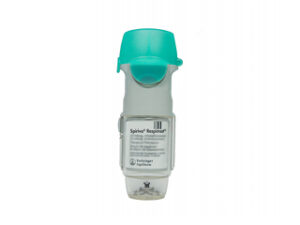
Salbutamol (Albuterol) – Patient Information (Australia)
Salbutamol—also known as albuterol—is a fast-acting medicine used to relieve breathing problems caused by reversible airways constriction. It is widely used for asthma and other conditions such as chronic obstructive pulmonary disease (COPD). This guide explains how salbutamol works, when it’s used, what to expect, and important safety considerations.
Note: Different brands and strengths exist (e.g., inhalers, nebuliser solutions, tablets in some settings). Always check your product label and follow the instructions provided by your healthcare professional and the consumer medicine information for your specific product.
Quick Facts
- Common name: Salbutamol
- Also known as: Albuterol (US name)
- How it’s used: Most commonly via inhaler and sometimes via nebuliser
- What it does: Relaxes airway muscles quickly to improve airflow
- Typical onset: Often within minutes for inhaled forms
- Typical duration: About 4–6 hours (varies by person and device)
- Main side effects: Tremor, palpitations, headache, nervousness
Basic Product Information
| Category | Details |
|---|---|
| Medicine name | Salbutamol (Albuterol) |
| Medicinal type | Short-acting beta2-adrenoceptor agonist (SABA) |
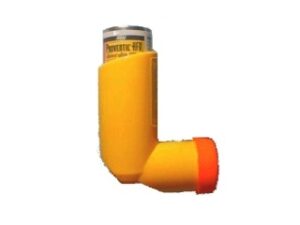
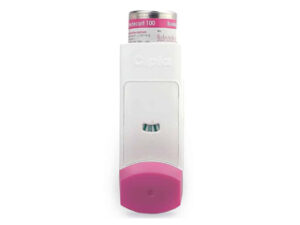
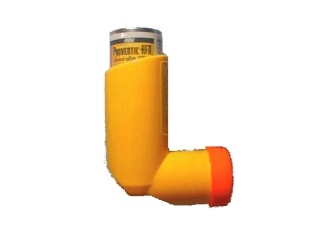
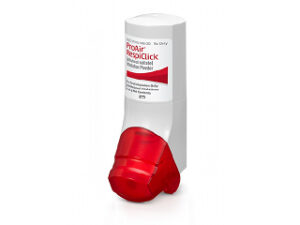
| Common formulations | Pressurised metered-dose inhaler (pMDI), breath-actuated inhaler, spacer devices, nebuliser solution |
| Typical use | Relief of acute symptoms and prevention of exercise- or allergen-triggered bronchospasm (as advised) |
| Prescription/dispensing context | Availability varies by product type and strength. Check Australian pharmacy supply and product label instructions. |
How Salbutamol Works (Mechanism of Action)
Salbutamol is a beta2-adrenoceptor agonist. When inhaled, it targets beta2 receptors in the smooth muscle lining the airways. Activation of these receptors causes the airway muscles to relax, leading to bronchodilation (widening of the breathing tubes).
This improves airflow and reduces symptoms such as:
- Wheezing
- Shortness of breath
- Chest tightness
- Cough related to airway narrowing
Important: Salbutamol mainly treats bronchospasm (the tightening of airway muscles). It does not directly treat the underlying airway inflammation seen in asthma. For long-term control, many people need an anti-inflammatory preventer medicine (often an inhaled corticosteroid) as part of their asthma plan.
Pharmacokinetics (Absorption, Distribution, Metabolism, Excretion)
Pharmacokinetics describes how the body absorbs, processes, and clears a medicine. Salbutamol pharmacokinetics can differ depending on the formulation (inhaler vs nebuliser) and whether medication is swallowed after inhalation.
Absorption
- Inhaled salbutamol: Most of the effect is local in the lungs, with some systemic absorption after deposition in the airways and partial swallowing.
- Nebulised salbutamol: Similar local lung effect, with systemic absorption also occurring.
Distribution
- Salbutamol reaches systemic circulation and distributes throughout body tissues.
- Inhaled dosing generally produces lower systemic levels than some oral dosing strategies.
Metabolism
- Salbutamol is primarily metabolised in the body, with a major pathway involving the formation of inactive metabolites.
Excretion
- Metabolites and a small fraction of unchanged drug are cleared mainly via urine.
Onset and duration (patient-relevant)
- Inhaled (typical): relief often starts within minutes
- Duration: often around 4–6 hours depending on technique and severity
Typical Uses and Indications
Common indications in Australia
- Asthma: relief of acute symptoms such as wheezing and breathlessness
- Asthma “rescue” use: for sudden episodes of bronchospasm
- Exercise- or allergen-induced symptoms: may be used before activity to prevent symptoms if your clinician recommends it
- COPD (Chronic obstructive pulmonary disease): relief of reversible bronchospasm and breathlessness
- Other reversible airway obstruction scenarios: where a beta2-agonist is appropriate per clinical assessment
When to seek urgent help: If your breathing does not improve promptly after using your salbutamol, or if symptoms rapidly worsen, you should seek urgent medical assistance (call emergency services in Australia).
Timing: When and How Soon Salbutamol Starts Working
- Fast relief: Most people notice improvement within minutes after inhaling.
- Reassessment window: If you are using it for an acute attack, reassess symptoms after the first doses per your action plan.
- Duration planning: Because the effect usually lasts several hours, it may be needed again later—however, frequent need can signal poor asthma control.
- Preventive use (if advised): If prescribed for exercise-induced symptoms, timing is often about taking it shortly before the trigger. Follow your individual asthma action plan.
Dosage (General Guidance)
Dose depends on age, condition, severity, device type, and local product instructions. Use the schedule on your medicine label and your clinician’s plan.
Adults and adolescents (general examples)
- Inhaler (acute relief): typically 1–2 puffs per dose, with repeat dosing if required based on your asthma action plan.
- Nebuliser: dosing varies by product strength and patient factors; follow your product instructions or clinician guidance.
Children (general examples)
- Doses are often lower and depend strongly on the child’s age and device (pMDI with spacer vs nebuliser).
- Spacer technique is especially important for children to improve lung delivery and reduce side effects.
Do not exceed recommended use
- Overuse can increase side effects such as tremor and palpitations and may reflect uncontrolled asthma.
- If you frequently need your reliever, you may need a review of your long-term treatment plan.
If unsure: Ask your pharmacist for guidance on using your specific device and confirm the correct dosing schedule for your age and condition.
Food Interactions
Salbutamol taken by inhalation generally has limited food interaction because the main therapeutic effect occurs in the lungs. Food is unlikely to significantly affect the inhaled dose’s action.
However, if a product formulation involves swallowing (e.g., some oral forms in certain settings), timing with food may affect tolerance (for example, stomach upset) rather than effectiveness. Always follow the instructions on your specific product label.
General advice: For inhalers, you can take salbutamol with or without food. If you experience nausea or stomach discomfort, consult a pharmacist for product-specific advice.
Alcohol and Medicine Interactions
Alcohol
There is no specific “direct” alcohol interaction unique to inhaled salbutamol that applies to every person, but alcohol may:
- Worsen breathlessness in some people with asthma/COPD
- Increase dizziness or reduce coordination, which can be relevant if you also feel shaky from salbutamol
- Contribute to dehydration or sleep disruption, potentially affecting symptom control
Practical tip: If you notice symptoms worsen after drinking, discuss with a healthcare professional and consider limiting alcohol—especially if you have night-time symptoms.
Medicine interactions
Salbutamol can interact with other medicines, particularly those that affect heart rhythm or potassium levels.
- Other inhaled/bronchodilators: Using multiple bronchodilators together may increase side effects (e.g., tremor, heart rate changes). Keep to your action plan.
- Beta-blockers (including some eye drops): Non-selective beta-blockers may reduce salbutamol’s effect and may provoke bronchospasm. Selective beta-blockers may be used in certain cases under medical supervision—always inform your clinician if you use salbutamol.
- Diuretics (“water tablets”) and steroids: High doses or certain combinations can lower potassium levels, increasing risk of muscle cramps or rhythm issues.
- Other stimulants: Medicines that stimulate the heart or nervous system may increase palpitations or tremor.
- Some antidepressants and anti-arrhythmics: Depending on the agent, there may be effects on heart rhythm; discuss your medication list with a pharmacist.
- Thyroid hormone: High thyroid levels or high-dose thyroid medication can increase sensitivity to beta-agonists.
Always provide a complete list of your medicines (including over-the-counter products, herbal supplements, and eye drops) to your pharmacist or clinician to check for interactions.
Safety Profile and Side Effects
Common side effects
These usually occur because salbutamol has some effects throughout the body, not only in the lungs. Side effects often lessen with correct inhaler technique or over time.
- Tremor (shakiness)
- Headache
- Feeling nervous or “jittery”
- Palpitations (awareness of heartbeat)
- Fast heart rate
- Muscle cramps (occasionally)
Less common but important effects
- Low potassium (hypokalaemia): usually related to higher doses or frequent use; may cause weakness or cramps.
- Abnormal heart rhythms: rare, more likely with high doses or in people with heart conditions.
- Worsening breathing paradoxically: If inhalation seems to worsen symptoms, stop and seek advice on technique and suitability.
When to seek urgent medical advice
Get urgent help if you experience:
- Severe breathlessness or symptoms not improving after using your reliever as directed
- Chest pain, fainting, severe dizziness
- Very fast or irregular heartbeat
- Swelling of the face/lips, hives, or signs of an allergic reaction
- Struggling to speak because of breathing difficulty
Practical Use Tips (Getting the Best from Your Inhaler or Nebuliser)
Inhaler technique matters
Many “failed” doses are due to incorrect technique, not the medicine itself. Consider these tips:
- Shake the inhaler if your device requires it.
- Exhale fully before starting the inhalation.
- Seal lips around the mouthpiece (or use mask for young children, if appropriate).
- Press and breathe in slowly (pMDI) or activate the breath-actuated inhaler as instructed.
- Hold your breath for about 5–10 seconds if comfortable.
- Use a spacer for pMDI where recommended—this can improve delivery and reduce side effects.
Use a spacer if advised
- Spacers can increase the amount of drug reaching the lungs.
- They can reduce the amount deposited in the mouth and throat.
- If you use a spacer, ensure it is cleaned and used according to instructions.
Nebuliser tips
- Keep the nebuliser clean according to manufacturer instructions.
- Use it in a well-ventilated area and follow time guidelines.
- If you feel light-headed or your breathing worsens, stop and seek advice.
Track symptom control
- If you need your salbutamol frequently (e.g., multiple times per week or increasing amounts), it may indicate asthma that is not well controlled.
- Regular review with your healthcare professional can adjust preventer therapy and reduce attacks.
Alternative Options
Depending on your diagnosis and symptom pattern, clinicians may recommend different medicines or delivery devices.
Other reliever bronchodilators
- Other SABA medicines: In most asthma action plans, salbutamol is a common reliever. Alternatives may be used based on availability and response.
- Short-acting antimuscarinics (e.g., ipratropium): sometimes used in combination for COPD or severe episodes under medical supervision.
Long-term preventer medicines (for asthma control)
- Inhaled corticosteroids (ICS): reduce airway inflammation and prevent attacks.
- ICS/long-acting bronchodilator combinations: may be used for ongoing control depending on severity.
- Other controller options: selected for specific patient profiles.
Key point: A reliever like salbutamol treats symptoms, but long-term control typically requires an anti-inflammatory strategy. If symptoms persist, ask about preventer therapy and an asthma action plan.
Australia: Market, Regulatory and Legal Context (Practical Overview)
In Australia, availability and classification of medicines depends on formulation and strength. Many bronchodilators are supplied through pharmacies in accordance with Australian regulatory requirements and product scheduling.
- Product labelling: Always follow the dosing schedule and device instructions on the specific salbutamol product you purchase.
- Pharmacist support: Pharmacies can often provide guidance on device technique, inhaler selection, and safe use.
- Asthma and COPD plans: In Australia, national guidance emphasises personalised action plans and appropriate controller therapy to reduce the risk of severe exacerbations.
Recent guidance (general trend): Australian respiratory guidance continues to emphasise that asthma management should focus on long-term control with preventer therapy and that frequent reliance on a reliever can be a warning sign. Strategies are increasingly aligned with action plans and regular medication review.
Delivery and Availability
Availability may vary by brand, device type (inhaler vs nebuliser), and current stock levels. Many pharmacies offer:
- Home delivery for in-stock items (subject to service areas and courier schedules)
- Click-and-collect options if available
- Product substitution policies where equivalent items may be supplied (always check label strength and device compatibility)
What to check before ordering:
- Whether you need an inhaler or nebuliser solution
- The strength and number of doses (for inhalers)
- Whether you need a spacer (and correct size/compatibility)
- Expiry date and condition on arrival
If you are low on stock: Contact customer support or a pharmacist promptly, particularly if you have frequent symptoms or risk factors for severe attacks.
Recent Safety and “When to Recheck” Advice
Salbutamol is effective for rapid relief, but safety depends on appropriate use.
- Recheck if needing it often: Frequent use may indicate uncontrolled asthma/COPD and the need to review your overall treatment.
- Check inhaler technique regularly: Technique can change with age, coordination, or device wear.
- Do not delay help: If symptoms are severe or not improving, seek urgent medical attention.
- Be cautious with high-dose use: Higher doses increase the chance of side effects such as tremor, palpitations, and low potassium.
FAQ
1) Is salbutamol the same as albuterol?
Yes. Salbutamol and albuterol are different names for the same active medicine used in respiratory care. In Australia, the common name is usually salbutamol.
2) How quickly does salbutamol work?
When inhaled correctly, many people feel relief within minutes. The full benefit may take a short time, especially during an asthma attack. If you’re not improving, follow your action plan and seek urgent medical help if needed.
3) How long does the effect last?
The bronchodilator effect typically lasts around 4–6 hours, though this can vary depending on severity, technique, and device.
4) Can I use salbutamol every day?
Some people may use it daily for symptom relief, depending on their condition and treatment plan. If you find you need your reliever frequently, it usually means your long-term control should be reassessed (often with a preventer medicine).
5) What are the most common side effects?
Common side effects include tremor, palpitations, headache, and a nervous/jittery feeling. These often improve with correct technique and as the dose settles.
6) Should I use a spacer?
A spacer is often recommended with a pMDI inhaler to improve lung delivery and reduce medication deposition in the mouth and throat. Whether you need one depends on your specific inhaler and patient factors—your pharmacist can help.
7) Can salbutamol be taken with food?
For inhaled salbutamol, food is not usually a major issue. Follow your product instructions for any formulation that is swallowed.
8) Are there alcohol interactions?
There is no single universal alcohol interaction, but alcohol may worsen breathing symptoms in some people and can increase dizziness if you feel shaky from salbutamol. Limit alcohol if you notice symptom worsening.
9) What medicines can interact with salbutamol?
Important interaction checks include beta-blockers, certain diuretics, steroids, and medicines that affect heart rhythm. Provide your full medication list to a pharmacist for a safety check.
10) When should I seek urgent care?
Seek urgent help if breathing is severe, you can’t speak comfortably, you have chest pain, fainting, severe dizziness, or your symptoms do not improve promptly after using your reliever according to your action plan.
Summary
Salbutamol (albuterol) is a fast, inhaled bronchodilator used to relieve symptoms of asthma and COPD by relaxing airway muscles. It typically starts working within minutes and lasts for several hours. While it is effective for symptom relief, frequent use can indicate the need to review long-term asthma control. By using correct inhaler technique (often with a spacer) and staying alert to safety signals, you can get the most benefit from this medicine.