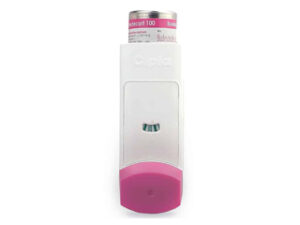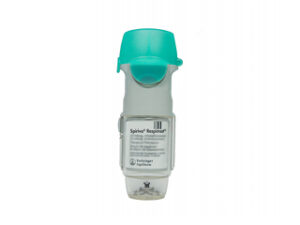
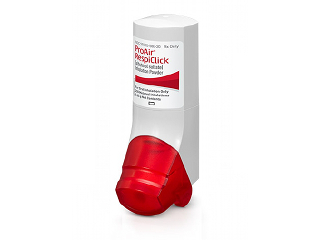
Proair Inhaler (Salbutamol / Albuterol) – Patient Guide (Australia)
Proair Inhaler contains salbutamol (also known as albuterol in some countries). It’s a fast-acting “reliever” medicine used to ease breathing problems such as wheezing, shortness of breath, and chest tightness. This guide explains how Proair works, when to use it, typical dosing, practical tips, common side effects, and important safety information.
Always follow the instructions supplied with your product and your healthcare professional’s advice. If your symptoms worsen or do not improve, seek medical help promptly.
Quick Facts
- Active ingredient: Salbutamol (Albuterol)
- Type: Short-acting beta2-agonist (SABA)
- Purpose: Relieves acute bronchospasm (fast symptom relief)
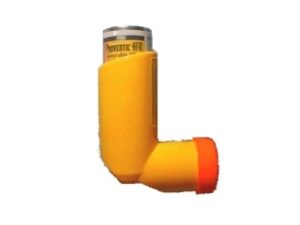
- Form: Metered-dose inhaler (MDI) (Proair brand)
- How it helps: Opens airways within minutes
- Common conditions: Asthma (reliever), COPD with reversible symptoms
What Proair Inhaler Is Used For (Indications)
Proair Inhaler is intended for relief of symptoms caused by constricted airways. It is commonly used for:
- Asthma: Relief of acute asthma symptoms such as wheeze, chest tightness, and shortness of breath.
- Chronic Obstructive Pulmonary Disease (COPD): Relief of bronchospasm symptoms, particularly when a reversible component exists.
- Exercise-induced bronchoconstriction: Many people use a dose before exercise if advised by their clinician.
Proair is a reliever, not a controller. If you frequently need reliever therapy, it may indicate that long-term control is not adequate.
How Proair Works (Mechanism of Action)
Salbutamol is a beta2-adrenoceptor agonist. When inhaled, it acts primarily on receptors in the smooth muscle of the airways. This leads to:
- Relaxation of bronchial smooth muscle (bronchodilation)
- Improved airflow and reduced wheezing
- Reduced bronchospasm during an asthma or COPD flare
Because it works directly at the airways and is inhaled, it can begin working quickly, typically within a few minutes.
Pharmacokinetics (Absorption, Distribution, Metabolism, Elimination)
Pharmacokinetics describe how the body handles a medicine—how it’s absorbed, metabolised, and removed. For inhaled salbutamol, clinical effects occur mainly in the lungs, but some medicine can be swallowed and absorbed from the gut.
Absorption
After inhalation, a portion of the dose reaches the lungs to produce local bronchodilation. Some may deposit in the mouth or throat and be swallowed, leading to gastrointestinal absorption.
Distribution
Salbutamol can enter systemic circulation to a degree depending on lung deposition and whether residue is swallowed. Systemic effects (such as tremor or palpitations) may occur at higher doses.
Metabolism
Salbutamol is mainly metabolised in the body, including in the liver, to inactive metabolites.
Elimination
Metabolites and a small amount of unchanged drug are eliminated primarily via the kidneys (urine). Inhaled salbutamol is generally cleared relatively quickly, which is why its bronchodilator effect is time-limited.
How Quickly Does Proair Work? (Onset and Duration)
- Onset: Often within 5 minutes (individual responses vary).
- Peak effect: Commonly around 30–60 minutes.
- Duration: Typically lasts about 4–6 hours for many people.
If symptoms are not improving after using Proair as directed, or if you need it more often than usual, contact a healthcare professional urgently.
Typical Use and Timing
Reliever use during symptoms
Proair is typically used to relieve acute symptoms. Use it when you experience wheeze, shortness of breath, or chest tightness, or when advised by your asthma action plan.
Preventing symptoms before exercise
Some people are advised to use salbutamol before exercise to reduce exercise-induced symptoms. A common timing approach is to take it about 10–15 minutes prior to activity, but follow your plan or clinician’s instructions.
Do not exceed the prescribed maximum
Overuse can increase the risk of side effects and may signal poor asthma control. If you need frequent reliever use, your long-term treatment may need review.
Dosing (General Guidance)
Dosing can vary by age, condition, and product strength. Use the dose on your label or as advised by a healthcare professional. The information below is general and may not match every individual’s plan.
| Situation | Typical inhaled dose (general) | When to reassess |
|---|---|---|
| Acute asthma/COPD symptoms (relief) | Often 1–2 inhalations, then repeat if needed after a short interval, as per instructions | If not improving, seek medical advice promptly |
| Exercise-induced symptoms (prevention) | Commonly 1–2 inhalations shortly before exercise (e.g., 10–15 minutes) | If symptoms break through, discuss an adjusted plan |
| Children | Use a dose appropriate for age and device technique as directed | Supervision of technique may be important |
Important: If you’re using more doses than expected, if your reliever is not working, or if you experience worsening breathing, chest tightness, or reduced peak flow, get urgent medical help.
Practical Use Tips (Technique Matters)
Correct inhaler technique helps ensure medicine reaches the lungs. Consider using a spacer if recommended—this can improve delivery, reduce throat deposition, and make it easier for children and some adults.
Step-by-step (typical MDI technique)
- Remove the cap and check the mouthpiece for debris.
- Shake the inhaler well if the product instructions say so.
- Breathe out fully (away from the mouthpiece).
- Seal lips around the mouthpiece or place a spacer as directed.
- Start to breathe in slowly.
- Press the canister once at the start of the slow inhalation.
- Keep breathing in steadily for about 3–5 seconds (or as comfortable).
- Hold your breath for up to 10 seconds, if possible.
- Breathe out gently and wait before the next puff if needed.
Common technique problems
- Pressing too late: delaying actuation until the inhale is underway can reduce lung delivery.
- Inhaling too fast: may cause medication to impact the throat instead of reaching airways.
- No breath-hold: can reduce absorption in the airways.
- Not shaking (if required): can affect consistent dosing.
After using Proair
- If you also use an inhaled corticosteroid (controller), your clinician may advise a sequence. Ask if you should rinse your mouth after using controller medicines.
- For relieving symptoms, monitor improvement in breathing and wheeze.
Food Interactions
Salbutamol inhalation is not typically affected by food because it mainly acts in the lungs. Any swallowed portion may be absorbed from the gastrointestinal tract, but there are generally no significant food restrictions for most people.
If you notice symptoms changing when you eat or drink—such as reflux triggering asthma—discuss this with your healthcare professional. Managing reflux can improve asthma control for some individuals.
Alcohol and Medicine Interactions
Alcohol
There is no universal rule that alcohol must be avoided with salbutamol, but caution is sensible. Alcohol may worsen asthma symptoms in some people and can contribute to dehydration or poor sleep, which may indirectly affect breathing control.
If you notice wheezing, coughing, or shortness of breath after alcohol, avoid it and seek advice.
Drug interactions (important)
Some medicines can interact with salbutamol. Tell your healthcare professional or pharmacist about all medicines you use, including over-the-counter products and herbal supplements.
- Non-selective beta-blockers (e.g., some medicines used for certain heart conditions): may reduce the effect of salbutamol and potentially worsen bronchospasm.
- Other medicines that affect the heart rhythm or lower potassium: higher doses of salbutamol can sometimes affect potassium levels. Use caution particularly if you take diuretics or certain other medications.
- Diuretics (water tablets): may increase the risk of low potassium when combined with high doses of beta2-agonists.
- Other bronchodilators: combining multiple relievers may increase side effects; follow your asthma action plan.
- Monoamine oxidase inhibitors (MAOIs) and some antidepressants may interact with sympathomimetic drugs. Your pharmacist can advise based on your specific medicines.
Always check with a pharmacist if you’re starting new medicines while using Proair.
Safety Profile: Side Effects and When to Get Help
Like all medicines, Proair can cause side effects. Many are mild and related to the beta2-agonist effects on the body. Side effects are usually dose-related and may improve with correct inhaler technique and appropriate dosing.
Common side effects
- Tremor (shakiness)
- Headache
- Fast heartbeat or palpitations
- Feeling jittery
- Muscle cramps
- Throat irritation or mild coughing (especially if technique is off)
Less common but serious effects (seek medical help)
- Chest pain or severe palpitations
- Worsening breathing despite using the inhaler
- Swelling of face/lips, rash, or breathing difficulty (possible allergy)
- Severe dizziness or fainting
When asthma may be worsening (urgent action)
Reliever medicines can make you feel better temporarily, but worsening asthma requires prompt assessment. Get urgent medical help if you experience:
- Breathing getting worse quickly
- Reliever not lasting as long as usual
- You need more puffs than normal to get relief
- Difficulties speaking in full sentences, marked chest retractions, or severe shortness of breath
Special Considerations (Pregnancy, Breastfeeding, and Medical Conditions)
If you are pregnant, trying to conceive, or breastfeeding, discuss your asthma/COPD plan with your clinician. Salbutamol is commonly used when needed, but personal advice matters.
Extra caution may be needed if you have:
- Heart rhythm problems
- Ischaemic heart disease
- Hyperthyroidism
- Diabetes (beta2-agonists can affect blood glucose in some people, especially at higher doses)
Practical Use Tips for Better Results
- Keep track of how often you use Proair. Frequent use may indicate inadequate control.
- Use a spacer if advised. It can improve delivery and reduce throat side effects.
- Check expiry date and dose counter. An empty or expired inhaler may not work properly.
- Review inhaler technique regularly. Many people benefit from periodic checks at home or with a pharmacist.
- Know your asthma action plan. This helps you decide when to use reliever and when to seek care.
- Store correctly. Follow label instructions for temperature and protection from heat or freezing.
Alternative Options
Depending on the cause and severity of your symptoms, clinicians may recommend other inhaler options, such as:
Reliever alternatives
- Other short-acting bronchodilators (different SABA brands or formulations).
Controller options (for longer-term control)
- Inhaled corticosteroids (ICS), often the foundation of asthma control.
- Combination inhalers (e.g., ICS with a long-acting bronchodilator), depending on your diagnosis and severity.
- For some people with asthma, other add-on therapies may be considered.
If you find you rely on reliever inhalers frequently, it’s important to review your overall treatment plan.
Market and Legal Context in Australia (Pharmacy Availability)
Proair Inhaler (salbutamol) is widely used in Australia and is available through appropriate pharmacy channels. Availability and restrictions can vary by product strength, packaging, and local regulations.
In Australia, medicines are regulated by the Australian Government and included in schedules/classifications that can determine how they are supplied. Pharmacists may ask health questions to ensure safe use.
If you are unsure whether a specific salbutamol inhaler is suitable for you, speak with a pharmacist before purchasing.
Recent Guidance and Key Clinical Messages
Clinical guidance for asthma and COPD management commonly emphasises:
- Using reliever medicines appropriately for symptom relief rather than treating progressive disease.
- Regular review of asthma control, especially if reliever use increases.
- Optimising inhaler technique and using a spacer where appropriate.
- For many people with asthma, consistent anti-inflammatory treatment (often ICS-based) reduces risk of attacks.
Always follow updated advice from Australian clinical guidelines and your healthcare professional.
Delivery and Availability (Online Pharmacy Notes)
Many Australian online pharmacies provide delivery to eligible locations depending on stock and regulatory requirements. Delivery timeframes can vary by postcode and dispatch day.
- Dispatch: Typically occurs after verification and payment processing (when required).
- Delivery: Commonly via standard or express courier services.
- Stock availability: If a product is temporarily out of stock, the pharmacy may provide alternatives or notify you.
Packaging should arrive in good condition. Store the inhaler according to label instructions once you receive it.
FAQ
1) Is Proair the same as albuterol?
Yes. Salbutamol is the same medicine as albuterol (different naming used in different countries).
2) Can I use Proair if I have asthma?
Proair is commonly used as a reliever for asthma symptoms. It helps open airways during an attack or flare. However, it should not replace your long-term control medicine (if you have one).
3) How many puffs can I take?
The correct number of inhalations depends on your age, symptoms, and your action plan. Use the dose directions provided with your product and any advice from your healthcare professional. If you need repeated doses and symptoms are not improving, seek medical help.
4) What if my inhaler doesn’t work?
If Proair doesn’t relieve symptoms, check:
- Expiry date and that the device has medicine left (if a dose counter is present).
- Your technique (and whether a spacer is needed).
- Whether your symptoms might be due to an infection or a different breathing problem.
If breathing worsens or you cannot get relief, seek urgent medical attention.
5) Does Proair cause weight gain?
Salbutamol is not typically associated with weight gain. Weight changes are more commonly linked to corticosteroid medications. If you have concerns, discuss them with your pharmacist or clinician.
6) Can I take Proair with other inhalers?
Many people use multiple inhalers as part of an asthma or COPD plan. It’s important to follow the sequence recommended for your medicines. If you’re using a controller inhaler (often an ICS), ask whether you should rinse your mouth after that medication.
7) Is it safe to use Proair during pregnancy or breastfeeding?
Salbutamol is often used when needed to treat acute symptoms, but individual circumstances matter. Discuss your treatment plan with your healthcare professional if you are pregnant or breastfeeding.
8) Will Proair interact with my medicines?
Some medicines may interact with salbutamol, especially certain heart medicines (like some beta-blockers) or medications affecting potassium and heart rhythm. Check with a pharmacist if you’re unsure, and provide a list of all your medicines.
9) Should I avoid alcohol?
Alcohol doesn’t automatically interact with salbutamol for everyone. However, alcohol may worsen asthma symptoms for some people. If you notice breathing problems after alcohol, avoid it and seek advice.
10) How should I store Proair?
Store at the temperature stated on the label. Protect from heat, freezing, and direct sunlight. Keep the inhaler capped and away from children.
Summary
Proair Inhaler (salbutamol / albuterol) is a fast-acting bronchodilator used to relieve breathing symptoms in asthma and COPD. It works by stimulating beta2 receptors in the airways, rapidly helping to ease wheeze and shortness of breath. For the best results, use correct inhaler technique, consider a spacer if advised, and monitor how often you need your reliever. If symptoms are worsening or relief isn’t lasting, seek prompt medical assessment.