
Budesonide Inhaler (Budesonide) — Patient Information (Australia)
Budesonide inhaler is a commonly used medicine for controlling ongoing airway inflammation. It helps reduce swelling in the airways, making it easier to breathe and decreasing the frequency of symptoms such as wheeze, coughing, and shortness of breath. This page explains how budesonide inhalers work, how they’re typically used, what to expect, and important safety information for adults and children in Australia.
| Product name | Budesonide inhaler (inhaled budesonide) |
|---|---|
| What it’s used for | Long-term control of asthma; sometimes used for other airway inflammatory conditions as advised by a clinician. |
| How it works | Corticosteroid that reduces inflammation in the airways. |
| Onset | Some benefit can be felt within days; maximum effect may take 1–2 weeks or longer. |
| Typical use | Regular, everyday use even when you feel well (controller medicine). |
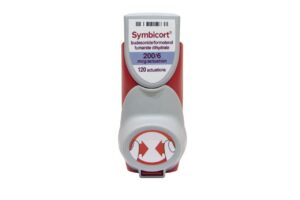
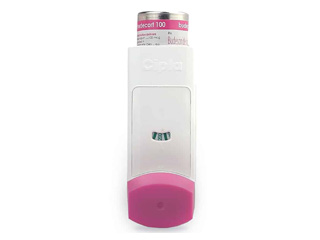
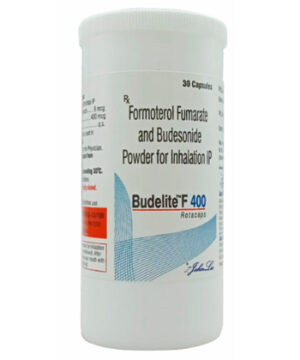
| Device types | Often metered-dose inhalers (pMDI) or dry powder inhalers (DPI), depending on brand. |
| Common side effects | Hoarseness, sore throat, mouth/throat irritation; thrush (oral yeast infection). |
Basic product information
Budesonide is an inhaled corticosteroid (also called a “steroid preventer” in Australia). It works directly in the lungs to calm inflammation. Because it targets inflammation rather than directly relaxing muscles, budesonide is not intended for rapid relief of an acute asthma attack. For immediate symptom relief, people typically use a fast-acting reliever inhaler such as a short-acting beta2 agonist (SABA), or as otherwise recommended in an asthma action plan.
Budesonide inhalers may be supplied in different strengths and device types. Your exact dosing schedule depends on your asthma severity, age, and the inhaler strength you have.
How budesonide works (mechanism of action)
In asthma, the airways become inflamed and overly sensitive. Inflammation can cause:
- Swelling of the airway lining
- Increased mucus production
- Airway narrowing and reduced airflow
- Greater tendency to wheeze and cough
Budesonide is a corticosteroid that helps reduce this inflammation. After inhalation, it binds to glucocorticoid receptors in airway tissues, leading to changes in gene expression that:
- Decrease inflammatory messenger substances
- Reduce recruitment of inflammatory cells
- Stabilise airway tissues and improve airway responsiveness
- Improve asthma control over time
The key benefit is prevention and control, reducing symptoms and the likelihood of flare-ups.
Pharmacokinetics (how the body handles it)
When you use an inhaled budesonide product, only a portion reaches the lower airways; some may be deposited in the mouth and swallowed. The medicine is absorbed into the bloodstream and processed mainly by the liver.
- Absorption: Inhaled budesonide reaches lung tissue; swallowed fraction may contribute to systemic exposure.
- Metabolism: Most budesonide is metabolised in the liver by enzymes (primarily CYP3A4) into less active metabolites.
- Elimination: Metabolites are eliminated mainly through the kidneys (urine).
- Systemic effects: Because it is inhaled and metabolised quickly, systemic exposure is generally lower than with oral steroids, though higher doses can increase risk.
Importantly, the local anti-inflammatory effect in the lungs is the main therapeutic action.
Typical use (what it’s for)
Budesonide inhaler is used as a controller medicine to maintain asthma control. It can help:
- Reduce daytime symptoms (wheeze, cough, shortness of breath)
- Reduce nighttime symptoms
- Decrease the frequency of asthma flare-ups
- Improve lung function
- Reduce the need for reliever medication
In some patients, clinicians may also recommend budesonide inhalers for other inflammatory airway conditions. Always follow your clinician’s plan and local product information for your specific inhaler type and strength.
How to use it and timing (when to take it)
Budesonide inhalers work best when used regularly. Many people use it once or twice daily depending on their prescribed regimen.
General timing guidance
- Consistency matters: Try to take it at the same times each day.
- Controller vs reliever: Budesonide is not a substitute for your quick-relief inhaler.
- After symptoms improve: Continue even if you feel better—this helps prevent flare-ups.
Use with a spacer (if your device requires it)
Some pressurised metered-dose inhalers (pMDIs) may benefit from using a spacer, especially for children, older adults, or anyone who has difficulty coordinating breathing with actuation. A spacer can improve delivery to the lungs and reduce throat deposition.
- Check the packaging instructions for your specific product and device.
- If you’re using a spacer, ask your pharmacist or clinician to check your technique.
Food interactions
There are usually no significant food interactions with inhaled budesonide because absorption is primarily via the lungs and systemic exposure is limited. However, general practical considerations include:
- Oral hygiene: Rinse your mouth and spit after use (or brush teeth if advised). This reduces the chance of mouth/throat irritation and thrush.
- Eating/drinking after inhalation: If you eat or drink soon after, you may still reduce effectiveness in the mouth area; rinsing afterward is still recommended.
If your clinician advises otherwise for your specific situation, follow that advice.
Alcohol and medicine interactions
Alcohol
There is no specific alcohol interaction unique to inhaled budesonide in most patients. However, alcohol can affect asthma control for some people (for example by worsening breathing symptoms, sleep quality, dehydration, or reflux). If you notice alcohol triggers asthma symptoms, consider limiting intake and discussing this with your healthcare professional.
Medicine interactions
Budesonide is metabolised in the liver, mainly by CYP3A4. Certain medicines can increase budesonide levels in the body, potentially raising the risk of systemic corticosteroid effects (such as Cushing-like features, adrenal suppression, or reduced immune response).
- CYP3A4 inhibitors: Examples can include some antifungal medicines (e.g., ketoconazole, itraconazole) and some antiviral medicines (e.g., certain HIV therapies). Effects may be significant.
- Other steroids: Using additional corticosteroids (inhaled, oral, or intranasal) may increase total steroid exposure.
- Immunosuppressive medicines: Combining with other immunosuppressants can affect immune function.
- Some antibiotics: Certain antibiotics can also influence drug metabolism in specific circumstances.
Tell your pharmacist or clinician about all medicines you take, including non-prescription products, supplements, and herbal remedies.
Indications (when budesonide is commonly recommended)
In Australia, budesonide inhaler is typically used as an anti-inflammatory controller for asthma. It is indicated for preventing symptoms and reducing exacerbations in people who need regular maintenance therapy.
Selection of therapy (for example, dose and whether it’s used alone or in combination with a long-acting bronchodilator) depends on:
- Your asthma severity and control level
- Your age
- Your current inhaler technique
- History of flare-ups
- Other health conditions and medication interactions
Dosing (typical adult and child approach)
Dosing is individualised. Always use the dose and schedule on your product label or as instructed by your clinician.
Below is general information about how dosing is usually approached. It is not a substitute for personalised advice.
Typical principles
- Start dose: Chosen based on asthma severity/control.
- Titration: Dose may be increased or decreased depending on response, side effects, and control.
- Maximum benefit: Usually develops over days to weeks, so follow the plan rather than adjusting suddenly.
Missed doses
- If you miss a dose, take it when you remember unless it’s close to the next scheduled dose.
- Do not take double doses to make up for a missed dose.
When to seek medical advice urgently
Seek urgent medical help if you have severe breathlessness, difficulty speaking due to breathlessness, blue lips or face, or your reliever inhaler is not helping as usual. If you have an action plan, follow it.
Safety profile and side effects
Budesonide inhaler is generally well tolerated when used correctly at prescribed doses. Because it is inhaled, systemic effects are usually lower than with oral steroids, but they can still occur—particularly with higher doses, long-term use, or poor technique.
Common side effects
- Hoarseness or voice changes
- Sore throat or throat irritation
- Cough or mild throat discomfort after inhalation
- Oral thrush (candidiasis)—white patches, soreness, or bad taste
How to reduce local side effects
- Rinse your mouth and spit (or brush teeth) after each dose.
- Use a spacer if appropriate for your device.
- Use correct inhaler technique.
- Check that the inhaler fits your age and coordination needs.
Less common but important risks
- Systemic corticosteroid effects: More likely with high doses over time (for example, slowed growth in children, bruising, cataracts, or reduced bone density).
- Adrenal suppression: Rare with inhaled doses, but risk increases with high or long-term dosing and when combined with other steroid medicines.
- Infections: Corticosteroids can slightly increase susceptibility to some infections.
- Paradoxical bronchospasm: Rare—wheezing may worsen right after dosing.
- Ocular effects: Long-term steroid use may increase cataract or glaucoma risk; regular eye checks may be advised.
When to stop and get help
Contact a healthcare professional promptly if you experience:
- Signs of thrush that don’t improve with mouth rinsing and medical advice
- Unusual infections, persistent fever, or worsening breathing
- Sudden severe wheezing after using the inhaler
- Visual symptoms (blurred vision, eye pain) with prolonged use
Practical use tips (making your inhaler work better)
Correct technique is one of the biggest determinants of success with inhaled medicines. Consider these tips:
- Read the device instructions: Each inhaler type (pMDI vs DPI) uses a different technique.
- Don’t rush: Inhalation should be coordinated correctly (pMDI) or properly fast and deep (DPI) as instructed.
- Check breath control: Exhale fully before inhaling, then inhale as directed.
- Hold your breath briefly: Usually 5–10 seconds if comfortable (follow the device instructions).
- Rinse and spit: After each dose to reduce mouth side effects.
- Track usage: If you frequently need extra reliever medication, you may need a review of your asthma plan.
- Keep inhalers accessible: Asthma control is easier when medicines are available at home and work/school.
If you’re unsure about your technique, ask your pharmacist or practice nurse. They can often observe your inhaler use and correct key steps.
Alternative options
Depending on your asthma severity and personal needs, alternative controller options may include:
- Other inhaled corticosteroids (different molecules/brands)
- Combination inhalers that pair an inhaled corticosteroid with a long-acting bronchodilator (for some patients)
- Non-steroid controller options in selected cases (as advised by a clinician)
- Reliever inhalers for quick symptom relief (not a replacement for controller therapy)
Your clinician may choose alternatives based on response, side effects, inhaler preference, and device suitability.
Market and legal context in Australia (what you should know)
In Australia, inhaled corticosteroids are widely used under asthma management guidelines. Availability and supply may be influenced by:
- Australian regulatory requirements (TGA—Therapeutic Goods Administration)
- Product listing and approved indications
- Pharmacy supply rules for the specific medicine and strength
- Clinical practice guidelines (including regular review of asthma control)
For online pharmacy purchases, the specific supply conditions can vary by product and patient category. Always ensure you select the correct inhaler strength, device type, and dosing instructions consistent with your treatment plan.
Recent guidance (general trends in asthma care)
Asthma management guidance in Australia commonly emphasises:
- Regular assessment of control and inhaler technique
- Controller adherence (using preventer medicines consistently)
- Early review after poor control, rather than simply increasing reliever use
- Individualised step-up or step-down therapy depending on symptom frequency and exacerbation history
- Checking for triggers such as allergens, smoke exposure, infections, and exercise-related symptoms
Recommendations may evolve over time. If you have questions about the most current approach for your condition, discuss with a clinician or pharmacist.
Delivery and availability (online pharmacy information)
Budesonide inhalers are typically stocked as different brands, strengths, and device types. Availability can vary by manufacturer and supply schedules. When ordering online in Australia:
- Choose the correct product: Confirm strength and inhaler type (pMDI vs DPI) before purchase.
- Check expiry dates: Reliable online pharmacies display expiry information.
- Delivery timelines: Delivery speed depends on your location and courier service.
- Storage: Store as directed on the packaging (generally at room temperature, protected from excessive heat and moisture).
If you’re replacing your inhaler, ensure it matches what you previously used—different devices can have different instructions.
FAQ — Budesonide Inhaler
1. Is budesonide a reliever or a preventer?
Budesonide is a preventer/controller inhaler. It reduces airway inflammation over time. It is not designed for rapid relief during an asthma attack.
2. How quickly will it work?
Some improvement may occur within a few days, but the full benefit often takes 1–2 weeks (or longer) with regular use.
3. Should I keep using budesonide if I feel better?
Yes. Budesonide is intended for ongoing control. Stopping suddenly can lead to worsening symptoms. Discuss any changes with a clinician.
4. What if I forget a dose?
Take it when you remember unless it’s close to your next dose. Do not take double doses.
5. Can budesonide cause thrush?
Yes, thrush can occur, especially if you don’t rinse your mouth after using the inhaler. Rinsing and using a spacer (if appropriate) can reduce the risk.
6. Do I need a spacer?
A spacer can improve delivery to the lungs for some inhaler types and users, particularly children. The need depends on your specific inhaler device. Check your product instructions or ask your pharmacist.
7. Are there any food interactions?
No significant food interactions are expected with inhaled budesonide for most people. Mouth rinsing after use is still recommended.
8. Can I drink alcohol?
There isn’t a specific direct interaction for most people, but alcohol may worsen asthma symptoms in some. If alcohol triggers your breathing problems, reduce it and talk to your healthcare professional.
9. What medicines should I avoid?
Medicines that strongly affect liver metabolism (for example, some antifungals or antivirals) may increase budesonide levels. Tell your pharmacist about everything you take, including supplements.
10. What should I do if my asthma is not controlled?
If symptoms persist, you’re waking at night, or you need your reliever more often, arrange a medication review. Adjusting controller therapy without proper assessment can be unsafe.
Important reminder
This information is designed to help you understand budesonide inhaler use and safety. Always follow the instructions provided with your specific inhaler brand and strength, and seek professional advice if you’re unsure about technique, dosing, or side effects.