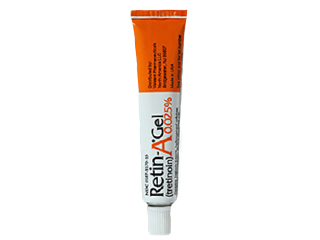
Retin-A Gel (Tretinoin) – Patient-Friendly Information (Australia)
Retin-A Gel is a topical medicine containing tretinoin, a form of vitamin A used to treat acne and to support smoother-looking skin. This guide explains how Retin-A Gel works, how to use it safely and effectively, what to expect in the first weeks, and key safety considerations.
Please note: individual needs vary. Always follow the instructions provided with your product and seek professional advice for personalised guidance.
Basic product information
| Category | Details |
|---|---|
| Active ingredient | Tretinoin (a topical retinoid) |
| Product | Retin-A Gel |
| Common strengths | Available in different strengths depending on formulation/market availability |
| Dosage form | Topical gel for skin |
| How it’s used | Applied to clean, dry skin in a thin layer |
| Typical conditions | Acne (including comedonal acne); may be used under clinician guidance for specific skin concerns |
How Retin-A Gel works (mechanism of action)
Tretinoin is a retinoid. On the skin, it helps normalise the process by which skin cells shed and renew. This can improve acne by:
- Reducing clogged pores by promoting more normal shedding of dead skin cells.
- Helping prevent comedones (blackheads and whiteheads) from forming.
- Supporting smoother skin turnover, which can reduce visible bumps over time.
- Reducing inflammation associated with acne lesions in many people.
Retin-A Gel does not usually work instantly. Acne improvement typically happens gradually as blocked pores open and inflammation settles.
Pharmacokinetics (how the medicine behaves in the body)
When applied to the skin, tretinoin is generally absorbed into the bloodstream in small amounts. Most of the medicine remains focused in the skin where it acts on skin cells.
- Absorption: Limited systemic absorption when used as directed on intact skin.
- Distribution: Any absorbed fraction distributes through the bloodstream.
- Metabolism: Tretinoin is metabolised in the body after absorption.
- Excretion: Metabolites are eliminated primarily through normal body processes.
Practical takeaway: because absorption is low for typical use, systemic side effects are uncommon when used appropriately. However, it’s still important to follow safety advice, particularly regarding pregnancy and severe skin irritation.
What it’s used for (typical use and indications)
Retin-A Gel (tretinoin) is primarily used for acne, especially where clogged pores and comedones are involved. In clinical practice, topical tretinoin may also be used for certain acne patterns and skin texture concerns depending on local guidance and suitability.
Common indications include:
- Comedonal acne (blackheads and whiteheads)
- Inflammatory acne (red, sore pimples) as part of a broader plan
- Acne-prone skin where prevention of new comedones is a goal
If you’re unsure whether Retin-A Gel is right for your skin concern, consider discussing symptoms, product strength, and tolerance with a qualified health professional.
How and when to apply (timing and routine)
Most people use Retin-A Gel in the evening, because it can increase skin sensitivity to sunlight.
Typical application steps
- Wash your face gently with a mild cleanser.
- Wait until skin is fully dry (usually 15–30 minutes). Applying to damp skin can increase irritation.
- Apply a thin layer to the areas that need treatment (not heavy coverage).
- Use fingertips to spread thinly; avoid rubbing vigorously.
- Wash your hands after application.
How often to use
Many people start slowly to reduce irritation. A common approach is:
- Weeks 1–2: apply a small amount every second night (or as tolerated)
- Weeks 3–6: increase to nightly use if well tolerated
- After improvement: maintain with the frequency that keeps acne controlled with minimal irritation
Your tolerance may differ. If redness, burning, or peeling becomes uncomfortable, reduce frequency and focus on moisturising and barrier repair.
Expected timeline
- Early weeks (0–4): dryness, mild irritation, or a possible “purge”/temporary worsening can occur.
- Middle period (4–8 weeks): fewer clogged pores may begin to show.
- Longer term (8–12+ weeks): more noticeable improvement in acne and texture.
Consistency is key. Stopping too early may lead to slower progress.
Food interactions
Retin-A Gel is applied to the skin. Food interactions are not expected for topical tretinoin. However, overall health—including good nutrition and hydration—can support skin recovery, especially if you experience irritation.
Alcohol and medicine interactions
Alcohol
There is usually no direct interaction between tretinoin gel and alcohol in the way there would be with medicines taken by mouth. That said, alcohol may indirectly affect skin because it can contribute to dehydration in some people.
- If your skin feels dry or sensitive, consider limiting alcohol and increasing moisturiser use.
- Avoid applying alcohol-based products (such as strong toners) directly on treated areas, as they may worsen irritation.
Other skin medicines (common interaction concerns)
The most important “interactions” with tretinoin are with other topical products that may irritate skin or increase dryness.
- Other exfoliants (for example, strong acids) may increase irritation—use cautiously or avoid combination early on.
- Other acne actives such as benzoyl peroxide may be used in some regimens, but irritation can increase depending on your skin. If combining, consider using at different times of day or starting slowly.
- Strong cleansers and scrubs can worsen dryness and redness.
Oral medicines
Because systemic absorption from typical topical use is low, significant interactions with oral medicines are uncommon. Still, it’s important to tell a healthcare professional about all medicines you use, especially:
- Other retinoids (vitamin A derivatives)
- Medications that affect skin sensitivity
- Any treatment that may affect skin healing or immune response
Dosing guidance (how much to use)
Topical tretinoin is generally dosed by amount and coverage, not by “bulk” application.
Typical dosing approach
- Amount: use a pea-sized amount to cover the entire face (as a general guide).
- Coverage: apply a thin layer to acne-prone areas.
- Do not over-apply: more product does not usually mean faster results, but it can increase irritation.
- Eyes and lips: avoid contact with corners of the nose, eyes, and lips.
If your prescribed strength or regimen differs, follow the instructions on your product label and any accompanying directions.
Safety profile and precautions
Common side effects
The most frequently reported effects are local skin reactions, especially during the first weeks:
- Dryness
- Redness
- Peeling or flaking
- Burning or stinging
- Skin sensitivity
- Mild itching
These effects often improve as your skin adapts, but they can be reduced by using moisturiser, applying to dry skin, and starting slowly.
When to seek urgent help
Get medical advice promptly if you experience signs of a severe reaction, such as:
- Severe swelling of the face or eyelids
- Blistering or intense skin pain
- Signs of infection (spreading warmth, pus, fever)
- Widespread rash or hives
Pregnancy and breastfeeding considerations
Tretinoin is related to vitamin A derivatives. Because of potential risk considerations, avoid using topical tretinoin during pregnancy unless a clinician specifically advises otherwise. If you are planning pregnancy or could become pregnant, discuss options early.
For breastfeeding, speak with a healthcare professional about suitability and safe use practices.
Sun sensitivity
Retinoids can increase sensitivity to sunlight. Use daily sunscreen (broad-spectrum SPF 30+ or higher) and consider protective clothing.
Skin care compatibility
Using the correct skincare routine can dramatically improve tolerance:
- Choose a gentle cleanser (non-scrubbing).
- Use a non-comedogenic moisturiser.
- Avoid harsh “acne scrubs” and strong fragranced products on treated areas.
Practical tips for best results
1) Moisturise to reduce irritation
Many people find it helpful to apply moisturiser after tretinoin or to use a moisturiser “sandwich” method:
- Apply a moisturiser layer
- Wait briefly
- Apply a thin layer of Retin-A Gel
- Finish with moisturiser (if needed)
2) Be consistent, not excessive
Acne treatment is gradual. Over-applying may worsen irritation without improving outcomes.
3) Protect your skin in Australia’s sun
Australian UV levels are high. Apply sunscreen every morning and reapply if you’re outdoors. Consider sunglasses and hats for extra protection.
4) Avoid applying after shaving or waxing
Skin may be more sensitive after hair removal. Allow the skin to calm for at least 24 hours, if possible.
5) Manage “purging” vs irritation
- Purging: temporary increase in acne in areas where you normally break out, usually within the early treatment weeks.
- Irritation: persistent burning, severe redness, or widespread dermatitis beyond acne areas.
If irritation is significant, reduce frequency and moisturise. If you’re unsure, seek guidance.
Alternative options for acne and similar concerns
Depending on your acne type, skin sensitivity, and response, there are several alternatives to consider:
Topical alternatives
- Adapalene (a retinoid with often good tolerability for some people)
- Benzoyl peroxide (targets acne bacteria and inflammation)
- Topical antibiotics (typically used for limited durations as part of combination plans)
- Azelaic acid (often suitable for sensitive skin)
- Salicylic acid (helps with clogged pores; may irritate some users)
Non-topical and professional options
- Oral therapies for moderate-to-severe acne (discuss with a clinician)
- Procedures such as laser/light therapies where appropriate
If Retin-A Gel doesn’t suit you due to irritation or lack of response, ask a healthcare professional or pharmacist about other evidence-based options.
Market and legal context for Australia (overview)
In Australia, access to prescription-only and pharmacist-only medicines is regulated under the national medicines framework. Topical tretinoin preparations may be available under different arrangements depending on strength, brand, and current regulatory status.
Availability can also change due to product registration, supply, or subsidy arrangements (such as medicines benefits where applicable). For the latest status, check the product listing on the website and any current guidance from Australian health authorities.
Recent guidance and practical trends
Current dermatology guidance commonly emphasises:
- Slow initiation of retinoids to reduce irritation
- Sun protection as a routine step
- Using moisturisers to support skin barrier function
- Combination therapy when needed, to target acne through multiple mechanisms
- Patient education on timelines (improvement typically takes weeks to months)
If you have questions about how Retin-A Gel fits into an acne plan, a pharmacist can often provide product and routine advice.
Delivery and availability
Retin-A Gel availability may vary depending on product strength and supply. Online pharmacy delivery in Australia typically includes:
- Secure packaging to protect the gel container
- Tracking options (where available)
- Delivery time estimates depending on your location
Store the gel as directed on the label (typically at room temperature) and keep it out of direct sunlight. Check expiry dates before use.
Frequently Asked Questions (FAQ)
1) How long does it take to see results with Retin-A Gel?
Many people notice changes in about 4–8 weeks, with more significant improvement by 8–12 weeks or longer. Early irritation or a temporary “purge” can occur in the first weeks.
2) Can I use Retin-A Gel every day?
Some people can, but many start with every second night and increase gradually. If your skin is getting very irritated, reduce frequency and use moisturiser.
3) Should I apply it in the morning or at night?
Most people apply tretinoin at night, because it can increase sensitivity to sunlight. Use sunscreen in the morning regardless.
4) Will it make my acne worse at first?
A temporary increase in acne lesions can happen early (purging). However, severe burning, intense redness, or worsening well beyond acne areas may mean irritation. If that happens, adjust frequency and seek advice.
5) Can I combine Retin-A Gel with moisturiser?
Yes. In fact, moisturiser is often recommended to reduce dryness. You may apply moisturiser before and/or after tretinoin, depending on comfort and tolerance.
6) Can I use benzoyl peroxide with it?
Some acne regimens combine tretinoin and benzoyl peroxide, but irritation can increase for some people. Consider starting slowly, using different times of day, and using moisturiser. If you experience significant irritation, stop and seek guidance.
7) Is it safe to shave or wear makeup?
Shaving may increase sensitivity. Try to avoid applying Retin-A Gel immediately after shaving. Makeup is usually fine if your skin tolerates the product, but use non-comedogenic options and ensure you cleanse gently at night.
8) Can I use Retin-A Gel on other body areas?
Retin-A Gel is typically used on acne-prone areas on the face. If you want to use it elsewhere, discuss with a healthcare professional, as different body skin may respond differently.
9) What if I accidentally get it in my eyes?
Rinse immediately with plenty of water. Seek medical attention if irritation persists or is severe.
10) What should I do if my skin becomes too irritated?
Reduce the frequency (for example, use every third night), apply moisturiser more consistently, and avoid other potentially irritating products (strong acids, scrubs, alcohol-based toners). If symptoms are severe or don’t improve, seek advice.
11) Are there any food or drink interactions?
There are no expected food interactions for topical tretinoin. Some people find that alcohol can indirectly worsen dryness, so moderation may help if your skin is sensitive.
12) Can I use Retin-A Gel if I’m pregnant or breastfeeding?
Avoid use in pregnancy unless advised by a healthcare professional. If breastfeeding, discuss suitability and safe application practices with a clinician.
Summary
Retin-A Gel (tretinoin) is a topical retinoid used mainly for acne by helping normalise skin cell turnover and unclog pores. Results develop gradually over weeks to months. Begin slowly, apply to clean dry skin, moisturise to support your skin barrier, and use daily sunscreen—especially important in Australia’s strong sun.
If you experience severe irritation or have concerns about compatibility with other treatments or life circumstances (such as pregnancy), seek professional advice.