Permethrin (Topical) — Patient Information for Australia
Permethrin is a widely used medicine for treating certain common skin infestations caused by parasites. In Australia, permethrin topical products are available in different strengths and formulations depending on the condition being treated. This guide explains how permethrin works, when it’s used, how to apply it, what to expect, and important safety and interaction information.
Always read the consumer medicine information (CMI) and follow the instructions provided with your specific permethrin product.
Basic product information
| Feature | What you need to know |
|---|---|
| Active ingredient | Permethrin (pyrethroid insecticide) |
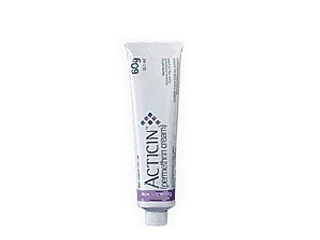
| Common forms | Cream (often for skin conditions), lotion/cream rinse or similar topical preparations (for lice, depending on brand) |
| How it works | Kills/knocks down parasites by affecting their nervous system |
| Who it treats | Conditions such as scabies and head lice (depending on product strength and directions) |
| Availability in Australia | Many permethrin topical products are sold via pharmacies and may be available online. Availability can vary by strength and brand. |
What is permethrin used for?
Permethrin is used to treat specific parasitic skin and hair infestations. The most common indications include:
- Scabies: an itchy skin condition caused by the Sarcoptes scabiei mite.
- Head lice: infestation of the scalp hair with Pediculus humanus capitis.
Not all permethrin products are identical. The correct strength and application method depend on the condition. If you’re unsure which product is appropriate, consult a pharmacist.
How permethrin works (mechanism of action)
Permethrin belongs to the pyrethroid group of insecticides. It works by interfering with the normal function of the parasite’s nervous system.
- It affects sodium channels in nerve cells, leading to abnormal nerve signalling.
- This disrupts movement and survival of the parasite, resulting in death or paralysis.
- Because it is applied to the skin/scalp, its action is primarily local to the infestation site.
Permethrin is designed to have minimal absorption through intact skin when used as directed, helping reduce systemic exposure.
Pharmacokinetics: absorption, distribution, metabolism, and elimination
Pharmacokinetics describe how the body handles a medicine. For topical permethrin, absorption and systemic levels are typically low when it is used according to instructions.
- Absorption: Most topical permethrin remains on the skin surface. Systemic absorption is generally limited, though it may be higher if applied over large areas, broken skin, inflamed skin, or under occlusion (covering) as cautioned by the product directions.
- Distribution: Any absorbed permethrin distributes mainly to tissues but systemic exposure is expected to be low with proper use.
- Metabolism: Permethrin is metabolised mainly in the body to inactive metabolites.
- Elimination: Metabolites are removed primarily via urine.
Practical meaning for patients: Serious whole-body side effects are uncommon when permethrin is used correctly. However, local skin reactions can occur (see safety section).
Typical use and treatment approach
Permethrin treatment is often effective, but success depends on correct application and repeat dosing when recommended, especially for head lice where eggs may survive.
Scabies (typical approach)
- Apply to affected areas as directed (commonly including specific coverage areas depending on age and product).
- Leave on for the specified time, then wash off.
- Repeat dosing is often advised because mites can survive in the environment or within skin life stages, depending on local guidance and product instructions.
- Close contacts may also need treatment to prevent reinfestation.
Head lice (typical approach)
- Apply to the scalp and hair using the product’s instructions.
- Comb out lice/nits where recommended (commonly with a fine-toothed lice comb).
- Repeat treatment may be needed after a short interval to target lice emerging from eggs.
- Managing household contacts and environment (e.g., laundering items that have been in contact with hair) is usually part of an effective strategy.
Important: Itching can continue for days to weeks after successful scabies or lice treatment. Persistent itch does not always mean treatment failure.
Timing: when to use permethrin and how long to leave it on
Timing varies by condition and product formulation. Always follow your specific product label. As general guidance:
- Leave-on period: follow the stated duration on the packaging (commonly measured in hours for some scabies products).
- Repeat dose:
- Head lice: a repeat application is frequently recommended after a number of days to break the life cycle. Use the interval stated for your product or by your pharmacist.
- Scabies: repeat dosing is sometimes recommended, especially if symptoms persist or according to local health guidance.
- Combining with other steps: for head lice, combing and correct technique can significantly improve outcomes.
If symptoms persist beyond what’s expected, or if you’re unsure whether treatment worked, seek advice from a healthcare professional.
Indications in plain language
Permethrin is indicated for conditions where mites or lice infest the body—typically:
- Scabies: intense itching (often worse at night) and a rash or skin bumps in common areas.
- Head lice: itching and visible lice or nits (eggs) attached to hair shafts.
Because skin conditions can look similar, accurate identification matters. If you’re uncertain whether the condition is scabies or another rash, or whether lice are present, confirm with a pharmacist or doctor.
Dosing: how much to use and how often
Dosing depends on the exact product strength and the condition being treated. The steps below describe common patterns, but you must follow the instructions on your specific permethrin pack.
General dosing principles
- Use the amount stated for the area involved (for skin) or the hair/scalp coverage required (for lice).
- Apply evenly to affected areas and, for some conditions, to specific surrounding areas as directed.
- Do not exceed frequency beyond the pack instructions.
- Repeat only as directed. Overuse can increase irritation without improving effectiveness.
Scabies dosing (typical)
Many scabies permethrin creams are applied to the skin over a specified duration, then washed off. Repeat dosing may be recommended on a scheduled day. Coverage instructions can include areas such as between fingers, wrists, elbows, armpits, waist, buttocks, thighs, and genitals (varies with age and product directions).
Head lice dosing (typical)
Head lice permethrin lotions or creams are applied to damp or dry hair as directed, then left for the specified time. A fine lice comb is often used to remove lice/nits. Repeat treatment may be recommended about a week later (or per product instructions).
Children: Dosing and application instructions for children can differ, particularly for scabies coverage and hair volume. Follow the product directions carefully.
Food interactions
Topical permethrin is applied to skin or scalp and is not taken by mouth. Because systemic absorption is typically low, clinically significant food interactions are not expected.
However, if you are treating a child, ensure the product is not applied near the mouth area unless the product instructions allow it, and wash hands thoroughly after application.
Alcohol and medicine interactions
Alcohol
There are no well-established direct interactions between topical permethrin and alcohol. Because systemic exposure is expected to be low, alcohol is unlikely to affect permethrin’s action.
Other medicines
Systemic drug interactions are generally not expected. Still, interactions may occur indirectly through skin irritation:
- Using other topical products at the same site (e.g., strong antiseptics, steroid creams, or irritant lotions) may affect tolerability.
- If you are using other skin treatments, separate application times as advised by your pharmacist and follow the pack instructions.
If you take regular medicines, or you are using other treatments for skin conditions, ask a pharmacist if there are any concerns for your specific situation.
Safety profile: side effects and when to seek help
Most people tolerate permethrin well when used as directed. Common effects are usually local and mild.
Common (expected) side effects
- Skin irritation (redness, mild burning or stinging)
- Itching or mild rash at the application site
- Dryness of skin
- Tingling or transient discomfort
Less common or serious reactions (seek medical advice urgently if)
- Severe allergic reaction: swelling of face/lips, difficulty breathing, widespread hives
- Severe skin reaction: blistering, extensive rash, oozing, severe pain
- Eye exposure: persistent irritation, burning, or vision problems after accidental contact
Who should be extra cautious?
- People with a history of sensitivity to pyrethroids or other similar products.
- Individuals with very inflamed or damaged skin.
- Young children and infants—follow age-specific instructions carefully.
- Pregnancy and breastfeeding: topical permethrin is commonly used when needed, but you should discuss suitability with a healthcare professional if you are unsure.
Practical use tips (how to get the best results)
For many infestations, the medicine works, but success often depends on application technique and managing reinfestation.
Before you start
- Confirm the condition (scabies vs other rash; lice vs dandruff).
- Read the entire pack instructions.
- Check your product strength matches the condition (scabies vs head lice).
During application
- Use gloves if recommended by the product instructions.
- Apply thinly but thoroughly—avoid missing areas.
- Avoid eyes and mucous membranes (nose, mouth, genitals) unless explicitly instructed.
- Wash hands well after application.
- Do not bandage or cover unless instructed.
After the treatment time
- Wash off at the recommended time.
- Use clean towels and clothing as advised.
- Do not reapply sooner than recommended.
Managing the environment and close contacts
Reinfestation can happen if parasites persist in close contacts or on items that have been in contact with hair/skin.
- Head lice:
- Check household contacts as advised.
- Launder recently used bedding, hats, and clothing where possible.
- Soak combs and brushes in hot water as directed.
- Scabies:
- Treat close contacts as advised (because scabies can spread through close skin-to-skin contact).
- Launder clothing and bedding used recently as instructed.
Note: If you see new spots or persistent symptoms, do not assume treatment failure immediately—some symptoms (especially itch) can persist after successful eradication.
Alternative options
Depending on the condition and your circumstances, other treatments may be considered.
For scabies
- Other topical scabicides (varies by local availability and guidance).
- Oral antiparasitic options may be used in some cases under clinical guidance, especially for widespread or resistant scabies.
- Symptom relief (for itch) may be used alongside antiparasitic treatment as advised.
For head lice
- Other anti-lice treatments (including different active ingredients) may be considered if permethrin doesn’t work.
- Dimeticone-based products can be an alternative in some settings.
- Thorough combing and repeat cycles remain important, regardless of active ingredient.
If you’ve treated correctly and symptoms persist, a pharmacist can help assess whether you need a different product, additional cycles, or confirmation of diagnosis.
Market and legal context in Australia (overview)
In Australia, medicines are regulated under national health frameworks, including requirements for scheduling, labelling, and quality standards. Product availability for permethrin depends on the formulation and the current regulatory status of that product in the Australian market.
Online pharmacies typically require appropriate product information, correct selection of strength/formulation, and adherence to consumer medicine information. Always ensure you are purchasing a genuine Australian product from a reputable supplier.
Important: Avoid using products meant for one condition on another condition unless the label or clinician/pharmacist confirms suitability (for example, scabies-specific dosing instructions differ from head lice instructions).
Recent guidance and practical updates (Australia-focused)
Guidance for scabies and head lice in Australia can evolve with new evidence, especially regarding treatment resistance and best-practice education (e.g., repeat treatment timing and contact management). Key themes often include:
- Correct diagnosis and confirming infestation/mites/lice before repeated treatments.
- Repeat application timing to target life-cycle stages not killed in the first pass.
- Contact and environmental management to reduce reinfestation.
- Monitoring for reduced responsiveness: where resistance is suspected, switching active ingredients or following local health advice may be recommended.
If permethrin doesn’t work as expected after using it correctly, ask a pharmacist about the most up-to-date options for your situation.
Delivery and availability (online pharmacy information)
Permethrin topical products may be available through Australian online pharmacies. Delivery options, shipping fees, and dispatch times depend on the supplier and your location.
- Check stock availability: some strengths and brands may sell out quickly.
- Confirm the product type: scabies cream vs head lice lotion/cream rinse.
- Review pack size: treatment courses may require one or more packs depending on area (scabies) or hair length (head lice).
Because formulations can vary, always confirm the exact product listed matches the condition you’re treating before ordering.
FAQ: Permethrin for scabies and head lice
1) Will permethrin kill lice and scabies immediately?
Permethrin is designed to kill or paralyse parasites on contact, but complete eradication often depends on correct coverage and follow-up treatment. For head lice, eggs may survive the first application, which is why repeat treatment is commonly recommended on schedule.
2) Why is my skin still itchy after treatment?
Itching can persist for days to weeks after successful scabies treatment due to an ongoing inflammatory response. Persistent itch alone does not always mean treatment failure. If symptoms worsen significantly or you develop new widespread skin reactions, seek advice.
3) How long should I leave permethrin on?
Follow the time stated on your product label or instructions. The leave-on period varies by product and condition.
4) Can I wash my hair or body before the recommended time?
Washing off early may reduce effectiveness. Apply and leave permethrin for the full recommended duration.
5) Can I use permethrin more than once in a day?
No. Do not apply more frequently than directed. If you are unsure, speak to a pharmacist for advice about correct timing and repeat cycles.
6) What if I miss an area while applying?
Try to apply to the missing area correctly if the product instructions allow. In many cases, the scheduled repeat dose helps address missed life-cycle stages (particularly for head lice). For scabies, thorough coverage matters—consider seeking advice if application may have been incomplete.
7) Do I need to treat household contacts?
Often, yes—particularly for scabies where close skin-to-skin contact can spread infestation. For head lice, checking and treating infested close contacts can prevent reinfestation. Follow local guidance and the advice on your product or from your pharmacist.
8) Can I combine permethrin with other creams?
To minimise skin irritation and confusion, avoid applying other topical products to the same area at the same time unless your pharmacist advises it. If using moisturisers or other soothing products, ask when to apply relative to your permethrin treatment.
9) Is permethrin safe for children?
Permethrin is used in children when appropriate, but age-specific instructions are important. Always use the correct product and follow label directions carefully. If a child is very young or you’re unsure, ask a pharmacist.
10) What should I do if permethrin gets in my eyes?
Rinse eyes with water immediately and thoroughly. If irritation persists, seek medical advice urgently.
11) What if symptoms don’t improve after treatment?
First, confirm that the product was used correctly and at the correct time, including repeat dose if recommended. Then consider whether diagnosis is correct and whether resistant lice/mite infestation could be a factor. A pharmacist can help you choose the next best step.
12) Is there any impact from food or alcohol?
Food interactions are not expected with topical permethrin. Direct alcohol interactions are not generally expected either. If you’re taking other medicines, topical interactions are unlikely, but local skin irritation can be a factor—so keep applications separate if advised.
Summary
Permethrin is a topical pyrethroid medicine used in Australia to treat infestations such as scabies and head lice. It works by disrupting parasite nerve function, with low systemic absorption when used correctly. For best results, apply thoroughly, follow the recommended leave-on time, and repeat treatment when the product instructions specify—especially for head lice. Manage close contacts and relevant household items to reduce the risk of reinfestation.
If you have persistent or severe symptoms, or if you are unsure whether permethrin is the right treatment for your condition, consult a pharmacist or healthcare professional.