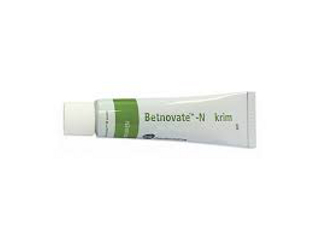
Betamethasone (Betamethasone) — Patient-Friendly Guide (Australia)
Betamethasone is a corticosteroid medicine used to reduce inflammation and calm overactive immune responses. In Australia, betamethasone products may be supplied in different forms (for example, tablets, injections, creams/ointments, eye preparations, or combination products). The exact use, dosing, and safety considerations depend on the form and the condition being treated.
This guide explains how betamethasone works, typical uses, timing, interactions (including food and alcohol), and practical tips to help you use your medicine safely and effectively.
Basic product information
- Active ingredient: Betamethasone
- Medicine type: Corticosteroid (glucocorticoid)
- Common brand examples: Varies by product and formulation (your pharmacy label will specify the brand)
- Available forms: Tablets, injections, creams/ointments, and other specialized formulations (depending on the product)
- How it works: Reduces inflammation and alters immune signalling
Important: Always check the specific product you have (strength and form). The information below applies to betamethasone generally; individual product instructions may differ.
How betamethasone works (mechanism of action)
Betamethasone is a synthetic glucocorticoid. It helps reduce inflammation by affecting several pathways in the body:
- Decreases inflammatory chemicals (including prostaglandins and leukotrienes) involved in swelling, redness, and pain.
- Modifies immune cell activity, reducing immune-driven symptoms.
- Reduces capillary permeability, which can help limit fluid leakage into tissues.
- Alters gene expression in immune and inflammatory cells, leading to longer-lasting anti-inflammatory effects.
Corticosteroids do not “cure” the underlying condition, but they can significantly reduce symptoms and inflammation while other treatments take effect.
Pharmacokinetics (how your body handles betamethasone)
Pharmacokinetics describes how a medicine is absorbed, distributed, metabolised, and excreted.
- Absorption: Depends on formulation. Oral tablets are absorbed from the gastrointestinal tract. Topical and injected forms have different absorption patterns.
- Distribution: Corticosteroids distribute through body tissues. They may bind to plasma proteins (including corticosteroid-binding globulin).
- Metabolism: Betamethasone is metabolised mainly in the liver.
- Elimination: Metabolites are excreted primarily via the kidneys. The rate varies among individuals.
- Duration: Betamethasone is typically considered to have a relatively long duration of action compared with some other steroids, which is why dosing schedules are often once or a few times daily (depending on the condition and formulation).
If you have liver disease or take multiple medicines, your prescriber/pharmacist may adjust the plan to minimise risk.
Typical uses (indications)
Betamethasone is used for conditions where inflammation and immune activity contribute to symptoms. Common indications (depending on product/form) include:
Inflammatory and immune conditions
- Severe allergic and inflammatory conditions
- Autoimmune flare management (as part of a broader treatment plan)
- Inflammatory disorders affecting skin, joints, or other organs (often depending on the formulation)
Skin conditions
- Selected inflammatory skin diseases (topical formulations may be used under guidance)
Asthma and respiratory inflammation
- Sometimes used in certain severe exacerbation plans or as part of specialist care (depending on product type and local protocols)
Other specialist uses
- Some betamethasone injections are used for specific medical scenarios under hospital/specialist supervision.
Note: Indications vary by betamethasone product (tablet vs cream vs injection vs combination products). Always follow the advice specific to your medicine and condition.
Timing and how to take betamethasone
Correct timing can improve comfort and reduce side effects.
Oral tablets (general guidance)
- Morning is often preferred: Many corticosteroid regimens are taken in the morning to better match the body’s natural cortisol rhythm.
- Follow your schedule exactly: If you’re taking once daily, choose a consistent time each morning.
- Take with food if it upsets your stomach: This can reduce nausea or stomach irritation.
Topical creams/ointments
- Apply as a thin layer to affected skin areas.
- Avoid applying to large areas unless instructed.
- Do not cover with tight bandages unless directed.
Injectable or specialized formulations
- These are typically administered in healthcare settings.
- Your healthcare professional will determine dosing and timing based on the specific indication.
Do not stop suddenly after longer courses, as this can cause adrenal insufficiency. Your clinician may use a tapering schedule if needed.
Food interactions
Betamethasone has limited direct food interactions, but food can affect tolerability and certain side effects.
- Taking with meals: Food can help reduce stomach upset, especially with oral tablets.
- Grapefruit: Grapefruit and grapefruit juice can interfere with drug metabolism for some medicines. While betamethasone is not a classic grapefruit-interaction medicine, it’s still wise to discuss grapefruit intake with your pharmacist if you take other interacting medications.
- Hydration: Some patients experience fluid retention; maintaining normal fluid intake can help you monitor changes.
If you have diabetes or are at risk of high blood sugar, you may need more careful meal planning, as corticosteroids can raise glucose levels.
Alcohol and medicine interactions
Alcohol can increase the risk of stomach irritation and may worsen certain side effects such as mood changes, sleep disturbance, and blood sugar control. For safety:
- Limit or avoid alcohol while taking betamethasone, particularly if you have a history of gastritis, reflux, ulcers, or liver problems.
- If you are taking other medicines that increase bleeding risk or irritate the stomach, alcohol can further raise risk.
Common medicine interactions (important)
Interactions depend on your other medications and your betamethasone form. Tell your pharmacist about all medicines, including non-prescription products and supplements.
- NSAIDs (e.g., ibuprofen, naproxen): Together may increase risk of stomach irritation or ulcers.
- Anticoagulants (e.g., warfarin): Corticosteroids may affect bleeding/clotting control; INR monitoring may be needed.
- Diabetes medicines: Betamethasone can raise blood glucose, possibly requiring adjustment of diabetes treatment.
- Diuretics: If combined, there may be changes in electrolytes (including potassium), depending on the regimen.
- Vaccines: Live vaccines may be unsafe during significant immunosuppression from corticosteroids. Your pharmacist/doctor can advise which vaccines are appropriate.
- Enzyme inducers (some anti-seizure medicines, rifampicin): May reduce steroid effectiveness.
- CYP/enzymes inhibitors (some antifungals): May increase steroid effects, raising the risk of side effects.
Always seek advice before starting or stopping medicines alongside betamethasone.
Dosing (general information)
Dose depends on the condition, severity, your response, and the formulation (oral vs topical vs injection). Therefore, exact dosing should always follow the instructions provided with your specific product and clinician guidance.
Typical dosing principles include:
- Lowest effective dose for the shortest duration compatible with treatment goals.
- Once-daily dosing is common for oral regimens, especially in non-emergency inflammatory treatment.
- Tapering: If you have been taking it for more than a few weeks (or at higher doses), your clinician may reduce gradually.
If you’re unsure about your dose schedule, check the label or ask your pharmacist. Do not adjust the dose on your own.
Safety profile and side effects
Like all medicines, betamethasone can cause side effects. Many side effects are dose-related and more likely with longer treatment or higher doses.
Common side effects
- Stomach irritation (nausea, indigestion)
- Increased appetite
- Sleep disturbance, restlessness
- Mood changes (irritability, anxiety)
- Headache
- Fluid retention or swelling
- Changes in blood sugar levels
Less common but serious risks
- Infection risk: Corticosteroids can reduce immune response, increasing susceptibility to infection.
- Adrenal suppression: With prolonged use, the body’s own cortisol production may decrease.
- Eye problems: Long-term use can increase risk of glaucoma or cataracts.
- Bone thinning: Prolonged use may contribute to osteoporosis.
- Blood pressure and cholesterol changes: Possible with longer courses.
- Skin thinning: More relevant to topical use and high doses.
Seek urgent medical help if you develop
- Signs of severe infection (e.g., fever, chills, worsening cough, painful urination)
- Severe allergic reaction (swelling of face/lips, difficulty breathing, hives)
- Black/tarry stools, vomiting blood, or severe stomach pain
- Sudden severe mood changes or confusion
Practical use tips (to get the best results safely)
- Take at the right time: For oral tablets, many regimens are designed for morning dosing. If you’re unsure, confirm with your pharmacist.
- Use food strategically: If your stomach feels upset, take with meals or milk (unless your specific product instructions differ).
- Monitor blood sugar: If you have diabetes or symptoms of high blood sugar (increased thirst, frequent urination), consider checking glucose more often and discuss with your doctor.
- Keep track of symptoms: Note improvement and any side effects so your clinician can adjust the plan.
- Don’t stop abruptly after longer use: Ask about tapering schedules if you’ve been on treatment for more than a short period.
- Topical steroid skin care: Avoid applying to broken skin, reduce use around sensitive areas (like face or groin) unless directed, and wash hands after application.
- Reduce infection exposure: Avoid close contact with people who have chickenpox or measles if you’re not immune, and ask your pharmacist/doctor for advice.
Alternative options
Depending on the condition, your doctor may consider alternatives to betamethasone. These could include:
- Other corticosteroids: Different steroids may be used depending on severity, formulation, or duration needed.
- Non-steroidal anti-inflammatory medicines: For some conditions, NSAIDs or other anti-inflammatory approaches may be considered (weighing stomach and kidney risks).
- Immunomodulators: For certain autoimmune or inflammatory diseases, steroid-sparing medicines (e.g., disease-modifying agents) may be used.
- Targeted therapies: Some inflammatory diseases have newer options that target specific pathways.
- Topical non-steroid treatments: For skin inflammation, non-steroid anti-inflammatory creams may be appropriate in some cases.
The “best” alternative depends heavily on your diagnosis, severity, and personal risk factors (like diabetes, infections, or bone health).
Market and legal context in Australia
In Australia, medicines are regulated by the Australian Government and governed by the Therapeutic Goods Administration (TGA). Products must be approved for quality, safety, and efficacy as required. Medicine classification (e.g., pharmacist-only vs prescription-only) can vary by formulation and strength.
Pharmacy supply: Availability and purchasing requirements depend on the specific betamethasone product. Some forms may require healthcare professional assessment, while others may be supplied under strict pharmacy guidance.
Quality and authenticity: When buying online, ensure you use a reputable pharmacy and verify the product listing matches the exact formulation and strength you need.
Recent guidance and practical updates (general awareness)
Guidance for corticosteroid use evolves as new safety information and clinical recommendations emerge. In recent years, key themes in clinical practice and patient advice have included:
- Using the lowest effective dose and avoiding unnecessarily long courses.
- Active infection screening where relevant (especially before initiating longer courses).
- Vigilant monitoring for blood sugar, blood pressure, mood/psychological effects, and bone health for patients on longer treatment.
- Vaccination caution during immunosuppression and coordination with healthcare providers for appropriate vaccine timing.
- Clear instructions for tapering to reduce the risk of adrenal insufficiency.
Your pharmacist may also provide updated consumer advice specific to your product and local supply.
Delivery and availability (Australia)
Availability depends on the specific betamethasone formulation and strength. Most online pharmacies operate through:
- Verification of product details: ensuring you receive the correct form (tablet, cream, etc.)
- Standard and express delivery options: timelines vary by state and courier service
- Package tracking: most reputable providers supply tracking once dispatched
Tip: Check the product page for delivery estimates, minimum order requirements (if any), and whether cold-chain delivery is needed (usually not for corticosteroid creams or tablets, but it depends on product type).
FAQ — Frequently asked questions
1) What is betamethasone used for?
Betamethasone is used to reduce inflammation and immune activity in a range of conditions. The exact use depends on the formulation (for example, tablets for systemic inflammatory conditions, creams for skin inflammation, and injections/specialized products for specialist indications).
2) How long does betamethasone take to work?
Many people notice symptom improvement within hours to a few days for inflammatory conditions, but this varies by dose, condition, and formulation.
3) Should I take betamethasone in the morning or at night?
For oral dosing, morning is often preferred to better match your body’s natural cortisol rhythm and may reduce sleep disturbance. If your product instructions or clinician plan specify another schedule, follow that.
4) Can I take betamethasone with food?
Yes—taking with food can reduce stomach irritation for oral tablets. Follow the instructions on your specific product label.
5) Are there foods I should avoid?
There are no universal food restrictions for all betamethasone products, but be cautious with alcohol and discuss grapefruit with your pharmacist if you take multiple medicines.
6) Can I drink alcohol while taking betamethasone?
It’s generally best to limit alcohol. Alcohol may increase stomach irritation and can worsen sleep, mood, and blood sugar control. Ask your pharmacist if you have reflux, ulcers, liver problems, or take other medicines that interact with alcohol.
7) What medicines commonly interact with betamethasone?
Potential interactions include NSAIDs, anticoagulants, diabetes medicines, certain vaccines, and medicines that affect liver enzymes. Tell your pharmacist about everything you take.
8) Is betamethasone safe for long-term use?
Long-term use can be appropriate when clearly indicated, but it carries increased risks (infection, bone thinning, eye effects, adrenal suppression, blood sugar changes). Clinicians typically aim for the lowest effective dose and monitoring.
9) Should I stop betamethasone suddenly?
Do not stop abruptly after longer courses. Corticosteroids may suppress the body’s natural cortisol production. A tapering plan may be needed.
10) What should I do if I miss a dose?
Take it when you remember unless it is close to the next dose. Avoid doubling doses. If you are unsure, ask your pharmacist—especially if you are on a structured schedule.
Summary
Betamethasone is a powerful corticosteroid that reduces inflammation and modulates immune activity. Its benefits can be significant for inflammatory and immune-related conditions, but safe use requires attention to timing, side effects, and interactions—particularly with alcohol, certain medications, and infection risk. If you have questions about your specific formulation, strength, or schedule, speak with your pharmacist.
| Topic | Key points |
|---|---|
| Mechanism | Reduces inflammation and immune signalling by altering gene expression and inflammatory pathways. |
| When to take | Oral regimens are often morning dosing; follow your product instructions. |
| Food | Food can reduce stomach upset for tablets; discuss grapefruit if you take multiple medicines. |
| Alcohol | Limit/avoid—can worsen stomach irritation and other side effects. |
| Interactions | NSAIDs, anticoagulants, diabetes medicines, vaccines, and enzyme-affecting drugs may interact. |
| Safety | Risk increases with dose/duration: infection, blood sugar changes, mood/sleep effects, adrenal suppression. |
| Stopping | Don’t stop abruptly after longer courses—tapering may be needed. |