Tacrolimus: Patient-Friendly Medicine Information (Australia)
Tacrolimus is a medicine used to prevent and treat organ rejection and, in some skin conditions, to reduce inflammation. It works by calming the body’s immune response. In Australia, tacrolimus products are available in different forms (commonly oral capsules and topical ointment), and they require careful dosing and monitoring to ensure safety and effectiveness.
This guide is written to be easy to understand and helpful for everyday use. Always follow the instructions provided by your healthcare professional for your specific product and condition.
Basic product information
- Medicine name: Tacrolimus
- Common brand names: Examples include Prograf® (oral), Advagraf® (extended-release oral), and topical tacrolimus brands (varies by state and product availability).
- Forms: Oral capsules/granules (immediate-release or extended-release depending on brand) and topical ointments/creams.
- Class: Calcineurin inhibitor (immunosuppressant)
- How it is used: Depending on the condition—typically long-term for transplant prevention, or short to medium term for certain skin conditions.
Tacrolimus is not a “one-size-fits-all” medicine. Different strengths, formulations, and schedules exist, and switching between products can require extra monitoring.
How tacrolimus works (mechanism of action)
Tacrolimus is a calcineurin inhibitor. In simple terms, it reduces the activation of T-lymphocytes (a type of white blood cell involved in immune responses).
It blocks a key signalling pathway that normally triggers immune cells to multiply and attack transplanted organs (or to drive immune-driven inflammation in certain conditions). By dampening this immune activity, tacrolimus lowers the risk of organ rejection and can help calm inflammatory skin conditions.
Pharmacokinetics (how the body handles tacrolimus)
Tacrolimus absorption and blood levels can vary between people. For many patients, the medicine is monitored using blood tests (often called “drug levels”) to keep exposure within a safe and effective range.
Key points
- Absorption: Oral tacrolimus absorption can vary with food, the specific formulation, and individual factors.
- Distribution: It binds extensively to blood proteins and tissues.
- Metabolism: Primarily metabolised in the liver (and to some extent intestines) by CYP3A enzymes.
- Elimination: Mainly through bile/feces after metabolism.
- Half-life: The time it takes for blood levels to fall by half is variable; it may be influenced by liver function and interacting medicines.
Because blood levels can change significantly with drug interactions, new medications (including some antibiotics, antifungals, and herbal products) can require adjustments.
Typical uses
1) Transplantation
- Prevention of organ rejection in people receiving transplanted organs (e.g., kidney, liver, and others, depending on product and treatment plan).
- Treatment of rejection or as part of an immunosuppressive regimen in some situations, based on specialist advice.
2) Skin conditions (topical tacrolimus)
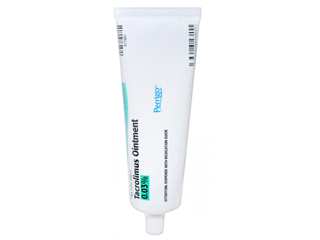
Tacrolimus ointment is used for inflammatory skin disorders such as moderate to severe eczema/atopic dermatitis in adults and children (age limits and product indications vary by local product approvals).
Topical tacrolimus helps reduce inflammation without the same degree of skin thinning associated with some long-term steroid use, which can be relevant for sensitive areas such as the face or eyelids (as advised by your clinician).
Timing and how to take tacrolimus
The exact timing depends on the formulation (immediate-release vs extended-release) and your dose schedule. Below are general principles.
- Take at the same times each day to maintain steady blood levels (for oral forms).
- Do not change formulations (e.g., switching between brands or release types) without checking with your prescriber and pharmacist.
- Consistency matters: keep your routine steady regarding meals and dose times, especially if you take oral tacrolimus.
- Missed dose: If you miss a dose, take it as soon as you remember unless it is close to the next dose. Do not double up. Ask your pharmacist for advice tailored to your schedule.
Practical tips for oral tacrolimus
- Try to avoid taking your dose at very different times each day.
- Use a phone alarm or pill organiser to help avoid missed doses.
- If you have swallowing difficulties, discuss the most appropriate formulation with your pharmacist (some products come as granules/capsules, depending on the brand).
Food interactions (important)
Food can affect tacrolimus absorption, which may change blood levels. This is especially important for oral products.
- Grapefruit and Seville oranges: Avoid grapefruit and grapefruit juice. They can significantly increase tacrolimus exposure and raise the risk of side effects.
- Meals: Oral immediate-release tacrolimus is often recommended to be taken in relation to meals (timing varies by formulation and local guidance). Extended-release versions also have specific instructions.
- Consistency is key: If your doctor/pharmacist advised a specific relationship with food (e.g., “take on an empty stomach” or “take after meals”), follow it strictly.
If you change your eating pattern (for example, intermittent fasting), speak to your pharmacist or transplant team about whether you need closer monitoring.
Alcohol and medicine interactions
Alcohol
Alcohol may increase the risk of side effects and can affect liver function. If you drink alcohol, consider:
- Keep it limited and discuss safe amounts with your healthcare professional.
- Avoid binge drinking, which can worsen dehydration and impact medications.
- If you have liver disease or elevated liver enzymes, alcohol should generally be avoided or used only under medical guidance.
Medicine interactions (very important)
Tacrolimus is metabolised by CYP3A enzymes. Many medicines can either increase tacrolimus levels (raising toxicity risk) or decrease them (increasing rejection or flare risk).
Tell your pharmacist and prescriber about everything you take, including over-the-counter medicines and supplements.
- Medicines that can increase tacrolimus levels (examples): antifungal agents (e.g., azoles), some antibiotics (e.g., macrolides), and certain HIV medicines.
- Medicines that can decrease tacrolimus levels (examples): rifampicin, some anticonvulsants, and herbal products.
- Herbal products to be cautious with: especially St John’s wort (commonly used for mood) can reduce tacrolimus levels.
- Other medicines affecting kidneys or potassium: because tacrolimus can affect kidney function and electrolyte balance, caution is needed with other nephrotoxic drugs or medicines affecting potassium.
Do not start, stop, or change doses of other medicines without advice. Interaction checks are essential, particularly for antibiotics/antifungals.
Indications (when tacrolimus is used)
Tacrolimus has different approved indications depending on the form (oral vs topical) and the product brand. In general, tacrolimus is used for:
- Oral tacrolimus: Prevention of rejection in transplant recipients and management as part of immunosuppressive regimens.
- Topical tacrolimus: Treatment of inflammatory skin conditions such as atopic dermatitis/eczema (severity- and age-dependent use).
Your clinician will consider your diagnosis, product form, past treatment history, and other medicines you take when deciding on tacrolimus.
Dosing (general guidance)
Dosing must be individualised. Oral tacrolimus dosing is commonly adjusted according to blood tacrolimus levels and clinical response.
Oral tacrolimus dosing principles
- Individualised dose: based on your transplant type, time since transplant, other immunosuppressants, liver function, and measured tacrolimus blood levels.
- Therapeutic drug monitoring: blood tests are usually performed to keep levels within a target range set by your transplant team.
- Adjustments: may be needed when you start/stop interacting medicines, or when liver function changes.
Topical tacrolimus dosing principles
- Apply as directed to affected skin areas.
- Use the smallest amount that works and avoid unnecessary areas.
- Duration: follow the timeframe recommended by your clinician; some patients use it in cycles during flares.
- Skin care: moisturisers and gentle skin care often complement topical treatment.
Important: Because tacrolimus is available in multiple strengths and formulations, always use the exact product and strength prescribed or recommended for your situation.
Safety profile (what to watch for)
Tacrolimus can cause side effects. Some are more common with oral use due to systemic absorption, while topical tacrolimus generally has fewer systemic effects, though local reactions can occur.
Common or expected side effects
- Oral: headache, tremor, gastrointestinal upset (nausea/diarrhoea), increased blood sugar, changes in kidney function, and electrolyte changes (e.g., potassium).
- Topical: burning, itching, redness, or skin irritation at the application site (often improves after early use).
Serious risks
These are less common but important:
- Infection risk: Tacrolimus suppresses the immune system, increasing susceptibility to infections. Seek medical advice for fever, persistent sore throat, unusual infections, or severe symptoms.
- Kidney problems: Oral tacrolimus can affect kidney function. Regular blood tests may be required.
- High potassium (hyperkalaemia) or electrolyte imbalance.
- High blood pressure and certain metabolic changes.
- Neurological effects: symptoms such as confusion, severe headache, or seizures require urgent medical attention.
- Cancer risk (long-term immunosuppression): Chronic immunosuppression can raise the risk of some malignancies; follow recommended screening and sun protection.
If you experience concerning symptoms, contact your healthcare professional promptly. In emergencies, seek urgent care.
Practical use tips (helpful for day-to-day)
Reduce errors and maintain consistent dosing
- Keep a list of your tacrolimus dose times.
- Use the same routine each day, particularly around meals if instructed.
- Keep your medication in a cool, dry place and store it as directed on the pack.
For topical tacrolimus
- Wash and dry the skin before applying.
- Apply a thin layer to affected areas only.
- Wash your hands after application (unless your hands are the treated area).
- Avoid direct sunlight on treated areas; use protective clothing or sunscreen as advised.
- If you are applying moisturiser, ask your pharmacist about whether to apply moisturiser before or after tacrolimus. Often, tacrolimus is applied first and moisturiser can be used after it has absorbed (follow local product guidance).
Monitoring and follow-up
- Oral tacrolimus: attend blood test appointments to monitor tacrolimus levels and kidney function.
- Report changes: symptoms of infection, changes in urine output, severe diarrhoea/vomiting, or new medications.
Alternative options
The best alternative depends on whether you’re using oral tacrolimus for transplantation or topical tacrolimus for skin inflammation.
Oral alternatives (transplant settings)
- Cyclosporin (another calcineurin inhibitor; not suitable for everyone).
- Sirolimus/everolimus (mTOR inhibitors in some regimens).
- Other immunosuppressants that may be used in combination depending on your transplant plan.
Topical alternatives for eczema/atopic dermatitis
- Topical corticosteroids (commonly used for flares; strength selection is important).
- Topical anti-inflammatory options depending on availability and suitability (your clinician can advise).
- Phototherapy or systemic therapies for more severe disease in specialist care.
Don’t switch alternatives without professional advice, as the benefit-risk balance and monitoring requirements differ.
Australia market and legal context (what you should know)
In Australia, tacrolimus products are regulated medicines under the national medicines framework. Availability may differ by state and by formulation (oral versus topical).
- Pharmacy supply: Tacrolimus is supplied via authorised pharmacy channels according to Australian medicine scheduling and product-specific requirements.
- Safety governance: Because tacrolimus has a narrow therapeutic window and significant interactions, medicines safety measures—such as dispensing checks and interaction checking—are standard practice.
- Therapeutic drug monitoring: In transplant care, blood level monitoring is a key part of safe use and is typically coordinated by your transplant team.
Guidance and availability can change as products are updated or new formulations become available. Your pharmacist can confirm the most current product details for your location.
Recent guidance and best-practice considerations
While specific policies can vary, current best practice in Australia and internationally generally emphasises:
- Careful therapeutic drug monitoring for oral tacrolimus to maintain safe and effective exposure.
- Strict consistency with formulation and dosing times to minimise fluctuations in blood levels.
- Interaction awareness when starting or stopping antibiotics/antifungals, anticonvulsants, or herbal products.
- Infection prevention strategies for immunosuppressed patients (e.g., prompt assessment of fevers, vaccination planning with your clinician).
- Skin protection and surveillance for long-term risks in people on chronic immunosuppression.
If you’re using tacrolimus long term, it’s especially important to review your medication list regularly with your healthcare team.
Delivery and availability (online pharmacy in Australia)
Availability depends on the specific tacrolimus product and strength (oral immediate-release, extended-release, or topical formulations). When ordering online, you may be prompted to select the correct form and strength.
- Stock: Many pharmacies maintain routine stock for common strengths, while less common strengths may require sourcing time.
- Packaging: Medications are typically dispatched in manufacturer-supplied packaging with clear storage instructions.
- Cold chain: Tacrolimus does not generally require refrigerated (cold chain) transport, but always follow the product label.
- Delivery timeframes: Vary by courier service and your location in Australia. Most pharmacies provide an estimated dispatch and delivery window at checkout.
If you need a repeat supply, ensure you order the same product you previously used to avoid unintended exposure changes.
FAQ: Tacrolimus
1) Is tacrolimus a steroid?
No. Tacrolimus is a calcineurin inhibitor (an immunosuppressant). It is not a corticosteroid, although it can reduce inflammation and immune activity.
2) Why do I need blood tests with oral tacrolimus?
Oral tacrolimus blood levels can vary between people and can be affected by food and other medicines. Monitoring helps ensure levels stay within a target range—reducing the risk of rejection and toxicity.
3) Can I take tacrolimus with food?
It depends on the formulation. Food can change absorption, so it’s important to follow the specific instructions given for your product. If you’re unsure, check with your pharmacist.
4) What foods should I avoid?
Avoid grapefruit and grapefruit juice, which can increase tacrolimus exposure. Also keep meal timing consistent with your product instructions.
5) Can I drink alcohol while taking tacrolimus?
Alcohol isn’t automatically prohibited, but it may increase side effects and can affect liver function. For transplant patients or people with liver issues, it’s safer to limit or avoid alcohol unless your healthcare professional advises otherwise.
6) What are the most common side effects?
Oral tacrolimus commonly causes headache, tremor, and gastrointestinal upset, and may affect kidney function and blood sugar. Topical tacrolimus commonly causes a burning or itching sensation at the application site early in treatment.
7) When should I seek urgent medical help?
Seek urgent care for severe symptoms such as fever or signs of serious infection, marked swelling, severe headache, confusion, seizures, reduced urination, or significant worsening of your condition. When in doubt, contact a healthcare professional promptly.
8) Can I use topical tacrolimus on my face or eyelids?
In some people, topical tacrolimus may be used on the face depending on medical advice and product guidance. Avoid getting it in eyes or on open wounds, and follow clinician instructions.
9) How long does it take to work for eczema?
Many people notice improvement within days to a couple of weeks, but it varies. Continue as directed, and report lack of improvement or worsening.
10) What should I do if I miss a dose?
If you miss a dose, take it when you remember unless it’s close to the next dose. Do not double up. Ask your pharmacist for guidance on your specific schedule.
Summary
Tacrolimus is an immunosuppressant medicine used in transplant care and in selected inflammatory skin conditions (depending on formulation). It works by reducing T-cell immune activation, but it must be used carefully due to variable absorption and important interactions—especially for oral use.
If you take tacrolimus, you can improve safety and effectiveness by:
- Following consistent dosing times and meal instructions
- Avoiding grapefruit
- Checking interactions before starting new medicines or herbal products
- Attending recommended blood tests (oral tacrolimus)
- Seeking timely advice if you develop signs of infection or other concerning symptoms
For personalised advice about your product, dose timing, and interactions, speak with your pharmacist or healthcare professional.