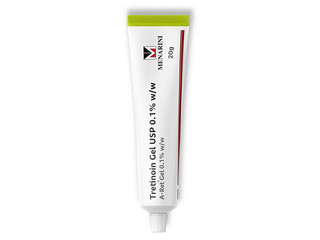
A-Ret (Tretinoin) – Patient Information (Australia)
A-Ret is a brand of tretinoin, a medicine used to treat certain skin conditions, most commonly acne. Tretinoin works by helping the skin renew itself and by reducing blockages in pores.
This page explains how A-Ret works, how it is typically used, what to expect, and how to use it safely. Always follow the instructions on your product label and any guidance from your healthcare professional.
Basic Product Information
| Category | Details |
|---|---|
| Medicine | Tretinoin |
| Brand | A-Ret |
| Common form | Topical cream/gel (formulation may vary by product strength) |
| Therapeutic use | Acne and other specified skin conditions |
| How it’s applied | Applied to the skin in a thin layer |
| Typical schedule | Often once daily at night, then adjusted as tolerated |
Important: Product strength (e.g., 0.025%, 0.05%, 0.1%) and formulation (cream/gel) can differ. Always check the package for your specific strength and directions.
How A-Ret Works (Mechanism of Action)
Tretinoin is a topical retinoid (a vitamin A–derived medicine). It helps improve acne by:
- Normalising skin cell turnover: Tretinoin encourages more orderly shedding of skin cells, reducing “clogging” inside pores.
- Reducing comedones: It can help prevent and treat blackheads and whiteheads.
- Reducing inflammation over time: While it may not immediately calm redness, improvements often develop gradually as pores clear.
- Improving skin texture: Many users notice smoother skin with continued use.
Because tretinoin influences cell turnover, it can also cause initial irritation (sometimes called a “retinoid purge”), especially when you begin treatment or increase the frequency.
Pharmacokinetics (What Happens to the Medicine in the Body)
When used on the skin as directed, tretinoin is generally absorbed at low levels through the skin surface. After topical application:
- Absorption: The majority of the dose remains on the skin. Systemic absorption is usually limited.
- Distribution: Any absorbed tretinoin distributes through the bloodstream at low levels.
- Metabolism and elimination: Tretinoin is metabolised in the body and removed primarily through normal metabolic processes.
In routine use, tretinoin’s overall systemic exposure is generally low, which is why topical therapy is widely used for acne and other skin conditions.
Typical Use
A-Ret (tretinoin) is used to treat acne by targeting clogged pores and supporting skin renewal. It may be used alone or alongside other acne treatments, depending on severity.
Common goals of therapy include:
- Reducing the number of whiteheads and blackheads
- Preventing new clogged pores from forming
- Helping improve inflamed acne lesions over time
If your acne is moderate to severe, combination regimens (for example, with benzoyl peroxide or other agents) may be recommended. Your clinician will guide the best approach for you.
Indications (When A-Ret is Used)
Depending on the specific product and strength, topical tretinoin is indicated for conditions such as:
- Acne vulgaris (including comedonal and papulopustular acne)
- Other acne-related skin conditions as specified by the product’s approved use
Note: Indications can vary by product and country. Always confirm that the specific A-Ret product you have is intended for your condition.
How to Use A-Ret: Timing and Dosing
Typical dosing
Most people apply a thin layer to the affected areas once daily, often in the evening or at night. The frequency may be adjusted based on irritation and response.
General starting approach (commonly recommended):
- Week 1–2: Apply every 2–3 nights to build tolerance.
- Week 3–4: If well tolerated, increase to once nightly.
- Ongoing: Use as directed; reduce frequency if significant irritation occurs.
Why gradual increases matter: Skin may feel dry, sensitive, or “tight” during the first weeks. Starting slowly often improves comfort and adherence.
How much to apply
- Use a pea-sized amount for the face (unless your clinician advises otherwise).
- Spread evenly over the areas prone to acne, avoiding excess application.
- Avoid eyes, lips, corners of the nose, and any broken or irritated skin.
When to apply
- Usually after cleansing in the evening.
- Apply to completely dry skin (let the skin cool and dry after washing).
How long until you see results?
Acne improvement typically occurs gradually:
- 2–4 weeks: Some initial changes may occur; irritation can also be more noticeable.
- 6–12 weeks: More reliable improvement in clogged pores and new lesions.
- 3–6 months: Continued refinement of texture and long-term control.
Do not judge effectiveness too early—tretinoin works by changing skin turnover over time.
Food Interactions
Because A-Ret is used on the skin, it has no known direct food interactions. Food does not usually affect how much tretinoin reaches the skin or works.
However, good nutrition and hydration can support skin barrier health during treatment, especially if you experience dryness.
Alcohol and Medicine Interactions
Alcohol
Topical tretinoin is not generally affected by alcohol consumed by mouth. However, alcohol-based skin products (such as certain toners) can increase dryness and irritation when used alongside tretinoin.
Practical advice:
- Avoid or limit alcohol-containing skincare products on treated areas.
- If you use toners, choose gentle, alcohol-free options.
Interactions with other medicines
Several topical and oral medicines can influence irritation, dryness, or skin sensitivity. Common considerations include:
- Other acne actives: Combining with strong exfoliants, harsh scrubs, or other irritants can worsen redness.
- Benzoyl peroxide: Often used together in acne plans, but the order and formulation can affect irritation. Many people tolerate combination therapy when applied correctly and gradually.
- Topical keratolytics/exfoliants: Products containing salicylic acid or glycolic acid may be used cautiously, typically not at the same time as tretinoin at first.
- Oral retinoids (including isotretinoin): Do not combine without clinician advice due to risk of severe skin side effects.
- Photosensitising medicines: Some medicines increase sun sensitivity. If you’re using any, be extra diligent with sun protection.
If you’re unsure about using A-Ret with other acne treatments or medicines, check with your healthcare professional.
Safety Profile and Warnings
Topical tretinoin is generally well tolerated when used properly. However, it can cause irritation, especially early in treatment.
Common side effects
- Dryness or flaking
- Redness
- Burning, stinging, or itching
- Peeling
- Sensitivity to sunlight
Less common but important effects
- Severe irritation (marked swelling, intense burning, blistering)
- Skin discolouration (temporary darkening or lightening can occur after irritation)
- Contact dermatitis (especially if skin is very reactive or product sensitivity develops)
When to stop and seek advice
Get medical advice promptly if you develop:
- Severe or worsening burning that doesn’t settle
- Blistering, oozing, or significant swelling
- Signs of allergic reaction (e.g., widespread rash, facial swelling, difficulty breathing)
Sun protection is essential
Tretinoin can make skin more sensitive to sun exposure. Consistent sun protection reduces the chance of irritation and post-inflammatory marks.
- Use a broad-spectrum sunscreen (SPF 30+ or higher)
- Wear protective clothing where possible
- Avoid sunburn and prolonged sun exposure
Practical Use Tips (How to Get the Best Results with Less Irritation)
1) Start slowly
Many people do best with a gradual increase in frequency. If your skin becomes too irritated, step back to a lower frequency until your skin recovers.
2) Use the “dry skin” rule
After cleansing, wait until your skin is fully dry before applying. Applying to damp skin can increase stinging.
3) Moisturise wisely
- Use a gentle moisturiser to support the skin barrier.
- If dryness is significant, consider moisturising before and/or after tretinoin.
4) Apply gently—don’t rub in aggressively
A thin layer is enough. Rubbing vigorously increases irritation without improving efficacy.
5) Be careful with other skincare actives
In the early weeks, avoid or limit:
- Harsh cleansers
- Scrubs, brushes, or exfoliating pads
- Strong acids used at the same time
- Alcohol-based toners
6) Allow “time separation” for other acne products if needed
If your routine includes other acne medicines, you may reduce irritation by:
- Using tretinoin at night
- Using other actives (if recommended) in the morning
Your clinician or pharmacist can help you build a schedule that works for your skin type.
7) Manage the “tretinoin adjustment period”
Early worsening can happen. This may reflect clogged pores coming to the surface. With gentle skincare and patience, many users see improvement over time.
Alternative Options (If A-Ret Isn’t Suitable or Isn’t Enough)
Acne treatment can involve several categories of medicines. Options may include:
- Benzoyl peroxide (helps reduce acne bacteria and inflammation)
- Topical antibiotics (often combined with benzoyl peroxide to reduce resistance)
- Salicylic acid (helps unclog pores; may be gentler for some)
- Azelaic acid (can help with acne and marks; generally well tolerated)
- Oral therapies for more severe acne (e.g., certain antibiotics or hormonal options where appropriate)
For some people, switching to a different retinoid strength or formulation can improve tolerability. A clinician can advise whether to:
- Reduce frequency
- Change strength
- Adjust moisturisers and cleanser type
- Combine treatments in a stepwise plan
Market and Legal Context for Australia
In Australia, the availability of medicines, including topical tretinoin products, depends on their regulatory classification and approved use. Online pharmacies must comply with Australian healthcare and medicines requirements.
- Quality and compliance: Products sold online should be legitimate and sourced through appropriate channels.
- Consumer safety: Customers should receive clear instructions for use and important safety information.
- Relevant frameworks: Medicines regulation involves Australian medicines governance and pharmacy standards to protect patients.
Recent updates may occur: Guidance about access pathways, prescribing rules, and product availability can change over time. Your online pharmacy should provide the latest information relevant to the product you’re ordering.
Recent Guidance and Practical Considerations (Staying Up to Date)
While exact changes depend on the product and regulatory status, general “recent guidance themes” for topical retinoids in acne care commonly include:
- Start low and go slow: emphasising moisturiser support and gradual frequency increases.
- Protect from UV exposure: consistent sunscreen use to reduce irritation and pigment changes.
- Manage irritation early: treating dryness promptly to maintain adherence.
- Consistency over time: setting expectations that improvement takes weeks to months.
If you’ve used topical tretinoin before and had significant irritation, it may be worth discussing alternative strengths or a modified routine with a healthcare professional.
Delivery and Availability (Australia)
Availability of A-Ret can vary by stock levels and formulation strength. Many online pharmacies offer delivery across Australia with standard and express options.
What to check before ordering:
- Product strength and formulation (cream vs gel)
- Expiry date and packaging integrity
- Delivery timeframes and tracking availability
- Cold chain requirements (if any—tretinoin topical products typically do not require cold storage)
Tip: Keep your product in a cool, dry place and away from direct sunlight unless your label states otherwise.
Safety Checklist Before You Start
- Confirm you’re using the correct strength and formulation for your skin concern.
- Plan to apply at night and moisturise regularly.
- Ensure you have a gentle cleanser and moisturiser suitable for sensitive or acne-prone skin.
- Start with a low frequency (e.g., every 2–3 nights) if you’re new to tretinoin.
- Use sunscreen daily on exposed skin.
FAQ – A-Ret (Tretinoin)
1) Can I use A-Ret every day from the start?
Many people should not start daily if they’re new to tretinoin. A gradual routine (for example, every 2–3 nights initially) often reduces dryness and redness. If your skin tolerates it well, you may increase frequency as advised.
2) Will my acne get worse before it gets better?
Some users experience initial irritation or temporary worsening during the early weeks. This can be part of how retinoids work as skin renews. Improvement usually becomes more noticeable after several weeks. If you’re getting severe reactions, reduce frequency or seek advice.
3) What moisturiser should I use with tretinoin?
Choose a gentle, fragrance-free moisturiser for acne-prone or sensitive skin. Ceramide-based or “barrier repair” moisturisers can be helpful. Avoid very fragranced or harsh products that sting.
4) Can I combine A-Ret with benzoyl peroxide?
Many acne plans combine tretinoin with benzoyl peroxide, but irritation is possible. A common approach is using tretinoin at night and benzoyl peroxide in the morning, or applying them at different times. Follow personalised advice from a healthcare professional for your regimen.
5) Can I use A-Ret with salicylic acid or glycolic acid?
Some people can use these products, but using multiple “active” exfoliants together can increase irritation, especially when starting. Consider spacing them out and introducing one product at a time.
6) Is sunscreen necessary?
Yes. Tretinoin can increase sun sensitivity. Daily broad-spectrum sunscreen (SPF 30+ or higher) is strongly recommended, along with protective clothing.
7) How should I apply A-Ret if I miss a dose?
Apply at your next scheduled time. Don’t apply extra to make up for a missed dose.
8) Can I shave or use hair removal products on treated skin?
It’s best to avoid applying tretinoin to freshly shaved or irritated skin. Wait until any shaving irritation settles. If you get stinging, pause and seek advice.
9) Can I wear makeup?
Yes, but choose gentle, non-comedogenic products. Apply A-Ret after cleansing and allow it to absorb before going to sleep. If makeup worsens irritation, switch to a simpler routine.
10) What if I experience severe burning or rash?
Stop using the product and seek medical advice promptly. Severe irritation can indicate sensitivity or incorrect use (for example, applying too much or over broken skin).
Key Takeaways
- A-Ret (tretinoin) is a topical retinoid commonly used for acne.
- Results develop gradually—plan for several weeks to months.
- Start slowly, moisturise well, and apply to fully dry skin.
- Use sunscreen daily to reduce irritation and pigment changes.
- Adjust frequency if irritation occurs and seek advice for severe reactions.
For best results: Keep your routine consistent, introduce changes slowly, and give tretinoin time to work.