Imiquimod (Topical) – Patient Information for Australia
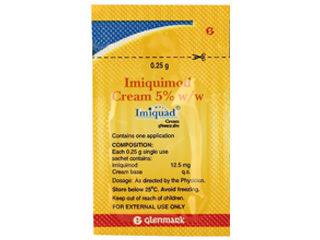
Imiquimod is a medicine applied to the skin to treat certain conditions where targeted immune activity is helpful. It is commonly available as a topical cream or gel and is used under medical guidance for specific skin problems. This information is designed to help you understand how imiquimod works, how to use it safely, and what to expect during treatment.
1) Basic product information
| Category | Details |
|---|---|
| Active ingredient | Imiquimod |
| Common dosage forms | Topical cream (strength varies by indication); topical application to affected skin |
| What it is used for | Certain external skin conditions (e.g., actinic keratosis, superficial basal cell carcinoma, and selected genital wart indications depending on product/strength and local requirements) |
| How it is applied | Applied to clean, dry skin in a thin layer; usually with a specific schedule (varies by condition) |
| Typical duration | Often several weeks depending on indication; individual regimens vary |
Product strengths and exact schedules can differ between indications and formulations. Always follow the instructions supplied with your specific imiquimod product.
2) How imiquimod works (mechanism of action)
Imiquimod is an immune response modifier. When applied to skin, it stimulates cells in the local area to release certain signalling molecules (including interferons and other immune mediators). These signals help your body’s immune system recognise and respond to abnormal or virus-infected cells.
- For actinic keratosis: helps promote an immune-mediated response against pre-cancerous skin changes caused by long-term sun exposure.
- For superficial basal cell carcinoma: supports local immune activity against abnormal skin cells.
- For genital warts (depending on product/indication): supports immune control of wart-associated infection.
It is normal for treatment to cause local skin reactions such as redness, irritation, crusting, or swelling—these can reflect the medicine’s effect. However, reactions should be monitored and managed appropriately.
3) Pharmacokinetics (how the body handles imiquimod)
Because imiquimod is applied to the skin, systemic absorption is generally limited when used correctly. Most of the drug’s action is local at the application site.
- Absorption: small amounts may enter the bloodstream through treated skin, especially if the skin barrier is disrupted.
- Distribution: if absorbed, the drug is distributed throughout the body in small amounts.
- Metabolism: like many medications, imiquimod is processed by the body into metabolites.
- Elimination: metabolites are removed primarily via the kidneys and with other normal excretory pathways.
In general, the limited absorption helps keep whole-body side effects uncommon. Still, it’s important to apply exactly as directed and avoid using it more frequently or over larger areas than recommended.
4) Typical use and indications
The main medical uses of imiquimod in Australia depend on the approved formulation and strength. Common indications discussed in clinical practice include:
- Actinic keratosis (certain sun-damaged, rough patches on the skin)
- Superficial basal cell carcinoma (a specific subtype of skin cancer, for selected cases)
- External genital warts (for selected patients and product indications)
If you’re considering imiquimod for a specific diagnosis, confirm that your chosen product and strength match your condition and body area as recommended in Australia.
5) Timing and how to apply (practical guidance)
Many imiquimod regimens are taken in the evening. A common instruction is to apply the cream and then wash off after a set number of hours, unless your product instructions specify otherwise.
General application steps (follow your product label):
- Choose the right time: apply at the time of day your regimen specifies (often in the evening).
- Wash your hands: before and after applying.
- Prepare the skin: clean the area gently and pat dry completely.
- Apply a thin layer: spread a small amount over the affected area and, where appropriate, a small margin around it (as directed).
- Avoid irritated skin: do not apply to broken, bleeding, or severely inflamed skin unless instructed.
- Leave on for the instructed period: many regimens specify a set number of hours.
- Wash off if required: cleanse the treated area after the recommended time.
- Do not cover with tight dressings: unless directed by your clinician. Use breathable clothing.
Important: keep it away from your eyes, inside the nose, mouth, and any open wounds. Be careful around mucosal surfaces; the correct area matters for safety and effectiveness.
6) Dosing (typical regimens)
Dosing depends on the condition being treated and the product strength. Below are examples of typical schedules used in clinical practice; your exact regimen may differ based on your prescription instructions, product label, and medical assessment.
- Actinic keratosis: commonly applied multiple times per week for several weeks (regimen varies by product strength and patient factors).
- Superficial basal cell carcinoma: often a fixed course with treatment days per week for several weeks.
- External genital warts: many regimens apply in a periodic schedule (e.g., several days per week) for a defined treatment duration.
Never increase the frequency or amount to “speed up” results. Using more than recommended can increase irritation and the risk of systemic side effects without improving outcomes.
If you have the product pack, check the exact dosing instructions on the label or provided written directions. If anything is unclear, consult a healthcare professional or your pharmacist.
7) Food interactions
Because imiquimod is used on the skin and absorption is generally limited, food interactions are not a typical concern. There is usually no need to adjust meals or avoid specific foods for the medicine to work.
However, always consider your overall health and other medicines you take. If you have liver/kidney issues or are using other topical products, ask a pharmacist for tailored advice.
8) Alcohol and medicine interactions
Alcohol
There is no well-established direct interaction between topical imiquimod and alcohol. Because systemic exposure is usually low, alcohol is not generally expected to change imiquimod’s effect significantly.
That said, alcohol can worsen irritation or delay healing in some people indirectly (for example, through dehydration or reduced sleep). If you notice increased discomfort, consider limiting alcohol during treatment.
Other medicine interactions
Potential interactions relate mainly to skin reactions and local irritation rather than classic “drug–drug” absorption effects. Keep in mind:
- Other topical products on the same area: avoid combining with strong irritants (e.g., harsh exfoliants, abrasive cleansers, certain acne treatments) unless advised.
- Concurrent immunotherapies or immunomodulators: discuss with a clinician if you are using other medicines that affect immune function.
- Systemic medications: no major systemic interactions are commonly expected, but your overall medicine list should be reviewed if you have complex treatment.
If you are using any other creams, gels, or medicated patches, tell your pharmacist. This helps avoid overlapping irritation and supports adherence to your schedule.
9) Safety profile (side effects and what to expect)
Like all medicines, imiquimod can cause side effects. Most are local and relate to the treated skin. Many patients experience some degree of redness and irritation; this can be part of the expected response. Still, severe reactions should be assessed.
Common local side effects
- Redness (erythema)
- Swelling (oedema)
- Burning or stinging
- Itching
- Dryness and peeling
- Crusting or scabs
- Scabs/ulceration (more likely with stronger reactions or incorrect use)
- Pain or tenderness
Less common but serious concerns (seek medical advice)
- Severe skin reactions (intense blistering, spreading rash, or uncontrolled pain)
- Signs of infection such as increasing warmth, pus, foul odour, fever, or rapidly worsening redness
- General symptoms such as persistent high fever, severe fatigue, or flu-like illness
- Allergic reaction symptoms including widespread hives, facial swelling, or breathing difficulty
Seek urgent medical help if you experience breathing difficulties, facial swelling, or widespread allergic symptoms.
Who should use extra caution?
- People with eczema or other chronic inflammatory skin conditions in the treatment area
- People with a history of significant skin sensitivity to topical products
- Those who are immunocompromised or taking immunosuppressive therapy (discuss individualized risk)
10) Practical use tips for better outcomes
- Follow the schedule precisely: missing doses or changing frequency can affect results.
- Use the correct amount: a thin layer is usually sufficient. More is not better.
- Keep treated skin comfortable: wear loose clothing; use gentle, fragrance-free cleansers around the area.
- Avoid unnecessary friction: minimise rubbing during application and while skin is healing.
- Expect changes: lesions may appear worse before they improve. This can be normal.
- Do not pick scabs: allow crusts to fall off naturally to reduce infection risk.
- Sun protection: for sun-related conditions, protect the area and surrounding skin with sunscreen and clothing.
- Track progress: consider taking clear photos at regular intervals (with clinician approval) to monitor response.
If you develop strong irritation, discuss adjusting your plan with a clinician or pharmacist rather than stopping abruptly, unless advised.
11) Alternatives to imiquimod
Depending on the condition, there are several alternatives. Your best option depends on the type, size, location, and number of lesions, as well as your skin type and overall health.
- For actinic keratosis: options may include cryotherapy, topical chemotherapy agents, photodynamic therapy, and other field treatments.
- For superficial basal cell carcinoma: alternatives may include surgical removal, radiotherapy, photodynamic therapy, or other topical approaches in selected cases.
- For external genital warts: options may include other topical treatments or procedural therapies (depending on local guidance and lesion characteristics).
Discuss benefits and trade-offs with a healthcare professional. Some treatments act faster but may have different scarring or recurrence patterns. Others are less invasive but require strict scheduling.
12) Australia market and legal context (what to expect)
In Australia, medicines are supplied according to the regulatory category and requirements in the Therapeutic Goods Administration (TGA) framework. Topical imiquimod products may be provided only in line with local prescribing and supply rules, depending on the specific formulation, strength, and indication.
For online pharmacy purchases, reputable suppliers typically require:
- Verification of the correct product and indication
- Appropriate patient information and safety checks
- Delivery to eligible addresses in accordance with Australian regulations
- Advice on correct use and when to seek medical attention
Product availability can vary by supplier and may be influenced by TGA listing status and stock levels.
13) Recent guidance and clinical monitoring
Clinical management for skin lesions and viral infections can evolve over time. In Australia, dermatology and general practice guidance commonly emphasises:
- Accurate diagnosis: ensure lesions are correctly identified (especially for lesions that can resemble other skin conditions).
- Appropriate lesion selection: imiquimod tends to be used for selected lesion types and locations where topical therapy is suitable.
- Monitoring response: follow-up reviews are important to confirm resolution or detect recurrence.
- Managing adverse effects: local reactions should be addressed early to maintain adherence and reduce harm.
If your lesion does not improve as expected, grows, changes substantially, or bleeds repeatedly, it should be reviewed promptly by a clinician.
14) Delivery and availability (online pharmacy)
When ordering imiquimod through an online pharmacy in Australia, availability depends on stock and product listing. Most reputable pharmacies provide:
- Secure packaging to protect the product during transit
- Clear label and product information so you can confirm the strength and instructions
- Delivery tracking where available
- Customer support for questions about how to use the medicine
Delivery times can vary by location (metro vs regional/remote). If you need the medicine urgently for a planned treatment course, check expected dispatch and transit times at checkout.
15) FAQ
How long does it take for imiquimod to work?
Many people notice skin changes within the first days, while visible improvement may take longer. Treatment courses for specific conditions often last several weeks. Complete resolution can occur gradually after the course ends. Follow-up is important to confirm healing.
Is it normal if my skin becomes red or sore?
Local reactions such as redness, itching, burning, and crusting are common. However, reactions should not be so severe that you cannot cope with daily activities. If you experience intense blistering, spreading rash, signs of infection, or severe pain, contact a healthcare professional.
Should I stop if the area looks worse?
Sometimes the treated area can look worse before improving. Don’t change the plan without advice. If the reaction is unusually severe or painful, seek guidance promptly.
Can I wash the treated area?
Yes. In many regimens, you apply the cream to dry skin and then wash off after the instructed time. Also, gentle cleansing is usually appropriate for hygiene. Avoid harsh scrubbing during treatment.
What should I do if I accidentally get it in my eyes or mouth?
Rinse immediately with plenty of water. If irritation persists or is severe, seek medical advice.
Can I use moisturiser or other creams?
You may be able to use moisturisers on surrounding skin to reduce discomfort, but avoid mixing products on the treated area unless your clinician or pharmacist says it’s okay. Allow time between applications if advised.
Does imiquimod affect contraception or sexual activity?
For genital warts indications, local irritation may make sex uncomfortable. In some situations, barrier methods (like condoms) may be affected depending on the product formulation and lubricant type. Discuss with your clinician/pharmacist and use safer-sex practices during treatment.
Can I use imiquimod during pregnancy or breastfeeding?
The safety of imiquimod during pregnancy and breastfeeding depends on the condition, location of application, and individual risk. Discuss your specific situation with a healthcare professional before use.
What if I miss a dose?
Use it as soon as you remember if it’s within the same day and aligns with your regimen. If it’s close to the time of the next dose, skip the missed dose. Do not double up. Check your product instructions or ask your pharmacist for advice.
When should I see a doctor urgently?
Seek urgent care if you develop breathing difficulty, facial swelling, widespread hives, severe blistering or ulceration, fever, or signs of infection (increasing warmth, pus, worsening redness, or feeling unwell).
Summary
Imiquimod is a topical medicine that helps your skin’s immune response recognise and respond to specific abnormal or infection-related skin changes. It works locally, with limited systemic absorption when applied correctly. Local irritation is common, and treatment schedules often require consistent application over several weeks. By following product directions carefully, protecting the skin, and seeking advice for severe reactions, you can use imiquimod safely and effectively.