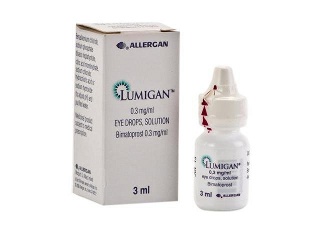
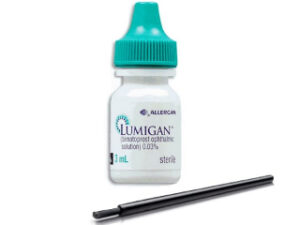
Lumigan (Bimatoprost) Eye Drops – Patient Guide (Australia)
Lumigan is an eye drop medicine used to lower pressure in the eye. It contains the active ingredient bimatoprost and is commonly prescribed for certain eye conditions where eye pressure may damage the optic nerve. This guide explains how Lumigan works, how it’s typically used, what to expect, and key safety information.
This information is intended to be patient-friendly and general in nature. Always follow the instructions given by your eye care professional and read the product label for the most accurate dosing directions.
Basic product information
| Category | Details |
|---|---|
| Brand name | Lumigan |
| Active ingredient | Bimatoprost |
| Medicine type | Prostaglandin analogue / ocular hypotensive (lowers eye pressure) |
| Route | Topical use in the eye (eye drops) |
| Common dosing schedule | Often once daily in the evening |
| Strength (commonly marketed) | Available in 0.03% and 0.01% formulations (availability varies) |
What Lumigan is used for (indications)
Lumigan is used to help manage conditions associated with increased pressure inside the eye and/or optic nerve damage. In Australia, it is commonly used for:
- Glaucoma (for example, open-angle glaucoma), where eye pressure is a factor in optic nerve damage.
- Ocular hypertension (higher-than-normal eye pressure without known optic nerve damage).
- In some patients, it may also be used as part of combination therapy when additional pressure reduction is needed.
Your eye care clinician will determine the most appropriate treatment plan based on your diagnosis and eye measurements (such as intraocular pressure and optic nerve/visual field assessments).
How Lumigan works (mechanism of action)
Bimatoprost belongs to a class of medicines that reduce intraocular pressure (IOP). Although the exact pathways are complex, the overall effect is to improve the outflow of fluid from the eye.
- Increases aqueous outflow (fluid drainage) from the eye, helping lower eye pressure.
- Helps maintain IOP within a safer range to reduce the risk of optic nerve damage over time.
Note: Many patients do not feel high eye pressure. Lumigan is used to prevent progression by targeting the underlying pressure issue.
Pharmacokinetics (how the body handles bimatoprost)
After instilling Lumigan eye drops, bimatoprost is absorbed through the tissues of the eye and can enter systemic circulation in small amounts. Key points include:
- Absorption: Bimatoprost can be absorbed from the eye surface and tissues.
- Distribution: It spreads into body compartments; however, systemic exposure from typical eye dosing is generally low.
- Metabolism: Bimatoprost is metabolised primarily in the body (including hepatic pathways).
- Excretion: Metabolites are eliminated mainly via urine and other routes.
Individual responses vary. Factors such as eye inflammation, adherence to dosing, and existing therapies can affect overall clinical response.
Typical timing and how to use Lumigan
Lumigan is usually used once daily in the evening. For many patients, the evening dose improves consistency. A key concept with prostaglandin-like eye drops is maintaining the daily dosing schedule.
When to take it
- Typical timing: once each day, often in the evening.
- Try to use it at the same time each day for best adherence.
How to administer the eye drops (practical steps)
- Wash your hands before use.
- Shake the bottle only if your product instructions indicate it should be shaken.
- Tilt your head back, gently pull down the lower eyelid, and instil one drop into the eye.
- Avoid touching the tip of the bottle to your eye or eyelashes.
- After instilling, consider punctum occlusion (gentle pressure at the inner corner of the eye) for about 1 minute. This may help reduce drainage of medicine into the nose and throat.
- If you need to use drops in both eyes, repeat for the other eye.
- Replace the cap firmly.
Contact lenses
If you wear contact lenses, follow your eye clinician’s advice and the product instructions. Many glaucoma eye drops contain components that can interact with lenses. A common approach is:
- Remove contact lenses before instilling.
- Wait before reinserting (often at least 15 minutes, but confirm with your local guidance and product label).
Dose (typical dosing regimens)
The exact dose depends on the specific formulation and your clinician’s plan. Common regimens include:
- Adults and older children (as advised): usually one drop once daily to the affected eye(s).
- Strength matters: Lumigan products may come in different strengths (for example, 0.03% or 0.01%). Use only the strength prescribed/recommended for you.
- Do not double up if you miss a dose—use the next dose at the usual time unless your clinician advises otherwise.
If you miss a dose: Instil it when you remember if it is close to the scheduled time. If it’s nearly time for your next dose, skip the missed dose and continue with the regular schedule.
What to do if you use other eye drops
Many patients use multiple eye medicines. To reduce the chance of one drop washing another out:
- Keep a gap of at least 5–10 minutes between different eye drops (or as directed by your clinician).
- Use gels/ointments last if included in your regimen.
- If you’re unsure which drop to use first, ask your pharmacist or eye care team.
Food interactions
There are generally no known clinically significant food interactions with Lumigan when used as eye drops. Because it is applied locally to the eye and systemic absorption is typically low, dietary factors are not usually expected to change its effect.
That said, keep your general health stable:
- Take your other medicines as prescribed.
- Report any unusual symptoms to your eye care professional.
Alcohol and medicine interactions
Alcohol
Direct interactions between alcohol and bimatoprost eye drops are not commonly expected. However, alcohol can worsen general hydration or increase dizziness in some people, and severe eye irritation may feel more uncomfortable.
If you notice increased eye discomfort after drinking alcohol, avoid further triggers and seek advice.
Other medicines
No major interactions are typically reported with bimatoprost eye drops, but it’s important to consider:
- Other glaucoma medications: These are often used together (e.g., beta-blockers, carbonic anhydrase inhibitors), but dosing schedules should be coordinated.
- Eye inflammation treatments: If you use steroids or anti-inflammatory drops, your clinician may adjust the regimen.
- Systemic medicines: Provide a complete list to your pharmacist/doctor, especially if you have liver conditions or take many therapies.
If you have started a new medicine (including herbal products or supplements), ask your pharmacist whether any additional precautions apply.
Safety profile and side effects
Like all medicines, Lumigan can cause side effects. Most are mild and related to the eye and surrounding skin. Your eye care clinician has prescribed Lumigan because the benefits usually outweigh the risks.
Common or expected effects
- Redness of the eye (conjunctival hyperaemia)
- Eye irritation or burning/stinging sensation
- Itching or mild discomfort
- Dryness or feeling of something in the eye
- Increased tear production in some people
Changes around the eyes (cosmetic effects)
Bimatoprost can cause changes that are usually reversible when the medicine is stopped, but may take time. These may include:
- Increased eyelash growth
- Eyelash darkening
- More prominent eyelashes
- Skin darkening around the eyelids in some individuals
Colour changes
In some patients, long-term use has been associated with iris pigmentation changes (more brown colouring), especially in individuals with mixed-colour irides. This can be permanent in some cases. Discuss this with your eye care professional.
Less common but important side effects
- Eye pain or worsening vision
- Swelling of the eyelids or redness that doesn’t settle
- Corneal effects (e.g., worsening symptoms in those with corneal disease)
- Macular oedema (fluid swelling in the retina), particularly in people with risk factors
Seek urgent medical advice if
- You experience sudden vision changes.
- Severe eye pain occurs.
- You develop significant redness and light sensitivity or discharge.
- You suspect an allergic reaction (e.g., facial swelling, hives, severe itching).
Practical tips for successful use
- Consistency matters: Use Lumigan at the same time each day. If you miss doses often, the pressure-lowering effect may be reduced.
- One drop only: Over-dosing can increase side effects such as redness and irritation.
- Don’t touch the dropper tip: Helps keep the bottle sterile and reduces contamination.
- Manage stinging: If drops sting, letting your eyes close gently for a few seconds after instillation may help. Using punctum occlusion can also reduce drainage-related irritation.
- Track changes: If you notice eyelash/skin changes or changes in iris colour, note it and mention it at your next review.
- Keep follow-up appointments: Eye pressure needs regular monitoring to confirm the treatment is working.
Special considerations
Pregnancy and breastfeeding
The appropriateness of bimatoprost during pregnancy and breastfeeding depends on individual circumstances. If you are pregnant, planning pregnancy, or breastfeeding, discuss risks and benefits with your eye clinician.
Children
Use in children should be guided by a clinician experienced in paediatric eye conditions. Dosing and safety monitoring may differ from adult use.
Eye conditions and risk factors
Tell your eye care professional if you have:
- History of eye surgery
- Eye inflammation
- Macular conditions or previous retinal swelling
- Corneal disease (e.g., dry eye severe symptoms, keratitis, or corneal injury)
- Any allergies to eye medications
Recent guidance and clinician monitoring (general)
Ongoing eye care typically involves measuring intraocular pressure and monitoring optic nerve health and visual fields. In general practice for glaucoma/ocular hypertension treatment:
- Your clinician may review response within weeks to months depending on severity and the therapy used.
- If you experience side effects, they may recommend adjustments such as timing changes, switching drops, or adding lubricating drops.
- If eye inflammation or corneal symptoms develop, treatment may be reviewed promptly.
Local clinical advice can evolve over time. Your best source for “latest guidance” is your ophthalmologist/optometrist or the dispensing pharmacist, who can align treatment with current product information and clinical protocols.
Alternative options
There are multiple classes of medications used for glaucoma/ocular hypertension. If Lumigan isn’t suitable (for example, due to side effects, insufficient pressure control, or preference), clinicians may consider alternatives. Common alternatives include:
- Other prostaglandin analogues (similar class; different brand formulations)
- Beta-blocker eye drops (reduce production of aqueous fluid)
- Alpha-adrenergic agents (decrease aqueous production and/or increase outflow)
- Carbonic anhydrase inhibitors (reduce aqueous fluid formation)
- Combination eye drops (two active ingredients in one bottle)
- Laser or surgical options (depending on the cause and severity)
Which alternative is best depends on your eye measurements, other health conditions, existing medications, and tolerance to side effects. Do not switch without professional advice.
Market and legal context in Australia (general)
In Australia, eye medicines are regulated under the national medicines framework. Availability, listing status, and dispensing requirements vary by product, strength, and formulation. Many glaucoma medications are supplied with guidance from healthcare professionals.
Online pharmacy supply may include:
- Product verification processes
- Patient information and counselling about correct use
- Appropriate supply of the correct strength and directions
For the most current requirements relevant to your situation, consult your pharmacist or the local regulatory and product information resources.
Delivery and availability (Australia)
Availability of Lumigan (including the 0.03% or 0.01% strength) can vary by supplier and location. When ordering online:
- Check the strength listed on the product page to match your existing bottle.
- Confirm instructions such as once-daily evening use and which eye(s) to treat.
- Delivery options typically include standard and express services depending on the pharmacy’s policies.
- Most eye drop bottles have standard shelf-life and storage guidance on the pack—follow those instructions once received.
If you’re travelling or starting therapy after a prescription change, keep track of your dosing schedule so you don’t miss doses. A short delay in supply can matter for chronic eye conditions, so plan ahead when possible.
Storage information
- Store the bottle according to the directions on the carton/label.
- Keep out of reach of children.
- Avoid using the product past its expiry date.
- If you are told to discard after opening, follow the stated time limit on the pack.
FAQ – Lumigan (bimatoprost) Eye Drops
1) How long does it take for Lumigan to lower eye pressure?
Many patients experience pressure-lowering effects within days. Full assessment of response typically occurs at follow-up visits where eye pressure is measured. If you’re not sure whether your treatment is working, contact your eye care team rather than altering the dose yourself.
2) Should I stop Lumigan if my eyes look red?
Mild redness can be a known effect. However, persistent or severe redness, pain, or vision changes should be assessed promptly. Do not stop suddenly without professional advice—untreated high eye pressure can be harmful.
3) What if I miss my evening dose?
Use the missed dose when you remember if it’s still close to your usual time. If it’s almost time for your next dose, skip the missed dose. Do not double up.
4) Can I use Lumigan with other glaucoma eye drops?
Often, yes. Many people use more than one eye medicine. Keep spacing between different drops (commonly 5–10 minutes) unless your clinician advises otherwise.
5) Will Lumigan permanently change the colour of my iris?
Some people may experience increased iris pigmentation after long-term use. It can be permanent in some cases. Discuss this with your eye care professional, especially if you have mixed-colour irides.
6) Does Lumigan affect my eyelashes?
It can increase eyelash growth and darkening. This is a reported cosmetic effect. If you develop irritation or eyelash-related discomfort, let your eye clinician know.
7) Can I drive after using Lumigan?
Most people can drive normally. If you experience temporary blurred vision or discomfort immediately after drops, wait until your vision clears before driving.
8) Is there an interaction between Lumigan and food?
No clinically significant food interactions are generally expected with Lumigan when used as eye drops.
9) What should I do if the dropper tip touches my eye?
Rinse the eye carefully with sterile saline if needed and avoid further contact. Keep the bottle cap on and do not share your bottle with others. If you notice worsening symptoms, contact your pharmacist or eye care professional.
10) What are common signs that I should seek urgent help?
Seek urgent advice if you experience sudden vision changes, severe eye pain, significant worsening redness, severe light sensitivity, or signs of an allergic reaction.
Disclaimer: This is general patient information for Lumigan (bimatoprost) eye drops. Individual medical advice depends on your eye condition, history, and other medicines. For personalised guidance, consult your eye care team or pharmacist.