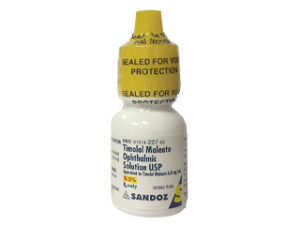
Lumigan + Applicators (Bimatoprost) — Patient Information (Australia)
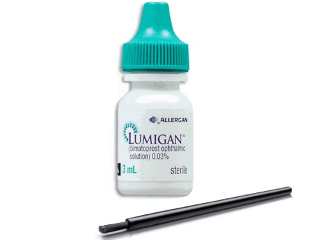
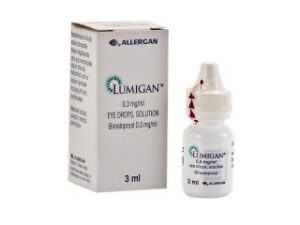
Lumigan + Applicators contains bimatoprost, a medicine used to lower pressure inside the eye. This product is supplied with applicators to help you apply the drop accurately to the eye.
This guide is designed to be clear and patient-friendly. It explains how bimatoprost works, how to use it, what to expect, and important safety information. Always follow the instructions provided with your product and speak to a healthcare professional if you have questions or concerns.
Key Product Facts
- Active ingredient: Bimatoprost
- Product: Lumigan + Applicators
- Common purpose: Lowering elevated intraocular pressure (IOP)
- Form: Ophthalmic solution (eye drops) dispensed with applicators
- How it’s used: Applied directly to the affected eye(s)
- Typical dosing frequency: Once daily (often in the evening)
What Is Intraocular Pressure and Why Does It Matter?
Intraocular pressure (IOP) is the fluid pressure within your eye. If it stays too high, it can damage the optic nerve over time and contribute to glaucoma or other optic nerve damage. Lowering IOP helps reduce the risk of progressive vision loss.
Mechanism of Action (How Lumigan Works)
Bimatoprost belongs to a class of medicines commonly referred to as prostaglandin analogues (often grouped with “prostaglandin receptor agonists”). It works mainly by:
- Increasing outflow of aqueous humour (the fluid inside the eye) through established pathways
- Improving fluid drainage, leading to a reduction in IOP
By lowering the eye’s pressure, bimatoprost helps protect the optic nerve.
Typical Uses in Australia
In Australia, bimatoprost eye drops are commonly used for:
- Open-angle glaucoma
- Ocular hypertension (when eye pressure is high but glaucoma damage may not yet be diagnosed)
Your eye care professional will determine whether bimatoprost is appropriate based on your eye pressure, optic nerve status, and overall risk.
Dosing and Timing: How to Use Lumigan + Applicators
For most people, bimatoprost is used , commonly in the evening. The exact timing may be advised based on your treatment plan.
Typical dosing instructions
- Dose: One drop into the affected eye(s)
- Frequency: Usually once daily
- Time of day: Often evening (for example, around the same time each day)
How to apply the medicine safely
- Wash your hands before use.
- If using an applicator supplied with the product, follow the leaflet directions carefully.
- Remove the cap and avoid touching the dropper/applicator tip to your eye or eyelashes.
- Gently pull down the lower eyelid to create a small pocket.
- Place one drop into the pocket, then close your eye.
- For about 1–2 minutes, gently press the inner corner of your eye (near the nose) using a clean finger. This is called punctal occlusion and may reduce drainage into the rest of the body.
- Wipe away any excess liquid with a clean tissue.
- Replace the cap promptly.
Do not use extra drops to “catch up” if you miss a dose. If you miss a dose, contact your pharmacist or prescriber for advice on the best next step. As a general rule for once-daily eye drops, you usually continue with your next scheduled dose rather than doubling.
Timing with other eye medicines
If you use more than one eye medication (for example, another pressure-lowering drop), the order and spacing can matter:
- Wait at least 5 minutes between different eye drops (unless your eye care professional advises otherwise).
- Eye ointments are typically applied after drops, to avoid washing the ointment out.
Pharmacokinetics (Absorption, Distribution, and Clearance)
Pharmacokinetics describes how the body processes a medicine. With ophthalmic (eye) medicines, absorption is usually local, but some can enter the bloodstream.
- Absorption: Bimatoprost can be absorbed through ocular tissues after eye application. Systemic exposure is generally low.
- Distribution: Once absorbed, bimatoprost and related metabolites distribute in the body.
- Metabolism: The drug is processed mainly through metabolic pathways in the body.
- Excretion: Metabolites are eliminated primarily via urine and to a lesser extent via other routes.
In routine use, bimatoprost eye drops are designed to exert their primary effect in the eye while maintaining limited systemic levels.
Food Interactions
No specific food interactions are expected with bimatoprost eye drops because the medicine is applied to the eye, and systemic absorption is generally low. There is typically no need to change your diet while using it.
Alcohol and Medicine Interactions
Alcohol
Because bimatoprost is applied to the eye and systemic absorption is usually limited, no direct interaction with alcohol is commonly expected. However:
- Alcohol may worsen dry eye symptoms in some people.
- If alcohol causes dizziness or blurred vision for you, avoid activities that require sharp vision until you feel stable.
Other medicines
Tell your pharmacist or doctor about all medicines you take, including eye drops, tablets, herbal products, and supplements.
- Eye pressure-lowering drops: Using multiple eye drops may require careful timing to avoid reduced effectiveness. Space products by at least 5 minutes.
- Medicines that affect the eye: If you are using corticosteroid eye drops or other ophthalmic medicines, your clinician should be aware.
- Systemic medicines: Because systemic exposure is low, significant interactions are less likely, but confirmation is still important for your personal situation.
If you are unsure whether any of your medicines could interact with bimatoprost, ask your pharmacist for a tailored check.
Expected Effects and When You’ll Notice a Change
Many people see pressure-lowering effects relatively quickly, but the full effect can take time.
- Initial effect: Often begins soon after starting treatment
- Maximum effect: May take several weeks to fully develop
It’s important to keep using the medicine every day even if you don’t feel anything in your eye. Glaucoma and ocular hypertension usually do not cause symptoms, so consistent dosing is crucial.
Safety Profile: Common and Important Side Effects
Like all medicines, bimatoprost can cause side effects. Many are mild and improve as your eyes adjust. However, some reactions require medical advice promptly.
Common side effects
- Redness or eye irritation
- Itching or discomfort
- Dry eye sensation
- Stinging or burning after application
- Increased tear production in some people
- Change in eyelash appearance (sometimes longer/thicker)
- Darkening of eyelids/eyelash area (in some cases)
Less common but important effects
- Changes in iris pigmentation (may result in increased brown colour, typically slowly over time)
- Eye pain or significant worsening redness
- Blurred vision that persists
- Swelling around the eye
- Symptoms of inflammation (for example, light sensitivity)
When to seek urgent advice
Stop using the drops and seek prompt medical help if you experience:
- Severe eye pain
- Significant or worsening redness
- Marked light sensitivity or sudden change in vision
- Allergic-type reactions (for example, facial swelling, severe itching, rash)
- Any reaction that concerns you significantly
Practical Use Tips (To Get the Best Results and Reduce Problems)
- Use consistently: Try to apply at the same time each evening.
- Correct application: One drop is usually enough. Avoid multiple drops unless instructed.
- Remove contact lenses before use: If you wear contact lenses, remove them before applying and wait at least 15 minutes before reinserting (unless your clinician advises otherwise). This helps reduce lens interaction and irritation.
- Manage irritation: If stinging occurs, apply gently, avoid blinking immediately after instilling, and consider using preservative-free artificial tears if recommended.
- Avoid contaminating the tip: Do not touch the applicator/dropper to the eye or eyelids.
- Know what’s normal: Slight redness or mild irritation can occur, especially early on.
- Keep follow-up appointments: Eye pressure checks help confirm the medicine is working safely.
Indications and Clinical Context
Indication means the condition for which the medicine is used. In general clinical practice, bimatoprost is indicated for:
- Lowering elevated IOP in open-angle glaucoma
- Lowering elevated IOP in ocular hypertension
Your doctor or ophthalmologist may recommend Lumigan based on your risk factors and treatment goals. Pressure-lowering often forms a long-term strategy to protect sight.
Missed Dose Guidance
If you miss a dose:
- Apply it when you remember only if it is still close to your scheduled time.
- If it is nearly time for the next dose, skip the missed dose.
- Do not double to make up for a missed dose.
For specific advice, consult your pharmacist or prescriber.
Alternative Options
If Lumigan + Applicators is not suitable or is not effective enough, there are other options available. Your eye specialist may consider:
- Other prostaglandin analogues (similar class medicines)
- Beta-blocker eye drops
- Alpha-agonist eye drops
- Carbonic anhydrase inhibitors (drops or tablets in some cases)
- Combination drops (where two actives are combined)
- Laser or surgical options for selected patients
Your clinician will choose based on your eye health, side effect tolerance, and how well your eye pressure responds.
Pharmacovigilance and Ongoing Monitoring
Eye pressure-lowering medicines often require ongoing monitoring. Follow-up appointments help confirm:
- Your IOP is at goal
- Your optic nerve and visual field remain stable
If you experience new symptoms while using bimatoprost, inform your healthcare professional promptly.
Market and Legal Context in Australia (General Information)
In Australia, access to medicines is managed through the Australian Register of Therapeutic Goods (ARTG) and the National Prescribing Service framework, with rules around supply and consumer safety. Eye medicines containing active substances are often supplied under specific category requirements.
Online pharmacies in Australia typically supply medicines in line with relevant regulatory requirements. If a medicine requires clinician involvement for supply, the pharmacy will handle the correct process according to Australian rules.
Important: This page provides general information only and is not a substitute for advice from a qualified healthcare professional familiar with your eye history.
Recent Guidance and Updates (What to Expect)
Clinical practice guidelines for glaucoma and ocular hypertension emphasise:
- Achieving and maintaining target intraocular pressure
- Regular monitoring of optic nerve structure and visual fields
- Adherence to medication schedules
- Awareness of local and systemic side effects
While exact “recent guidance” can vary over time, your eye care provider may adjust treatment based on your response, tolerance, and new evidence.
If you’re unsure whether your treatment plan should change, discuss it with your ophthalmologist or optometrist/eye specialist.
Delivery and Availability (Online Pharmacy)
Availability can vary by brand pack size and region. When purchasing online in Australia, ensure:
- You order the correct strength and pack (Lumigan + Applicators containing bimatoprost)
- The product is supplied by a reputable Australian online pharmacy
- You check estimated delivery times and shipping conditions
Many eye medicines ship with standard packaging. Keep the bottle/applicator as directed by the manufacturer, typically at appropriate room temperature and away from direct sunlight.
Frequently Asked Questions (FAQ)
1) How long does Lumigan take to start working?
Many people begin to see a pressure-lowering effect relatively soon after starting. However, maximum effect can take several weeks. Continue daily use as directed and keep your eye check-ups.
2) Will I feel any change in my vision?
Most people do not feel their eye pressure changing. Some may notice mild irritation or redness after application. If you experience persistent blurred vision or significant discomfort, seek medical advice.
3) Can I use Lumigan with contact lenses?
Typically, contact lenses should be removed before applying bimatoprost and reinserted after a suitable waiting period (often at least 15 minutes). Follow your product leaflet or clinician advice.
4) Why does my eye look red or irritated?
Redness and mild irritation are among the more common side effects of bimatoprost. If symptoms are mild and improve, it may settle with time. If redness is severe, worsening, or painful, seek prompt advice.
5) Will it change my eyelashes or eyelids?
Some users develop changes such as longer/thicker eyelashes and darkening of eyelash/eyelid area. These effects can be cosmetic but are generally not harmful; discuss concerns with your clinician.
6) Can bimatoprost darken my iris?
In some cases, bimatoprost may cause iris pigmentation changes (often increasing brown colour), typically slowly. If you have mixed-colour irises or notice colour change, inform your eye care professional.
7) What happens if I miss a dose?
If you miss a dose, apply it when you remember only if it is close to the scheduled time. Otherwise, skip the missed dose and continue your next dose. Do not double.
8) Are there any interactions with other eye drops?
Yes, especially regarding timing. Wait at least 5 minutes between different eye drops unless instructed otherwise. Your eye care provider can advise the best order.
9) Is it safe to drink alcohol while using Lumigan?
No direct interaction is commonly expected. However, alcohol can worsen dry eye symptoms in some people, so monitor how your eyes feel and seek advice if problems occur.
10) What should I do if I develop an allergic reaction?
Seek urgent medical attention if you experience swelling of the face/eyelids, severe itching, rash, or breathing difficulties. Stop using the product unless a clinician instructs otherwise.
Summary Table: Quick Reference
| Topic | What to Know |
|---|---|
| Active ingredient | Bimatoprost |
| Main benefit | Lowers intraocular pressure to help manage glaucoma/ocular hypertension |
| How it works | Helps increase aqueous humour outflow |
| Typical schedule | Once daily, commonly in the evening |
| Missed dose | Don’t double; continue next scheduled dose unless advised otherwise |
| Common side effects | Redness, irritation, dry eye sensation, stinging |
| Important signs | Severe pain, marked redness, vision changes, significant swelling |
| Food interaction | No specific expected food interactions |
| Alcohol interaction | No direct interaction expected; may worsen dry eye for some |
| Contact lenses | Typically remove before use; wait before reinserting |
Need help? If you have questions about how to apply Lumigan + Applicators correctly, how to space it with other eye drops, or what side effects are expected, contact your pharmacist or eye care professional.