
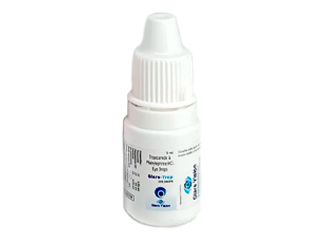


Tropicamide Eye Drops (Australia) – Patient Information
Tropicamide is a medicine used in eye care to temporarily enlarge (dilate) the pupil and relax the focusing muscle in the eye. It is commonly used by optometrists and ophthalmologists to help examine the eye’s interior, and it may also be used in other clinical situations where brief pupil dilation and cycloplegia (temporary paralysis of focusing) are helpful.
This page provides general, patient-friendly information about tropicamide eye drops, including what they do, how they work, typical uses, timing, safety considerations, and practical advice. Always follow the instructions given by your eye care professional and the directions on the product label.
Quick Facts
- Medicine: Tropicamide eye drops
- What it does: Dilates the pupil and temporarily blurs near vision
- Common purpose: Eye examinations and detailed retinal checks
- How long it lasts: Usually several hours, varying by person and strength
- Common effects: Blurred vision, light sensitivity
- Availability: Widely used in eye care settings across Australia
Basic Product Information
| Category | Information |
|---|---|
| Active ingredient | Tropicamide |
| Form | Eye drops (ophthalmic solution) |
| Typical strengths | Varies by brand/product presentation |
| Therapeutic class | Antimuscarinic (anticholinergic) for ophthalmic use |
| Main effects | Mydriasis (pupil dilation) and cycloplegia (reduced focusing) |
| Route | Topical (in the eye) |
Different manufacturers and strengths exist. Your clinician or pharmacist will advise which specific product and concentration are appropriate for you.
How Tropicamide Works (Mechanism of Action)
Tropicamide belongs to the antimuscarinic group of medicines. In the eye, it blocks certain receptors that normally respond to acetylcholine.
- Pupil dilation (mydriasis): Blocking muscarinic receptors relaxes the sphincter muscle of the iris, allowing the pupil to enlarge.
- Temporary blurring (cycloplegia): Tropicamide also reduces the eye’s ability to focus on near objects, which can be important for accurate examination of the eye and measurements of refractive error.
Because these effects are temporary, vision gradually returns to normal after the medicine wears off.
Pharmacokinetics (Absorption, Distribution, and Clearance)
When used as eye drops, tropicamide acts locally in the eye. Even though absorption through the eye surfaces is generally limited, small amounts may enter the bloodstream.
- Onset: Pupil dilation and reduced focusing typically begin within a relatively short time after instillation.
- Duration: The effect usually lasts for a few hours. In some people—especially children or those who are more sensitive—effects may last longer.
- Systemic absorption: Minimal systemic absorption is expected when used correctly, but antimuscarinic effects can occur if more enters the body than usual (for example, after frequent dosing or poor technique).
- Metabolism/clearance: Like other antimuscarinics, tropicamide is eliminated from the body over time; exact metabolic pathways depend on individual factors. Clinically, the focus is on the temporary ocular effect.
If you need reassurance about how long your specific treatment may last, ask your optometrist/ophthalmologist or pharmacist.
Typical Uses in Eye Care
Tropicamide is used to create a controlled, temporary dilation of the pupil and to reduce accommodation (focusing). Common clinical uses include:
- Eye examinations: To allow clearer viewing of the retina, optic nerve, and other internal structures.
- Assessing refractive error: Cycloplegic effect can help obtain more accurate measurements, particularly in children.
- Monitoring and diagnostic procedures: When clinicians require pupil dilation for specific tests.
Timing: When It Starts and When It Wears Off
Timing can vary by the concentration used, the number of drops, and individual sensitivity. As a general guide:
- After instillation: Vision may blur and light sensitivity can begin fairly quickly.
- Best planning: Arrange transport home after your appointment.
- Return to normal vision: Many people notice improvement within hours; complete recovery can take longer.
Practical tip: If you have an appointment, bring sunglasses and plan to avoid close-up activities (reading, screens, sewing, or driving) until your vision feels clearer.
Indications (What It’s Used For)
In practice, tropicamide is indicated for medical procedures and examinations that benefit from pupil dilation and cycloplegia. Specific indications can depend on product registration details and clinical protocol.
- To dilate the pupil during eye examination.
- To produce temporary cycloplegia when required for accurate assessment of focusing/refraction.
- To assist diagnostic evaluation of ocular structures.
Dosing: How Tropicamide Eye Drops Are Usually Used
Dosage can differ depending on the purpose of the eye examination and the concentration of the product. Your clinician will determine the appropriate regimen.
General pattern (common in eye care settings): One or more drops may be instilled into the affected eye(s), with timing between doses as required to achieve adequate dilation.
- Follow the instructions given: Use exactly as directed on the product pack or by your clinician.
- Typical approach: Start with the recommended number of drops, wait the specified time, and do not add extra drops unless instructed.
- Children: Dosing and concentration may be different; dosing must be tailored by the clinician.
Technique matters: Proper instillation reduces systemic absorption and irritation. Practical steps are listed later in this page.
Food Interactions
Tropicamide is used in the eye, so food interactions are not a major concern for most people. There are no well-known direct food interactions expected with ophthalmic use.
If you are taking other medications, it’s still a good idea to keep your pharmacist informed. Some medicines can increase sensitivity to anticholinergic effects, and your pharmacist can help check for interactions.
Alcohol and Medicine Interactions
Alcohol
Because tropicamide is applied as eye drops, alcohol interactions are unlikely to be significant in most people. However, tropicamide can cause blurred vision and reduced focusing, and alcohol can also affect reaction time and visual comfort.
- Avoid driving or using machinery if your vision is blurred or pupils remain dilated.
- Consider reducing alcohol intake on the day of treatment if it makes you feel less steady or more light-sensitive.
Interactions with other medicines
Tropicamide is an antimuscarinic medicine. In some cases, combining it with other drugs that also have anticholinergic properties may increase side effects such as dry mouth, flushing, or drowsiness.
Tell your pharmacist or clinician if you take any of the following (examples):
- Medicines with anticholinergic effects
- Some medicines used for overactive bladder or airway conditions
- Medicines that affect the central nervous system (for example, those that cause sedation)
This is not a complete list. Your pharmacist can check your specific regimen and advise accordingly.
Safety Profile and Side Effects
Most people tolerate tropicamide well when used correctly. Because it can affect the iris and the focusing ability of the eye, eye-related effects are common. Systemic antimuscarinic effects are less common but can occur, particularly with poor technique or higher-than-recommended dosing.
Common (expected) effects
- Blurred near vision (difficulty focusing up close)
- Light sensitivity (photophobia)
- Temporary visual discomfort after dilation
- Redness or irritation at the instillation site (some people)
Less common but important side effects
- Dry mouth or throat dryness
- Headache
- Dizziness or feeling unwell (uncommon)
- Fast heartbeat or palpitations (rare)
Seek urgent help if you experience
Immediate medical attention is recommended if you develop symptoms suggesting a serious eye reaction or systemic reaction. For example:
- Severe eye pain or worsening discomfort
- Marked redness plus nausea or vomiting
- Sudden vision loss or dramatic changes in vision
- Severe headache or significant dizziness
If you are ever unsure, contact a health professional promptly.
Practical Use Tips (How to Use Tropicamide Safely and Comfortably)
Proper administration can improve comfort, effectiveness, and safety. The steps below are general guidance. Follow your clinician’s instructions for your specific situation.
Before you start
- Wash and dry your hands.
- Check the dropper tip is clean and not damaged.
- Remove contact lenses if instructed (many eye dilation protocols recommend not wearing lenses during treatment).
During instillation
- Tilt your head back or lie down.
- Gently pull down the lower eyelid to create a small pocket.
- Instil the prescribed drop(s) into the eye without touching the eye surface with the bottle tip.
- After dosing: Close your eye gently and use a finger to apply light pressure at the inner corner of your closed eyelid for about 1–2 minutes. This can reduce drainage into the tear duct and help limit systemic absorption.
After dosing
- Keep eyes closed briefly to reduce leakage.
- If using other eye drops, allow a suitable time interval between products (ask your pharmacist/clinician).
- Wear sunglasses if you experience light sensitivity.
Driving and work: Avoid driving until your vision is clear and you can focus comfortably.
Who Should Be Extra Cautious?
Some people may be more sensitive to tropicamide or may require special monitoring. Tell your clinician if you have:
- A history of glaucoma or raised eye pressure
- Suspected or known narrow-angle anatomy (risk of eye pressure problems with pupil dilation)
- Any significant eye pain, inflammatory eye disease, or recent eye surgery (relevance depends on your case)
- Known sensitivity to atropine-like (antimuscarinic) medicines
If you have risk factors for angle-closure glaucoma or are not sure, discuss this with your eye care professional before use.
Alternative Options (Other Medicines Used for Eye Dilation)
Depending on the examination and clinical goal, clinicians may use other agents to dilate pupils and/or produce cycloplegia. Options can include:
- Phenylephrine: Often used to dilate the pupil by a different mechanism.
- Other cycloplegics: Depending on the purpose (for example, for refraction in children), clinicians may use different cycloplegic eye drops.
- Combination regimens: Some protocols use more than one medicine to achieve adequate dilation with appropriate timing.
The “best” alternative depends on your eye health, age, and the type of exam being performed. Ask your clinician what they recommend and why.
Market and Legal Context for Australia
In Australia, medicines used in eye care are regulated under the Australian regulatory framework. Eye drops like tropicamide are used by health professionals and may be supplied via pharmacy channels according to product category and state/territory requirements.
Product availability can depend on the specific brand, strength, and presentation. A reputable online pharmacy will provide accurate information about the product you are ordering, including expiry dates, storage requirements, and safe-use instructions.
Regulatory note: Always ensure you purchase from a legitimate pharmacy and check that the product is properly labelled for Australian distribution.
Recent Guidance and Clinical Considerations
Clinical practice evolves over time, and eye-care protocols can vary between services. Common recent themes in eye examination guidance include:
- Patient preparation: Ensuring patients understand that blurred vision and light sensitivity are expected.
- Risk screening: Assessing individuals who may be at higher risk of complications related to pupil dilation.
- Reducing systemic absorption: Encouraging correct instillation technique (including gentle pressure at the inner eye corner).
- Co-ordination with other eye drops: Scheduling other medicines appropriately when multiple eye drops are needed.
If you have concerns—especially related to glaucoma risk, prior eye reactions, or upcoming driving/reading demands—discuss them with your eye care provider.
Delivery and Availability (Online Pharmacy)
Many online pharmacies in Australia can deliver tropicamide eye drops to eligible customers. Delivery options may include standard and express post, depending on your location and the pharmacy’s courier partners.
- Availability: Subject to stock levels and product listings at the time you order.
- Packaging: Products are typically supplied in sealed retail packaging to maintain integrity.
- Storage: Follow the storage instructions on the pack (for example, room temperature vs refrigeration, if specified).
- Expiry: Only usable, in-date stock should be supplied.
If you need your drops for a planned appointment, order early to allow for delivery time. If you require a specific strength or brand, confirm the listing before ordering.
FAQ: Tropicamide Eye Drops
1) Will tropicamide make my vision blurry?
Yes. Tropicamide commonly causes blurred near vision and difficulty focusing on close objects. It also often causes light sensitivity due to pupil dilation. This usually improves as the medicine wears off.
2) How long will the effects last?
Many people recover within several hours, but duration can vary. Children and some adults may experience longer-lasting effects. Your clinician can give guidance based on the dose and concentration used.
3) Can I drive after using tropicamide?
Avoid driving until your vision is clear and you can focus comfortably. Because pupil dilation and cycloplegia can reduce visual performance, driving soon after dosing may be unsafe.
4) Can I use contact lenses?
This depends on the eye examination protocol and product instructions. Many clinicians advise removing contact lenses during dilation and waiting before reinserting. Ask your eye care provider or pharmacist.
5) What if only one eye is treated?
You may notice different vision quality between eyes. This is normal with unilateral dosing. Continue to avoid driving and take care in bright light until both eyes feel comfortable and visual function improves.
6) What should I do if I miss a dose?
If you were instructed to use drops at specific times, follow the plan given by your clinician. Do not double up unless instructed. If you’re unsure, contact your pharmacist for advice.
7) Are there food interactions?
Food interactions are generally not a concern with tropicamide eye drops because the medicine is used locally in the eye. If you have multiple medicines or special health conditions, speak with a pharmacist for tailored advice.
8) Can I take other medicines at the same time?
Many people can, but because tropicamide can have antimuscarinic effects, some medicines may increase the risk of side effects. Tell your pharmacist about all medicines you’re taking, including tablets, nasal sprays, and other eye drops.
9) What if I experience severe pain or nausea?
Seek urgent medical advice. Severe eye pain, marked redness, nausea/vomiting, or sudden changes in vision can indicate a serious reaction that needs prompt assessment.
10) Is tropicamide suitable for children?
Tropicamide may be used in paediatric eye exams, but dosing and safety considerations are important. Children can be more sensitive and effects may last longer, so specialist guidance is essential.
Summary
Tropicamide eye drops are widely used in Australia to temporarily dilate the pupil and relax focusing. The result is clearer examination conditions, but it also commonly causes blurred near vision and light sensitivity for several hours. Using the drops correctly—especially applying gentle pressure at the inner corner of the eye—can improve comfort and reduce systemic absorption.
If you have questions about timing, side effects, or how long your vision may remain affected, contact your eye care professional or pharmacist for advice specific to your situation.