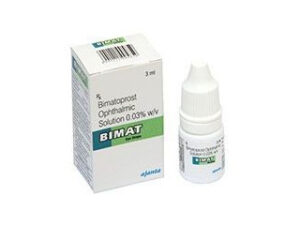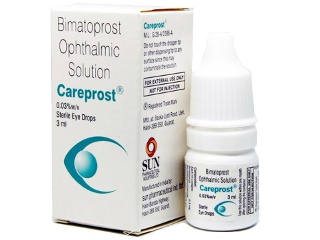
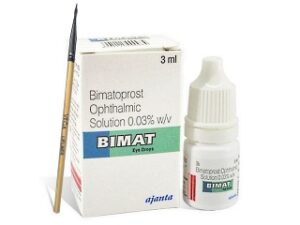
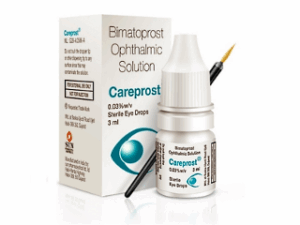
Careprost (Bimatoprost) – Patient Guide for Australia
Careprost is a brand of bimatoprost, a medicine used to help reduce intraocular pressure (IOP) and/or to improve the appearance of eyelashes in selected patients. This guide explains how it works, how it’s used in practice, and important safety information for everyday use.
This information is designed to be patient-friendly. Always follow the specific instructions given by your eye doctor or pharmacist, and refer to the product label for directions for use.
Quick Facts
- Active ingredient: Bimatoprost
- Common form: Eye drops
- Typical purposes: Lowering eye pressure (glaucoma/ocular hypertension) and eyelash enhancement (where indicated)
- How it’s taken: Usually once daily in the evening (commonly before bedtime)
- Most common side effects: Redness, itching/irritation, dry eye sensation, and changes around the eye
Basic Product Information
Careprost contains bimatoprost. Bimatoprost belongs to the prostaglandin analogue class of medicines used in ophthalmology.
In Australia, the availability of specific brands and concentrations may vary by supply and regulatory status. Your pharmacist can confirm the exact strength you have and the correct regimen for your condition.
| Category | Details |
|---|---|
| Medicine name | Careprost |
| Active ingredient | Bimatoprost |
| Medication type | Ophthalmic solution (eye drops) |
| Typical dosing frequency | Once daily (commonly in the evening) |
| Key effects | Reduces intraocular pressure; may improve eyelash appearance (where indicated) |
How Careprost Works (Mechanism of Action)
Bimatoprost is a prostaglandin analogue that helps lower the pressure inside the eye. It primarily works by:
- Increasing outflow of aqueous humour (the fluid inside the eye) through the eye’s drainage pathways
- Reducing intraocular pressure (IOP), which helps protect the optic nerve in conditions such as glaucoma
For eyelash enhancement, bimatoprost may affect factors involved in eyelash growth cycles, resulting in improved eyelash length/thickness in some people when used as directed.
Pharmacokinetics (What the Body Does With It)
After applying bimatoprost eye drops, the medicine is absorbed through eye tissues. While the exact absorption can vary between individuals, the general principles include:
- Local action: Most of the effect is within the eye, rather than through whole-body circulation.
- Distribution: Bimatoprost reaches ocular tissues where it produces its pharmacologic effect.
- Metabolism and elimination: Bimatoprost is metabolised primarily by the body’s metabolic pathways and is cleared through renal and non-renal routes (exact proportions can vary).
- Minimal systemic exposure: Because it is used in the eye, systemic levels are usually low.
If you have kidney or liver disease, ask your pharmacist or eye doctor whether any additional precautions are needed for your situation.
Typical Uses and Indications
The most common clinical uses for bimatoprost products include:
- Elevated intraocular pressure associated with glaucoma and ocular hypertension
- Reduction of IOP to help lower risk of optic nerve damage
- Eyelash hypotrichosis (where the product is indicated for eyelash appearance enhancement, based on Australian product labelling and availability)
If you’re unsure which indication applies to your product, check the label or ask your pharmacist.
Dosing: How to Use Careprost Safely and Effectively
General dosing (typical regimen)
Most bimatoprost eye drop regimens are taken as:
- Once daily (often in the evening)
- Try to use it at the same time each day
In many regimens, the evening dose is recommended because the effect on IOP may be more noticeable with routine evening administration. However, follow the dosing schedule specified for your prescribed or recommended product.
Step-by-step practical use
- Wash your hands thoroughly.
- Prepare the bottle and check the expiry date.
- Position yourself comfortably (in front of a mirror if helpful).
- Gently pull down the lower eyelid to form a small pocket.
- Instil one drop into the affected eye (avoid touching the dropper tip to your eye or eyelids).
- Close your eye gently for about 1–2 minutes.
-
Press lightly at the inner corner of the eye (near the nose) for about 30–60 seconds if you can.
This can reduce drainage into the nose and may limit systemic absorption. - Repeat for the other eye only if instructed.
- Replace the cap immediately.
If you miss a dose
- If you remember later the same day, use it as soon as you can.
- If it’s close to the time for your next dose, skip the missed dose.
- Do not use double to make up for a missed dose.
Do not exceed the recommended frequency
Using bimatoprost more often than directed does not usually improve results and may increase the chance of side effects.
Timing and Routine: Best Time to Apply Careprost
Careprost is commonly used once daily in the evening. To make it easier:
- Choose a routine time such as after dinner or just before bedtime.
- Set a daily reminder so you don’t miss doses.
- If you use other eye drops, keep a consistent order and allow time between medicines (see “Practical Use Tips” below).
For the best effect on eye pressure, consistency matters. If you’re unsure about timing due to other medications, ask your pharmacist for a schedule.
Food Interactions
Because Careprost is applied to the eye and works locally, food interactions are unlikely.
There are no commonly expected interactions between bimatoprost eye drops and specific foods. However, your overall eye health can be influenced by hydration and general health, so maintaining a balanced diet and staying well-hydrated is beneficial.
Alcohol and Medicine Interactions
Alcohol
There is no well-established direct interaction between alcohol and bimatoprost eye drops, since systemic absorption is typically low. Still, alcohol may worsen dry eye symptoms in some people, which can make irritation feel worse.
Other medicines (medicine interactions)
Interactions with eye drops are generally limited, but it’s important to consider:
- Other eye drops you use for glaucoma or allergy (including different prostaglandin products)
- Ointments or gels that may affect absorption timing
Important interaction points include:
- Do not use two prostaglandin analogue eye drops together unless your eye doctor specifically instructs you. Combining similar medicines can increase redness and other side effects without providing additional benefit.
- If you use multiple eye drops, separate them by at least 5–10 minutes to reduce dilution and improve absorption.
- If you use contact lenses, follow lens care guidance and the instructions for the particular product (see practical tips).
Tell your pharmacist about all medicines you take, including eye drops, over-the-counter products, and herbal supplements.
Safety Profile: Side Effects and Warnings
Common side effects
Many people tolerate bimatoprost well. However, as with all eye medications, side effects can occur. Commonly reported effects include:
- Redness of the eye
- Itching, irritation, or a burning/stinging sensation
- Dry eye or gritty feeling
- Watery eyes
- Periorbital skin darkening or changes around the eyes (more noticeable with long-term use in some individuals)
- Changes to eyelashes (for eyelash indications): increased length, thickness, or number
Less common but serious warnings
Seek prompt medical advice (from your eye doctor or local urgent care) if you experience:
- Severe eye pain
- Marked worsening redness or swelling
- Vision changes (blurred vision that doesn’t clear, shadows, or sudden loss of vision)
- Signs of infection (significant discharge, crusting, worsening discomfort)
- Allergic reaction such as facial swelling, hives, or difficulty breathing
Colour changes
Some patients report changes in eye colour (particularly in the iris) with long-term use of bimatoprost-containing products. This may be gradual and may be permanent. If you notice any change in eye appearance, discuss it with your eye doctor.
Contact lenses
Many eye drop formulations include preservatives that may interact with contact lenses. Ask your pharmacist for instructions specific to your Careprost bottle. In general:
- Consider removing contact lenses before instillation.
- Wait an appropriate period before reinserting lenses if advised on the label.
Pregnancy, breastfeeding, and children
If you are pregnant, breastfeeding, or using the drops for a child, discuss the risks and benefits with your clinician. The safety profile may differ by patient group and indication.
Practical Use Tips (Getting the Best Results)
- Use consistent timing: Once daily at the same time improves adherence and outcomes.
- Avoid contaminating the bottle: Do not touch the tip to your eye or eyelids.
- Remove excess drops: If drops spill onto skin, gently wipe with a clean tissue.
- Separate multiple eye medicines: Wait 5–10 minutes between different drops; use gels/ointments last if instructed.
- Keep good hygiene: Wash hands before and after use; don’t share eye drops.
- Manage irritation: If dryness occurs, your pharmacist may recommend appropriate lubricant eye drops. Only use them if they’re compatible with your regimen.
- Expect gradual results: IOP lowering may occur within days, but full response can be assessed over weeks. For eyelash changes, visible improvement typically takes time.
Alternative Options
If Careprost (bimatoprost) isn’t suitable or doesn’t achieve the desired effect, there are other options available for glaucoma/IOP control and eyelash enhancement, depending on the indication and product availability in Australia.
For glaucoma or elevated IOP
- Other prostaglandin analogues (different active ingredients within the same class)
- Beta-blocker eye drops
- Alpha-agonists
- Carbonic anhydrase inhibitors
- Combination eye drops (two medicines in one bottle)
- Procedures (e.g., laser or surgery) for some patients
For eyelash enhancement
- Products with different active ingredients may be available depending on local regulatory status.
- Non-medicine options include eyelash serums and cosmetic methods (results vary).
Your eye doctor can help determine the best alternative based on your diagnosis, eye health, and tolerance to medicines.
Australia: Market and Legal Context, and Recent Guidance
In Australia, medicines are regulated by the TGA (Therapeutic Goods Administration). Whether a product is supplied as a prescription-only medicine or through another scheme depends on its active ingredient, concentration, intended use, and product approvals.
For ophthalmic medicines like bimatoprost, availability and labelling can vary. Safety guidance commonly emphasises:
- Using the product exactly as labelled for the intended eye condition or purpose
- Appropriate dosing frequency and correct administration technique
- Monitoring for side effects, especially with long-term use
- Seeking medical advice for symptoms such as pain, vision changes, or significant redness
Recent guidance may include updates on safe supply, patient education, and quality assurance through TGA processes and pharmacy standards. Your pharmacist can confirm the most current information relevant to your particular Careprost product and whether it is an approved option for your indication.
Important note on online pharmacy supply: Only purchase from reputable pharmacies and check that the product is suitable for use in Australia with clear labelling and expiry dates.
Delivery and Availability (Online Pharmacy)
Availability can vary depending on stock levels and the specific strength/pack size you require. Typically, an online pharmacy experience includes:
- Order confirmation and payment processing
- Dispatch once the item is in stock
- Delivery tracking and expected delivery times
- Packaging that protects bottles from damage
If you require the medicine for ongoing treatment, consider ordering early to avoid interruptions. Always check the expiry date and storage conditions on arrival.
For best results, store bimatoprost eye drops as directed on the product packaging, usually at room temperature and away from direct sunlight. Keep the bottle closed tightly when not in use.
Frequently Asked Questions (FAQ)
1) Is Careprost suitable for everyone?
Careprost is not suitable for everyone. Your suitability depends on your eye condition, eye health, other medicines you use, and whether you have allergies or sensitivities. If you have any eye conditions such as inflammation, infection, or recent eye surgery, ask your eye doctor or pharmacist before starting.
2) How long does it take to work?
Many patients notice changes in intraocular pressure within the first days, but your eye doctor will assess overall effectiveness over time (often over several weeks). Eyelash appearance changes usually take longer and occur gradually.
3) Can I use Careprost with other glaucoma eye drops?
Often yes, but only when prescribed or recommended in a compatible regimen. Keep drops separated by 5–10 minutes and avoid duplicating prostaglandin products unless instructed by your clinician.
4) What if I accidentally use the drops twice in one day?
If it happens, don’t panic. Resume your normal once-daily schedule the next evening. Contact your pharmacist or eye doctor if you experience unusual irritation or significant redness, or if you’re concerned.
5) Will Careprost cause my eyes to look red?
Redness is a common side effect. Mild redness can be expected, especially early in treatment. However, if redness is severe, painful, or accompanied by vision changes, seek prompt advice.
6) Can Careprost change my eye colour?
Iris colour changes have been reported with long-term bimatoprost use. This may be gradual and could be permanent. If you notice a colour change, discuss it with your eye doctor.
7) Do I need to stop if I feel stinging or irritation?
Mild stinging may occur after instillation. If symptoms are mild and improve, you may continue as directed. If irritation is persistent, worsening, or associated with pain or blurred vision, stop and contact your pharmacist or eye doctor for advice.
8) What should I do if I miss a dose?
Use it when you remember, unless it’s close to your next dose. Do not use double doses.
9) Can I wear contact lenses?
Many patients can, but contact lens use depends on the product formulation and label instructions. Ask your pharmacist for the specific guidance for your Careprost bottle. If you’re advised to remove lenses, wait the recommended period before reinserting.
10) Is it safe to drive after using Careprost?
Some people experience temporary blurred vision or irritation immediately after using eye drops. If this happens, avoid driving until your vision clears.
When to Get Urgent Help
Contact your eye doctor or seek urgent medical care if you have:
- Severe eye pain
- Significant vision changes
- Marked worsening redness or swelling
- Symptoms suggesting infection
- Signs of an allergic reaction (e.g., facial swelling, breathing difficulty)
Summary
Careprost (bimatoprost) is an eye drop used to help lower intraocular pressure for glaucoma or ocular hypertension and may also improve eyelash appearance in appropriate indications. It works by improving drainage of fluid inside the eye. Use it once daily, usually in the evening, and follow practical techniques to minimise irritation and contamination. While side effects such as mild redness or irritation can occur, severe pain or vision changes require prompt medical advice.
If you have questions about how to use your specific bottle, what timing to follow alongside other eye drops, or how to manage side effects, speak with a pharmacist or your eye care professional.