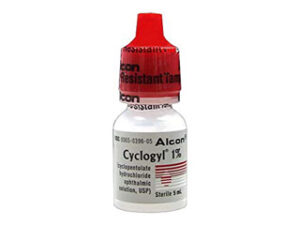
Cyclopentolate: Patient-Friendly Guide (Australia)
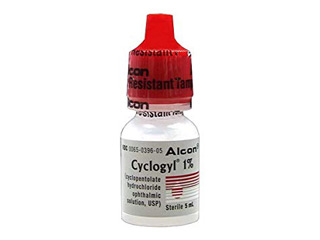
Cyclopentolate is an antimuscarinic medicine used in eye care to temporarily dilate pupils and paralyse focusing (cycloplegia). It is commonly used during eye examinations, especially when assessing refractive error (your glasses prescription) or when more detailed evaluation of the eye is needed.
This guide explains how cyclopentolate works, what to expect, practical tips for safe use, interactions, dosing guidance, and important Australia-specific considerations for availability and guidance.
Quick product information
| Category | Details |
|---|---|
| Medicine | Cyclopentolate (antimuscarinic/cycloplegic eye drops) |
| Common uses | Pupil dilation and cycloplegia for eye examinations; diagnostic eye procedures |
| How it works | Blocks muscarinic receptors in the eye, reducing accommodation |
| Typical onset | Usually within minutes after instillation (varies by dose and age) |
| Duration | Often several hours; in children it may last longer |
| Common side effects | Blurred near vision, light sensitivity, stinging, temporary redness |
| Key safety note | Avoid driving until vision returns to normal |
How cyclopentolate works (mechanism of action)
Cyclopentolate belongs to the group of medicines called antimuscarinics (anticholinergics). In the eye, it blocks the action of acetylcholine on muscarinic receptors.
This leads to:
- Myarosis control and pupil dilation: It relaxes the muscles responsible for pupil constriction, causing the pupil to widen (mydriasis).
- Cycloplegia: It reduces the eye’s ability to focus up close by temporarily paralysing the ciliary muscle.
- Reduced accommodative effort: This helps eye care professionals measure refractive error more accurately, especially in children or where accommodation may mask true vision needs.
Pharmacokinetics (what the body does with it)
Pharmacokinetics describes absorption, distribution, metabolism, and elimination. Because cyclopentolate is administered as an ophthalmic (eye) medicine, much of its action is local in the eye.
- Absorption: After instillation, cyclopentolate may be absorbed through ocular tissues and can also enter the systemic circulation via the nasal mucosa (after drainage through the tear ducts).
- Distribution: Systemic distribution can occur, particularly if drops overflow or are not followed by punctal occlusion.
- Metabolism and elimination: Like many antimuscarinic agents, systemic metabolism and elimination occur through hepatic/biotransformation and renal routes, though systemic levels after eye dosing are typically low when used correctly.
- Clinical implication: Because some systemic absorption may occur, side effects are more likely in very young children or if multiple drops are used or the eyes are wiped/irrigated immediately.
Typical use in eye care
Cyclopentolate is primarily used for diagnostic eye procedures and to support accurate assessment of vision.
Common indications include:
- Refraction (glasses prescription) testing: To temporarily stop focusing (cycloplegia), allowing more accurate determination of refractive error.
- Pupil assessment and retinal examinations: Pupil dilation helps clinicians examine the retina and optic nerve.
- Paediatric eye examinations: Children often accommodate strongly, making cycloplegia helpful for accurate measurement.
- Other specialist diagnostic needs: Depending on the patient’s eye condition and the clinician’s assessment.
Timing: onset, peak effect, and how long it lasts
Timings vary by age, dose, and individual response. A typical pattern is:
- Onset: Usually within minutes after instillation.
- Maximum effect: Often occurs within 20–60 minutes (varies widely).
- Duration of blur and light sensitivity: Commonly lasts several hours. In children, effects can persist longer.
- Resolution: Vision and pupil size typically return to baseline as the medicine wears off.
Practical tip: Plan for time at home. If you need to read, use screens, or be outside in bright light, arrange assistance and sunglasses.
Indications (when cyclopentolate may be used)
While specific products and clinical protocols differ, cyclopentolate may be indicated for:
- Accurate refractive assessment where cycloplegia is required (e.g., in children).
- Fundus examination and other diagnostic evaluations where pupil dilation is necessary.
- Situations where reduced accommodation improves diagnostic accuracy.
Important: Your eye care professional will decide whether cyclopentolate is appropriate based on your medical history, age, and eye condition.
Dosing: general guidance and how it is commonly administered
Dosing of cyclopentolate eye drops is based on clinical indication, patient age, and the specific product concentration. The following information is general and should be aligned with the product label and the advice given for your situation.
Typical dosing patterns (general)
- Refraction/cycloplegic testing: Often uses one or more drops per eye with a short interval between doses to achieve adequate cycloplegia.
- Diagnostic dilation: May use one or more drops depending on desired pupil size and exam timing.
How to use eye drops safely
- Wash your hands before use.
- Don’t touch the dropper tip to your eye, eyelids, or fingers.
- Instil correctly: Pull down the lower eyelid gently, place drops into the pocket formed by the lower lid, and close the eye.
- Perform punctal occlusion (helps reduce systemic absorption): After instillation, gently press the inner corner of the eye (near the nose) for about 1–2 minutes.
- Remove excess tears: You may gently dab excess liquid with a clean tissue (avoid rubbing the eye).
- Wait between different eye medicines: If using more than one eye drop, allow a few minutes between products unless otherwise directed.
Age matters: Effects can be stronger and longer-lasting in children, and dosing should be consistent with the specific product and clinician instructions.
Food interactions
Cyclopentolate is used as an eye drop, so food interactions are not typically expected. The main route of concern is systemic absorption through the tear drainage system, not dietary intake.
Practical note: If you experience dizziness or drowsiness (uncommon), avoid driving or operating machinery until you feel normal again. This is a safety measure rather than a food-related interaction.
Alcohol and medicine interactions
Because cyclopentolate is an eye medicine, significant interactions with alcohol are not commonly reported. However, systemic antimuscarinic effects (rare, but possible—especially in children or with higher systemic absorption) can include:
- Dry mouth
- Blurred vision
- Increased heart rate
- Feeling flushed
- Confusion or unusual behaviour (more concerning in children)
Alcohol precaution: Alcohol can worsen dizziness, drowsiness, or impaired coordination in some people. Even if cyclopentolate does not directly interact with alcohol, combining them may make you feel worse. Consider avoiding alcohol until your vision and alertness return to normal.
Other medicine interactions (general)
Cyclopentolate’s antimuscarinic action means it may theoretically add to effects of other medicines with anticholinergic properties. Examples include some medicines used for:
- Overactive bladder
- Some allergies (antihistamines with anticholinergic effects)
- Motion sickness
- Some antidepressants
- Some Parkinson’s disease medicines (depending on type)
What to do: If you or your child takes regular medicines, especially for urinary, allergy, mood, or neurological conditions, let your eye care professional know.
Safety profile: who should take extra care
Cyclopentolate is generally well tolerated when used correctly, but it can cause temporary visual changes and light sensitivity. As with other antimuscarinic medicines, caution is important in certain situations.
Common side effects
- Blurred near vision (cycloplegia)
- Light sensitivity due to dilated pupils
- Temporary stinging or burning on instillation
- Redness of the eye
- Watery eyes or mild discomfort
Less common but important effects
- Dry mouth (more likely if systemic absorption occurs)
- Fast heartbeat or feeling flushed
- Headache
- Agitation or confusion (particularly in children)
Seek urgent medical advice if
- Severe eye pain develops
- Your vision becomes significantly worse rather than gradually improving
- There is marked redness, nausea, or halos around lights (could indicate raised eye pressure)
- A child shows unusual behaviour, severe sleepiness, or confusion
Special precautions
Extra caution is advised if you have:
- History of narrow-angle glaucoma or risk of angle-closure glaucoma
- Previous eye reactions to similar drops
- Significant eye disease where clinician guidance is essential
Important: If you have a known risk of glaucoma or have ever been told you have narrow angles, tell your eye care provider before cyclopentolate is used.
Practical use tips (before and after your drops)
Before you use cyclopentolate
- Bring sunglasses: Dilation can make bright light uncomfortable.
- Plan your day: Avoid tasks requiring clear near vision, such as reading small print.
- Child supervision: If a child receives cyclopentolate, ensure an adult is present and monitors behaviour and comfort.
During the effect
- Do not drive until your vision returns and pupils size normalises.
- Avoid rubbing the eyes, which can increase irritation and systemic absorption.
- Protect from sunlight with sunglasses or a cap brim indoors if needed.
After the effect
- Resume normal activities when your vision feels clear.
- Follow-up: If you had a refraction test, your eye care professional will confirm your glasses prescription once the effects settle or based on their test process.
- Discard open product appropriately: Use according to the product label (eye drops have shelf-life limits after opening).
Alternative options
If cyclopentolate isn’t suitable or if a clinician chooses a different approach, other cycloplegic and mydriatic agents may be used depending on the patient’s needs and local practice. Alternatives can include:
- Atropine (cycloplegia and longer acting in some regimens)
- Homatropine (short-to-intermediate acting)
- Tropicamide (often used for dilation with less cycloplegia than some agents)
- Combination approaches (e.g., different drops to achieve the required effect while balancing side effects)
Note: Selection depends on age, diagnostic purpose, risk factors, and expected duration of effect. Your eye care professional can recommend the most appropriate option.
Australia: market and legal context (overview)
In Australia, eye drops are regulated under national medicines frameworks. Availability, brand names, and supply pathways can vary based on the concentration and intended use. Cyclopentolate products used for ophthalmic purposes are typically supplied through eye care and pharmacy channels in accordance with regulatory requirements.
What this means for customers:
- Product availability may depend on local pharmacy stocking and clinic supply practices.
- Packaging, concentration, and dosing instructions can differ between products and brands.
- Safety information on the pack and instructions from your eye care provider should always be followed.
Pharmacist support: Australian community pharmacists can help answer questions about correct use, timing for vision changes, and how to space multiple eye medicines if needed.
Recent guidance and clinical approach (practical summary)
While guidance can evolve, the general clinical approach for cycloplegic eye drops focuses on:
- Achieving adequate cycloplegia to improve accuracy of refraction.
- Minimising systemic absorption (e.g., using punctal occlusion) especially in children.
- Assessing individual risk for adverse effects such as susceptibility to increased eye pressure.
- Preparing patients for expected symptoms (blur and light sensitivity) and advising on avoiding driving.
If you have concerns about side effects or your child’s reaction, contact an appropriate healthcare provider for advice.
Delivery and availability (online pharmacy considerations in Australia)
Online pharmacies in Australia typically deliver medicines to eligible locations within state and territory regulations. Availability may vary by brand and strength.
When ordering cyclopentolate online, you can generally expect:
- Product listing details: strength/concentration, pack size, and expiry information.
- Shipping timelines: dependent on your location and warehouse processing times.
- Cold-chain: usually not required for typical ophthalmic drop formulations, but always check product details.
- Delivery updates: tracking may be provided where available.
Storage: Follow the storage instructions on the pack (commonly store at controlled room temperature and protect from direct sunlight). Keep out of reach of children.
Expiry: Do not use past the expiry date. If the product appears discoloured or contaminated, do not use it.
FAQ: Common questions about Cyclopentolate
1) What is cyclopentolate used for?
Cyclopentolate is used to dilate pupils and temporarily paralyse focusing in the eye (cycloplegia). It helps eye care professionals carry out examinations and obtain accurate measurements for glasses prescriptions and retinal assessment.
2) How long does blurred vision last after cyclopentolate?
It often lasts several hours, but the timing varies—especially in children. Light sensitivity and difficulty focusing up close are expected until the effects wear off.
3) Can I drive after using cyclopentolate?
It’s generally unsafe to drive while your pupils are dilated and your near vision is blurred. Avoid driving until your vision has returned to normal and you feel confident and comfortable.
4) Do I need to stop eating or change my diet?
There are typically no food interactions with cyclopentolate eye drops. The main safety concerns relate to eye effects and (rarely) systemic absorption.
5) How can I reduce side effects in children?
Using punctal occlusion after instilling drops (gently pressing the inner corner of the eye for about 1–2 minutes) can reduce systemic absorption. Also, ensure the correct number of drops as directed for the product and patient age.
6) What side effects are normal?
Common, expected effects include blurry near vision, light sensitivity, and mild stinging or redness. These should improve as the medicine wears off.
7) When should I seek urgent help?
Seek urgent medical advice if there is severe eye pain, marked redness, significant worsening vision, nausea/vomiting, or in children unusual severe behaviour such as confusion or extreme drowsiness.
8) Can cyclopentolate be used with other eye drops?
Often yes, but you should space different eye drops to avoid dilution and ensure each medicine has time to work. If you’re unsure, ask a pharmacist or your eye care professional. A few minutes between drops is commonly recommended unless instructions differ.
9) Is alcohol a problem with cyclopentolate?
Direct interactions are not usually expected, but alcohol can worsen dizziness or impaired coordination. It’s sensible to avoid alcohol until vision and alertness return to normal.
10) What are the alternatives to cyclopentolate?
Depending on the clinical purpose, other cycloplegic/mydriatic agents (such as atropine, homatropine, or tropicamide) may be used. Choice depends on age, required strength, expected duration, and safety considerations.
Summary
Cyclopentolate is a cycloplegic and mydriatic eye drop used to support accurate eye examinations by dilating pupils and temporarily reducing the eye’s focusing ability. The main experiences for most people are temporary blurred near vision and light sensitivity, lasting several hours (longer in some children). Using proper technique—especially gentle punctal occlusion—can improve comfort and reduce the chance of systemic effects.
If you have questions about how cyclopentolate will affect you (or your child), or you have risk factors such as a history of narrow-angle glaucoma, speak with your pharmacist or eye care professional before use.