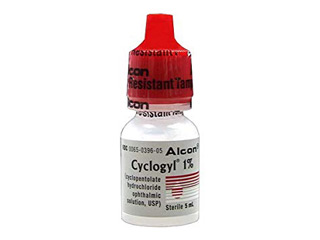
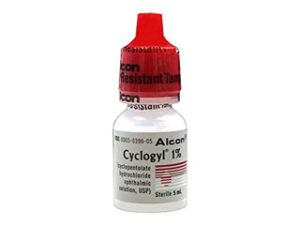
Cyclogyl (Cyclopentolate) – Patient Information
Cyclogyl is a medicine used to temporarily widen (dilate) the pupil and paralyse the focusing ability of the eye. It is commonly used in eye examinations and certain ophthalmic procedures in Australia.
This page explains how Cyclogyl works, how it is used, what to expect, and important safety information. If you are unsure about how to use your eye drops, ask your pharmacist or optometrist/doctor for advice.
Quick facts
- Medicine: Cyclogyl (cyclopentolate)
- What it does: Dilates pupils and relaxes focusing (cycloplegia)
- Common uses: Eye examinations and refraction testing; certain eye conditions as directed
- Common side effects: Blurred vision, light sensitivity, dry mouth (especially in children)
- How fast it works: Usually within 20–60 minutes
- How long it lasts: Vision changes can last several hours; sometimes longer in children
Basic product information
| Category | Details |
|---|---|
| Active ingredient | Cyclopentolate |
| Medicinal form | Eye drops (ophthalmic solution) |
| Therapeutic group | Antimuscarinic (anticholinergic) agent used for pupil dilation and cycloplegia |
| Main effects | Mydriasis (pupil dilation) and cycloplegia (reduced focusing ability) |
| Typical setting | Optometry/ophthalmology clinics and hospitals; sometimes home use if instructed |
How Cyclogyl works (mechanism of action)
Cyclopentolate belongs to a group of medicines called antimuscarinics (anticholinergics). In the eye, it works by blocking the action of acetylcholine at muscarinic receptors.
This leads to two key effects:
- Pupil dilation (mydriasis): The pupil enlarges, allowing more light and improved examination of the inside of the eye.
- Cycloplegia (loss of accommodation): The eye’s focusing muscle is temporarily relaxed. This helps obtain more accurate measurements of the eye’s focusing power (refraction), especially in children.
Pharmacokinetics (what the body does to the medicine)
When Cyclogyl is instilled into the eye, a portion of the medicine can pass through the eye tissues and enter the bloodstream. The extent of systemic absorption can vary based on:
- How many drops are used
- Whether drops are applied to both eyes
- Whether punctal occlusion is performed (pressing the tear duct area after dosing)
- Age of the person (children can absorb more and show stronger systemic effects)
Onset and duration depend on the dose and individual response. Cyclopentolate’s eye effects generally begin within tens of minutes and can persist for hours. In children, effects may last longer.
Metabolism and elimination: Like many antimuscarinic agents, cyclopentolate is metabolised in the body and cleared mainly through renal (kidney) pathways and other metabolic processes. Systemic exposure is generally low when used correctly in the eye, but may be higher in children or when drops are used incorrectly.
Typical uses and indications
Cyclogyl is used when temporary pupil dilation and cycloplegia are needed, including:
- Eye examinations: To dilate the pupils for inspection of the retina and optic nerve.
- Refraction testing: To temporarily paralyse focusing and help measure refractive error more accurately.
- Certain ophthalmic conditions or procedures: When the clinician decides that cycloplegia and/or mydriasis is beneficial.
Who it’s often used for: Children, because their accommodation (focusing) can make refraction measurements harder without cycloplegia.
How soon it works and timing expectations
After Cyclogyl eye drops:
- Vision may blur: Often starting within 20–60 minutes.
- Light sensitivity: Frequently begins as pupils dilate.
- Peak effect: Typically reached within about 1–2 hours.
- Return to normal: Blurring and light sensitivity usually improve over several hours. In some people—especially children—it can last longer.
Practical advice: Plan for the possibility that you may not be able to drive or use screens comfortably until vision improves.
Dosing (typical dosing patterns)
Correct dosing depends on the purpose of use (e.g., examination vs refraction), the age of the patient, and the specific product strength and protocol used by the clinician.
General guidance:
- Use the exact dose and schedule given by your eye care professional or pharmacist.
- Do not increase the number of drops to “make it work faster”.
- If more than one drop is prescribed, the timing between doses is important.
Common clinical patterns (example protocols):
- Refraction/measurement: Cyclopentolate is often given as one or more drops with time intervals to achieve adequate cycloplegia.
- Ophthalmoscopy (eye examination): Drops may be given to achieve adequate pupil dilation.
Note: Dosing can vary widely by age and indication. Always follow the directions supplied with your product or by your clinician.
Step-by-step: practical use tips for eye drops
To use Cyclogyl safely and effectively:
- Wash your hands before opening the bottle.
- Check the tip for damage or contamination.
- Tilt your head back and gently pull down the lower eyelid to form a small pocket.
- Instil the prescribed number of drops into the eye without touching the eye or eyelid with the dropper tip.
- Close the eye gently for 1–2 minutes.
- Reduce systemic absorption: After applying the drop, consider punctal occlusion—press gently on the tear duct area (inner corner of the eye, near the nose) for about 1 minute. This can help reduce absorption of the medicine into the bloodstream.
- Wipe excess liquid from the eyelid with a clean tissue.
- Replace the cap securely and store as directed on the label.
Contact lenses: Avoid wearing contact lenses unless your clinician advises otherwise. Many eye drops with antimuscarinic effects can increase discomfort and may not be suitable with contacts.
Protect from bright light: Sunglasses can improve comfort while pupils are dilated.
Food interactions
Because Cyclogyl is used in the eye, food interactions are not usually expected. However, if systemic absorption occurs (more likely in children or with incorrect use), the medicine’s anticholinergic properties could affect comfort and dryness (for example, dry mouth).
Practical tip: If you notice dry mouth or swallowing discomfort, take sips of water and avoid very dry foods until the effect settles.
Alcohol and medicine interactions
Alcohol
There is limited direct evidence of an interaction between alcohol and Cyclogyl because the medicine is used locally in the eye. However, if you experience blurred vision, dizziness, or sleepiness from systemic absorption, alcohol may worsen these effects.
Recommendation: Avoid alcohol until your vision has returned to normal, particularly if you are experiencing blurred vision or discomfort.
Other medicines (possible interactions)
Cyclopentolate acts as an antimuscarinic. In theory, combining it with other anticholinergic medicines could increase side effects such as:
- Dry mouth
- Constipation
- Urinary retention
- Blurred vision and sensitivity to light
- Sleepiness or confusion (more likely in older adults)
Tell your pharmacist/clinician if the patient is using medicines such as:
- Other anticholinergic/antimuscarinic agents
- Some medicines for overactive bladder
- Some medicines for allergies that cause drowsiness
- Some antidepressants or antipsychotics with anticholinergic effects
Also important: If the patient is taking any medications for glaucoma, or has a history of eye pressure problems, the eye clinician should be aware before using mydriatic agents.
Safety profile and side effects
Most people tolerate Cyclogyl well when used as directed. Side effects are usually temporary and related to pupil dilation and cycloplegia.
Common side effects
- Blurred vision (temporary)
- Light sensitivity
- Stinging or mild irritation after application
- Dry mouth (more noticeable in children or when drops are absorbed systemically)
- Redness of the eye
- Difficulty focusing up close
Less common but important effects
- Increased eye pressure (rare but serious in susceptible individuals, especially those with narrow-angle glaucoma)
- Allergic reactions (rare): swelling, rash, or worsening eye irritation
- Systemic anticholinergic effects (more likely in children): agitation, fever, unusual sleepiness, fast heartbeat, or unusual behaviour
When to seek urgent medical help
Seek urgent medical assistance or contact your nearest emergency service if the person develops:
- Severe eye pain
- Marked redness with severe headache or nausea
- Sudden worsening vision
- Confusion, severe agitation, or unusual drowsiness
- Breathing difficulties or signs of severe allergy
Safety considerations for specific groups
- Children: More prone to systemic anticholinergic effects. Use punctal occlusion and follow dosing instructions precisely.
- Older adults: May be more sensitive to antimuscarinic effects such as confusion or drowsiness if systemic absorption occurs.
- People with glaucoma or risk of narrow angles: Mydriatic and cycloplegic agents can sometimes trigger raised eye pressure. Discuss risk with your eye clinician.
- Dry eye or ocular surface disease: Temporary irritation may feel more pronounced. Use lubricating drops only if recommended and ensure they don’t conflict with the clinician’s plan.
Alternative options
In eye care, other medicines can be used to achieve dilation and/or cycloplegia. Alternatives may include:
- Other cycloplegic agents used for refraction testing (choice depends on age, exam goals, and local protocols)
- Other mydriatic drops used for fundoscopy (to view the back of the eye)
Your clinician selects the most appropriate agent based on the intended purpose, patient age, eye history, and safety profile.
Market and legal context for Australia (what to expect)
In Australia, availability and labelling of medicines are governed by the TGA (Therapeutic Goods Administration) and relevant state/territory healthcare requirements. Cyclogyl (cyclopentolate) eye drops are supplied in line with Australian regulatory classifications and pharmacy standards.
For online pharmacies: Availability can vary by brand and pack size. Some ophthalmic medicines may be supplied only under specific conditions or with appropriate guidance to ensure safe use.
If you are purchasing Cyclogyl online, ensure:
- The product is the correct strength and format
- The label includes Australian instructions and storage information
- The expiry date is acceptable and the packaging appears intact
Recent guidance and best-practice considerations
Eye care practices may evolve based on clinical experience and patient safety. Current best-practice considerations commonly include:
- Minimising systemic absorption by using punctal occlusion after dosing, particularly in children.
- Ensuring accurate follow-up for visual recovery and safety for driving (where applicable).
- Screening for glaucoma risk where relevant before using pupil-dilating agents.
- Clear instructions about what to expect (blurred vision, light sensitivity) and how long it may last.
Your eye care professional may provide additional instructions tailored to your specific situation.
Delivery and availability (online pharmacy information)
Delivery options vary by online pharmacy and by product classification. When you order Cyclogyl:
- Dispatch times depend on stock availability
- Delivery tracking is often provided
- Cold-chain is typically not required for standard eye drop solutions unless stated on the label
Storage: Follow the storage instructions on the pack. Eye drops are usually stored at room temperature and protected from excessive heat. Keep the bottle tightly closed when not in use.
If you have questions about stock availability in your area, contact the pharmacy before ordering.
FAQ
1) What is Cyclogyl used for?
Cyclogyl (cyclopentolate) is used to dilate the pupils and temporarily reduce the eye’s focusing ability. It helps with eye examinations (including examining the back of the eye) and with refraction testing to measure eyesight more accurately.
2) How long does Cyclogyl last?
Effects usually begin within 20–60 minutes. Blurred vision and light sensitivity often last several hours. In children, effects can last longer—sometimes into the evening.
3) Can I drive after using Cyclogyl?
Usually not immediately. Cycloplegia and mydriasis can make it difficult to focus and judge distance. Plan to avoid driving until your vision clearly returns and you feel confident and safe.
4) Will it hurt?
Some people experience mild stinging or irritation when the drops are applied. This should be temporary. If you experience significant pain, severe redness, or worsening vision, seek urgent advice.
5) Should I use punctal occlusion?
It can reduce systemic absorption. Press gently on the tear duct area at the inner corner of the eye for about 1 minute after each dose (unless your clinician advises otherwise).
6) Are there food interactions?
Food interactions are not typically expected because Cyclogyl is used in the eye. If the person develops dry mouth, sips of water may help.
7) What medicines could interact with Cyclogyl?
Because it has antimuscarinic effects, combining it with other medicines that also cause anticholinergic side effects may increase problems such as dry mouth, constipation, urinary retention, or sleepiness. Tell your pharmacist about all medicines being used.
8) What if a child is given Cyclogyl—what should I watch for?
Children may show stronger systemic effects. Watch for unusual agitation, fever, marked sleepiness, fast heartbeat, or unusual behaviour. If any concerning symptoms occur, seek medical advice promptly.
9) Can I wear sunglasses?
Yes. Sunglasses can reduce discomfort from light sensitivity while pupils are dilated.
10) What should I do if I miss a dose?
If Cyclogyl is being used as part of a clinician-guided schedule, follow their instructions. Do not double up unless directed. If you are unsure, contact your pharmacist or eye care provider.
Summary
Cyclogyl (cyclopentolate) eye drops are used to dilate pupils and temporarily relax focusing for eye examinations and refraction testing. While side effects such as blurred vision and light sensitivity are common and temporary, it is important to follow dosing instructions carefully—especially in children—and to protect the eyes from bright light. If you experience severe pain, severe redness, sudden vision changes, or concerning systemic symptoms, seek urgent medical attention.