
Nizoral (Ketoconazole) – Patient Information (Australia)
Nizoral contains ketoconazole, an antifungal medicine used to treat certain fungal infections of the skin and (in some formulations and circumstances) the scalp. This guide explains how ketoconazole works, how to use it safely, and what to know about interactions, side effects, and availability in Australia.
Always follow the instructions on your product label and any advice from a healthcare professional. If you are unsure which formulation is right for you (for example, shampoo vs cream), check the product details or ask a pharmacist.
Basic product information
| Feature | What to know |
|---|---|
| Medicine | Ketoconazole |
| Brand | Nizoral (commonly available as shampoo; other forms may vary by market and supplier) |
| Type | Antifungal (used for infections caused by susceptible fungi) |
| Common local uses | Fungal infections on the skin and scalp such as seborrhoeic dermatitis and related conditions (as indicated on the specific product) |
| Australia availability | Availability and formulation depend on the current Australian supply and regulatory status of the product |
How ketoconazole works (mechanism of action)
Ketoconazole belongs to the group of antifungal medicines called imidazoles. It works by interfering with the fungus’s ability to make ergosterol, a key component of fungal cell membranes. Without ergosterol, the fungal cell membrane becomes unstable, which can slow fungal growth and help clear the infection.
Pharmacokinetics (how the medicine moves through the body)
Pharmacokinetics describes what happens to a medicine after use—how it is absorbed, distributed, metabolised, and eliminated.
- Topical products (e.g., ketoconazole shampoo/cream): Absorption through intact skin is generally limited. Most of the benefit is local (in the skin/scalp area).
- Systemic (oral) ketoconazole: In Australia, oral ketoconazole has restrictions and safety concerns (particularly affecting the liver). Because of these concerns, oral ketoconazole use is uncommon and may be limited to specific circumstances under medical supervision. (The exact status can change, so check the product and local guidance.)
- Metabolism and elimination: When ketoconazole is absorbed, it is processed by the liver (metabolised) and eliminated by the body through normal pathways. Reduced liver function can increase exposure.
If you are using a topical Nizoral product, systemic absorption is usually low, but you should still follow directions carefully, particularly if you have widespread skin involvement or broken skin where more absorption may occur.
Typical uses (indications)
Ketoconazole is used to treat infections caused by susceptible fungi. The exact indications depend on the product type (for example, shampoo vs cream) and the strength listed on the label.
In everyday use, ketoconazole is commonly associated with conditions such as:
- Seborrhoeic dermatitis (scalp and sometimes facial/skin areas), including dandruff and flaking
- Tinea (ringworm) or related superficial fungal infections where ketoconazole is indicated for that formulation
- Pityriasis (including versicolor/related conditions) in some cases, depending on product and local guidance
If symptoms do not improve within the expected timeframe, or if they worsen (or you develop pain, swelling, fever, pus, or spreading redness), seek medical advice.
When to take it (timing and how to fit it into your routine)
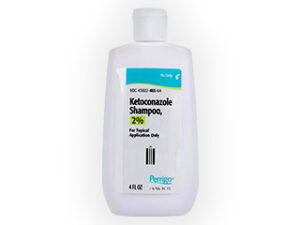
Timing depends on the formulation. The most commonly used Nizoral product in Australia is often a shampoo used for scalp conditions, but creams and other forms may exist depending on supply.
For ketoconazole shampoo (scalp)
- How often: Common regimens for seborrhoeic dermatitis include using the shampoo a few times per week initially, then less often for maintenance. Follow your specific label or pharmacist instructions.
- When in your routine: Apply to the scalp, leave on for the time stated on the label, then rinse.
- Avoid contact with eyes: If it gets in your eyes, rinse thoroughly with water.
For ketoconazole cream (skin) – if applicable to your product
- Apply to the affected area and any surrounding skin as directed.
- Use consistent timing (e.g., once or twice daily depending on instructions).
How to use Nizoral correctly (practical use tips)
These tips can improve outcomes and reduce irritation:
- Follow the leave-on time: For shampoo, leaving it on for the recommended duration helps the active ingredient work.
- Use the right amount: Enough to cover affected areas (scalp patches or skin lesions), without over-applying.
- Continue even if it improves: Complete the recommended course to reduce the chance of recurrence.
- Be gentle: Avoid scratching inflamed areas, which can worsen irritation and spread infection.
- Wash hands after applying: Particularly if treating skin lesions.
- Wash bedding and hats if advised: For some fungal conditions, hygiene measures may help prevent re-exposure.
- Don’t share towels: Sharing can spread fungal infections.
Food interactions
Food interactions generally apply more to oral medicines than topical products. For topical Nizoral products (shampoo/cream), significant food interactions are not usually expected because absorption is typically limited.
If you are ever advised to use an oral antifungal version of ketoconazole, note that oral ketoconazole absorption may be affected by stomach acidity; certain medicines and food patterns that change stomach acid can reduce effectiveness. In that situation, your pharmacist or doctor can advise on safe timing.
For topical use, you can usually take your normal diet without special restrictions.
Alcohol interactions and medicine interactions
Alcohol
For topical ketoconazole, alcohol interactions are generally not a key concern. However, if you are using an oral antifungal ketoconazole (which carries liver safety considerations), alcohol may increase risk of liver stress. In that context, it is best to discuss alcohol with a healthcare professional.
Medicine interactions (general)
Interactions depend strongly on whether the medicine is topical or systemic/oral. With topical products, the likelihood of clinically significant drug interactions is lower.
With systemic ketoconazole, interactions can be important because ketoconazole is metabolised by liver enzymes and may also affect how other medicines are broken down. Examples of interaction types include:
- Medicines that affect liver enzymes: Some medicines can increase or decrease ketoconazole levels.
- Medicines that change stomach acidity: Reduced stomach acid can reduce absorption of oral ketoconazole.
- Medicines that also affect heart rhythm (QT interval): Combining with certain medicines that can affect rhythm may increase risk.
If you use other medicines, including supplements, it is a good idea to speak with a pharmacist—especially if you are using ketoconazole systemically.
Dosing (typical regimens)
Important: Always use the dosing instructions on your exact Nizoral product label. The examples below are typical schedules commonly used for ketoconazole shampoos and creams for fungal/seborrhoeic conditions, but labels and strength can differ.
Common dosing for ketoconazole shampoo (scalp)
- Initial treatment: Often used 2–3 times per week for several weeks (e.g., 2–4 weeks), depending on response and the label.
- Maintenance: After symptoms improve, often reduced to about once weekly or as directed to help prevent recurrence.
- Application method: Apply to scalp, gently massage, leave for the time specified on the label, then rinse thoroughly.
Common dosing for ketoconazole cream (skin) – if applicable
- Typically applied once or twice daily to the affected area and surrounding skin.
- Treatment duration may vary from 2 to several weeks depending on the specific infection and label instructions.
If you miss a dose: Use it when you remember unless it is close to your next scheduled use. Do not double up. For shampoos, simply continue with the next planned application.
Safety profile and side effects
Like all medicines, ketoconazole can cause side effects. Most people tolerate it well, particularly when used as a topical product.
Common side effects (more likely with topical use)
- Skin/scalp irritation, redness, or itching
- Dryness or a burning sensation at the application site
- Hair or scalp changes in some users (temporary)
Seek urgent medical advice for serious reactions
- Signs of an allergic reaction: swelling of the face/lips, hives, difficulty breathing
- Severe skin reactions: blistering, peeling, severe pain
- Symptoms suggesting liver problems (more relevant to oral ketoconazole): yellowing of skin/eyes, dark urine, severe fatigue, nausea/vomiting, right upper abdominal pain
Who should take extra care
- Children: Use only if appropriate for age and formulation. Check the product label or ask a pharmacist.
- Pregnancy and breastfeeding: Topical use may be considered in some circumstances, but ask a healthcare professional for advice. Avoid application to large areas unless instructed.
- Liver disease: Particularly relevant to oral ketoconazole; discuss risks before use.
- Damaged/broken skin: Increased absorption may occur. Follow label guidance and use caution.
How long until you feel better?
Improvement in dandruff or seborrhoeic dermatitis can begin within days, but complete resolution often takes longer. If you do not notice improvement after the recommended course (commonly a few weeks for seborrhoeic dermatitis), or if symptoms repeatedly return quickly, seek advice to confirm the diagnosis and to consider alternative treatments.
Alcohol and driving/operating machinery
Topical ketoconazole typically does not affect alertness or driving ability. However, if using oral ketoconazole or if you feel unwell from side effects, avoid driving or operating machinery until you feel better.
For alcohol, the key concern is mainly for oral ketoconazole due to liver safety. Topical ketoconazole generally has minimal systemic impact, but moderation is sensible.
Alternative options (if Nizoral is not suitable)
Depending on the condition and the product formulation available to you, there are other antifungal and anti-dandruff options that may be suitable. Your pharmacist can help match alternatives to your symptoms.
Common alternatives for dandruff / seborrhoeic dermatitis
- Other antifungal agents: e.g., ciclopirox, selenium sulfide, zinc pyrithione (availability depends on local product ranges)
- Anti-inflammatory options: when inflammation is prominent (often used under professional guidance)
- Salicylic acid–containing products: to help reduce scaling (for some scalp conditions)
Common alternatives for fungal skin infections
- Topical azoles or allylamines: for example clotrimazole, miconazole, terbinafine (chosen based on infection type)
- Non-azole antifungals: may be used depending on diagnosis
Choosing the right option depends on the cause of the symptoms. Not all scalp flaking is fungal—conditions like psoriasis, eczema, or contact dermatitis can look similar.
Market and legal context in Australia (availability and regulations)
Medicines in Australia are regulated by the Therapeutic Goods Administration (TGA). The specific availability of ketoconazole products (including brand names, strengths, and formulations) can change over time due to regulatory updates and supply.
In recent years, oral ketoconazole has had heightened safety scrutiny globally due to the risk of serious liver injury and potentially dangerous drug interactions. As a result, many countries limited oral ketoconazole use, and Australia has also taken steps to manage risk and availability. Topical ketoconazole products (such as shampoos) may remain available for appropriate indications.
For the most accurate status of your preferred product, check the product listing on the pharmacy site you are using and confirm with a pharmacist if you are unsure.
Recent guidance and safety updates (what to watch for)
Antifungal safety guidance can be updated when new evidence emerges. The most important practical themes for users are:
- Extra caution with oral ketoconazole: due to liver safety risks and significant interactions with other medicines.
- Follow formulation-specific instructions: topical products are used locally and are not interchangeable with oral tablets.
- Use the correct diagnosis: if symptoms do not respond, consider alternative causes and seek professional review.
If you have been advised specifically about ketoconazole for your situation, keep that advice and review it if your treatment course changes.
Delivery and availability (Australia)
Availability can vary depending on stock, supplier schedules, and the specific Nizoral formulation. When ordering online:
- Check the product type: confirm whether you are purchasing a shampoo or cream and the strength listed.
- Look at “in stock” or dispatch estimates: delivery times can differ by region within Australia.
- Storage: store according to the label (typically at room temperature, away from heat and direct sunlight).
For the most accurate delivery details, use the pharmacy’s checkout page or contact customer support. Some orders may require additional verification depending on current pharmacy policies and product status.
Safety checklist before you start
- Confirm the product matches your condition (scalp vs skin).
- Read the label for frequency and leave-on time (especially for shampoo).
- Check for allergies to ketoconazole or related ingredients.
- If you have liver disease or you are taking many medicines, ask a pharmacist—especially if any oral ketoconazole is involved.
- If you are pregnant, breastfeeding, or treating a child, seek guidance before use.
FAQ
1) Is Nizoral the same as ketoconazole?
Yes. Nizoral is a brand name commonly used for medicines containing ketoconazole. The exact formulation (for example shampoo) depends on the product you choose.
2) Can I use Nizoral if I have dandruff?
Nizoral (ketoconazole) shampoo is commonly used for dandruff and seborrhoeic dermatitis when these are caused by susceptible fungi. If your scalp symptoms are severe, painful, or not improving, consider checking for other causes such as psoriasis or eczema.
3) How soon will I see results?
Many people notice improvement within days, but full results can take a few weeks. Continue the recommended schedule and reassess if there is no improvement after the expected course.
4) What happens if I accidentally get it in my eyes?
Rinse thoroughly with water immediately. If irritation persists, seek advice from a pharmacist or healthcare professional.
5) Is ketoconazole shampoo safe for everyday use?
It is usually used on a schedule for treatment and possibly less often for maintenance. Using it more frequently than directed may increase irritation. Follow the label instructions for best results.
6) Can I drink alcohol while using Nizoral?
With topical ketoconazole, alcohol interactions are generally not a major concern. If you are using oral ketoconazole, alcohol may increase liver stress—discuss with a healthcare professional.
7) Are there drug interactions with Nizoral?
Topical ketoconazole has a lower risk of interactions due to limited absorption. Oral ketoconazole can interact with other medicines, especially those affecting the liver or heart rhythm. If you take other medicines, ask a pharmacist for advice, particularly for any oral use.
8) Can I use Nizoral during pregnancy or breastfeeding?
Topical use may be considered, but it depends on the condition, the area treated, and your overall health. Ask a healthcare professional for personalised advice.
9) What if my symptoms come back?
Recurrence can happen with seborrhoeic dermatitis. Maintenance treatment (such as reduced-frequency shampoo use) may help. If it keeps returning quickly or worsens, seek advice to confirm the diagnosis and consider alternative options.
10) What are the signs of an allergic reaction?
Seek medical help if you develop hives, swelling (face/lips), severe redness, blistering, or difficulty breathing.
11) What should I do if I have no improvement?
If there is no improvement after the recommended period, stop and seek advice from a pharmacist or doctor. The cause may not be fungal, or the infection may require a different treatment.
12) Where can I find storage and disposal instructions?
Check the product label for storage details and any disposal guidance. If you’re unsure, ask your pharmacist. Don’t pour unused medicine into drains unless instructed.
Important note
This information is intended to help you understand Nizoral (ketoconazole). It does not replace medical advice. If you have questions about your specific condition, other medications, or side effects, speak with a pharmacist or healthcare professional.