Griseofulvin (Gresiofulvin) — Patient Guide (Australia)
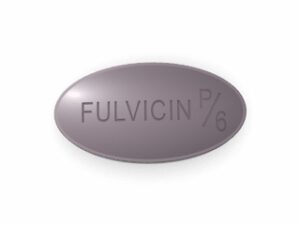
Gresiofulvin (commonly referred to as griseofulvin) is an antifungal medicine used to treat certain fungal infections of the skin, hair, and nails. It has been used for many years and remains an important option for specific types of fungal disease.
This guide explains how Gresiofulvin works, how it’s usually taken, what to expect, safety information, and how it may interact with food, alcohol, and other medicines—tailored for people in Australia.
Basic product information
- Active ingredient: Griseofulvin
- Common uses: Fungal infections affecting skin, scalp, hair, and nails
- How it works: Targets fungal cell processes and prevents the fungus from multiplying
- Common forms: Tablets and/or oral suspension (availability can vary by product brand)
- Where it’s used: Mainly for dermatophyte infections (e.g., ringworm)
Note: Brand names and strengths vary. Always check the product label and the directions provided with your medicine.
How Gresiofulvin works (mechanism of action)
Griseofulvin is a fungistatic antifungal, meaning it helps stop fungi from growing and multiplying (rather than directly killing every fungal cell immediately).
It works by interfering with key fungal processes, particularly involving microtubules (structures fungi use to divide and replicate). It also affects how fungi form their cell machinery, leading to reduced fungal proliferation.
Importantly, griseofulvin is taken up by cells in growing skin and hair (and sometimes nails), which helps protect newly forming tissue from fungal invasion while infected tissue slowly clears.
Pharmacokinetics: what the body does to the medicine
Pharmacokinetics describes how the medicine is absorbed, distributed, metabolised, and eliminated.
- Absorption: Absorption can be improved by taking griseofulvin with fat-containing food (exact response depends on the formulation).
- Distribution: It concentrates in tissues such as skin, hair, and nails, where it can help prevent infection of new growth.
- Metabolism: The liver metabolises griseofulvin into other compounds.
- Elimination: It is cleared from the body through metabolic pathways and excretion.
Why this matters: Because it targets growing tissues, you may not see rapid improvement. Treatment often continues for weeks to months, depending on the infection site and severity.
Typical use and timing of treatment
Gresiofulvin is typically used for dermatophyte fungal infections, such as:
- Ringworm (tinea) of the body (tinea corporis)
- Ringworm of the groin (tinea cruris)
- Ringworm of the feet (tinea pedis)
- Scalp fungal infection (tinea capitis)
- Nail fungal infection (onychomycosis), in selected cases
Because fungal growth is slow, treatment is usually taken for a course of weeks or months, depending on the infection type:
- Scalp infections: Often require longer courses due to hair growth cycles.
- Nail infections: May require extended treatment while new, uninfected nail grows in.
- Skin infections: Usually improve sooner, but still require consistent dosing.
Practical expectation: Symptoms may improve before the fungus is fully cleared. It’s important to finish the full course as directed to reduce the risk of relapse.
Indications (when it’s commonly chosen)
Gresiofulvin is generally considered when:
- The fungal infection is due to dermatophytes.
- The infection is extensive, recalcitrant, or involves scalp or nails, where topical therapy alone may be less effective.
- Your clinician determines that griseofulvin is suitable compared with other antifungal options.
Some fungal conditions may be better treated with other antifungals (for example, if the cause is yeast or another organism). Correct diagnosis matters.
How to take Gresiofulvin (general dosing guidance)
Dosing varies based on:
- Your age and weight (especially in children)
- The infection site (skin vs scalp vs nails)
- The severity and duration of illness
- The specific product strength and formulation
Important: Follow the directions provided with your specific product. If you are unsure, confirm with a pharmacist.
Typical dosing principles
- Skin infections: Treatment commonly lasts several weeks.
- Scalp infections (tinea capitis): Treatment often lasts longer than body skin infections.
- Nail infections: Treatment may continue for months while nail growth proceeds.
Missed dose: Take it when you remember, unless it’s close to the next dose. Do not double up.
Food interactions: taking griseofulvin with meals
Food can significantly affect griseofulvin absorption.
- Take with food: Many griseofulvin regimens advise taking the medicine with a meal or fat-containing food to improve absorption.
- Consistency helps: Try to take it the same way each day (e.g., with the same meal timing) to maintain steady exposure.
Advice: If your product leaflet specifies “with food” or recommends a particular type of meal, follow that guidance.
Alcohol and medicine interactions
Alcohol doesn’t have the same immediate “dangerous reaction” for griseofulvin as some other medications do, but avoid or limit alcohol if possible because:
- Griseofulvin is processed by the liver.
- Alcohol can increase strain on the liver.
- Both may contribute to side effects such as dizziness, nausea, or headache.
Practical tip: If you drink alcohol, consider keeping it minimal during treatment and discuss your individual risk with a pharmacist, especially if you have liver disease.
Always review potential interactions with other medicines (see next section).
Other medicine interactions
Griseofulvin can interact with other drugs because it affects liver enzymes involved in drug metabolism. This may change how quickly other medicines work.
Examples of medicines that may interact
- Warfarin and other anticoagulants: may require careful monitoring of clotting tests.
- Hormonal contraceptives (including combined oral contraceptives): enzyme effects may reduce effectiveness; alternative or additional contraception may be advised.
- Some anticonvulsants: interactions may alter drug levels.
- Other medications metabolised by the liver: dose adjustments or extra monitoring may be needed.
What to do: Before starting griseofulvin, tell your pharmacist about all medicines you take, including:
- Prescription medicines
- Over-the-counter medicines
- Herbal products and supplements
Because interactions can be complex, it’s safest to check with a pharmacist or clinician using your exact medication list.
Safety profile: who needs extra caution?
Most people tolerate griseofulvin well, but it can cause side effects and requires caution in some situations.
Common side effects
- Headache
- Gastrointestinal symptoms (nausea, stomach upset, diarrhoea)
- Dizziness
- Rash or skin irritation
- Fatigue
Serious side effects (seek medical help promptly)
Contact a healthcare professional urgently if you experience:
- Signs of liver problems: yellowing of the skin/eyes (jaundice), dark urine, severe fatigue, persistent nausea/vomiting
- Severe allergic reactions: swelling of face/lips, breathing difficulty, widespread rash
- Severe skin reactions: blistering, peeling skin, mouth ulcers
- Blood disorders symptoms: unusual bruising/bleeding, fever, persistent sore throat
- Severe mood or neurologic symptoms: confusion, severe headache, vision changes (especially if persistent)
Conditions requiring careful assessment
- Existing liver disease or abnormal liver function tests
- Porphyria (a rare blood disorder)
- History of medication allergies to griseofulvin or related antifungals
Your pharmacist may recommend baseline or follow-up monitoring if treatment is prolonged.
Practical use tips for best outcomes
- Take it with food (especially if your product advises it). This improves absorption for many people.
- Stick to a consistent schedule to maintain steady levels.
- Continue for the full course even when symptoms improve.
- Practise hygiene to avoid reinfection:
- Keep affected areas clean and dry.
- Don’t share towels or hair tools.
- Change socks and underwear regularly.
- Consider treating household contacts if they also show signs of fungal infection (ask a pharmacist).
- For scalp infections: follow scalp hygiene advice and avoid recontamination of hats, combs, and brushes.
- For nail infections: be patient—nails grow slowly and improvement may lag behind.
When to reassess: If there’s no improvement after a reasonable period (often a few weeks for skin, longer for scalp/nails), consult a clinician or pharmacist. The fungus type may differ, or the diagnosis may need confirmation (for example, using skin scrapings or fungal testing).
Alternative options for fungal infections
The best treatment depends on the type and location of the fungal infection. Alternatives commonly considered include:
Topical antifungals
- Terbinafine creams/gels for skin infections
- Azole antifungals (e.g., clotrimazole, miconazole) for selected cases
Oral antifungals
- Terbinafine (often used for dermatophyte infections)
- Itraconazole or fluconazole (more commonly for specific fungal types and scenarios)
Why alternatives might be chosen
- Different fungal species or site involvement
- Preference based on duration and side effect profile
- Potential drug interactions and patient health history
A pharmacist can help you understand which option may fit your condition and circumstances.
Market and legal context for Australia
In Australia, access to medicines is governed by national and state health regulations. Availability, brand formats, and prescribing requirements can differ by product.
Griseofulvin-based medicines are used for fungal infections and are supplied through Australian pharmacies. Depending on the product and current regulatory status, supply may involve pharmacist involvement and adherence to medicine guidance.
Safety and accountability: Because antifungal treatments can require assessment of infection type and duration (and because griseofulvin interacts with other medicines), Australians are encouraged to discuss use with a qualified healthcare professional.
Recent guidance and antimicrobial stewardship (what to consider)
Recent general healthcare guidance worldwide—and in Australia—emphasises:
- Confirming the diagnosis when symptoms persist
- Appropriate choice of antifungal (matching the drug to the organism and infection site)
- Completing treatment courses to reduce recurrence
- Avoiding unnecessary medicines for conditions that are not fungal (for example, eczema or psoriasis)
For griseofulvin specifically, your clinician/pharmacist may consider whether it is the most suitable oral option compared with alternatives—based on effectiveness, interactions, and your health background.
Delivery and availability in Australia (online pharmacy)
Availability of griseofulvin products can vary depending on manufacturer, formulation, and stock levels. When ordering online, you may see different brands or strengths.
- In-stock items are typically dispatched within standard timeframes listed on the website.
- Out-of-stock items may be backordered depending on supplier availability.
- Delivery locations: most services deliver across Australia (delivery times vary by region and courier).
Tip: Check the product details for tablet/suspension type, strength, and dosing directions, and keep packaging until the course is finished.
Product information table (quick reference)
| Category | What to know |
|---|---|
| Active ingredient | Griseofulvin (sold as Gresiofulvin in some product listings) |
| Common infection types | Dermatophyte fungal infections: skin, scalp, hair, nails |
| How it works | Stops fungal growth; accumulates in growing skin/hair to protect new tissue |
| How to take | Usually with food to improve absorption; follow product directions |
| Typical duration | Weeks to months depending on infection site (nails and scalp often longer) |
| Key interactions | May interact with liver-metabolised medicines; check warfarin, contraceptives, anticonvulsants |
| Alcohol | Limit or avoid during treatment due to liver processing and side effects risk |
| Urgent safety concerns | Seek help for rash, breathing difficulty, jaundice, blistering skin, or severe illness |
FAQ about Gresiofulvin (Griseofulvin) — Australia
1) What is Gresiofulvin used for?
It’s an antifungal medicine used to treat certain dermatophyte fungal infections, including ringworm affecting the skin or scalp, and some nail fungal infections.
2) How long does it take to start working?
You may notice symptom improvement within a few weeks for skin infections, but complete fungal clearance can take longer. Scalp and nail infections usually require extended courses because the fungus affects growing tissues.
3) Should I take it with food?
Many griseofulvin regimens advise taking it with food—often with a meal containing fat—to improve absorption. Follow your product instructions for the specific formulation you have.
4) Can I drink alcohol while taking it?
It’s generally safest to limit or avoid alcohol during treatment, especially because both alcohol and griseofulvin can place extra demand on the liver and may increase side effects.
5) What if I miss a dose?
Take it when you remember unless it’s close to the next dose. Don’t take a double dose to make up for the missed one.
6) Are there any interactions with other medicines?
Yes. Griseofulvin can interact with medications metabolised by the liver. Examples include warfarin, hormonal contraceptives, and some anticonvulsants. Tell your pharmacist about all medicines and supplements you use.
7) Is it safe for children?
Griseofulvin may be used in children for suitable fungal infections, but dosing and monitoring must be appropriate for age and weight. Confirm with a pharmacist or clinician.
8) What side effects are most common?
Common side effects include headache, stomach upset (nausea or diarrhoea), dizziness, rash, and fatigue.
9) When should I stop and seek help?
Seek urgent medical help for severe rash, breathing difficulty, swelling of the face/lips, blistering or peeling skin, or symptoms suggestive of liver problems (e.g., jaundice or dark urine).
10) If my skin looks better, can I stop early?
Stopping early can allow the fungus to persist and cause relapse. Complete the full course as advised by your healthcare professional.
Need help choosing the right treatment?
If you’re unsure whether your symptoms are fungal, or if you have questions about interactions, timing, or expected duration, speak with a pharmacist. Getting the right diagnosis and taking the medicine correctly can make treatment faster and reduce the chance of recurrence.