Aczone (Diaminodiphenyl sulfone) – Patient Information (Australia)
Aczone (generic name: diaminodiphenyl sulfone; commonly referred to as dapsone in clinical contexts) is a medicine used mainly to treat certain inflammatory skin conditions, most notably acne and related inflammatory lesions in appropriate patients. This page explains how Aczone works, how it is used, expected timelines, key safety information, and practical considerations for Australians.
Always follow the directions provided by your healthcare professional or the instructions on the product label. If you have questions about suitability for your skin condition or medical history, speak with a clinician or pharmacist.
Basic product information
- Brand name: Aczone
- Active ingredient: diaminodiphenyl sulfone (dapsone)
- Common formulation: topical gel (often referenced as 5% in acne treatment contexts)
- Therapeutic focus: inflammatory acne / acneiform conditions (where appropriate)
- Route of administration: applied to the skin
- Target population: people requiring an anti-inflammatory/anti-microbial approach for acne or related conditions, as clinically indicated
Note: Product strengths and local availability can vary. Your pharmacy can confirm the exact formulation available in Australia.
How Aczone works (mechanism of action)
Aczone’s active ingredient has anti-inflammatory and anti-microbial properties. While it is sometimes grouped with antibiotic-like therapies, its benefits in acne are largely related to effects on inflammation and skin immune activity.
In simple terms:
- Reduces inflammation: helps calm the inflammatory processes that contribute to red, tender acne lesions.
- Targets acne-related bacteria/inflammation pathways: can decrease bacterial involvement and inflammatory signalling within follicles.
- Helps prevent new lesions: over time, consistent use may reduce the formation of new inflammatory spots.
Aczone is not a “spot treatment” only for instant removal. It usually works through gradual reduction of inflammation and lesion formation.
Pharmacokinetics (what happens in the body)
Because Aczone is commonly used as a topical medication, most of its activity is local to the skin. Systemic absorption is generally limited compared with oral medicines.
- Absorption: topical absorption occurs through skin; the degree varies based on skin condition, application technique, and whether skin is irritated or broken.
- Distribution: small amounts that enter circulation may distribute throughout the body.
- Metabolism: like many medicines, it is processed by the body’s metabolic pathways.
- Elimination: mainly cleared from the body over time.
For patients using topical preparations, systemic exposure is typically low; however, safety considerations still apply—especially in people with medical conditions affecting blood or the liver.
Typical use and indications
Aczone is used to treat certain inflammatory acne patterns. It may be considered when:
- Acne is predominantly inflammatory (red bumps, papules, pustules) rather than mostly comedonal (blackheads/whiteheads)
- Your clinician decides an anti-inflammatory/adjunct topical approach is appropriate
- You require an option that may complement other acne medicines
The exact indication and suitability depend on the severity of your acne, your skin type, past treatments, and medical history.
How to use Aczone: timing, frequency, and expected timeline
When to apply
- Generally applied to clean, dry skin.
- Apply at a consistent time each day to build a routine (often once or twice daily depending on the product directions and your treatment plan).
Typical dosing approach (general guidance)
Always follow the label instructions or the direction from your healthcare professional. Below is common “topical acne regimen” guidance to help you understand timing.
- Amount: a thin layer over the affected areas (avoid heavy coating unless directed).
- Frequency: commonly once daily or twice daily (depending on the formulation and your prescriber/pharmacist guidance).
- Duration: ongoing use may be needed for several weeks to see meaningful improvement.
What results to expect
- First changes: some people notice reduced redness or new lesions after a few weeks.
- More reliable improvement: often 6–12 weeks of consistent use.
- Maintenance: if it works for you, your clinician may suggest a continued maintenance plan to reduce relapse.
Acne can flare during the early stage of treatment due to normal cycle changes. Don’t judge effectiveness after just a few days.
Dosing summary table
| Topic | Typical guidance (topical) | Key notes |
|---|---|---|
| Where to apply | Affected acne-prone areas only | Avoid eyes, lips, corners of the nose, and broken skin |
| How much | Thin layer | More is not necessarily better and may increase irritation |
| How often | Usually once daily or twice daily | Follow your product label/clinician instructions |
| When to apply | After cleansing and drying the skin | Wait until skin is fully dry before applying |
| Trial period | Assess around 6–12 weeks | Early changes may be subtle |
Food interactions
Because Aczone is generally used topically, food interactions are usually not relevant to topical use. There is typically no need to coordinate dosing with meals.
If you are using another form of diaminodiphenyl sulfone (for example, oral use under specialist care), food interactions may become more relevant. For topical Aczone, focus mainly on skin-care timing rather than meals.
Alcohol and medicine interactions
Alcohol
For topical Aczone, direct alcohol interactions are generally not expected to be significant. However, alcohol can affect overall health and may worsen skin dryness or irritation for some people.
Other medicines and possible interactions
Interactions depend on your full treatment list and medical conditions. When Aczone is used topically, systemic drug–drug interactions are typically less common than with oral medicines, but it is still important to review your medicines.
- Other acne actives (topical): combining with strong irritants (for example, benzoyl peroxide or exfoliating acids) may increase dryness or irritation in some people. Start slowly and monitor your skin.
- Medicines affecting blood or oxygen-carrying capacity: if you take medicines that can affect blood counts, liver function, or red blood cell function, discuss with your pharmacist or doctor.
- Special conditions (e.g., G6PD deficiency): people with certain blood conditions can be more sensitive to medicines in the sulfone family. This is an important safety point (see below).
If you use multiple skin products, consider introducing changes one at a time so you can identify what causes irritation.
Safety profile and precautions
Like all medicines, Aczone can cause side effects. Many people tolerate topical acne treatments well, but it’s important to know what to watch for.
Common side effects (skin-related)
- Dryness
- Redness or irritation
- Itching or burning sensation
- Peeling or flaky skin
Less common but serious concerns
While systemic effects are unlikely with topical use, the medicine’s active ingredient is known to affect certain blood parameters in some contexts. Seek medical advice urgently if you experience:
- Signs of anaemia or blood problems: unusual fatigue, shortness of breath, pale skin, or persistent dizziness
- Dark urine or yellowing of the skin/eyes (jaundice)
- Severe rash, blistering, or widespread skin reactions
- Swelling of the face/lips or breathing difficulties (possible allergy—emergency care)
Important precautions
- G6PD deficiency (or suspicion): discuss before using. This condition can increase vulnerability to blood-related complications with sulfone-type medicines.
- History of blood disorders: tell your clinician/pharmacist.
- Liver problems: inform your healthcare team, especially if you have any prior liver disease.
- Pregnancy and breastfeeding: suitability depends on your situation; ask your clinician. Topical use is often considered, but individual risk assessment is important.
- Children and adolescents: use according to local guidance and clinician advice.
If you experience bothersome irritation, you may need to reduce frequency or pause and get advice.
Practical use tips (to improve results and reduce irritation)
- Apply to the right areas: focus on acne-prone zones rather than applying widely to unaffected skin.
- Use a gentle cleanser: avoid harsh scrubs. Gentle washing helps prevent barrier damage.
- Moisturise: choose a non-comedogenic moisturiser if your skin feels dry.
- Start slowly if sensitive: consider once daily at first, then increase if tolerated (under guidance).
- Don’t combine everything at once: if adding new acne products, introduce them gradually.
- Sun protection: acne and irritation can worsen with sun exposure. Use SPF and protective clothing.
- Be consistent: acne improvements rely on regular use over weeks.
- Hands and storage: wash hands after application; store as directed on the pack.
Alternative options for acne
Acne treatment is individual. Your clinician may recommend one or a combination of therapies based on your lesion type (comedonal vs inflammatory), severity, and skin sensitivity.
Common alternative topical options
- Benzoyl peroxide: useful for inflammatory acne and helps reduce bacterial load.
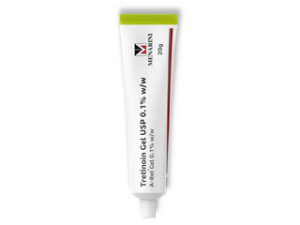
- Topical retinoids (e.g., adapalene/tretinoin): help normalise follicle turnover.
- Topical antibiotics (where appropriate): often combined with benzoyl peroxide to reduce resistance.
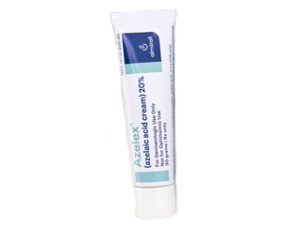
- Azelaic acid: can help with inflammation and pigment marks.
- Salicylic acid (BHA): may help with clogged pores and mild comedonal acne.
Other options
- Oral therapies: may be considered in moderate-to-severe cases by a clinician.
- Light/laser and procedures: sometimes used as adjuncts.
If Aczone doesn’t suit your skin or doesn’t deliver the results you expected after a reasonable trial period, ask your clinician about alternatives.
Market and legal context for Australia
In Australia, medicines are regulated under the Australian regulatory framework. Availability, prescribing requirements, and listing status depend on:
- whether the medicine is registered and how it is classified
- the approved indications for the product
- pack size, formulation strength, and safety monitoring requirements
Many acne medications are supplied based on their classification and approved use. A registered health professional can provide guidance on suitability and appropriate access pathways.
Important: product availability can change. Check with your Australian pharmacy for current stock and applicable requirements.
Recent guidance and best-practice considerations
Acne management guidance across Australia and globally increasingly emphasises:
- Early and sustained treatment: giving topical therapies adequate time (often 6–12 weeks) before judging success
- Individualised regimens: aligning treatment to acne type and skin tolerance
- Minimising irritation: starting gradually, using moisturisers, and spacing treatments when needed
- Combining therapies thoughtfully: using complementary ingredients to improve outcomes while reducing side effects
- Safety monitoring where relevant: being alert to blood-related or systemic risks for the medicine’s active ingredient, particularly in susceptible individuals
For up-to-date advice tailored to your situation, consult your clinician or pharmacist.
Delivery, availability, and how to order online (Australia)
Online pharmacy services in Australia typically offer convenient ordering with home delivery where permitted. Availability of Aczone can depend on the specific strength and formulation currently listed and in stock.
- Check product listing: confirm the exact formulation (e.g., gel strength) before placing an order.
- Shipping times: delivery schedules vary by location and courier services.
- Cold-chain: topical acne gels are generally shipped without special temperature controls unless the product label states otherwise.
- Packaging: medicines are usually dispatched in secure packaging to protect the product.
If your preferred product is temporarily unavailable, your pharmacy may suggest comparable alternatives or notify you when it returns to stock.
FAQ about Aczone (Diaminodiphenyl sulfone)
1) How long does it take for Aczone to work?
Many people notice some improvement after a few weeks, but a more reliable assessment is usually after 6–12 weeks of consistent use. Acne may also fluctuate during treatment, so consistency matters.
2) Can I use Aczone with other acne treatments?
Often, yes—depending on your skin tolerance and the specific products. However, combining multiple strong actives can increase dryness or irritation. Consider adding products gradually and seek pharmacist advice if you’re unsure.
3) Will Aczone clear acne overnight?
No. Aczone is designed for ongoing acne management. It is not intended for rapid “overnight” clearing. Use it as directed and allow time for results.
4) What should I do if my skin becomes very irritated?
Stop and seek advice if irritation is severe. If mild irritation occurs, your pharmacist or clinician may recommend reducing frequency, using a moisturiser, or pausing until your skin settles.
5) Is Aczone safe for sensitive skin?
Many people with sensitive skin can use topical acne medicines, but reactions vary. Start slowly, moisturise, and avoid applying to broken skin or around the eyes/lips.
6) Can I drink alcohol while using Aczone?
For topical Aczone, alcohol interactions are not usually a major concern. Still, alcohol can worsen dehydration or inflammation and may indirectly affect skin comfort. If you have liver or blood conditions, ask your clinician.
7) Are food interactions relevant to topical Aczone?
Typically, no. Food interactions are generally more relevant for oral medicines. For topical use, the focus is on correct application to the skin.
8) Who should avoid Aczone or get extra advice first?
Seek personalised advice if you have G6PD deficiency, history of blood disorders, liver problems, or you’re pregnant/breastfeeding. A pharmacist or clinician can help confirm safety for your situation.
9) What if I miss a dose?
Apply it when you remember unless it is close to the time for your next dose. Don’t apply double amounts to make up for a missed dose.
10) Can Aczone cause acne to get worse at the beginning?
Some people experience temporary changes early in treatment. However, marked worsening with severe irritation should be discussed with a healthcare professional.
Key takeaways
- Aczone (diaminodiphenyl sulfone) is commonly used to manage inflammatory acne.
- Results are usually assessed over 6–12 weeks of consistent use.
- The most common side effects are skin irritation and dryness.
- Extra precautions may be needed for people with G6PD deficiency or relevant medical history.
- Use a gentle skin-care routine and introduce treatments gradually to minimise irritation.
If you have concerns about side effects, interactions, or whether Aczone is the right option for you, speak with your pharmacist or healthcare professional.