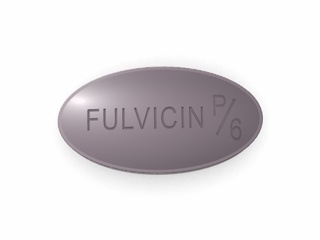
Fulvicin (Griseofulvin) – Patient Guide (Australia)
Fulvicin (active ingredient: griseofulvin) is an antifungal medicine used to treat certain fungal infections of the skin, hair, and nails. This guide explains how it works, how it’s typically taken, what to watch for, and practical tips to help you get the best results.
Important: Always follow the instructions provided with your medicine. Your clinician and pharmacist can advise on the safest option for your specific infection and medical history.
Key product information
| Category | Details |
|---|---|
| Medicine name | Fulvicin |
| Active ingredient | Griseofulvin |
| Medicinal purpose | Antifungal (treats fungal infections) |
| Common uses | Dermatophyte infections (skin, scalp, hair, nails) |
| How it’s taken | Oral tablets/suspension (depends on product form) |
| Typical duration | Can be weeks to months (especially nail infections) |
How Fulvicin works (mechanism of action)
Griseofulvin belongs to a class of antifungal medicines that primarily target dermatophytes—fungi that infect keratinised tissues such as skin, hair, and nails.
- Prevents fungal cell growth: It disrupts the formation of fungal cells by interfering with the mitotic spindle (the process fungi use to divide).
- Builds into infected keratin: Over time, griseofulvin is incorporated into newly formed keratin, making it harder for the fungus to invade.
This dual action is why griseofulvin treatment often needs to continue for long enough to replace infected tissue with new, healthy keratin.
Pharmacokinetics (what the body does to the medicine)
Understanding absorption and timing can improve outcomes.
- Absorption: Griseofulvin absorption can vary between individuals. Taking it with food may improve absorption for some formulations.
- Distribution: It tends to concentrate in keratinised tissues, which is relevant for scalp and nail infections.
- Metabolism: It is metabolised in the liver.
- Elimination: Metabolites and/or unchanged drug are eliminated via the body’s normal clearance pathways (primarily through the kidneys and/or bile, depending on metabolism).
Practical takeaway: For the medication to work effectively, take it consistently for the full duration advised.
Typical uses and indications
Fulvicin is commonly used for dermatophyte infections, including:
- Ringworm (tinea corporis): Infection of the body skin.
- Jock itch (tinea cruris): Infection in the groin area.
- Athlete’s foot (tinea pedis): Infection of the feet.
- Scalp ringworm (tinea capitis): Infection of the scalp and hair.
- Fungal nail infection (tinea unguium / onychomycosis): Particularly when caused by dermatophytes.
Some fungal infections require different treatments. If symptoms don’t improve or are widespread, a clinician may need to confirm the cause (for example, whether it’s dermatophyte vs yeast or another organism).
When to take Fulvicin (timing and missed doses)
How to take it
- Follow the schedule on the label or as advised by your healthcare professional.
- Take the medicine at roughly the same time each day.
Missed dose
- If you miss a dose, take it as soon as you remember.
- If it’s close to your next dose, skip the missed dose.
- Do not take a double dose to catch up.
If you miss multiple doses, ask a pharmacist for advice on how to restart and whether any adjustments are needed.
Food interactions (taking Fulvicin with meals)
Food can affect how well griseofulvin is absorbed.
- Taking with food: In many cases, taking griseofulvin with a meal (especially a meal containing fat) may improve absorption.
- Follow your formulation instructions: Some products may have specific instructions about taking with meals. Always check your label or the consumer medicine information.
Tip: If you’re experiencing stomach upset, taking the tablet with food may help. Avoid changing your diet dramatically during treatment unless advised.
Alcohol and other medicine interactions
Alcohol
While occasional alcohol may not be strictly prohibited for everyone, griseofulvin is metabolised in the liver, and alcohol can also affect liver health. To reduce risk:
- Avoid heavy drinking during treatment.
- If you have liver disease, discuss alcohol use with a clinician or pharmacist.
- Seek medical help if you develop signs of liver problems (see “Safety profile”).
Important medicine interactions
Griseofulvin can interact with other medicines, especially those affected by liver enzyme activity. Interactions may reduce effectiveness of some medicines or increase side effects.
- Warfarin and other anticoagulants: Possible changes in blood-thinning effect; close monitoring may be needed.
- Hormonal contraception: Griseofulvin may reduce effectiveness of some contraceptives in some circumstances. If pregnancy prevention is important, ask for specific advice.
- Some anti-seizure medicines: Interactions may alter levels and seizure control.
- Certain antibiotics and antifungals: Some medicines can affect griseofulvin levels and vice versa.
- Other medicines metabolised by the liver: Enzyme interactions can change how quickly medicines are cleared.
Always check: Tell your pharmacist about all medicines and supplements you take—especially:
- prescription medicines
- over-the-counter products
- herbal supplements
- vitamins or “natural” antifungals
If you’re starting or stopping any medication, it’s worth confirming the interaction risk with your pharmacist.
Dosing overview (general information)
Dosage depends on factors such as the infection type, age, body weight, and the exact product strength/formulation. Your medicine label or clinician instructions should be treated as the source of truth.
General principles
- Skin and scalp infections: Often require daily dosing for several weeks.
- Nail infections: Usually require longer treatment, sometimes many months, because nails grow slowly.
- Take consistently: Skipping doses may reduce cure rates.
Examples of dosing patterns (illustrative only)
In clinical practice, griseofulvin dosing regimens may include:
- Adults: typically once daily or divided dosing depending on product and indication.
- Children: often dosed based on body weight; product form matters.
Because strengths vary: Do not rely on “general dosing” you may see elsewhere. Use your specific product instructions.
How long does treatment take? (timelines)
Fungal infections can take time to clear. You may notice improvements before complete cure.
- Skin infections: Improvement can occur within 1–2 weeks, but treatment may continue for several weeks to prevent relapse.
- Scalp infections: Often require longer courses than body skin infections.
- Nail infections: Typically take the longest, sometimes up to 6–12 months or longer, because the infected nail must grow out.
What counts as success? Symptoms may improve, but the fungus may still be present. Completing the recommended course is important even if you feel better.
Safety profile and side effects
Most people tolerate griseofulvin well, but side effects can occur. Seek medical advice if symptoms are severe, persistent, or concerning.
Common side effects
- Nausea, stomach upset, or indigestion
- Headache
- Dizziness
- Fatigue
- Skin rash or itching
Less common but important effects
- Liver problems: may present as yellow skin/eyes, dark urine, severe tiredness, or right upper abdominal pain.
- Blood cell changes: unusual bruising, persistent sore throat, fever, or infections could indicate a problem.
- Severe skin reactions: blistering, peeling, or widespread rash with fever.
When to get urgent help
Contact urgent medical care if you experience:
- Signs of severe allergic reaction (swelling of face/lips, trouble breathing)
- Severe skin reactions (blisters, peeling, widespread rash)
- Symptoms that suggest serious liver injury (yellowing, severe abdominal pain, persistent vomiting)
Practical use tips (how to improve results)
- Complete the full course: Even if symptoms improve quickly, continue for the recommended duration.
- Take with the right routine: Taking it at the same time each day helps maintain steady exposure.
- Support the skin/nails: Keep affected areas clean and dry. Wear breathable footwear. Change socks regularly.
- Avoid reinfection: Use separate towels, don’t share personal items, and wash bedding/clothing that contacts affected areas.
- For nails: Trim nails straight and keep them dry. Avoid sharing nail clippers.
- Monitor response: If there’s no improvement after an appropriate period, you may need confirmation of diagnosis or treatment adjustment.
Check your scalp/tinea capitis: Scalp fungal infections often require ongoing follow-up because they can be more difficult to clear and can spread among close contacts.
Alternative options for fungal infections
Several antifungal approaches may be suitable depending on the location, severity, and the type of fungus.
Topical treatments (often for limited skin involvement)
- Antifungal creams/ointments (for tinea corporis/cruris in some cases)
- Antifungal sprays or powders (for feet)
Other oral antifungals
- Terbinafine: Often used for dermatophyte infections of skin and nails.
- Itraconazole: Used in selected nail and other fungal infections.
- Fluconazole: Sometimes used for specific fungal infections depending on the organism.
Why alternatives matter: Your clinician may choose a different medicine based on drug interactions, liver health, the expected duration of therapy, and local treatment guidance.
Market and legal context in Australia
In Australia, antifungal medicines are regulated under the Australian healthcare and medicines framework. Availability and supply depend on the product form and whether it is classified for over-the-counter purchase or requires a healthcare professional’s involvement.
- Quality and supply: Medicines sold through reputable Australian channels must comply with relevant regulatory requirements.
- Consumer medicine information: Always read the leaflet or consumer medicine information (CMI) that comes with the product.
- Local advice: Pharmacists can advise on appropriate use, drug interactions, and whether a condition needs medical assessment.
Recent guidance (general): In Australia, management of fungal infections typically emphasises correct diagnosis (confirming the organism where possible), appropriate duration, and minimising recurrence through hygiene and contact precautions. For persistent or severe infections, clinicians may recommend testing or switching antifungal therapy.
Delivery, availability, and what to expect when ordering online
When you order Fulvicin through an online pharmacy in Australia, availability depends on stock levels and the specific formulation/strength.
- Stock checks: You may see “in stock” or “limited availability” based on real-time inventory.
- Packaging: Medicines are typically supplied in original branded packaging to protect stability and provide clear dosing information.
- Delivery timeframes: Delivery speed depends on your location (metro vs regional) and the pharmacy’s courier service.
- Cold-chain: Griseofulvin products do not usually require refrigeration, but always store according to the label instructions.
If you need help confirming the right product strength or form, contact customer support or a pharmacist before ordering.
Storage and handling
- Store in a cool, dry place as directed on the label.
- Keep away from heat and direct sunlight.
- Keep out of reach of children.
- Do not use after the expiry date.
FAQ: Fulvicin (Griseofulvin)
1) Is Fulvicin used for athlete’s foot and ringworm?
Yes. Fulvicin (griseofulvin) is used for dermatophyte infections such as athlete’s foot (tinea pedis) and ringworm (tinea corporis). The best choice depends on the type and extent of infection.
2) How soon will I feel better?
Many people notice symptom improvement within 1–2 weeks for skin infections, but full resolution can take longer. Nail and scalp infections usually require longer treatment and may improve more slowly.
3) Why does nail fungus treatment take so long?
Nails grow slowly. Even after the fungus is controlled, the infected nail may take months to grow out fully. Completing the full course helps reduce relapse.
4) Can I take Fulvicin with food?
Often yes—taking griseofulvin with meals may improve absorption. Check your product label or the consumer medicine information for specific instructions about meals for your formulation.
5) What should I do if I miss a dose?
Take it when you remember unless it’s close to the next dose. If it’s close, skip the missed dose and continue your regular schedule. Do not double up.
6) Can I drink alcohol while taking Fulvicin?
Moderation is advised. Because griseofulvin is metabolised by the liver, heavy alcohol intake may increase risk. If you have any liver condition or you drink regularly, ask a pharmacist or clinician for tailored advice.
7) Does Fulvicin interact with other medicines?
Yes. Important interactions can include anticoagulants (like warfarin), certain seizure medicines, hormonal contraceptives, and other medicines processed through the liver. Tell your pharmacist about everything you take.
8) What side effects are most concerning?
Seek urgent help for severe allergic reactions or significant skin reactions. Contact a healthcare professional promptly for symptoms that may indicate liver problems (yellowing of skin/eyes, dark urine, persistent nausea/vomiting, severe fatigue) or blood-related issues (unusual bruising, persistent fever, severe sore throat).
9) What if my infection doesn’t improve?
If you don’t see improvement after an appropriate time, re-check the diagnosis and treatment plan. Some fungal infections mimic each other, and correct identification can change the medicine choice.
10) Are there alternatives to Fulvicin?
Yes. Depending on the site and cause of infection, topical antifungals or other oral antifungals such as terbinafine or itraconazole may be options. Your pharmacist can help compare suitability and interactions.
Summary
Fulvicin (griseofulvin) is an oral antifungal used mainly for dermatophyte infections affecting skin, scalp/hair, and nails. It works by disrupting fungal cell division and by strengthening keratin in infected tissues over time. Because absorption and duration are important—particularly for nail infections—consistent daily use, appropriate meal timing, and full course completion are key.
If you have questions about dosing schedule, interactions, or whether your symptoms match a fungal infection, a pharmacist can provide practical guidance before you start.