Adapalen (Topical) – Patient-Friendly Information (Australia)
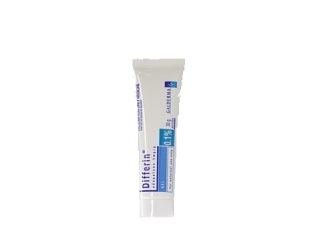
Adapalen is a dermatologist-recommended topical medicine used to treat acne by helping to keep pores clear and reduce inflammation. This page explains how adapalene works, how to use it safely and effectively, what to expect, and how to manage common questions—especially regarding timing, food interactions, alcohol, and other medicines.
This information is designed to help you understand your treatment. Always follow the directions on your product label and the advice of a healthcare professional.
Basic product information
| Category | Details |
|---|---|
| Medicine name | Adapalen (topical retinoid) |
| Common forms | Gel or cream (strength and base depend on brand) |
| Primary use | Acne (especially comedonal and inflammatory acne) |
| Where it’s applied | Skin only (face, and sometimes the chest/back if advised) |
| Typical start of visible improvement | May begin in 2–6 weeks; best results often take 8–12+ weeks |
How Adapalen works (mechanism of action)
Adapalen is a synthetic retinoid that targets key processes involved in acne formation:
- Normalises skin cell turnover in the follicle, reducing the buildup that forms blackheads and whiteheads (comedones).
- Prevents new comedones by promoting clearer pores.
- Helps reduce inflammation associated with acne lesions.
- Supports smoother skin texture over time as existing lesions heal and fewer new ones form.
Unlike some acne approaches that mainly rely on killing bacteria, adapalene works primarily on the “plugging” and inflammatory pathways within the skin. This is one reason it’s often used as a long-term maintenance option once acne improves.
Pharmacokinetics (what the body does with it)
When used topically, adapalene is absorbed through the skin at low levels. Most of the medication stays local to the skin.
- Absorption: Generally limited; systemic levels are low when applied to intact skin as directed.
- Distribution: Because absorption is minimal, most effects occur in the skin layers.
- Metabolism: Any absorbed fraction is metabolised in the body.
- Elimination: Metabolites are eliminated primarily through the liver and kidneys.
In practical terms, this means adapalene is usually associated with skin-focused side effects, such as dryness or irritation, rather than whole-body effects.
Typical indications (when Adapalen is used)
Adapalen is indicated for acne. Depending on the product and strength, it is commonly used for:
- Comedonal acne (blackheads and whiteheads)
- Inflammatory acne (papules and pustules)
- Mild to moderate acne, often as part of a stepwise regimen
- Maintenance therapy to reduce relapse after initial improvement
For severe acne, acne with scarring, or acne that doesn’t respond, your clinician may suggest other treatments and combinations.
Dosing and how to apply
Follow your product label. Dosing can vary by concentration and brand. The information below describes common usage patterns for topical adapalene.
Typical adult dosing (general guidance)
- Frequency: Usually once daily (often at night)
- Amount: A thin layer over the affected area
- Quantity tip: Many people use a “pea-sized” amount for the whole face, then spread thinly
- Application: Apply to clean, fully dry skin. Avoid corners of the nose, lips, and eye area unless directed.
Step-by-step practical application
- Cleanse gently with a mild cleanser. Avoid harsh scrubs.
- Pat dry completely—do not apply to damp skin.
- Apply a thin layer to acne-prone areas. Use a light touch.
- Wash hands after applying.
- Moisturise if needed (especially if you feel dryness or tightness).
How long until it works?
Acne improvement typically requires time. Adapalene helps stop new comedones from forming, and existing lesions gradually clear.
- First signs: Often within 2–6 weeks
- Clearer results: Commonly by 8–12 weeks
- Maintenance: Continue if it suits you and acne stays controlled
Timing: best time of day and routine ideas
Most people use adapalene once at night because it may reduce the impact of daytime irritation and fits well with a simple skincare routine. Night use also avoids mixing with morning products that may be irritating.
Example nighttime routine
- Evening: Gentle cleanser → pat dry → apply adapalene thinly → moisturiser
- Morning: Gentle cleanser if needed → moisturiser → sunscreen
If you’re new to retinoids, consider using it every other night for the first 1–2 weeks to reduce irritation, then increase to daily if your skin tolerates it.
Food interactions (what to know)
Because adapalene is applied to the skin and absorbed at low levels, food interactions are not expected for most people.
- No specific dietary restrictions are usually required.
- If you notice flare-ups linked to particular foods (for example, high glycaemic foods), this may be an individual pattern rather than a direct drug–food interaction.
If you’re taking other oral acne medications, this information may differ—ask a pharmacist or clinician for advice.
Alcohol and medicine interactions
Topical adapalene is not typically associated with significant alcohol-drug interactions. However, consider the following:
- Skin irritation: Alcohol-containing skincare products (such as some toners) may worsen dryness. Avoid using multiple irritating products together.
- Oral medicines: If you use other medicines (especially those that affect the liver or cause photosensitivity), alcohol may increase side effects in some circumstances.
If you are unsure about your overall medication routine, a pharmacist can help you check for interactions.
Other medicine and product interactions
To reduce the risk of irritation, be careful when combining adapalene with other strong topical ingredients. The main concern is skin irritation and dryness.
Topical products to use with caution
- Other retinoids (in the same area)
- Benzoyl peroxide (commonly used for acne; can be used with adapalene but may increase irritation)
- Some people alternate application times (e.g., adapalene at night and benzoyl peroxide in the morning).
- Another approach is to use a thin layer and start slowly; avoid piling on multiple harsh actives.
- Acids/exfoliants (e.g., glycolic acid, salicylic acid, high-strength peels)
- Strong soaps or scrubs
- Products containing alcohol that may sting or dry your skin
When to seek advice
If you experience significant burning, swelling, or blistering, stop using adapalene and speak with a pharmacist or clinician.
Safety profile and common side effects
Like other retinoid medicines, adapalene commonly causes local skin effects, especially during the first weeks. Most side effects improve when you reduce frequency or use moisturiser and gentle cleansing.
Common side effects
- Dryness or tightness
- Redness
- Peeling or flaking
- Burning or stinging, particularly if skin is damp or if too much is applied
- Skin sensitivity (temporary)
- “Initial flare” or increased visible acne early on (varies by person)
Serious or allergic-type reactions (seek urgent advice)
- Severe rash, swelling of face/lips/eyes
- Blistering or intense burning that persists
- Signs of infection from damaged skin
Who should be extra careful?
- Pregnancy: Retinoids are generally avoided during pregnancy due to concerns about fetal risk with retinoid-class medicines. If you are pregnant or planning pregnancy, seek medical advice urgently before use.
- Breastfeeding: Discuss with a healthcare professional whether it’s appropriate. Avoid applying to the breast area if breastfeeding.
- Children: Use only if appropriate for the child’s age and as directed on the product or by a clinician.
- Eczema or very sensitive skin: You may be more likely to irritate—start slowly and use moisturiser.
Note: This guide is not a substitute for professional advice tailored to your medical situation.
Practical use tips for best results and comfort
Start slowly to reduce irritation
- Begin with every other night if you’re new to retinoids.
- Increase to daily only if your skin tolerates it.
- Don’t “double up” if you miss a night—continue as directed.
Use moisturiser strategically
- Apply a moisturiser after adapalene if you get dryness.
- Some people do a “sandwich method”: moisturiser → adapalene → moisturiser.
- Choose a simple, fragrance-free moisturiser if possible.
Sun protection is essential
Retinoid-treated skin may be more sensitive to sunlight. In Australia’s strong UV environment, using sunscreen is especially important.
- Use a broad-spectrum sunscreen during the day.
- Consider hats and shade for added protection.
Use the “thin layer” rule
More is not better. Applying too much increases irritation without improving effectiveness.
Avoid irritating areas
- Do not apply to eyelids or directly around the eyes.
- Avoid corners of the nose and mouth unless directed.
- If it gets in these areas, rinse gently with water.
What to expect during the first weeks
Many people notice dryness and mild irritation early on. Some also experience a temporary worsening of acne (“purging”) as the medication increases turnover. This can happen in the first few weeks and then improves.
- If irritation is mild: use moisturiser and consider reducing frequency.
- If irritation is significant: stop temporarily and seek advice from a pharmacist or clinician.
- Don’t give up too early—acne improvement often takes time.
Alternative options for acne
If adapalene doesn’t suit you or isn’t enough on its own, several evidence-based alternatives exist. Your best option depends on acne type, skin sensitivity, and past responses.
Common alternative topical options
- Benzoyl peroxide: Helps reduce acne bacteria and inflammation; can be drying but effective.
- Topical antibiotics (used carefully): often combined with benzoyl peroxide to reduce resistance risk.
- Azelaic acid: May help with acne and post-acne marks; often gentler for some people.
- Salicylic acid (BHA): Helps exfoliate and unclog pores; may be helpful for comedones.
Other approaches (non-topical)
- Oral treatments for more persistent or severe acne (decided by a clinician).
- Procedures for scars or resistant acne (e.g., certain light/laser therapies, depending on local availability).
A pharmacist can also guide you on how to build a balanced regimen without overstressing your skin.
Adapalen in the Australian market: availability and legal context
In Australia, topical acne medicines may be supplied as over-the-counter products or through pharmacy channels depending on brand, formulation, strength, and regulatory classification.
- Supply: Many adapalene products are available via pharmacies or online pharmacies authorised to supply medicines in Australia.
- Quality standards: Products must meet Australian regulatory requirements for quality, safety, and labelling.
- Labelling and instructions: Always check the product pack for exact concentration and how to use it.
Recent guidance and practical takeaways
Acne management guidance commonly emphasises:
- Starting with evidence-based topical therapies that target comedones and inflammation.
- Building a routine that balances efficacy with skin tolerance (moisturiser + sunscreen).
- Avoiding unnecessary overuse of multiple irritant products.
- Allowing sufficient time (often 8–12 weeks) to assess response.
If you’re currently using several strong acne actives, consider simplifying to reduce irritation while still treating acne effectively.
Delivery and availability (online pharmacy information for Australia)
Adapalen is commonly stocked by pharmacies and may be delivered to Australian addresses depending on the online pharmacy’s service area, state or territory rules, and product availability.
- Availability: Stock levels can change—check the listing for current status.
- Dispatch: Orders are typically dispatched once payment is confirmed and the medicine is packed.
- Delivery timeframes: Vary by courier and location; delivery estimates are usually shown at checkout.
- Packaging: Medicines are shipped in appropriate packaging with included patient information or labelling details.
For accurate information on delivery options, return policies, and how to track an order, refer to the online pharmacy’s policy page.
How to store Adapalen
- Store according to the product label (commonly at room temperature).
- Keep the tube/container tightly closed.
- Keep out of reach of children.
- Check the expiry date before use.
Frequently asked questions (FAQ)
1) Is adapalene the same as tretinoin?
Adapalene and tretinoin are both retinoid-class medicines, but they are different formulations with different properties. Many people tolerate adapalene well, and it’s commonly used for acne as a once-daily topical therapy.
2) How do I know which strength is right for me?
The best strength depends on your acne type and your skin sensitivity. If you’re new to retinoids, a lower irritation profile is often preferred. Check your product label and ask a pharmacist for guidance.
3) Can I use adapalene with moisturiser?
Yes. In fact, moisturiser often improves comfort and helps reduce dryness. Apply adapalene to clean, dry skin, then moisturise afterwards (or use the “sandwich method” if recommended for you).
4) Will adapalene make my acne worse at first?
Some people notice increased breakouts in the early weeks. This can settle as treatment continues. If irritation becomes severe, reduce frequency or pause and seek advice.
5) Can I combine adapalene with benzoyl peroxide?
It’s often possible, but the combination can increase irritation. Many people alternate products by time (for example, adapalene at night and benzoyl peroxide in the morning) and start slowly.
6) Should I avoid sun?
You don’t necessarily need to avoid the sun completely, but you should use sunscreen every day and limit direct sun exposure when possible. Australia’s UV levels can be high, so sun protection is a key part of treatment.
7) Is there any food interaction?
Food interactions are not expected because adapalene is used on the skin and absorbed at low levels. If you notice dietary patterns that worsen acne for you personally, consider discussing this with a clinician or pharmacist.
8) Can I drink alcohol while using adapalene?
There are typically no direct alcohol interactions with topical adapalene. However, alcohol can worsen dehydration and may affect your skin tolerance indirectly. Also avoid alcohol-containing skin products that can increase irritation.
9) What should I do if I get severe dryness or burning?
Stop using the product temporarily and seek pharmacy or clinical advice. In many cases, restarting at a lower frequency, using moisturiser more regularly, and ensuring skin is completely dry before application can help.
10) How long should I continue treatment?
Acne improvement often requires ongoing use. Many people continue adapalene as maintenance after acne is controlled, but the duration and frequency should be tailored to your response and skin tolerance.
Summary
Adapalene is a topical retinoid used for acne by clearing pores, preventing comedones, and reducing inflammation. When used at night, applied to clean, dry skin in a thin layer, and supported with moisturiser and daily sunscreen, it can be an effective long-term option. Results take time—often 8–12 weeks—so consistency matters.
If you’re unsure how to combine adapalene with other acne treatments or skincare products, a pharmacist can help you build a routine that is both effective and comfortable.