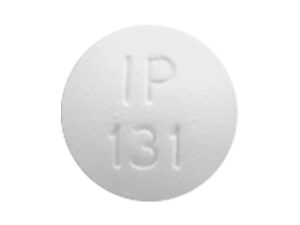
Colchicum autumnale (Autumn Crocus / Colchicum) – Patient Information Guide (Australia)
Colchicum autumnale is a plant-derived medicine traditionally associated with the active substance colchicine. In modern practice, colchicine is used for specific inflammatory conditions—most commonly to manage gout and some forms of inflammatory disease.
This page provides patient-friendly information to help you understand how colchicum autumnale preparations are used, how they work, what to expect, and when to seek medical advice. Always follow the instructions provided with your product. If you are unsure whether colchicum autumnale is suitable for you, speak with a qualified healthcare professional.
1) Basic product information
- Medicine name: Colchicum autumnale (Autumn crocus)
- Active component (in relevant products): Colchicine (plant alkaloid)
- Type: Anti-inflammatory medicine for specific conditions
- Common conditions treated: Gout (including flares and prevention of flares), and other inflammatory indications depending on local guidance
- How it’s taken: By mouth (tablet/capsule formulations are typical)
In Australia, products and brand formulations may vary. Some colchicum/colchicine medicines are available on prescription, while certain low-dose or complementary preparations may be marketed differently. For the safest use, confirm: the exact product, strength, and dosing instructions.
2) How it works (mechanism of action)
Colchicine (derived from Colchicum autumnale) helps reduce inflammation by targeting microtubules inside cells. This affects how white blood cells move, activate, and release inflammatory signals.
Key anti-inflammatory effects include:
- Decreases neutrophil activity: neutrophils are key cells involved in gout flares.
- Reduces inflammatory cascade: interrupts signals that lead to swelling, pain, and redness.
- Helps prevent flare triggers: when used for prevention, it can reduce the risk of future gout attacks.
Important note: colchicine is not a painkiller that simply “masks” symptoms. It works by calming the inflammatory process. However, it works best when started early during a flare, and it may take time to fully settle symptoms.
3) Typical uses and indications
The most common evidence-based use of colchicine (and therefore products derived from colchicum autumnale) is for gout. Depending on your product and healthcare plan, it may be used for other inflammatory disorders.
Common indications
- Acute gout flare: to relieve pain and inflammation during an attack.
- Prevention of gout flares: to reduce flare frequency, often when starting or adjusting urate-lowering therapy.
- Other inflammatory conditions: some clinicians use colchicine for selected conditions where inflammation pathways overlap with gout-like mechanisms.
If you are taking colchicum autumnale for gout, it is typically used alongside other long-term strategies such as urate-lowering therapy and lifestyle measures. Colchicine helps control inflammation but does not remove uric acid from the body.
4) Timing: when to take it
For an acute gout flare
- Start early: benefit is greatest when colchicine is started as soon as possible after the flare begins.
- Follow the flare regimen: dosing schedules can differ by product and strength—use the exact plan provided for your medicine.
- Do not “double up” if symptoms improve: take only the recommended doses.
For flare prevention
- Take consistently: prevention works when taken regularly as prescribed or directed.
- Continue the planned course: stopping early may increase flare risk.
If your product instructions differ from the general guidance below, follow your product label and healthcare advice.
5) Dosing (general information)
Dosing depends on the strength of your product, your age, kidney and liver function, and the reason you are taking it. Always use the regimen written for your specific medicine.
General dosing principles (not a personal prescription)
- Lower doses are often used because colchicine can cause side effects, especially at higher exposure.
- Kidney or liver impairment requires extra caution. Dose adjustments or avoidance may be recommended.
- Drug interactions matter: some medicines can raise colchicine levels and increase toxicity risk.
Common approach for acute gout flares
Many modern regimens use a short course of low-dose colchicine during a flare, then stop or continue only if specified. Your exact instructions may vary—especially in Australia—so always rely on your product’s directions.
Common approach for prevention
- Prevention regimens are usually lower daily doses over a period of weeks to months (or longer in selected cases).
- It may be started when changing urate-lowering therapy to reduce inflammatory flare risk.
Seek urgent medical advice if you think you may have taken too much colchicine (see “Safety profile”).
6) Mechanism-informed expectations (how quickly it works)
During a gout flare, some people notice symptom improvement within hours, while for others it may take longer. If there is no improvement or symptoms worsen, do not continue escalating the dose. Instead, contact a healthcare professional for advice.
7) Pharmacokinetics (how the body handles it)
Pharmacokinetics describes how colchicine is absorbed, distributed, metabolised, and excreted. Understanding this helps explain interaction risks and side effects.
| Process | What typically happens with colchicine |
|---|---|
| Absorption | Colchicine is absorbed after oral dosing. Peak levels can occur within hours, depending on formulation and individual factors. |
| Distribution | It distributes into tissues and affects inflammatory cells. Blood levels may not fully reflect tissue activity. |
| Metabolism | Colchicine is metabolised in the liver and other tissues by pathways involving enzymes and transport proteins. |
| Excretion | Elimination occurs through both metabolism and excretion (including biliary and renal routes). Kidney or liver impairment can increase exposure. |
| Half-life | Colchicine’s effective half-life can vary. Reduced clearance in older age or organ impairment can prolong effects. |
The key practical takeaway: colchicine exposure can rise if you have impaired kidney/liver function or if you take interacting medicines. That is why interactions and dosing limits are critical for safety.
8) Food interactions
Food effects can vary by formulation, but colchicine is generally taken with or without food depending on product instructions. If it upsets your stomach, taking it with food may help.
- Avoid large heavy meals if they worsen nausea or diarrhoea.
- Stay hydrated—diarrhoea is a known side effect at higher exposure.
- Grapefruit and certain fruit products may interact with medicines by affecting metabolic enzymes/transporters. Check your product guidance or pharmacist advice.
For the safest approach, follow the directions on your specific Australian product label.
9) Alcohol and medicine interactions
Alcohol can worsen dehydration and may increase the frequency or severity of gout flares in some people. While alcohol does not directly “cancel out” colchicine, it can increase the risk of side effects and complicate overall management.
Alcohol: practical guidance
- Limit alcohol, especially during a gout flare.
- If you notice more flares after drinking, consider reducing alcohol further.
- Avoid binge drinking, as dehydration can trigger symptoms.
Medicine interactions involving alcohol-related risk
Some medicines that affect the liver or cause gastrointestinal side effects may compound risks when taken with colchicine. Also consider that certain supplements marketed for inflammation can interact with medication pathways.
If you plan to drink alcohol, ask your pharmacist whether it is safe with your overall medicine list.
10) Important medicine interactions (and why they matter)
Colchicine has a narrow safety margin—especially when levels become too high. Interactions can raise colchicine concentrations in the body, increasing the risk of serious adverse effects.
Common interaction categories include:
- Strong CYP3A4 inhibitors and P-glycoprotein (P-gp) inhibitors (can increase colchicine levels)
- Some antibiotics and antifungals
- Some antiviral medicines
- Certain cholesterol-lowering statins (muscle toxicity risk can increase in some combinations)
- Other medicines that affect liver/renal clearance
Tell your pharmacist or doctor about all medicines you take, including: prescription medicines, over-the-counter products, vitamins, herbal supplements, and “natural” anti-inflammatory remedies.
11) Safety profile: common and serious side effects
Like all medicines, colchicum autumnale/colchicine can cause side effects. Many occur at higher exposure or with interactions. If you have kidney or liver problems, take other interacting medicines, or are older, your risk can be higher.
Common side effects
- Diarrhoea (may be the earliest sign of too much colchicine)
- Nausea or stomach discomfort
- Vomiting
- Abdominal cramps
Less common but important
- Dizziness or fatigue
- Muscle pain or weakness (particularly if combined with interacting medicines such as some statins)
- Unusual bruising or bleeding (requires urgent assessment)
Signs of possible overdose or serious toxicity
Seek urgent medical help immediately if you experience:
- Severe or persistent diarrhoea
- Severe vomiting or inability to keep fluids down
- Marked weakness, fainting, or severe abdominal pain
- Symptoms of dehydration (dry mouth, dizziness, reduced urination)
- Muscle pain with dark urine or severe weakness
If an overdose is suspected, contact Poison Information Centres in Australia immediately (your pharmacist can provide the best contact number for your state).
12) Practical use tips (how to get the best results safely)
- Use the correct dose for your product strength.
- Start early for flare treatment, but do not exceed the recommended regimen.
- Hydrate, especially if you develop loose stools.
- Keep track of your medicines to avoid accidental interaction—use a list or photo of labels.
- Report kidney/liver issues—even if mild—because they can change dosing.
- Monitor symptom response: if the flare does not improve or worsens, contact a clinician.
- Do not use as a long-term “as needed” pain medicine unless specifically directed for your condition.
13) Alternative options for gout and inflammation
The “best” alternative depends on your diagnosis, kidney function, other conditions, and your current medicines. Options commonly used for gout-related inflammation include:
Non-medicine approaches
- Hydration and avoiding dehydration
- Dietary adjustments (reducing alcohol—especially beer/spirits—and high-purine foods where appropriate)
- Weight management if advised by your healthcare professional
- Recognising triggers (certain foods, alcohol, illness, surgery, dehydration)
Medication alternatives (discussion with a clinician)
- Anti-inflammatory medicines used for gout flares (e.g., NSAIDs, depending on suitability)
- Other anti-inflammatory agents used in selected cases
- Urate-lowering therapy for long-term control of gout (not the same purpose as colchicine)
If colchicine isn’t suitable due to interactions, side effects, or kidney/liver issues, your pharmacist or doctor can help you weigh alternatives based on your medical history.
14) Australia: market and legal context (what to expect)
Medicines available in Australia are regulated under the TGA (Therapeutic Goods Administration). Availability and classification depend on the formulation and strength. Some colchicine/colchicum-derived medicines are available only through medical assessment, while other products may be regulated differently depending on ingredients and claims.
On an online pharmacy, you should expect clear information about:
- Product strength and formulation
- Directions for use
- Warnings about interactions and organ impairment
- Expected timeframe for delivery and availability
Always ensure the product you purchase is intended for the correct use case and aligns with Australian labelling and supply requirements.
15) Recent guidance and updates (high-level)
In recent years, gout management guidance in many countries has emphasised:
- Using the lowest effective colchicine dose to reduce gastrointestinal and other toxicity risks.
- Starting early in a gout flare while avoiding dose escalation beyond recommended limits.
- Careful review of drug interactions, especially with medicines that inhibit drug transport or metabolism.
- Monitoring high-risk groups (older adults, people with kidney/liver impairment, and those on interacting therapies).
Guidance can vary by clinical setting and patient risk profile. If you’re unsure, consult your pharmacist for product-specific directions.
16) Delivery and availability (online pharmacy)
Availability of colchicum autumnale/colchicine products can vary based on formulation and supply. Most online pharmacies provide:
- Estimated delivery times at checkout
- Tracking updates once dispatched
- Secure packaging appropriate for medicines
If a product is temporarily unavailable, many online pharmacies offer restock notifications or alternatives. Check the product page for: stock status, postage options, and any delivery cut-off times.
17) FAQ
Is colchicum autumnale the same as colchicine?
Colchicum autumnale refers to the plant source. In medical use, the active anti-inflammatory alkaloid is typically colchicine. Different products may list ingredients differently. Always check your product label.
How quickly should I feel better during a gout flare?
Some people notice improvement within hours, but results vary. Start early as directed and do not exceed the recommended dosing. If there is no improvement or symptoms worsen, seek medical advice.
Can I take it with food?
Many patients can take colchicine with or without food. If it upsets your stomach, taking it with food may reduce nausea. Follow your product label directions.
What are the most common side effects?
The most common are gastrointestinal effects such as diarrhoea, nausea, vomiting, and abdominal discomfort—especially at higher exposure.
Which medicines should I avoid?
The most important avoidance is interacting medicines that raise colchicine levels (some antibiotics, antifungals, antiviral medicines, and other drug classes). Provide your full medication list to your pharmacist.
Is it safe to drink alcohol while taking it?
Alcohol can worsen dehydration and may contribute to gout flares. If you choose to drink, keep it limited and consider avoiding alcohol during a flare. Ask your pharmacist if alcohol is safe with your specific situation.
What if I have kidney disease?
Kidney impairment can increase colchicine exposure. Your dosing may need adjustment or the medicine may be unsuitable depending on severity. Discuss with your healthcare professional before use.
What if I miss a dose?
If you miss a prevention dose, take it only if it is close to the time you would normally take it and if your product instructions allow. If you are unsure, ask your pharmacist. Do not take extra doses to “catch up.”
Can I take colchicum autumnale for pain without gout?
Colchicine is intended for specific inflammatory conditions. Using it for unrelated pain is not appropriate. Seek advice for the correct diagnosis and treatment.
When should I get urgent help?
Get urgent help if you experience severe diarrhoea, repeated vomiting, signs of dehydration, fainting, severe muscle weakness/pain, or any symptoms that suggest overdose or serious toxicity.
Summary
Colchicum autumnale preparations used in practice provide colchicine, an anti-inflammatory medicine most commonly associated with gout management. It works by reducing inflammatory cell activity. Because colchicine can interact with other medicines and may be more hazardous in kidney or liver impairment, it is important to follow product-specific dosing, avoid interacting medicines, and watch for early signs of side effects.
For personalised advice, talk to your pharmacist—especially if you have kidney or liver disease, are older, or take multiple medicines.