Mobic (Meloxicam) – Patient-Friendly Guide (Australia)
Welcome. This guide explains how Mobic (the medicine meloxicam) works, when it’s used, and what to know for safe, everyday use in Australia. It’s written to be easy to understand and to help you use your medicine more confidently.
At a glance
- Active ingredient: Meloxicam
- Medicine type: Non-steroidal anti-inflammatory drug (NSAID)
- Common reasons it’s used: Pain and inflammation from conditions such as osteoarthritis and rheumatoid arthritis
- Typical dosing frequency: Often once daily, depending on your condition and product strength
- Key safety theme: NSAIDs can affect the stomach, kidneys, and cardiovascular system—especially with higher doses or longer use
Basic product information
Mobic is a brand of meloxicam, an NSAID. NSAIDs reduce pain and inflammation and can also lower fever.
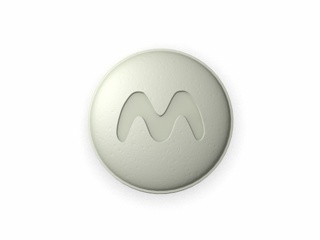
How it is usually presented: Mobic tablets are commonly available in fixed strengths (for example, 7.5 mg or 15 mg tablets, depending on local supply and your pharmacy). Availability can vary by manufacturer supply in Australia.
Who it may suit: Many people use meloxicam for inflammatory joint conditions. However, it may not be suitable for everyone—your risk factors (such as stomach ulcers, kidney disease, or heart disease) matter.
How meloxicam works (mechanism of action)
Meloxicam belongs to the NSAID family. It works primarily by blocking enzymes involved in making prostaglandins (chemicals in the body that contribute to pain, swelling/inflammation, and fever).
- Meloxicam inhibits cyclooxygenase (COX) enzymes (COX-1 and COX-2), which play roles in prostaglandin production.
- By reducing prostaglandins, it helps relieve pain and inflammation.
- In many people, the effect is seen within hours; full benefits for chronic conditions may take days to weeks.
Important: NSAIDs treat symptoms (pain and inflammation). They do not usually “cure” the underlying condition.
Pharmacokinetics (how the body handles meloxicam)
Understanding the medicine’s timing can help you use it effectively.
- Absorption: Meloxicam is absorbed after oral dosing.
- Onset: Pain relief may begin within the first day of use for many people.
- Peak levels: Blood levels typically rise to their highest point a few hours after taking a dose (commonly around 4–5 hours, though individual variation occurs).
- Half-life: The elimination half-life is long enough that many dosing regimens can be once daily for selected patients.
- Metabolism: Meloxicam is metabolised mainly by the liver.
- Excretion: It is eliminated through urine and faeces as metabolites.
What this means for you: Missing a dose can reduce symptom control. If you forget a dose, take it when you remember unless it’s close to your next dose—avoid doubling up.
Typical uses (indications)
Mobic (meloxicam) is commonly used for conditions involving pain and inflammation, including:
- Osteoarthritis (OA): Helps reduce pain and inflammation in degenerative joint disease.
- Rheumatoid arthritis (RA): Helps reduce joint pain, stiffness, and swelling associated with inflammatory arthritis.
- Ankylosing spondylitis: Helps manage symptoms in this inflammatory condition affecting the spine and joints.
Note: The exact indication and suitability depend on your diagnosis, symptom severity, and risk factors.
How to take Mobic – timing and dosing
General timing
- Many regimens involve taking once daily at the same time each day.
- Some people prefer taking it with food to reduce stomach discomfort (especially if they get nausea or reflux with NSAIDs).
- If you have morning stiffness, taking it in the morning may help; if your pain worsens at night, timing may be adjusted by your healthcare professional’s advice.
Dosing overview
Dosing should be individualised. Your prescriber and/or pharmacist will recommend the dose and duration based on your condition, other medicines, and safety risk. Always follow the dosing instructions on the pack or as directed by your clinician.
Typical adult dosing patterns (general guidance):
- Osteoarthritis: often started at a lower dose and adjusted if needed.
- Rheumatoid arthritis / ankylosing spondylitis: may require a higher dose depending on response.
Maximum dose: Meloxicam dosing has upper limits. Avoid exceeding the recommended maximum daily dose unless specifically instructed. Taking more does not necessarily improve pain relief proportionally and increases risk.
What if you miss a dose?
- If you forget a dose, take it when you remember unless it is near the time of the next dose.
- Do not take two doses to make up for a missed one.
Food interactions and what to eat
Food can influence tolerability.
- With or without food: Meloxicam can be taken with food or after food for improved stomach comfort.
- If you get indigestion: Taking it with meals or a snack can help reduce irritation.
- Avoid taking it on an empty stomach if you have a history of gastritis, reflux, or ulcers.
Kidney and dehydration considerations: NSAIDs are more risky in people who are dehydrated (for example, vomiting, diarrhoea, or not drinking enough). During illness with dehydration, seek medical advice about continuing NSAIDs.
Alcohol interactions
Combining NSAIDs with alcohol can increase the risk of stomach irritation, bleeding, and ulcers. Alcohol can also affect your liver and worsen side effects such as dizziness or drowsiness.
- For safer use, it’s generally recommended to limit alcohol while taking meloxicam.
- If you drink regularly or heavily, discuss NSAID suitability with a healthcare professional.
Medicine interactions (important)
Meloxicam can interact with other medicines. Tell your pharmacist or healthcare professional about all medicines you use, including:
- Other NSAIDs (e.g., ibuprofen, naproxen, diclofenac)
- Aspirin (including “low-dose” aspirin)
- Blood thinners/anticoagulants (e.g., warfarin)
- Antiplatelet medicines (e.g., clopidogrel)
- Corticosteroids (e.g., prednisone)
- Some antidepressants (SSRIs/SNRIs) that can increase bleeding risk
- Diuretics (“water tablets” such as hydrochlorothiazide, furosemide)
- ACE inhibitors/ARBs (for blood pressure and heart conditions)
- Some diabetes medicines and other medicines that affect kidneys
- Medicines that may affect liver enzymes
Common interaction themes
- Stomach bleeding risk: Higher risk when NSAIDs are combined with aspirin, corticosteroids, anticoagulants, or certain antidepressants.
- Kidney strain: Risk may increase when NSAIDs are combined with diuretics and some blood pressure medicines (ACE inhibitors/ARBs), especially during dehydration.
- Reduced kidney function: If your kidneys are already vulnerable, interactions may be more serious.
Always check before combining: If you’re unsure about a medicine, ask your pharmacist. In general, avoid using multiple NSAIDs together.
Safety profile and side effects
Like all medicines, meloxicam can cause side effects. Many people tolerate it well, but it’s important to know what to watch for.
Common side effects
- Stomach discomfort, indigestion, nausea
- Heartburn or reflux
- Mild dizziness
- Headache
Serious side effects—seek urgent medical help
Stop using meloxicam and seek urgent care if you experience:
- Signs of stomach bleeding: vomiting blood, black/tarry stools, or blood in stools
- Severe allergic reaction: facial swelling, wheezing, severe rash, or trouble breathing
- Severe skin reactions: blistering, peeling, or widespread rash
- Signs of kidney problems: reduced urination, swelling of ankles/legs, unusual fatigue
- Chest pain, shortness of breath, or stroke-like symptoms
- Severe liver problems: yellow skin/eyes (jaundice), severe persistent nausea/vomiting
Who needs extra caution?
Extra caution is advised if you have:
- A history of stomach ulcers or gastrointestinal bleeding
- Kidney disease or dehydration
- Heart disease, uncontrolled blood pressure, or significant cardiovascular risk
- Asthma or prior NSAID-triggered asthma/recurring nasal polyps
- Older age (risk of side effects is often higher)
- Taking several interacting medicines (e.g., anticoagulants, corticosteroids)
Practical use tips for everyday life
Use the lowest effective dose
NSAIDs work best when used at the lowest effective dose for the shortest time that controls symptoms. This approach can reduce the risk of adverse effects.
Consider stomach protection strategies
If you have stomach risk factors, your clinician may consider additional protection. Do not self-start stomach-protective medicines without advice if you’re taking other drugs (especially blood thinners).
Monitor your body
- If pain improves but stomach symptoms appear (heartburn, persistent nausea), talk to your pharmacist.
- If you’re unwell with vomiting/diarrhoea or you’re not drinking fluids, contact a healthcare professional before continuing NSAIDs.
Avoid stacking NSAIDs
Do not take meloxicam together with other NSAIDs. For occasional pain, some people use paracetamol as an alternative—however, individual suitability depends on your health situation and other medicines.
Hydration and lifestyle
- Stay hydrated, particularly during hot weather or illness.
- Gentle movement, heat/cold packs, and physiotherapy can complement medication for joint conditions.
Alternative options (non-medicine and medicine)
Depending on the cause of your pain and your health risk factors, alternatives may include:
Non-medicine options
- Physiotherapy and exercise programs
- Weight management (for osteoarthritis)
- Heat or cold therapy
- Topical pain relief (such as topical NSAIDs, depending on availability and suitability)
- Walking aids and ergonomic changes
Medicine alternatives
- Paracetamol (acetaminophen): may be useful for some types of pain with a generally different safety profile
- Topical NSAIDs: can reduce systemic exposure for certain joint pains
- Other NSAIDs: some people respond to different NSAIDs, but risks are shared across the class
- For inflammatory arthritis: disease-modifying treatments may be required (these are specific to your condition)
Discuss options: The best alternative depends on your diagnosis, severity, and risk factors.
Market and legal context for Australia
In Australia, medicines are regulated through the Therapeutic Goods Administration (TGA) and classified based on risk. Availability of meloxicam may differ by product strength and formulation.
Pharmacy supply: Some NSAIDs are available through pharmacies under pharmacist supervision, while others may be prescription-only depending on strength and local arrangements. Always ensure you’re purchasing from a reputable source that meets Australian standards.
Consumer safety: In Australia, pharmacies and healthcare providers emphasise safe use, correct dosing, and screening for risk factors such as allergies, prior ulcers, kidney function, and medicine interactions.
Recent guidance (general trend): There is ongoing emphasis across Australia and internationally on using NSAIDs carefully—especially in people at increased risk of gastrointestinal bleeding, kidney injury, and cardiovascular events, and on avoiding unnecessary long-term use.
Delivery and availability (online pharmacy)
Online pharmacies in Australia typically deliver to eligible addresses and may include options such as express or standard shipping, depending on the supplier and your location.
- Availability: Stock can vary. If an item is temporarily out of stock, you may be offered the nearest available strength or an alternative product (subject to suitability).
- Shipping times: Delivery times depend on the courier network and your location.
- Packaging: Medicines are normally supplied in manufacturer packaging with clear labelling.
- Discreet delivery: Many pharmacies offer discreet packaging for privacy.
Important: Store meloxicam tablets at room temperature in a dry place, away from moisture and direct sunlight. Keep out of reach of children.
Recent practical safety reminders
Although product-specific advice can vary, patient safety messaging for NSAIDs commonly includes:
- Use the lowest effective dose.
- Be cautious if you have a history of ulcers or bleeding.
- Do not combine with other NSAIDs.
- Consider hydration and kidney risk, particularly during illness.
- Review other medicines for interaction risk.
FAQ – Mobic (Meloxicam)
1) Is Mobic the same as meloxicam?
Yes. Mobic is a brand name. The active ingredient is meloxicam, an NSAID.
2) How long does it take to work?
Many people notice symptom relief within the first day. For chronic inflammatory conditions, noticeable improvement may take several days to a few weeks, depending on the condition and dose.
3) Can I take Mobic with food?
Yes. Taking it with food (or after food) can improve stomach comfort for many people.
4) What should I avoid while taking meloxicam?
Avoid:
- Combining with other NSAIDs (e.g., ibuprofen, naproxen, diclofenac)
- Heavy alcohol consumption
- Using multiple blood-thinning or stomach-irritating medicines without advice
5) Can I take it with aspirin or blood thinners?
Do not combine without checking. Aspirin and blood thinners can increase bleeding risk with NSAIDs. Your pharmacist can help you assess interaction risk.
6) What if I forget a dose?
Take it when you remember if it’s not near the next dose. Do not take a double dose.
7) Who should be extra careful?
People with a history of ulcers/bleeding, kidney disease, heart disease, or those taking interacting medicines should use caution and seek professional advice.
8) What side effects are most common?
Common effects include indigestion, nausea, heartburn, headache, and mild dizziness.
9) When should I seek urgent help?
Seek urgent medical help for signs of stomach bleeding (black stools or vomiting blood), severe allergic reactions, severe skin reactions, sudden breathing problems, chest pain, or severe weakness.
10) Are there alternatives to Mobic?
Yes. Depending on your condition, alternatives can include paracetamol, topical therapies, physiotherapy/exercise strategies, or different medicine options. Discuss what’s best for you.
Summary
Mobic (meloxicam) is an NSAID used to reduce pain and inflammation from conditions such as osteoarthritis, rheumatoid arthritis, and ankylosing spondylitis. It works by reducing prostaglandins in the body. While many people benefit from once-daily dosing, meloxicam can increase risks—particularly for stomach bleeding, kidney problems, and cardiovascular events—so safe use is essential.
If you have questions about how to take Mobic, managing side effects, or whether it may interact with other medicines you’re using, speak with a pharmacist or healthcare professional.
| Topic | Key point |
|---|---|
| Typical use | Relieves pain and inflammation in arthritis conditions (OA, RA, ankylosing spondylitis) |
| How to take | Often once daily; take with food to reduce stomach discomfort |
| Food | With/after food can improve tolerability |
| Alcohol | Limit alcohol; increases stomach bleeding risk |
| Medicine interactions | Avoid combining with other NSAIDs; caution with blood thinners, steroids, and certain antidepressants |
| Serious warning signs | Seek urgent help for bleeding, severe allergy, severe rash, kidney problems, or chest pain/shortness of breath |
| Storage | Store dry, room temperature, away from children |