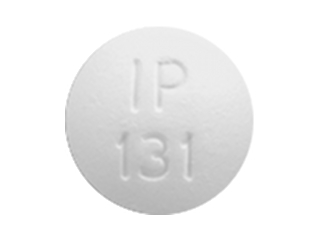
Colchicine (Colchicum autumnale) — Patient Information
Colchicine is a medicine commonly used to treat certain inflammatory conditions, especially gout. It helps reduce inflammation and pain by slowing down key steps in the body’s immune response. This page provides practical, patient-friendly information about how colchicine works, when it’s used, how it’s taken, and important safety considerations for people in Australia.
If you have questions about whether colchicine is suitable for you—particularly if you have kidney or liver problems, take other medicines, or are pregnant or breastfeeding—speak with a pharmacist or doctor.
Basic product information
| Item | Details |
|---|---|
| Medicine name | Colchicine |
| Source/associated name | Colchicum autumnale (autumn crocus) |
| How it’s used | Treatment of acute gout flares and prevention of recurrent gout flares (in suitable patients) |
| Common forms | Tablets (strengths vary by brand/product) |
| Typical duration | Acute flares: short course; Prevention: may be longer-term depending on your plan |
| Key caution | Serious interactions and toxicity risk—especially with certain antibiotics, antifungals, and some heart or cholesterol medicines |
How colchicine works (mechanism of action)
Colchicine reduces inflammation by interfering with microtubules inside cells. In gout, the main trigger is urate crystals that set off an immune response. Colchicine helps limit this inflammatory cascade by affecting neutrophils (a type of white blood cell) and their movement and activity.
- Decreases neutrophil activation that drives inflammation and pain.
- Reduces release of inflammatory signals that contribute to swelling and tenderness.
- May also help in some other inflammatory conditions as directed by a clinician.
Important: colchicine does not lower uric acid by itself. For long-term gout control, urate-lowering therapy is usually needed when appropriate.
Pharmacokinetics (how the body processes it)
Pharmacokinetics describes what the body does to the medicine—absorption, distribution, metabolism, and excretion.
Absorption
Colchicine is absorbed after oral dosing. Peak blood levels occur within a few hours (timing can vary between people).
Distribution
Colchicine distributes into tissues, including inflammatory sites. It may accumulate more in people with reduced kidney or liver function.
Metabolism and elimination
Colchicine is metabolised partly by liver pathways and is also cleared by the kidneys and through transport proteins (notably P-glycoprotein and related transport systems). This is a major reason interactions matter.
- Kidney impairment can increase levels and toxicity risk.
- Liver impairment can also increase levels.
- Some medicines can raise colchicine blood concentrations by affecting metabolism/transport.
What colchicine is used for (indications)
Colchicine is used to treat and/or prevent conditions where inflammation plays a major role. In Australia, the most common use is related to gout.
Gout
- Acute gout flares — to help reduce pain, swelling, and inflammation.
- Prevention of recurrent flares — sometimes used during initiation of urate-lowering therapy or as part of a prevention plan for selected patients.
Other inflammatory conditions
Depending on clinical circumstances and local prescribing guidance, colchicine may be used for other inflammatory conditions. Your pharmacist or doctor can confirm what it’s for in your specific case.
Dosing overview and timing
The correct dose depends on the condition being treated, your age, kidney and liver function, and medicines you take. Always follow the dosing instructions provided with your product or by your clinician.
Acute gout flare (typical approach)
Colchicine is most effective when taken early in a flare. Many people are advised to start within the first 12 hours of symptoms, but follow your own written instructions.
- Start early after flare onset if advised.
- Do not exceed the recommended maximum daily dose.
- Seek medical advice if symptoms are severe, worsening, or not improving.
Prevention of gout flares (typical approach)
For flare prevention, dosing is usually lower than for acute treatment and taken regularly over time. It may be used for a defined period (for example, around the time urate-lowering therapy starts) or longer if advised.
- Take at the same time each day if prescribed regularly.
- Do not stop suddenly without advice if you’re on a prevention plan.
Table: Common dosing considerations (general guidance)
| Situation | Why dosing matters |
|---|---|
| Kidney or liver impairment | Colchicine clearance may be reduced; dose may need to be lower or avoided. |
| Taking interacting medicines | Some medicines can raise colchicine levels and increase risk of serious toxicity. |
| Older age | Higher likelihood of reduced kidney function and interactions; closer review may be needed. |
| Recurrent flares | Prevention dosing differs from acute flare dosing; follow your plan carefully. |
Note: Because product strengths and patient factors vary, this site doesn’t list a universal exact regimen. Your pharmacist can confirm your specific dosing instructions.
How to take colchicine (practical use tips)
- Take exactly as directed on your label or advice sheet.
- For acute flares, start early when symptoms begin (if you’ve been instructed to use it at flare onset).
- Use the same timing pattern each day for prevention.
- Keep track of doses—accidental extra doses are a key cause of toxicity.
- Do not combine with other gout medicines unless advised (for example, avoid mixing multiple anti-inflammatory strategies without guidance).
Missed dose
If you miss a dose and you are taking colchicine regularly for prevention, take it when you remember unless it’s close to the next dose. Do not double the dose. If you’re unsure, ask your pharmacist.
Food interactions and taking with meals
Colchicine can generally be taken with or without food; however, taking it with food may help if it upsets your stomach. The most important interactions involve other medicines rather than meals.
- Grapefruit and grapefruit juice: may increase colchicine levels due to effects on metabolism/transport. It’s best to avoid grapefruit unless your pharmacist says it’s safe for you.
- High-fat meals: may change absorption rates. If you notice stomach upset or inconsistent effects, keep your routine consistent.
If your instructions differ from the general advice above, follow your label or pharmacist’s guidance.
Alcohol and medicine interactions
There is no single “safe amount” that applies to everyone, but alcohol can affect your health in ways that increase gout risk and may worsen side effects such as nausea or diarrhoea.
With colchicine
- Alcohol may aggravate gout in many people and can increase flare frequency.
- Alcohol may worsen stomach irritation, especially if you experience gastrointestinal side effects from colchicine.
Important medicine–alcohol context
If you drink alcohol regularly or heavily, discuss it with your pharmacist. Also tell them if you take medicines that affect the liver, kidneys, blood counts, or clotting.
Important medication interactions (medicine–medicine risks)
Drug interactions are one of the most important safety issues with colchicine. Some medicines can increase colchicine levels by blocking the transport/metabolism pathways. This can lead to serious toxicity.
Medicines that commonly increase colchicine levels
Do not start colchicine (or do not change your dose) without checking with a pharmacist if you take:
- Some antibiotics (e.g., clarithromycin, erythromycin, telithromycin).
- Some antifungals (e.g., ketoconazole, itraconazole, voriconazole, posaconazole).
- Some HIV medicines (antiretrovirals such as protease inhibitors).
- Certain heart medicines and other drugs that affect similar transport systems.
- Certain cholesterol medicines—especially statins in combination with colchicine, where the risk of muscle-related problems may increase.
Other interaction points
- Kidney or liver-affecting medicines may increase colchicine exposure.
- Other anti-inflammatory drugs: combinations may increase side effects, particularly gastrointestinal effects. Use only with advice.
Always provide your pharmacist with a list of all medicines and supplements you take, including herbal products and “natural” remedies.
Safety profile and when to seek urgent help
Like all medicines, colchicine can cause side effects. Most are mild to moderate when used correctly. However, colchicine toxicity can be serious—especially with excessive dosing or interacting medicines.
Common side effects
- Diarrhoea (can be early and may signal overdose/toxicity)
- Nausea and vomiting
- Abdominal cramps
Serious side effects—seek medical help urgently
Contact emergency services or seek urgent medical assessment if you experience any signs that could indicate toxicity, particularly after taking more than recommended or mixing interacting medicines.
- Severe or persistent diarrhoea or vomiting
- Severe weakness, fainting, or dehydration
- Muscle pain, tenderness, or weakness (especially if you take statins)
- Unusual bruising or infection risk (could indicate blood count effects)
- Shortness of breath or chest pain
If you suspect overdose, it is vital to act quickly—colchicine toxicity can progress. Keep the medicine pack available when you seek help.
Who should be extra cautious
- People with kidney disease or reduced kidney function
- People with liver disease
- Older adults
- People taking multiple interacting medicines
- People with a history of drug intolerance or severe gastrointestinal issues
Special populations: pregnancy, breastfeeding, and children
Colchicine use in pregnancy and breastfeeding should be carefully assessed by a healthcare professional. If you are pregnant, planning pregnancy, or breastfeeding, discuss risks and benefits before use.
- Pregnancy: seek professional advice before using colchicine.
- Breastfeeding: ask your pharmacist or doctor for guidance.
- Children: dosing must be specialist-directed; do not use adult instructions for children.
Recent guidance and current best practice (general Australia context)
Clinical practice commonly emphasises the following for colchicine:
- Early treatment during a gout flare for best symptom control.
- Conservative dosing in people at higher risk of toxicity (e.g., kidney impairment, older age).
- A strict interaction check before starting or increasing colchicine.
- Monitoring and reassessment if symptoms persist, worsen, or if side effects occur.
Guidance may vary by clinician and patient profile. Always follow the instructions provided with your specific product.
Alternative options for gout and inflammatory control
Depending on your situation, other treatments may be considered for acute gout flares or prevention. These can include:
- Non-steroidal anti-inflammatory drugs (NSAIDs) (used cautiously, especially if you have kidney disease or stomach ulcers).
- Oral or injected corticosteroids (may be an option when NSAIDs/colchicine are unsuitable).
- Urate-lowering therapy for long-term control (e.g., medicines that lower uric acid), often used to prevent future flares.
The best alternative depends on your medical history, other medicines, and severity/frequency of gout. Ask your pharmacist which options are most appropriate for you.
Market and legal context for Australia
In Australia, access to medicines depends on how they are classified under the Therapeutic Goods Act and related regulations, and on individual product labelling. Supply is also guided by national medicine safety principles, including correct counselling on safe use and interactions.
Colchicine is a medicine where safety counselling is especially important due to potential for serious adverse effects with interacting drugs or excessive dosing. When purchasing or using colchicine, ensure you understand:
- your exact dose instructions
- the medicines you must avoid
- what side effects to watch for
- when to seek urgent help
Delivery and availability (online pharmacy)
Availability and delivery can vary by supplier and region within Australia. Generally, online pharmacies may offer:
- Standard and express delivery options (depending on location)
- Tracking once dispatched
- Discrete packaging to protect privacy
Before placing an order, check the product listing for stock status, expected delivery times, and any requirements for completing supply.
If you’re unsure which colchicine strength is suitable, contact our team before ordering so you can receive the correct product for your intended use.
FAQ — Common questions about colchicine
1) When should I take colchicine for a gout flare?
Colchicine is typically most effective when started early in a flare. If you have been given “flare-onset” instructions, start according to those instructions (often within the first 12 hours). If you’re unsure, ask your pharmacist.
2) Can I take colchicine with food?
Yes—colchicine can usually be taken with or without food. If you get stomach upset, taking it with food may help. Keep your routine consistent.
3) What foods or drinks should I avoid?
Grapefruit and grapefruit juice may increase colchicine levels and are best avoided unless your pharmacist confirms it’s safe. Alcohol may worsen gout and may also worsen gastrointestinal side effects.
4) What should I do if I miss a dose?
If you’re using colchicine regularly for prevention, take the missed dose when you remember unless it’s almost time for your next dose. Don’t double up. If unsure, ask a pharmacist.
5) What are the early warning signs of too much colchicine?
Early toxicity can include diarrhoea, nausea, vomiting, and abdominal cramps. Because serious toxicity can progress, seek medical advice urgently if you suspect you took too much or experienced severe symptoms.
6) Is colchicine safe if I have kidney or liver problems?
People with kidney or liver impairment are at higher risk of increased colchicine levels and side effects. Dosing may need adjustment or the medicine may be avoided. Tell your pharmacist about your medical history and recent blood test results.
7) Can I take colchicine with a statin?
Colchicine and statins can increase the risk of muscle-related side effects in some people. This doesn’t automatically mean the combination is unsafe, but it requires careful review. Speak with a pharmacist about your specific statin and dose.
8) Which medicines should I avoid combining with colchicine?
Some antibiotic, antifungal, and HIV medicines can significantly raise colchicine levels. Other medicines that affect transport or metabolism may also interact. Provide a full list of medicines (including herbal products) to your pharmacist before use.
9) Does colchicine cure gout?
Colchicine helps reduce inflammation during flares and can help prevent future flares in some plans. It does not cure gout or permanently lower uric acid. Long-term gout control often requires urate-lowering therapy and lifestyle changes where appropriate.
10) When should I seek medical help for a flare?
Seek prompt medical care if pain is severe, symptoms are rapidly worsening, fever develops, the joint looks very red/hot, you cannot keep fluids down, or you’re not improving after following your flare plan.
Summary
Colchicine is an anti-inflammatory medicine widely used in gout care. It works by reducing key immune and inflammatory activity involved in crystal-driven attacks. For best results and safety:
- Start early during flares if you’ve been instructed to do so.
- Follow the exact dosing plan and do not exceed recommended amounts.
- Do a careful interaction check with your pharmacist, especially with antibiotics, antifungals, and some statins.
- Be cautious if you have kidney or liver problems, and watch for gastrointestinal symptoms.
- Limit alcohol and avoid grapefruit unless confirmed safe.
For tailored advice, consult a pharmacist. If you have any concerns about side effects or interactions, get professional help promptly.