
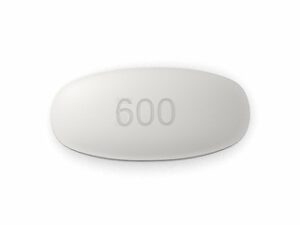
Zyloprim (Allopurinol) — Patient Information (Australia)
Zyloprim is a medicine containing allopurinol. It is commonly used to lower uric acid levels in the body and help prevent gout attacks and some forms of kidney stones. This page explains how it works, how to take it, what to watch for, and practical tips to get the best results.
Key product information
| Feature | Details |
|---|---|
| Medicine name | Zyloprim (allopurinol) |
| What it does | Lowers uric acid production |
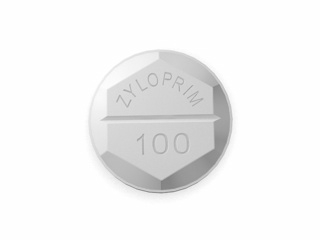
| Common forms | Tablets (strengths vary by product and brand range in Australia) |
| Typical use | Long-term prevention of gout flares and urate-related kidney problems |
| How long it takes | Uric acid levels can improve within days; full prevention effect may take weeks |
| Common side effects | Skin rash, nausea, changes in liver tests; serious hypersensitivity is uncommon but important |
How Zyloprim works (mechanism of action)
Allopurinol reduces the amount of uric acid your body makes. It works by blocking an enzyme called xanthine oxidase, which is involved in converting substances in the body into uric acid.
By slowing uric acid production, Zyloprim helps:
- Lower high uric acid levels (hyperuricaemia)
- Reduce the formation of urate crystals
- Prevent or reduce gout flares over time
- Help prevent certain types of kidney stones
Important: Zyloprim is designed for prevention. It is not a fast treatment for a sudden gout flare. For acute attacks, other medicines are usually needed.
Pharmacokinetics (what the body does to allopurinol)
“Pharmacokinetics” describes absorption, metabolism, and elimination—how the body processes the medicine. While exact figures can vary by patient, the overall pattern is:
- Absorption: Allopurinol is absorbed from the gut after oral dosing.
- Metabolism: Allopurinol is metabolised into oxypurinol, which also helps reduce uric acid by inhibiting xanthine oxidase.
- Elimination: Both allopurinol and oxypurinol are mainly cleared by the kidneys. Kidney function therefore strongly influences dosing.
- Duration: Oxypurinol has a longer-lasting effect, supporting once-daily (or similar) dosing in many patients.
Because oxypurinol lasts longer, consistent daily use is important to maintain steady urate control.
Typical uses and indications
Zyloprim is used to manage conditions related to raised uric acid. In Australia, commonly recognised uses include:
Gout and high uric acid
- Management of chronic gout and prevention of recurrent gout attacks
- Treatment of hyperuricaemia in people at risk of gout or urate-related complications
Urate kidney stones and urate deposition
- Prevention of uric acid kidney stones
- Prevention of recurrent urate-related kidney stones in suitable patients
Urate-lowering in special situations
- In some settings, it may be used to reduce uric acid during conditions that increase uric acid production (for example, certain cancer treatments). This depends on the clinical scenario and local protocols.
Your healthcare professional will confirm which indication applies to you and whether urate-lowering therapy is appropriate.
When to take Zyloprim (timing and routine)
Zyloprim is usually taken as a once-daily dose, but the exact schedule depends on your prescribed plan. The goal is to keep uric acid levels controlled consistently.
Practical timing tips
- Take it at the same time each day to improve adherence.
- If you experience stomach upset, consider taking it after food.
- If you miss a dose, take it when you remember unless it is close to the next dose.
- Do not double up to make up for a missed tablet unless instructed.
Note: When starting or increasing urate-lowering therapy, some people experience temporary gout flares. This does not necessarily mean the medicine is failing—management may include short-term flare prevention from your clinician.
Dosing overview (how clinicians typically individualise therapy)
The correct Zyloprim dose depends on factors such as your current uric acid level, gout history, and kidney function. Dosing may start low and adjust gradually to reach an appropriate target.
Common dosing approach
- Start low to reduce the risk of side effects and flare reactions.
- Adjust gradually based on uric acid results and tolerance.
- Use lower doses in kidney impairment.
Maximum doses
Maximum dosing depends on local product guidance and kidney function. If you have reduced kidney function, your dose is typically capped lower and titrated more cautiously.
Important dosing considerations
- Kidney disease: Dose adjustments are often required.
- Other medicines: Some drug interactions may require dose changes (see below).
- Uric acid targets: Clinicians aim to keep uric acid below a target level to prevent crystal formation.
For personalised dosing, always follow the plan provided for you. This information is general and not a substitute for medical advice.
Food interactions and dietary considerations
Allopurinol does not have major “must-avoid” food restrictions for most people. However, diet and hydration still play an important supportive role—especially for gout and kidney stone prevention.
Food interactions
- General: You can usually take Zyloprim with or without food.
- If nausea occurs: Taking it after meals may help.
- Uric acid–raising foods: Reducing high-purine foods and sugary drinks may help overall urate control.
Helpful dietary habits (gout/stone prevention)
- Stay well hydrated.
- Limit alcohol (especially beer and spirits) which can worsen gout in many people.
- Reduce high-purine foods such as certain organ meats and some types of seafood.
- Consider lowering fructose and sugary beverages.
Alcohol interactions
Alcohol does not directly “cancel” allopurinol’s effect, but it can still be a problem because alcohol can raise uric acid levels and trigger gout flares.
Practical guidance
- Avoid heavy or binge drinking.
- Consider limiting alcohol, particularly during the early weeks of starting or adjusting therapy.
- If you notice alcohol reliably triggers flares, reduce intake further.
If you drink alcohol, discuss a safe level with your healthcare professional—especially if you also have liver or kidney disease.
Medicine interactions (important)
Some medicines can interact with allopurinol. Interactions may change how well medicines work, increase side effects, or affect blood counts.
Notable interaction categories
- Azathioprine / mercaptopurine: Allopurinol can significantly increase levels of these medicines. This combination usually requires dose reductions and careful monitoring.
- Certain antibiotics: Some antibiotics (commonly discussed in clinical practice) may increase risk of rash or other adverse effects.
- Thiazide diuretics: Some diuretics may increase the risk of adverse reactions in certain patients.
- Warfarin: Monitoring may be needed because changes in anticoagulation can occur.
- Other gout medicines: Often used temporarily to prevent flares when starting urate-lowering therapy.
- Kidney-affecting medicines: If a medicine affects kidney function, it can influence allopurinol/oxypurinol clearance.
What to do
- Keep an up-to-date list of your medicines, including supplements and herbal products.
- Tell your healthcare professional or pharmacist about everything you take.
- Do not start a new medicine without checking interactions.
Safety profile: what to watch for
Most people tolerate Zyloprim well, but like all medicines it can cause side effects. Some are mild and manageable. A small number of people can develop serious hypersensitivity reactions.
Common or mild side effects
- Nausea or stomach discomfort
- Diarrhoea or changes in bowel habits
- Headache
- Rash (skin reactions are a key symptom to take seriously)
Serious reactions: seek urgent medical help
Stop taking the medicine and seek urgent medical attention if you develop signs of a serious allergic or hypersensitivity reaction, such as:
- Widespread rash, blistering, or skin peeling
- Fever, sore throat, or mouth ulcers
- Swelling of the face, lips, or tongue
- Breathing difficulties
- Severe tiredness, jaundice (yellow eyes/skin), or severe illness symptoms
Risk factors to discuss with your clinician
- Certain genetic predispositions (relevant in some populations)
- Kidney impairment and higher starting doses
- Older age and multiple comorbidities
- Concomitant medicines that can increase risk of toxicity
Your healthcare professional may monitor blood tests and recommend a cautious starting dose if risk factors apply.
Monitoring and blood tests
- Uric acid levels to guide dose adjustments
- Kidney function (creatinine/eGFR)
- Liver function tests
- Full blood count if clinically indicated
Practical tips for safe and effective use
Start and adjust carefully
- Take the medicine daily as planned, even if gout flares occur early.
- Ask about flare prevention if you are at risk of early gout attacks when beginning therapy.
- Do not change your dose without clinician guidance.
Hydration and urate stone prevention
- Drink enough fluids to produce pale yellow urine.
- If you have a history of kidney stones, follow any stone-prevention plan provided.
Track symptoms and side effects
- Keep a note of gout flare frequency and triggers (diet, alcohol, dehydration).
- Report any new rash immediately—skin reactions should not be ignored.
Keep regular follow-up
- Uric acid control often requires dose titration and periodic blood tests.
- Long-term prevention is usually the most successful approach.
Alternative options (other ways to lower uric acid or manage gout)
Depending on your condition, history, kidney function, and preferences, clinicians may consider alternatives. Options commonly include:
Other urate-lowering medicines
- Febuxostat: Another xanthine oxidase inhibitor used in some patients.
- Probenecid: Helps increase uric acid excretion in suitable patients (often requires adequate kidney function).
Medicines used during acute gout flares
- Anti-inflammatory treatments (e.g., NSAIDs if appropriate)
- Colchicine in selected cases
- Corticosteroids for some patients
Non-medicine strategies
- Weight management where relevant
- Reduced intake of high-purine foods and sugary drinks
- Hydration and management of kidney stone risk factors
Your clinician can help decide which approach best balances benefits and risks for you.
Market and legal context for Australia
Zyloprim (allopurinol) is available in Australia as an established urate-lowering therapy. Availability and supply may vary by pharmacy, product presentation, and strength.
In Australia, medicines are regulated under the Therapeutic Goods Administration (TGA) framework. Supply is subject to Australian medicines scheduling and pharmacy practice rules. Your pharmacy can confirm product availability and the most current local product listing.
Because allopurinol safety considerations include the possibility of serious hypersensitivity reactions, appropriate screening and patient counselling are important.
Recent guidance and updates (general themes)
Over recent years, gout management guidance globally has consistently emphasised:
- Treat-to-target uric acid control for long-term prevention
- Gradual initiation of urate-lowering therapy (often “start low, go slow”)
- Flare management when beginning or increasing urate-lowering therapy (often with short-term preventive medication)
- Individualisation based on kidney function, comorbidities, and interacting medicines
- Taking skin reactions and hypersensitivity symptoms seriously and stopping promptly if severe symptoms occur
For personalised advice, consult your healthcare professional, and always check current local product information from trusted sources.
Delivery and availability (online pharmacy Australia)
Availability of Zyloprim/allopurinol tablets may depend on your preferred strength and pack size. Online pharmacies typically offer:
- In-stock delivery for common strengths
- Ordering options if a product is temporarily unavailable
- Packaging and labelling that meet Australian requirements
Delivery considerations
- Delivery times depend on your location and courier service.
- Some pharmacies may provide tracking and clear delivery instructions.
- Cold-chain is usually not required for tablets, but follow the packaging instructions.
If you need a specific strength, it’s helpful to check stock before placing an order. Your pharmacy can advise on alternatives if a particular presentation is unavailable.
FAQ: Zyloprim (allopurinol)
1. Is Zyloprim used to treat a sudden gout flare?
Zyloprim is primarily used for long-term prevention. It is not a fast relief option for an acute gout flare. Acute flares are usually treated with other medicines chosen by a clinician.
2. How long does it take to work?
Uric acid levels may begin to improve within days, but meaningful prevention of recurrent flares often takes several weeks or more, depending on dose and individual factors.
3. Will I get gout flares when starting Zyloprim?
Some people experience temporary increases in flares when uric acid levels are changing. This is one reason clinicians may recommend short-term flare prevention during the start period.
4. Can I take Zyloprim with food?
Usually yes. Many people find it more comfortable to take it after meals, especially if they feel nauseated.
5. What if I miss a dose?
Take it when you remember unless it is close to your next dose. Do not double the dose to catch up. If you are unsure, consult your pharmacist.
6. Are there foods I must avoid?
There is no universal “must avoid” list with allopurinol itself, but diet can strongly affect gout and uric acid. Limiting alcohol, sugary drinks, and high-purine foods may improve outcomes.
7. Can I drink alcohol while taking Zyloprim?
Alcohol may trigger gout attacks even if you take allopurinol. Many people are advised to limit alcohol, especially heavy drinking.
8. What side effects are most important?
Any rash should be taken seriously. Seek urgent help for widespread rash, blistering, fever, breathing trouble, or swelling. These may indicate a serious reaction.
9. Does kidney disease affect my dose?
Yes. Because allopurinol/oxypurinol are eliminated primarily by the kidneys, dosing often needs adjustment in kidney impairment. Your clinician will guide dosing accordingly.
10. What medicines interact with allopurinol?
Several medicines can interact, including medicines used for gout, certain antibiotics, warfarin, and medicines such as azathioprine or mercaptopurine. Always check with a pharmacist if you start or stop any medicines.
Summary
Zyloprim (allopurinol) lowers uric acid by reducing its production. When used consistently over time, it can help prevent recurrent gout attacks and reduce the risk of certain urate-related kidney problems. The best results come from taking your daily dose as planned, attending follow-up blood tests, and responding promptly to any concerning symptoms—particularly rash or signs of hypersensitivity.
If you have questions about your dose, side effects, or interactions with other medicines, speak with your pharmacist or healthcare professional.