Etoricoxib (Australia) — Patient-Friendly Medicine Information
Etoricoxib is a medicine used to relieve pain and inflammation associated with certain joint and musculoskeletal conditions. It belongs to a group of medicines called selective COX-2 inhibitors. This guide explains how etoricoxib works, how it’s used, what to expect, and key safety considerations for people in Australia.
Note: This information is intended to help you understand your medicine and is not a substitute for advice from a healthcare professional.
Basic Product Information
- Generic name: Etoricoxib
- Medicinal class: Selective COX-2 inhibitor (NSAID)
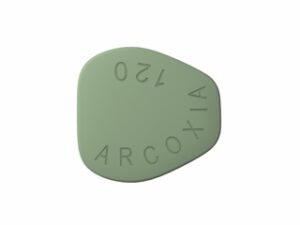
- Common strengths: Often supplied in tablet strengths such as 30 mg, 60 mg, 90 mg, and 120 mg (availability can vary by brand and supply).
- What it’s used for: Reducing pain and inflammation in conditions such as osteoarthritis, rheumatoid arthritis, ankylosing spondylitis, and acute gout flares (as directed by local guidance).
- How it’s taken: Usually once daily by mouth, depending on the condition and prescribed dose.
How Etoricoxib Works (Mechanism of Action)
Etoricoxib helps relieve pain and inflammation by affecting enzymes involved in producing prostaglandins—chemicals in the body that contribute to pain, fever, and inflammation.
More specifically:
- Etoricoxib selectively inhibits COX-2 (cyclooxygenase-2), an enzyme linked to inflammation and pain.
- By reducing COX-2 activity, it can decrease prostaglandin production in tissues.
- Because it is more selective for COX-2 than some older NSAIDs, it may have a different gastrointestinal (stomach) side-effect profile (though stomach and bowel risks are still possible).
Pharmacokinetics (How the Body Handles It)
Pharmacokinetics describes what the body does to a medicine—how it is absorbed, processed, and eliminated.
- Absorption: Etoricoxib is absorbed after oral dosing, with peak blood levels typically occurring within about 1 hour (timing can vary among individuals).
- Food effects: Food may slow the time to peak concentration, but the overall extent of absorption is generally similar.
- Distribution: It circulates in the bloodstream and distributes into tissues where pain and inflammation occur.
- Metabolism: Primarily processed by the liver via metabolic pathways (including CYP enzymes).
- Elimination: Metabolites are removed mainly through the kidneys (and partially through other routes).
- Half-life: The medicine stays in the body long enough to support once-daily dosing for many indications.
Typical Uses in Adults
Etoricoxib is used to treat pain and inflammation related to common musculoskeletal conditions. Indications may vary by product and local regulatory status, but commonly include:
- Osteoarthritis: Helps with joint pain and stiffness.
- Rheumatoid arthritis: Helps reduce symptoms related to inflammatory joint disease.
- Ankylosing spondylitis: Helps relieve pain and inflammation in the spine and large joints.
- Acute gout: May be used for short-term flare relief as directed by healthcare advice.
Important: The best choice of medicine depends on your age, medical history (including heart, stomach, kidney, and liver health), current medications, and the severity of symptoms.
When to Take It (Timing & Missed Dose)
Etoricoxib is typically taken once daily. Many people find it easiest to take it at the same time each day.
Timing
- Same time each day: Helps maintain consistent effect.
- Onset: Some people notice relief within a few hours, while others may take longer.
- Duration: Use for the shortest time at the lowest effective dose, especially for higher-strength regimens.
If you miss a dose
- Take it when you remember if it’s not close to the next dose.
- If it’s almost time for the next dose, skip the missed dose.
- Do not take a double dose to make up for a missed tablet.
Food Interactions
Food can influence how quickly etoricoxib reaches peak levels:
- With food: Taking it after a meal may delay peak concentration, but total absorption is usually not significantly changed.
- On an empty stomach: Peak effect may occur somewhat faster.
Practical tip: If you get any stomach discomfort, taking etoricoxib with food (or after a meal) may improve comfort for some people.
Alcohol & Medicine Interactions
Alcohol
Combining etoricoxib with alcohol may increase the risk of stomach irritation, bleeding, and liver stress in some people.
- If you choose to drink alcohol, do so cautiously and in moderation.
- Avoid heavy or binge drinking while taking NSAIDs.
- Seek medical advice if you have a history of ulcers, gastrointestinal bleeding, liver disease, or are taking blood thinners.
Common medicine interactions
Etoricoxib can interact with other medicines, particularly those affecting the kidneys, blood pressure, bleeding risk, or heart risk. Discuss all medicines and supplements with your healthcare provider, including:
- Other NSAIDs (e.g., ibuprofen, naproxen, diclofenac): Avoid combining unless specifically advised, due to added risk.
- Low-dose aspirin: Some patients use aspirin for cardiovascular protection. Do not stop or start aspirin without medical advice.
- Blood thinners (e.g., warfarin): May increase bleeding risk. Monitoring may be required.
- Antihypertensives (blood pressure medicines): NSAIDs can reduce the effectiveness of some blood pressure treatments and may raise blood pressure in some people.
- ACE inhibitors / ARBs (e.g., enalapril, lisinopril, losartan, valsartan): Can increase kidney-related risks when combined with NSAIDs, especially if dehydrated.
- Diuretics (e.g., hydrochlorothiazide, furosemide): Combined use can raise risk of kidney strain.
- Selective serotonin reuptake inhibitors (SSRIs) or SNRIs: May increase gastrointestinal bleeding risk when combined with NSAIDs.
- Lithium: Levels may rise, increasing toxicity risk.
- Methotrexate: Interactions can occur, particularly at higher doses.
- Cyclosporine / tacrolimus: May increase kidney risk.
Always check: If you’re unsure whether a medicine is an NSAID or could interact, ask a pharmacist.
Indications & Dosing (General Guidance)
Doses depend on the condition, age, risk factors, and the strength available. Your healthcare professional should tailor the dose to you.
Below is general typical dosing information used in practice. Exact dosing can vary and should follow local prescribing guidance and product information.
| Condition (common indication) | Typical starting dose (once daily) | How it may be adjusted | Maximum daily dose (general guidance) |
|---|---|---|---|
| Osteoarthritis | 30 mg or 60 mg daily | Use the lowest effective dose; adjust based on response and tolerability | Often up to 60 mg daily |
| Rheumatoid arthritis | 60 mg or 90 mg daily | Adjust based on symptom control | Often up to 90 mg daily |
| Ankylosing spondylitis | 60 mg daily | Adjust if needed | Often up to 90 mg daily |
| Acute gout flare (short-term use) | Higher strength may be used for flare relief as directed | Short duration; stop when flare resolves | Often limited by local guidance (commonly lower than maximum long-term limits) |
Special risk groups: People with certain liver conditions, older age, cardiovascular risk, history of ulcers/bleeding, or kidney impairment may require different dosing or avoidance.
Do not change your dose without professional advice.
Safety Profile (Who Should Be Careful)
Like other NSAIDs, etoricoxib can cause side effects. While many people tolerate it well, it’s important to know potential risks, particularly involving the heart, blood pressure, stomach, kidneys, and liver.
Common side effects
- Headache
- Dizziness
- Fluid retention or swelling (oedema)
- Stomach discomfort, heartburn, or nausea
- In some people, increased blood pressure
Serious side effects — seek urgent medical attention
- Signs of a heart problem: chest pain, shortness of breath, sudden weakness, or trouble speaking
- Signs of stomach or bowel bleeding: vomiting blood, black/tarry stools, or unexplained severe abdominal pain
- Signs of allergic reaction: swelling of face/lips, wheezing, rash, or difficulty breathing
- Signs of liver injury: yellowing of skin/eyes, dark urine, severe fatigue, or persistent nausea
- Signs of kidney problems: reduced urination, sudden weight gain from fluid retention, or severe fatigue
Cardiovascular risk considerations
COX-2 inhibitors can carry an increased risk of cardiovascular events (such as heart attack and stroke), especially at higher doses or in people with established cardiovascular disease or significant risk factors.
- Use the lowest effective dose and the shortest possible duration.
- People with prior heart disease or stroke require careful evaluation by a healthcare professional.
Stomach and bleeding risk
NSAIDs can increase the risk of ulcers and gastrointestinal bleeding. COX-2 selectivity may reduce risk compared with some non-selective NSAIDs, but risk is not eliminated.
- Higher risk if you have a history of stomach ulcers or bleeding.
- Risk may increase with age or concurrent use of certain medicines (e.g., blood thinners, steroids, SSRIs/SNRIs).
Kidney and fluid balance
Etoricoxib can affect kidney function, particularly in dehydrated individuals or those with pre-existing kidney issues.
- Stay well hydrated unless your doctor has restricted fluids.
- Seek advice if you have reduced urination or swelling.
Liver considerations
Etoricoxib is metabolised by the liver. If you have liver disease, dosing may need modification.
Practical Use Tips (Getting the Best Results Safely)
- Use the lowest effective dose: This can help reduce risk while improving symptom control.
- Take consistently: Once-daily dosing works best when taken at about the same time each day.
- Consider meal timing: If your stomach feels unsettled, take it with food.
- Avoid doubling up: Don’t combine with other NSAIDs unless explicitly advised.
- Monitor your blood pressure: If you have hypertension, ask your pharmacist or GP for guidance.
- Be cautious with dehydration: Illness, vomiting, or hot weather can increase kidney risk.
- Keep track of symptom relief: If pain isn’t improving, review the plan with your healthcare professional.
Alternative Options for Pain and Inflammation
Depending on your condition and risk factors, alternatives to etoricoxib may include other medication classes and non-drug approaches.
Medication alternatives
- Other NSAIDs (non-selective), such as ibuprofen or naproxen (choice depends on your stomach, kidney, and cardiovascular risk).
- Paracetamol (acetaminophen) for pain control, sometimes used alongside other therapies depending on advice.
- Topical NSAIDs (e.g., diclofenac gel) for certain joint pains, which may reduce systemic exposure.
- Disease-modifying treatments for inflammatory arthritis (e.g., DMARDs) managed by a specialist—these address the underlying condition rather than just symptom relief.
Non-medicine approaches
- Physiotherapy and exercise tailored to your condition
- Weight management for osteoarthritis where applicable
- Heat/cold therapy
- Joint protection strategies and activity pacing
Your pharmacist can help compare options based on your medical history and other medicines.
Market and Legal Context for Australia
In Australia, medicines are regulated through national quality, safety, and supply frameworks. Many anti-inflammatory pain medicines are available only under certain conditions and may be supplied differently depending on strength and classification.
Etoricoxib is an established medicine internationally and may be supplied in Australia depending on product availability and regulatory status. Supply may vary between brands and strengths.
Always ensure the product you purchase is legitimate and sourced from reputable suppliers. If you are uncertain about authenticity, contact a local pharmacy.
Recent Guidance and Ongoing Precautions
Guidance around NSAIDs, including COX-2 inhibitors like etoricoxib, focuses on balancing symptom relief with risk reduction. Common themes in recent healthcare advice include:
- Lowest effective dose and shortest duration to reduce cardiovascular, gastrointestinal, and kidney risks.
- Careful assessment of cardiovascular risk factors (including prior heart disease or stroke, high blood pressure, diabetes, smoking, and high cholesterol).
- Reviewing interacting medicines (such as blood thinners, blood pressure medications, diuretics, SSRIs/SNRIs, and other NSAIDs).
- Monitoring kidney function and blood pressure in at-risk individuals.
- Recognising red-flag symptoms early (bleeding, allergic reactions, chest pain, or signs of liver/kidney problems).
Because recommendations can evolve, it’s wise to check with your pharmacist or GP if you have chronic conditions or take multiple medicines.
Delivery, Availability & Ordering (Australia)
Availability may depend on the specific product strength and supplier. For online pharmacy customers in Australia, common expectations include:
- Stock status: Some strengths may be more readily available than others.
- Packaging: Tablets are supplied in secure retail packaging with appropriate labels and patient information.
- Delivery areas: Many online pharmacies deliver to most Australian metro and regional locations (delivery fees and times can vary).
- Processing time: Orders may take time to prepare and dispatch, especially if particular strengths are limited.
Tip: If you need a specific strength or quantity, it may be helpful to check estimated delivery times at checkout or contact customer support for current stock updates.
FAQ — Frequently Asked Questions
1) How quickly does etoricoxib work?
Many people notice symptom relief within a few hours. Peak levels generally occur around 1 hour after dosing, but your experience may vary depending on the condition being treated and individual factors.
2) Can I take etoricoxib with food?
Yes. Food may delay how quickly it reaches peak concentration, but absorption is generally not greatly affected. Taking it with food can be helpful if you experience stomach discomfort.
3) Should I avoid other painkillers while taking etoricoxib?
Avoid taking another NSAID (such as ibuprofen, naproxen, or diclofenac) at the same time unless your healthcare professional specifically instructs you to. You may still be able to use other medicines such as paracetamol, but confirm your safest option with a pharmacist—especially if you have liver or kidney concerns.
4) Is it safe to drink alcohol?
Moderation is advised. Alcohol can increase risks such as stomach irritation and liver stress. If you have a history of ulcers, bleeding, liver disease, or you take blood thinners, ask a pharmacist for personalised advice.
5) Who should be extra careful with etoricoxib?
Extra caution is needed if you have:
- History of stomach ulcers or gastrointestinal bleeding
- Heart disease, previous stroke, or multiple cardiovascular risk factors
- Kidney disease or risk of dehydration
- Liver disease
- High blood pressure that is not well controlled
6) What should I do if I get stomach pain or black stools?
Black/tarry stools or vomiting blood can indicate bleeding. Stop and seek urgent medical care. Severe abdominal pain should also be assessed promptly.
7) Can etoricoxib affect blood pressure?
Yes. NSAIDs can raise or worsen blood pressure in some people. If you have hypertension, consider regular blood pressure monitoring and discuss with your healthcare provider.
8) Are there safer alternatives?
Alternatives depend on your diagnosis and risk profile. Some people benefit from topical NSAIDs, paracetamol, physiotherapy, weight management, or other anti-inflammatory treatments. A pharmacist can help you explore options.
9) Can I use etoricoxib long term?
Long-term use should be carefully considered because risk can increase with dose and duration. Many patients should use the lowest effective dose for the shortest time needed, with periodic review by a healthcare professional.
10) When should I contact a pharmacist urgently?
Contact urgent care or seek immediate medical help for symptoms such as chest pain, sudden shortness of breath, signs of bleeding (black stools, vomiting blood), severe allergic reactions (swelling or difficulty breathing), yellowing of the skin/eyes, or sudden reduction in urination.
Key Takeaways
- Etoricoxib is a COX-2 selective anti-inflammatory used for joint and musculoskeletal pain.
- It helps reduce pain and inflammation by lowering prostaglandins involved in inflammatory processes.
- Most regimens are once daily, with peak levels around 1 hour (food may delay peak).
- Important risks include cardiovascular events, stomach/bleeding, and kidney effects—especially at higher doses or longer use.
- Alcohol and many other medicines can interact; always check before combining.
- For ongoing pain, review the plan regularly and consider non-drug measures and alternatives.
If you’d like, tell us which condition you’re treating (e.g., osteoarthritis or gout) and any other medicines you take. We can help you understand common interactions and safer pairing options to discuss with your pharmacist.