
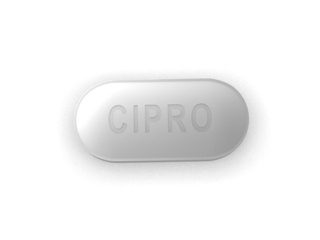


Cipro (Ciprofloxacin) — Patient Information (Australia)
Cipro is the brand name of ciprofloxacin, a broad-spectrum antibiotic medicine used to treat a range of bacterial infections. This page explains what Cipro is, how it works, how it behaves in the body, and important safety and practical tips to help you use it correctly.
Important: Antibiotics such as Cipro only work against bacteria, not viruses (like common colds or most flu). If you have symptoms that may be serious, seek medical advice promptly.
1) Basic product information
- Medicine name: Ciprofloxacin
- Brand: Cipro
- Class: Fluoroquinolone antibiotic
- How it’s taken: Usually tablets or oral liquid; some settings may use intravenous forms (varies by product and availability).
- Common strengths: Depend on the specific product (ask your pharmacist to confirm).
- Who it’s for: Used in adults and some children for specific infections, depending on clinical assessment.
Availability and exact product formats (e.g., tablet strengths) can vary by supplier and state in Australia. Always check the packaging and the dispensing label.
2) How Cipro works (mechanism of action)
Cipro is a fluoroquinolone antibiotic. It works by interfering with essential bacterial enzymes:
- DNA gyrase (topoisomerase II)
- Topoisomerase IV
By inhibiting these enzymes, ciprofloxacin prevents bacteria from copying and repairing their DNA, leading to bacterial death. It is generally considered bactericidal (it kills bacteria rather than merely slowing their growth).
3) Pharmacokinetics (how your body handles it)
Pharmacokinetics describes how the medicine is absorbed, distributed, metabolised, and eliminated. While individual results vary, the main points for ciprofloxacin are:
- Absorption: Ciprofloxacin is absorbed after oral dosing. Food can affect absorption for some people, so take it as directed on your label.
- Distribution: It spreads into various tissues and fluids, including many sites where infections occur.
- Metabolism: Part of the drug is metabolised, though a significant portion remains active.
- Elimination: Ciprofloxacin is mainly cleared by the kidneys. Kidney function can strongly influence dosing needs.
- Half-life: The time it takes for blood levels to reduce by about half can vary between individuals and with kidney function.
If you have kidney disease or reduced kidney function, your prescriber may need to adjust your dose and/or dosing frequency. Let your healthcare professional know about any kidney problems.
4) Typical uses and indications
Cipro may be used to treat bacterial infections caused by susceptible organisms. It is commonly considered for infections involving certain Gram-negative bacteria.
Examples of situations where ciprofloxacin may be used include:
- Urinary tract infections (UTIs) including some complicated UTIs
- Prostatitis (bacterial prostate infection)
- Respiratory tract infections in selected cases
- Skin and soft tissue infections (depending on cause and susceptibility)
- Bone and joint infections in certain circumstances
- Gastrointestinal infections (e.g., travellers’ diarrhoea or infectious diarrhoea caused by susceptible bacteria), where appropriate
- Some infections after certain procedures, when the organism is known or strongly suspected to be susceptible
The exact choice of antibiotic should be guided by the infection type, likely bacteria, local resistance patterns, and—when available—culture and sensitivity results.
5) Dosing: general guidance for adults
Dosing varies by infection type, severity, kidney function, and local guidance. Always follow the directions on your dispensing label. Below is general information to help you understand typical regimens.
Common dosing patterns (adult guidance)
- Typical intervals: often twice daily (e.g., morning and evening) or sometimes more frequently depending on the condition.
- Duration: ranges from a few days to longer courses for certain infections. Completing the full course is important unless advised otherwise.
Kidney function and dose adjustment
Because ciprofloxacin is cleared primarily by the kidneys, doses may be adjusted for people with reduced kidney function. If you have chronic kidney disease or have ever been told your “eGFR” or creatinine is abnormal, discuss this with your pharmacist.
Missed dose
If you miss a dose, take it as soon as you remember. If it is near the time for your next dose, skip the missed dose. Do not take a double dose to make up for the missed one.
6) Timing: when and how to take Cipro
How you take ciprofloxacin can affect absorption and effectiveness. Pay close attention to the instructions on the label and the interactions section below.
General timing tips
- Take at evenly spaced times: If prescribed twice daily, aim for roughly 12 hours apart.
- Hydrate: Drink water regularly during your course (unless you’ve been told to restrict fluids).
- Finish the course: Even if you feel better, bacterial infections may not be fully eradicated.
Can you take it with food?
Ciprofloxacin can sometimes be taken with food if it helps reduce stomach upset. However, some foods and supplements can interfere with absorption (see next section).
7) Food interactions (what to avoid)
Certain foods and supplements can reduce ciprofloxacin absorption, especially those containing multivalent cations such as:
- Calcium (including dairy products and calcium-fortified drinks)
- Magnesium (often in some supplements)
- Aluminium (often in antacids)
- Iron
- Zinc
To minimise interaction, it’s commonly recommended to separate ciprofloxacin from products containing these minerals. Your pharmacist can advise the best timing for your specific medicines.
Practical spacing examples
- Antacids (e.g., containing aluminium/magnesium): separate by several hours (exact timing depends on product—check with your pharmacist).
- Iron supplements and zinc supplements: separate by several hours.
- Calcium-rich foods: if they cause issues, taking ciprofloxacin away from heavy dairy meals may help.
Do not stop any essential supplements without professional advice. If you use ongoing mineral supplements, ask your pharmacist for a personalised schedule.
8) Alcohol and medicine interactions
Alcohol
While moderate alcohol may not directly “cancel out” ciprofloxacin, it can worsen side effects such as:
- nausea and stomach upset
- dizziness or headache
- sleep disturbance
For best comfort and recovery, it’s generally advised to avoid or limit alcohol while taking antibiotics, especially if you feel unwell.
Other medicine interactions
Ciprofloxacin can interact with several medicines. Tell your pharmacist about all medicines you use, including:
- prescription medicines
- over-the-counter products
- herbal supplements
- vitamins and mineral supplements
Examples of important interaction groups include:
- Antacids and mineral supplements (calcium, magnesium, aluminium, iron, zinc): may reduce absorption.
- Warfarin or other anticoagulants: antibiotics can affect bleeding risk; monitoring may be required.
- Medicines that affect heart rhythm (QT prolongation): fluoroquinolones can affect cardiac electrical activity in some circumstances.
- Theophylline (in some people): levels may increase.
- Caffeine: ciprofloxacin can reduce caffeine clearance, potentially increasing caffeine side effects.
- Diabetes medicines (insulin and certain tablets): rare blood sugar disturbances have been reported with fluoroquinolones.
- Corticosteroids: combined use has been associated with an increased risk of tendon problems in some patients.
This is not a complete list. Your pharmacist can check interactions using your medication list.
9) Safety profile: important warnings and side effects
Like all medicines, ciprofloxacin can cause side effects. Many people experience no or mild effects, but it’s important to know what to watch for.
Common side effects
- Nausea
- diarrhoea
- stomach discomfort
- headache
- dizziness
- taste changes (sometimes)
Less common but serious side effects (seek urgent help)
- Allergic reaction: swelling of face/lips, rash/hives, wheezing, trouble breathing.
- Severe or persistent diarrhoea (especially watery or bloody stools) or diarrhoea with fever or abdominal pain.
- Tendon pain or injury (e.g., Achilles pain, swelling, difficulty walking). Stop the medicine and seek medical advice urgently if this occurs.
- Nerve-related symptoms such as tingling, numbness, burning pain, or weakness.
- Severe dizziness, confusion, hallucinations, or seizures.
- Unusual bruising or bleeding (especially if taking anticoagulants).
- Heart-related symptoms (palpitations, fainting) or severe chest discomfort.
If you experience any serious symptoms, seek medical attention immediately and contact a healthcare provider for advice.
Risk factors to discuss with a clinician
Some groups may have a higher risk of adverse effects from fluoroquinolones, including:
- older age
- existing tendon disorders
- history of tendon injury related to quinolone use
- concurrent corticosteroid therapy
- known heart rhythm conditions
- known neurological conditions
- people with diabetes or blood sugar problems
- kidney impairment
10) Practical use tips (to get the best result)
- Take exactly as directed on your label, including how often and for how long.
- Complete the full course to reduce the risk of relapse and resistance.
- Don’t share antibiotics with others or save them for later.
- Stay hydrated and follow any fluid instructions from your clinician.
- Sun sensitivity: some people become more sensitive to sunlight while on antibiotics. Use sun protection if you’re outdoors.
- Track side effects: note new symptoms and contact a pharmacist/doctor if you’re concerned.
- Blood sugar monitoring: if you have diabetes, monitor glucose more closely and watch for symptoms of hypo- or hyperglycaemia.
Driving and machinery
Ciprofloxacin can cause dizziness or headache in some people. Avoid driving or operating machinery if you feel unwell or not fully alert.
11) Alternative options
The “best” antibiotic depends on the infection site, likely bacteria, resistance patterns, and your medical history. If ciprofloxacin is not suitable, clinicians may consider alternatives such as:
| Infection type (examples) | Possible alternative antibiotics (examples) | Notes |
|---|---|---|
| Urinary tract infections (UTIs) | Nitrofurantoin (for certain uncomplicated UTIs), trimethoprim/sulfamethoxazole, amoxicillin-clavulanate (varies) | Selection depends on kidney function, local resistance, and bacteria susceptibility. |
| Respiratory infections (selected cases) | Amoxicillin, doxycycline, macrolides (e.g., azithromycin) depending on cause | Many respiratory infections are viral; antibiotics are only helpful when bacterial infection is likely. |
| Bone/joint or complicated infections | Different targeted regimens may be used (often guided by cultures) | Longer courses may be required; specialist input is common. |
| Gastrointestinal bacterial infections | Often supportive care; in some cases other antibiotics may be considered | Choice depends on travel history, stool testing, and severity. |
Your pharmacist or clinician can help explain which alternatives might be appropriate for your situation. If you’ve taken ciprofloxacin before and it didn’t help, this may indicate resistance or an alternative diagnosis.
12) Market and legal context in Australia
In Australia, antibiotics are regulated medicines. Antibiotic availability and prescribing requirements are managed through Australia’s healthcare system to help reduce inappropriate antibiotic use and antimicrobial resistance.
Pharmacy supply may require clinical assessment depending on the product and patient circumstances. Policies can vary by supplier and state-based services, and additional requirements may apply for certain antibiotic courses or patient groups.
Your local pharmacy team can advise what documentation or clinical checks are required for supply.
13) Recent guidance and antimicrobial stewardship
Across Australia, healthcare guidance emphasises appropriate antibiotic selection, right duration, and avoiding unnecessary antibiotic use. This helps:
- reduce side effects
- minimise antibiotic resistance
- improve treatment outcomes
Fluoroquinolones such as ciprofloxacin are effective in many bacterial infections, but healthcare professionals may reserve them for cases where benefits outweigh risks, especially when other options are suitable. This is part of antimicrobial stewardship.
14) Delivery and availability (online pharmacy Australia)
Availability of Cipro can vary by brand format (e.g., tablet strengths) and supply. Online pharmacies in Australia may deliver to eligible addresses depending on state, courier availability, and dispensing requirements.
- Stock status: may change—check the product page for current availability.
- Delivery times: vary by location and shipping method.
- Packaging: medicines are typically dispensed in pharmacy-provided containers with a labelled dose schedule.
- Tracking: many deliveries include tracking updates.
If you’re running low on time or need the medicine urgently, contact the pharmacy to confirm dispatch cut-off times and expected delivery.
15) FAQ
How long does it take for Cipro to work?
Many people start to feel some improvement within 24 to 48 hours, depending on the infection and severity. If symptoms are not improving after this time—or worsen—contact a healthcare professional for advice.
Can I stop Cipro early if I feel better?
It’s usually important to finish the full course to ensure the infection is fully treated. Don’t stop early unless a healthcare professional tells you to.
What if I forget a dose?
Take it when you remember unless it’s close to your next dose. Don’t take a double dose. If you’re unsure, ask your pharmacist.
Should I avoid dairy or calcium?
Dairy and calcium-containing supplements can interfere with absorption. If you take calcium-rich foods or supplements, separate them from ciprofloxacin by the spacing recommended by your pharmacist. Light food may be acceptable, but heavy mineral intake close to your dose may reduce effectiveness.
Is it safe to take Cipro with antacids?
Some antacids contain aluminium or magnesium and can reduce absorption. You typically need to separate doses by several hours. Your pharmacist can advise the best timing for your specific antacid.
Can I drink alcohol while on Cipro?
It’s generally best to limit or avoid alcohol during treatment to reduce the risk of worsening side effects such as nausea, dizziness, and poor sleep. If you choose to drink, keep it moderate and monitor how you feel.
What should I do if I get tendon pain?
Stop and seek prompt medical advice if you develop tendon pain, swelling, or trouble walking. Fluoroquinolones have been linked to tendon injury in some cases.
Are there any conditions where Cipro might not be suitable?
Cipro may not be suitable or may require extra caution if you have a history of tendon injury, certain heart rhythm problems, neurological conditions, significant kidney impairment, or a known allergy to quinolones/fluoroquinolones. Discuss your medical history with your pharmacist or clinician.
What if I’m pregnant or breastfeeding?
Safety in pregnancy and breastfeeding depends on the situation and available alternatives. Please seek tailored advice from a healthcare professional before using ciprofloxacin.
Does Cipro treat viral infections like colds?
No. Cipro is an antibiotic and won’t treat viruses. If your symptoms suggest a viral illness, antibiotic use is usually not helpful.
How should I store Cipro?
Store as directed on the packaging (typically at room temperature, protect from moisture and heat). Keep medicines out of reach of children.
Summary
Cipro (ciprofloxacin) is a fluoroquinolone antibiotic used to treat specific bacterial infections. It works by disrupting bacterial DNA processes and is cleared largely by the kidneys. For best results and reduced risk of complications, take it exactly as directed, pay attention to food and mineral interactions, avoid unnecessary alcohol, and seek urgent help for serious side effects such as tendon injury, severe diarrhoea, or allergic reactions.