

Ceftin (Cefuroxime) — Patient-Friendly Guide (Australia)
Ceftin is a brand of cefuroxime, an antibiotic medicine used to treat certain bacterial infections. This guide explains how Ceftin works, when it’s used, how it’s taken, possible side effects, and practical tips for safer use in Australia. Please note that antibiotics are only effective against bacterial infections—so they won’t treat colds, flu, or most sore throats caused by viruses.
1) Basic product information
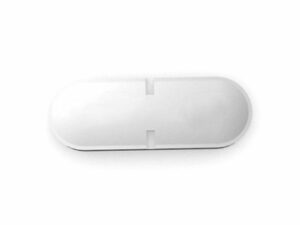
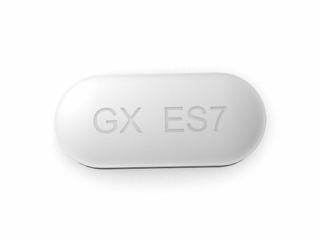
In Australia, Ceftin contains the antibiotic cefuroxime. Depending on the formulation available, Ceftin may be supplied as:
- Oral tablets (commonly 250 mg and 500 mg strengths)
- Oral suspension for children or people who need liquid dosing (strengths may vary by product)
Common points you may see on packaging or labels include:
- Active ingredient: Cefuroxime
- Antibiotic class: Cephalosporin (second generation)
- How it’s used: Taken by mouth for certain infections
If you’re unsure which Ceftin formulation you have, check your label or ask your pharmacist.
2) How Ceftin works (mechanism of action)
Cefuroxime is a beta-lactam antibiotic. It works by interfering with how bacteria build and maintain their cell walls. Specifically, it binds to bacterial proteins involved in cell-wall formation, leading to:
- Weakened bacterial cell walls
- Increased bacterial death (bactericidal effect)
Cefuroxime is active against many common bacteria that cause infections such as respiratory tract infections, urinary tract infections, and skin/soft tissue infections, depending on local resistance patterns and the specific diagnosis.
3) Pharmacokinetics: how your body handles cefuroxime
While exact values can vary by person and formulation, the general pharmacokinetic behaviour of cefuroxime includes:
- Absorption: Cefuroxime is absorbed after oral dosing. Food can influence absorption, particularly for some formulations.
- Distribution: It distributes through body tissues, including sites relevant to common infections.
- Metabolism: Cefuroxime is not extensively metabolised.
- Excretion: It is primarily cleared by the kidneys. If kidney function is reduced, your prescriber may adjust the dose and/or dosing frequency.
Why this matters: Kidney health affects how quickly the medicine leaves your body. Taking cefuroxime regularly helps maintain effective levels during the course.
4) Typical use in Australia
Ceftin is used to treat infections where cefuroxime is likely to be effective. Typical infection types include:
- Ear, nose, and throat (ENT) infections: e.g., bacterial otitis media (middle ear infection) and some sinus-related infections
- Respiratory tract infections: e.g., bronchitis exacerbations and certain forms of pneumonia
- Urinary tract infections (UTIs): including uncomplicated cases, depending on symptoms and culture results
- Skin and soft tissue infections: such as some cases of cellulitis or infected wounds
- Other bacterial infections: as determined by a clinician and local guidelines
The exact choice of antibiotic depends on:
- The suspected or confirmed bacteria
- Severity of illness and site of infection
- Local antibiotic resistance patterns
- Your allergy history and prior antibiotic use
- Kidney function
5) Timing: when and how to take Ceftin
For most people, cefuroxime is taken at regular intervals to keep antibiotic levels steady in the bloodstream. Follow the directions on your label or the instructions provided by your healthcare professional.
Common dosing schedules
Many cefuroxime regimens are prescribed as either:
- Twice daily (about every 12 hours), or
- Three times daily in some situations
- Once daily may apply to certain formulations or specific regimens in some protocols
How to improve adherence
- Choose a daily routine (e.g., breakfast and dinner) that matches your dosing schedule.
- Use a phone alarm or pill organiser.
- Try not to miss doses—if you do, take the missed dose when remembered unless it’s close to the next dose.
- Complete the full course unless your clinician advises stopping.
Important: If your symptoms start improving after a few doses, you should not stop early—bacteria can survive and cause the infection to return.
6) Food interactions: can you take Ceftin with meals?
Food can affect the absorption of some antibiotic formulations. As a general practical guide:
- If your product label or pharmacist instructions say to take with food, do so.
- If you are unsure, taking cefuroxime with food is often helpful for tolerability (for example, reducing stomach upset), but it is best to follow the specific directions for your Ceftin formulation.
Tip: If you consistently take it at the same time relative to meals, you’ll maintain more predictable absorption.
7) Alcohol and medicine interactions
Alcohol
In most patients, moderate alcohol is not known to directly “cancel out” cefuroxime. However, alcohol may worsen side effects such as:
- Nausea or stomach irritation
- Dizziness
- Diarrhoea
To support recovery and reduce the chance of gastrointestinal upset, it’s generally wise to limit alcohol while you’re unwell and taking an antibiotic. If you have liver disease or feel significantly unwell, avoid alcohol and seek advice.
Other medicine interactions
Antibiotic interactions can vary by the patient and other medications. Tell your pharmacist if you take:
- Anticoagulants (blood thinners) such as warfarin or similar medicines
- Probenecid (used for gout)
- Kidney-affecting medicines or those requiring dose adjustment in renal impairment
- Oral contraceptives (see note below)
- Other antibiotics or medicines that may affect gut bacteria
Warfarin/blood thinners: Cephalosporins may affect gut flora and vitamin K balance, which in some cases can influence INR. If you take warfarin or a similar anticoagulant, you may need closer monitoring.
Oral contraceptives: Most antibiotics (including cefuroxime) are not proven to reliably reduce contraceptive effectiveness. However, if you develop vomiting or severe diarrhoea, absorption may be reduced—use additional contraception during the illness and for a short period after, as advised by your pharmacist.
8) Indications: when Ceftin may be prescribed
“Indications” means the medical conditions for which cefuroxime is used. Common categories include:
- Bacterial infections of the ear, nose, and throat (e.g., some cases of bacterial otitis media and sinus-related infections)
- Lower respiratory tract infections (e.g., bacterial bronchitis or pneumonia as appropriate)
- Urinary tract infections (based on clinical assessment and/or culture results)
- Skin and soft tissue infections
- Other susceptible bacterial infections as determined by clinical evaluation
Whether cefuroxime is the best choice depends on the likely bacteria and whether resistance is expected. When possible, clinicians consider local guidelines and sometimes culture/susceptibility results.
9) Dosing: general guidance (individualised)
Dosing is individualised based on:
- Your age and weight (especially for children)
- The infection type and severity
- Kidney function
- Allergies and past antibiotic exposure
Because dosing can differ between adults and children, and between formulations, this guide provides general information rather than exact prescriptions. Always follow your medicine label or instructions from your healthcare professional.
Practical dosing tips
- Take as directed and at consistent intervals.
- Don’t double up if you miss a dose—seek advice if unsure.
- Renal impairment: Dose adjustments are often required. If you have kidney disease, confirm your dose and schedule with your pharmacist.
- Children: Use the correct measuring device for suspension (if supplied). Shake well if instructed.
10) Safety profile: what to expect and when to seek help
Like all medicines, Ceftin can cause side effects. Many are mild and improve as your body adjusts, but some require urgent attention.
Common side effects
- Diarrhoea (mild gastrointestinal upset)
- Nausea
- Abdominal discomfort
- Headache
- Vaginal thrush or other fungal overgrowth in some cases
Less common but important risks
- Allergic reactions (from mild rash to severe reactions)
- Severe diarrhoea that is persistent or watery (rarely, antibiotic-associated colitis)
- Bruising or bleeding changes (especially if you take anticoagulants)
- Skin reactions (including rare severe reactions)
Seek urgent medical help if you experience
- Swelling of the face/lips/tongue or trouble breathing
- Severe rash, blistering, or peeling skin
- Severe or persistent diarrhoea, especially with fever or blood/mucus
- Signs of dehydration (dizziness, very low urine output)
Allergy precautions
People with a history of allergy to cephalosporins should generally avoid cefuroxime. Caution is also advised in those with a history of severe penicillin allergy, because some individuals may have cross-reactivity. If you’ve had allergic reactions to beta-lactam antibiotics before, inform your pharmacist or clinician.
11) Practical use tips for safer recovery
- Hydrate: Drink plenty of fluids, especially if you experience mild diarrhoea or nausea.
- Take the full course: Even if you feel better, finishing the course helps prevent relapse and resistance.
- Use supportive care: Warm fluids, rest, and pain/fever relief may help symptoms while the antibiotic works (choose medicines that are safe for you).
- Watch for diarrhoea: If diarrhoea becomes severe, seek advice early.
- Keep track of missed doses: If you frequently miss doses, talk to your pharmacist—there may be an easier regimen.
- Storage: Store tablets or suspension as directed on the label. Keep out of reach of children.
12) Alternative options
The “best” alternative depends on the infection, likely bacteria, local resistance, allergies, and kidney function. Alternative antibiotics may include other beta-lactams, macrolides, or other classes used in specific scenarios.
In practice, your options may include:
- Other cephalosporins (for patients where this class is suitable)
- Penicillin-group antibiotics when appropriate and safe for your allergy history
- Macrolides (used for certain respiratory infections or penicillin alternatives)
- Other antibiotic classes depending on culture results and clinical judgement
If you’re concerned about side effects, lack of improvement, or antibiotic choice, speak with a healthcare professional. Sometimes the bacteria may not be susceptible, or another diagnosis may be present.
13) Market and legal context in Australia
In Australia, antibiotics such as cefuroxime are regulated medicines. Access generally occurs through appropriate healthcare channels, and supply may be subject to prescription requirements and pharmacy controls depending on the product and time.
Online pharmacies in Australia typically follow Australian pharmacy and medicine supply rules, including:
- Verifying your identity and supply details
- Ensuring the correct medicine and dosage form are provided
- Providing appropriate product information and safety guidance
- Referring to a pharmacist for advice when needed
Product availability can change based on supplier stock, government listings, and pharmacy distribution arrangements. Always check your local pharmacy’s service details for the most accurate information.
14) Recent guidance and antimicrobial stewardship (what matters now)
Australia, like many countries, emphasises antimicrobial stewardship: using antibiotics only when needed, choosing the most appropriate option, and avoiding unnecessary courses. Key practical implications include:
- Use antibiotics only for suspected or confirmed bacterial infections.
- Do not share antibiotics or use leftover medicines.
- Seek review if not improving: if symptoms don’t start improving within the expected timeframe, contact a clinician for reassessment.
- Complete the course as advised to reduce relapse and resistance.
If you have recurrent infections, chronic conditions, or recent antibiotic use, it may be important for your clinician to consider cultures or alternative causes.
15) Delivery, availability, and ordering tips (Australia)
Availability of Ceftin may vary depending on:
- Current pharmacy stock
- Whether tablets or suspension are required
- Dose strength (e.g., 250 mg vs 500 mg)
When ordering online in Australia, you can usually expect:
- Estimated delivery times displayed at checkout (depending on location)
- Secure packaging to protect tablets and labels
- Tracking information if your order is shipped
Practical tip: If you need the medicine urgently, consider ordering early and confirming delivery options before the course begins. If you’re unable to obtain it quickly, contact your pharmacist for advice on alternatives or interim management.
16) FAQ
Can I take Ceftin with food?
Often cefuroxime can be taken with food to improve tolerability, but the best advice depends on the specific product and instructions on your label. Follow your medicine directions, and if unsure, ask your pharmacist.
What should I do if I miss a dose?
If you miss a dose, take it when you remember unless it’s close to the next dose. Do not take two doses at once to make up for a missed dose. If you’re unsure, contact your pharmacist for guidance.
How long does it take to start working?
Many people begin to feel some improvement within 24–48 hours, depending on the infection and severity. If there is no improvement or you worsen, seek medical advice for review.
Will Ceftin treat viral infections like colds?
No. Ceftin is an antibiotic that works against bacteria, not viruses. Using antibiotics for viral illnesses can cause side effects and contribute to antibiotic resistance.
Is Ceftin safe for children?
Cefuroxime may be used in children for appropriate bacterial infections, but dosing is weight- and age-dependent and should follow product-specific instructions. Use the correct measuring device for liquid medicines.
Can I drink alcohol while taking Ceftin?
Moderate alcohol is not usually known to directly interact with cefuroxime, but it can worsen nausea, stomach upset, and diarrhoea. For best tolerance and recovery, consider avoiding or limiting alcohol while you’re unwell.
What if I’m allergic to penicillin?
People with penicillin allergy may still be able to take cefuroxime in some cases, but caution is important—especially if you’ve had severe reactions. Tell your pharmacist about your allergy history before starting.
How should I store Ceftin?
Store the medicine as directed on the pack (typically at room temperature for tablets, and refrigerated if specified for suspension). Keep out of reach of children and protect from moisture and excessive heat.
What should I do if I get severe diarrhoea?
Stop and seek urgent medical advice if you develop severe, persistent, or bloody/watery diarrhoea—particularly if accompanied by fever or abdominal pain. This can be a rare complication associated with antibiotics.
Summary
Ceftin (cefuroxime) is a second-generation cephalosporin antibiotic used to treat certain bacterial infections in Australia. It works by disrupting bacterial cell wall formation. Like other antibiotics, it may cause gastrointestinal side effects and carries allergy risks. For best outcomes, take it at the correct times, follow food instructions provided for your specific product, limit alcohol if it worsens stomach symptoms, and seek medical advice if symptoms don’t improve or if you experience severe side effects.
Disclaimer: This information is provided for general guidance. Always follow the instructions on your medicine label and seek professional advice for personalised recommendations, especially if you have kidney disease, known allergies, are taking anticoagulants, or are treating children.