Norfloxacin (Norfloxacin Tablets) – Patient-Friendly Guide (Australia)
Norfloxacin is an antibacterial medicine from the fluoroquinolone group. It is used to treat certain bacterial infections, typically when the likely bacteria are susceptible. This guide explains how norfloxacin works, how it behaves in the body, typical uses and timing, food and alcohol considerations, important interactions, dosing principles, safety information, practical tips, and commonly asked questions relevant to people in Australia.
Please read this information carefully and follow the instructions provided with your product. If you are unsure whether norfloxacin is suitable for you, speak with a pharmacist or doctor.
Basic product information
- Medicine name: Norfloxacin
- Medicine type: Antibiotic (fluoroquinolone)
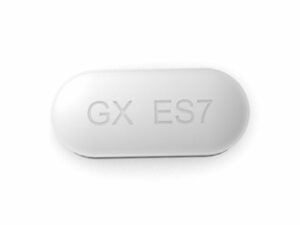
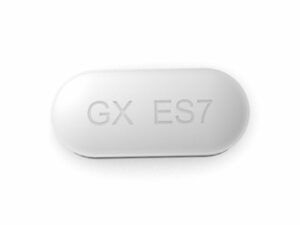
- Common form: Oral tablets
- How it’s used: For selected bacterial infections
- Availability: Typically supplied through pharmacy supply channels in Australia, depending on local stock and product listing
Brand names can vary. Your pharmacist can confirm the exact product and strength you have.
How norfloxacin works (mechanism of action)
Norfloxacin targets bacterial enzymes that are essential for bacterial DNA replication and repair. Specifically, it inhibits:
- DNA gyrase (a key enzyme for DNA supercoiling)
- Topoisomerase IV (important for separating replicated DNA strands)
By disrupting these processes, norfloxacin interferes with bacterial growth and helps kill susceptible bacteria. Effectiveness depends on the infection type, the likely bacteria, and the level of antibiotic susceptibility.
Pharmacokinetics (what the body does to norfloxacin)
“Pharmacokinetics” describes how the body absorbs, distributes, metabolises, and eliminates a medicine.
- Absorption: Norfloxacin is absorbed after oral administration, though absorption can be affected by food and minerals.
- Distribution: It distributes into body tissues and fluids; it is particularly used for certain urinary tract infections due to high urinary concentrations.
- Metabolism: Only a portion of the dose is metabolised; much of the active drug is eliminated by the kidneys.
- Elimination: Predominantly excreted in urine (renal excretion), which is relevant for urinary tract indications.
- Half-life: The time it takes for the body level to reduce by half can vary between individuals; your product information provides exact details.
Your dosing schedule is designed to maintain effective levels against bacteria while minimising side effects.
Typical uses (indications)
Norfloxacin is used to treat specific bacterial infections where it is an appropriate choice. Common categories include:
- Uncomplicated urinary tract infections (such as bladder infections) caused by susceptible bacteria
- Prostatitis (inflammation/infection of the prostate) when recommended by a clinician and the suspected organisms are susceptible
- Certain gastrointestinal infections in selected situations where fluoroquinolones are appropriate
- Other targeted infections where a healthcare professional has determined that norfloxacin is suitable
Not all infections are suitable for norfloxacin. Antibiotics won’t help viral infections such as colds or influenza.
Australian clinical practice also considers local resistance patterns and current antibiotic stewardship guidance. Your prescriber may recommend an alternative antibiotic depending on the infection and susceptibility results (if available).
Timing and how to take norfloxacin
Correct timing helps maintain effective antibacterial levels.
- Take at evenly spaced times across the day (e.g., twice daily or as directed by your dose schedule).
- Swallow tablets whole with water.
- Complete the course unless your clinician advises stopping early.
- If you miss a dose: Take it when you remember if it is close to the next dose time. If the next dose is near, skip the missed dose—do not take a double dose.
If your product label specifies special instructions (for example, relation to meals or mineral intake), follow those exactly.
Food interactions and what to avoid
Norfloxacin absorption and effectiveness can be influenced by certain foods and minerals. Pay particular attention to dairy, antacids, and mineral supplements.
Minerals that may reduce absorption
Norfloxacin can bind with:
- Iron
- Zinc
- Magnesium
- Aluminium
- Calcium (including dairy products and supplements)
This may reduce norfloxacin levels in the body and make it less effective.
Practical food and meal guidance
- Dairy products: Try to avoid taking norfloxacin at the same time as milk, yoghurt, cheese, or calcium-enriched drinks. A pharmacist can advise a suitable separation time.
- Antacids: Do not take antacids containing aluminium or magnesium close to norfloxacin.
- Iron supplements: Avoid taking iron at the same time.
- Multivitamins: Check whether they contain minerals (especially iron, zinc, magnesium, or calcium) and separate dosing if necessary.
When separation is recommended, a common approach is to take norfloxacin either at least a few hours before or after mineral-containing products. Confirm the exact timing with your pharmacist for your specific regimen.
Alcohol and medicine interactions
Alcohol
While a small amount of alcohol may not directly “cancel out” norfloxacin, alcohol can worsen side effects such as dizziness, nausea, stomach upset, or fatigue. For the safest approach during treatment, it’s best to:
- Limit alcohol, and
- Avoid alcohol if you notice increased side effects.
Other important medicine interactions
Norfloxacin can interact with several medicines. Below are key interaction themes to discuss with your pharmacist:
| Medicine category | Why it matters | Typical action |
|---|---|---|
| Antacids and mineral supplements (aluminium, magnesium, iron, zinc, calcium) | Can reduce norfloxacin absorption | Separate doses; ask your pharmacist for timing |
| Warfarin or other blood thinners | May increase bleeding risk in some people | Extra monitoring may be needed |
| Anti-arrhythmics and QT-prolonging medicines | May increase risk of abnormal heart rhythm | Risk assessment and possible alternatives |
| Corticosteroids (e.g., prednisolone) | May increase risk of tendon injury | Close caution; discuss benefits vs risks |
| Diabetes medicines (especially insulin or sulfonylureas) | Fluoroquinolones can affect blood glucose | More frequent glucose monitoring may be needed |
| Non-steroidal anti-inflammatory drugs (NSAIDs) | May increase risk of nervous system effects in some cases | Use caution and report side effects promptly |
| Probenecid | Can alter renal handling of some antibiotics | Clinical advice required |
This is not a complete list. Always tell your pharmacist about:
- All prescription medicines
- All over-the-counter products (including antacids, vitamins, herbal supplements)
- Any recent or ongoing medical conditions
Important safety profile (what to watch for)
Like all antibiotics, norfloxacin can cause side effects. Most people tolerate treatment well, but some effects require prompt medical attention.
Common side effects
- Nausea
- Stomach upset or abdominal discomfort
- Diarrhoea
- Headache
- Dizziness
- Changes in taste
Serious or urgent side effects – seek help urgently
Contact a doctor urgently or seek emergency care if you develop:
- Tendon pain or swelling (especially Achilles tendon), or difficulty using a limb—stop the medicine and seek urgent advice
- Allergic reaction such as rash, swelling of face/lips, breathing difficulty, or severe hives
- Severe diarrhoea, especially if watery or bloody, or with fever (possible antibiotic-associated colitis)
- Signs of severe skin reactions such as blistering, peeling skin, mouth ulcers, or widespread rash
- Neurological symptoms such as confusion, hallucinations, tremor, seizures, or severe anxiety
- Unusual heart symptoms such as fainting, palpitations, or severe dizziness
- Severe mood changes or suicidal thoughts
Who should be extra cautious
- People with a history of tendon disorders or tendon injury
- People taking corticosteroids
- People with existing heart rhythm problems or risk factors for QT prolongation
- People with neurological conditions
- People with kidney impairment (dose adjustments may be necessary)
- People at risk of low blood sugar or taking glucose-lowering medicines
If you experience bothersome side effects, do not ignore them—speak with a pharmacist or doctor promptly.
Dosing overview (how dosing is typically determined)
Dosing depends on factors such as the infection being treated, kidney function, age, severity, and local antibiotic guidelines. The exact regimen you should use is the one provided with your product instructions.
General principles
- Follow the prescribed/label instructions exactly for dose and frequency.
- Kidney function matters: if you have reduced kidney function, your clinician may adjust the dose or dosing interval.
- Course length: the duration is chosen to treat the infection adequately. Stopping early may contribute to relapse and antibiotic resistance.
What to do if you have kidney impairment
Norfloxacin is eliminated mainly through the kidneys. If you have kidney disease, you should ensure your prescriber has your most recent kidney function information. Your dosing plan may differ.
Your pharmacist can also help you confirm that your dose is appropriate based on your current information.
Practical use tips for best results
- Hydrate: Drink adequate fluids unless you’ve been told to restrict fluids.
- Keep a consistent schedule: Try to take doses at regular intervals.
- Avoid mineral “clashes”: Separate norfloxacin from antacids and mineral supplements (iron, zinc, magnesium, aluminium, calcium) as advised.
- Don’t share antibiotics: Norfloxacin should only be used for the person and infection it was intended for.
- Monitor symptoms: If your symptoms are not improving after a few days (or worsen), contact a clinician.
- Watch for diarrhoea: If you develop significant diarrhoea during treatment, seek advice promptly.
- Protect yourself from tendon-related risk: Stop exercise and seek urgent advice if you feel tendon pain, swelling, or sudden weakness.
Alternative antibiotic options (and when they may be considered)
Antibiotic choice depends on the infection, suspected bacteria, resistance patterns, and patient factors (including allergies and kidney function). In urinary tract or other infections, clinicians may consider alternatives such as:
- Trimethoprim-sulfamethoxazole (co-trimoxazole)
- Nitrofurantoin (commonly for certain uncomplicated bladder infections)
- Amoxicillin/clavulanate
- Cefalexin (for selected bacterial infections)
- Other fluoroquinolones (depending on availability and susceptibility)
The suitability of alternatives depends heavily on local antimicrobial guidance and culture/susceptibility data where available. Your pharmacist can help discuss general options, but the best choice should be individualised by a clinician.
Market and legal context for Australia
In Australia, antibiotics are supplied under Australia’s medicines regulation framework and antimicrobial stewardship principles. Norfloxacin belongs to a class of antibiotics that are generally managed carefully to reduce unnecessary use, slow resistance development, and minimise adverse outcomes.
Availability may depend on:
- Local supply and listing status
- Strength and formulation
- Pharmacy stock levels and distribution channels
- Whether alternatives are preferred for certain infection types
Australian healthcare systems emphasise appropriate antibiotic selection, dosing, and course duration. This helps reduce adverse drug reactions and antibiotic resistance.
Recent guidance and stewardship considerations
Australia follows antimicrobial stewardship approaches across hospitals and primary care, with updated recommendations evolving based on resistance trends. Key stewardship themes that typically influence use of fluoroquinolones (including norfloxacin) include:
- Use only when appropriate for the specific infection and likely organisms
- Avoid unnecessary broad-spectrum antibiotic use
- Consider local resistance patterns
- Use the shortest effective duration to reduce side effects and resistance
- Escalate or adjust therapy if culture results or clinical response indicate change is needed
If you have previously taken fluoroquinolones, have medication allergies, or have recurrent infections, tell your clinician so they can choose the safest and most effective plan.
Delivery and availability (online pharmacy)
Our pharmacy may supply norfloxacin subject to availability from Australian distribution networks and stock on hand. Delivery timelines can vary depending on your location and whether the product is currently in stock.
- Stock status: Availability may change; check the product listing for real-time updates.
- Delivery: Typically dispatched within business days if in stock. Rural and remote areas may take longer.
- Tracking: Many deliveries include tracking information.
- Packaging: Medicines are normally dispatched in secure, tamper-evident packaging.
If you need delivery to a workplace, PO box, or require signature on delivery, please review the shipping options displayed at checkout or contact support.
FAQ about norfloxacin
1) What is norfloxacin used for?
Norfloxacin is used for certain bacterial infections, particularly some urinary tract infections and other specific infections when the bacteria are likely to be susceptible.
2) How quickly should I feel better?
Many people notice improvement within a few days, depending on the infection. If your symptoms do not improve or worsen, contact a healthcare professional.
3) Can I take norfloxacin with food?
Food can affect absorption. Because dairy and mineral-containing products may interfere, it’s often recommended to avoid taking norfloxacin at the same time as milk, yoghurt, calcium supplements, or antacids. Follow your product instructions and ask a pharmacist for personalised timing advice.
4) What should I avoid during treatment?
Common things to avoid or limit include:
- Dairy and mineral supplements taken too close to the dose
- Antacids with aluminium or magnesium near the dose
- Alcohol if it worsens side effects
- Intense exercise if you experience tendon pain or swelling
5) Can norfloxacin interact with other medicines?
Yes. Tell your pharmacist about all medicines and supplements, especially antacids/minerals, blood thinners (such as warfarin), diabetes medicines, corticosteroids, and any medicines that affect heart rhythm.
6) What if I miss a dose?
Take it when you remember if it’s not close to the next dose. Otherwise, skip it and continue your usual schedule. Do not take a double dose.
7) Is norfloxacin safe for everyone?
Not necessarily. People with certain medical conditions (including kidney impairment, tendon disorders, specific heart rhythm risks, or neurological conditions) may need extra caution or dose adjustment. Discuss your health history with a pharmacist or doctor.
8) What side effects are concerning?
Seek urgent help if you develop signs of allergy, severe diarrhoea (especially with blood), blistering rash, tendon pain/swelling, severe neurological symptoms, or fainting/palpitations.
9) Can I take vitamins or supplements while on norfloxacin?
Some supplements contain minerals that may reduce absorption (iron, zinc, magnesium, calcium). You can often still take them, but you may need to separate doses. Ask your pharmacist to confirm the safest timing for your specific products.
10) Are there alternatives to norfloxacin?
Yes—depending on the infection and your health situation, clinicians may use other antibiotics such as nitrofurantoin, trimethoprim-sulfamethoxazole, or beta-lactams. The best option depends on the likely bacteria and local resistance patterns.
Summary
Norfloxacin is an oral fluoroquinolone antibiotic used for specific bacterial infections, especially those where bacteria are likely to be susceptible. It works by inhibiting bacterial DNA processes and is eliminated largely through the kidneys, which is why it can be relevant for certain urinary infections. For best results, take doses at regular intervals, separate from mineral-containing products (including dairy and antacids), and complete the full course as directed. Be alert to potential side effects—particularly tendon pain, severe diarrhoea, allergic reactions, and neurological or heart rhythm symptoms—and seek urgent advice if they occur.
If you have questions about how to take norfloxacin safely with your other medications, or you’re concerned about side effects, a pharmacist can help you check interactions and timing.