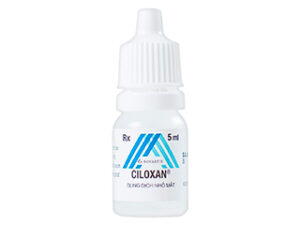

Ciprodex (Ciprofloxacin / Dexamethasone) – Patient Information (Australia)
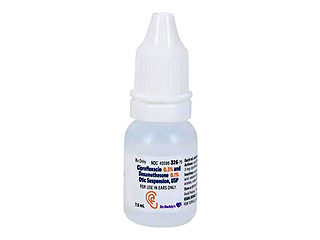
Ciprodex is an ear medicine that combines an antibiotic (ciprofloxacin) and a steroid anti-inflammatory medicine (dexamethasone). It is used to treat certain painful ear conditions where infection and inflammation occur together. This guide explains how Ciprodex works, what it’s used for, how it’s typically taken, and important safety information for people in Australia.
Quick facts
- Medicines in the product: Ciprofloxacin (antibiotic) + Dexamethasone (corticosteroid)
- Where it’s used: Usually in the ear (otic use)
- Helps with: Bacterial infection in the ear plus swelling and inflammation
- Common goal: Reduce pain, redness, swelling, discharge, and improve hearing comfort when affected
- How to use: Typically as ear drops, with instructions tailored by your clinician
Basic product information
Brand name: Ciprodex
Active ingredients: Ciprofloxacin + Dexamethasone
Form: Ear drops (otic solution)
Note: Product presentation (strength and concentration) should be confirmed on your specific pack. Always follow the directions provided with your bottle or by your healthcare professional.
How Ciprodex works (mechanism of action)
Ciprodex contains two medicines with complementary actions:
- Ciprofloxacin (antibiotic): Works by disrupting bacterial DNA replication. Specifically, it inhibits enzymes needed for DNA synthesis, leading to bacterial cell death. It has activity against many bacteria commonly involved in ear infections.
- Dexamethasone (steroid): Reduces inflammation by affecting inflammatory signalling pathways. This can help decrease swelling, redness, itching, and pain—symptoms that often worsen during ear infections.
Together, the combination helps treat both infection and inflammatory symptoms.
Pharmacokinetics (what the body does with it)
Ciprodex is used locally in the ear. Because it is applied to the ear canal, only small amounts may reach the bloodstream compared with medicines taken by mouth. However, absorption can still vary depending on factors such as:
- Condition of the ear tissues (e.g., inflammation)
- Presence of a perforated tympanic membrane (a hole in the eardrum)
- How the drops are administered (positioning, time kept in the ear)
In general:
- Local action is the main effect.
- Systemic absorption is typically low when used appropriately.
- Metabolism and elimination (for absorbed components) occur through the body’s usual pathways, such as liver processing and renal clearance. The overall clinical impact is usually limited with ear-local use.
If you have a known or suspected eardrum perforation, or if you are unsure, seek advice before use—this can affect safety considerations.
Typical uses in the ear
Ciprodex is used for conditions where bacterial infection and inflammation occur in the ear canal or middle ear space when treated with otic drops under clinical guidance. Common indications discussed in practice include:
- Otitis externa (swimmer’s ear) with inflammation and discharge
- Infections in the ear canal where steroid benefit is desired to reduce swelling and pain
- Selected cases of ear infections where a combination antibiotic + steroid approach is appropriate
Your clinician may choose Ciprodex when they suspect bacteria sensitive to ciprofloxacin and when inflammation is contributing significantly to symptoms.
Indications (who it’s for)
Ciprodex is generally intended for ear infections that are likely to involve bacteria and where there is also notable inflammation.
It is not appropriate for viral infections that do not involve bacterial involvement, and it should not be used for unrelated ear complaints (such as irritation from foreign bodies or ear wax blockage) without evaluation.
Important: If symptoms are severe, worsening, or you have ear pain with fever, facial weakness, significant dizziness/vertigo, blood or pus from the ear, or you wear ear tubes, it’s especially important to obtain medical assessment.
Dosing and timing (how to use Ciprodex)
Dosing can differ depending on the diagnosis, severity, and age. Always use the dose written on your bottle label or as instructed by your healthcare professional.
Common adult and older-child approach (general information):
- Typical frequency: Usually twice daily (morning and night)
- Typical duration: Often about 7 days, but can vary by condition
For many ear-drop medicines, effectiveness depends on using the drops consistently and for the full recommended period. If you stop early because symptoms improve, infection may not be fully cleared.
Step-by-step practical use tips
- Wash your hands before and after using the drops.
- Warm the bottle in your hand for a minute if the liquid feels cold (cold drops may trigger discomfort).
- Position: Tilt your head so the affected ear faces upward.
- Administer drops: Gently pull the outer ear to straighten the ear canal (direction varies slightly with age: adults generally pull back and up; children often pull back and down).
- Keep head tilted: Stay in position for a short period (commonly a few minutes) so drops can spread into the canal.
- Avoid contamination: Do not let the dropper tip touch the ear or skin.
- Repeat for the other ear only if advised.
If you wear hearing aids or earplugs: Remove them before applying drops. Ask your clinician when you can reinsert them.
What if you miss a dose?
If you miss a dose, take it as soon as you remember. If it is close to your next scheduled dose, skip the missed dose and return to your regular schedule. Do not use extra drops to make up for the missed dose.
How soon will it work? (timing expectations)
Many people notice symptom relief (less pain, less swelling, reduced discharge) within the first 1–3 days. However, infections can take longer to fully clear.
- If no improvement is seen within about 48–72 hours, or if symptoms worsen, seek medical advice.
- Complete the full course even if you feel better.
Food interactions
Ciprodex is an ear drop and is not taken with food in the usual way. As a result, food interactions are not typically expected.
However, general medication safety still matters. If you are taking other medicines, review all relevant interactions with your healthcare professional or pharmacist.
Alcohol and other medicine interactions
Alcohol
There is generally no direct alcohol interaction expected with ear drops used locally. Because systemic absorption is usually low, the risk of alcohol-related complications is typically minimal.
That said, if you are also taking other medicines (for example, pain relief or systemic antibiotics) or if you have other health conditions, it’s wise to consider the effects of alcohol on those medications.
Interactions with other medicines
Ciprodex contains ciprofloxacin and dexamethasone. When used as ear drops, significant drug interactions are less common, but it’s still important to inform your clinician or pharmacist about:
- Any other ear drops or ear treatments (especially those containing other antibiotics or steroids)
- Medicines you take for chronic conditions (e.g., blood thinners, diabetes medications)
- Recent use of antibiotics
If you use both Ciprodex and other ear drops, ask for guidance on spacing between treatments.
Safety profile and side effects
Most people tolerate Ciprodex well. As with any medicine, side effects can occur. Because this is a local ear treatment, many effects are related to the ear area.
Common side effects
- Temporary ear discomfort or burning/stinging sensation
- Itching in the ear canal
- Mild redness or irritation
- Dryness or change in ear sensation
Less common but important side effects
- Allergic reaction: rash, swelling (face/lips), trouble breathing
- Worsening symptoms despite treatment
- Severe irritation or persistent pain
When to seek urgent help
Contact emergency services or seek urgent medical advice if you develop signs of a serious allergic reaction (such as swelling of the face or lips, hives, or difficulty breathing).
Special precautions
- Eardrum perforation or ear tubes: Safety may differ. Always follow specialist advice.
- Fungal infection risk: Steroids can sometimes worsen fungal overgrowth in the ear. If symptoms don’t improve or new discharge develops, reassessment is important.
- Prolonged use: Using longer than recommended increases the chance of side effects and may allow non-susceptible organisms to grow.
- Children: Dosing and suitability should be confirmed with a clinician or pharmacist for the child’s age and condition.
- Pregnancy and breastfeeding: Discuss risks and benefits with your healthcare professional, especially if systemic absorption may be higher (for example, with a perforated eardrum).
Practical use tips to get the best results
- Keep the ear dry when advised: For otitis externa, avoiding water in the ear can reduce irritation and recurrence.
- Don’t insert objects into the ear: Avoid cotton buds, ear picks, or DIY ear irrigation, which can worsen inflammation or push infection deeper.
- Follow hygiene advice: If you have discharge, follow the clinician’s guidance on cleaning only the outer ear.
- Complete the course: Even when symptoms improve quickly, finish the full recommended duration unless your clinician tells you to stop.
- Check technique: Poor drop placement can reduce effectiveness. If you repeatedly miss doses or have difficulty administering, ask for demonstration.
- Watch for treatment failure: No improvement after a few days or rapid worsening should prompt reassessment.
Alternative options (what else may be used)
Alternative treatments depend on the underlying cause of the symptoms. Your clinician may consider:
- Antibiotic ear drops without steroid (if inflammation is mild or steroid use is not appropriate)
- Other combined antibiotic + steroid ear preparations depending on local availability and sensitivity patterns
- Antifungal ear drops if fungal otitis externa is suspected
- Ear cleaning (microsuction) or debridement if debris blocks medication delivery
- Systemic treatments in selected severe or complicated cases, especially with spread beyond the ear canal
The “best” alternative depends on your exam findings. If you are not improving with Ciprodex, the underlying diagnosis may need confirmation.
Market and legal context in Australia
In Australia, medicines are regulated under the Therapeutic Goods Administration (TGA). Ear drops containing antibiotics and corticosteroids are generally classified and supplied according to Australian scheduling and prescribing/dispensing requirements.
Availability may vary by:
- Your location and pharmacy stock
- Whether the product is stocked for immediate supply
- Individual suitability based on clinical history
Online pharmacies may provide access to medicines in line with Australian regulatory requirements and pharmacist oversight processes. Always check that you are ordering from a reputable Australian supplier.
Recent guidance and clinical considerations
Clinical management of ear infections continues to emphasise:
- Accurate diagnosis (to distinguish bacterial otitis externa from eardrum problems, wax blockage, eczema, or fungal infection)
- Appropriate antibiotic choice and use for the shortest effective duration
- Antibiotic stewardship (using antibiotics only when bacterial infection is likely)
- Reassessment if symptoms do not improve promptly
Local protocols may recommend ear canal cleaning or other measures to improve drop delivery and reduce resistance. Follow local advice from your healthcare professional and pharmacist.
Delivery and availability (online pharmacy information)
If available to you, Ciprodex may be supplied as a packaged product via online pharmacy services. Typical availability depends on stock levels and your delivery location.
- Processing time: Orders may be prepared on the same day or within 1–2 business days.
- Delivery: Delivery time varies by metro/regional location and courier service.
- Cold chain: Ear drops are typically stored at controlled room temperature; follow the pack instructions for storage.
- Storage: Keep out of reach of children, protect from excessive heat, and keep the bottle cap closed.
If you need it urgently, check the website delivery options or contact customer support to confirm dispatch timing.
Dosing summary table
| Aspect | Typical information |
|---|---|
| Medicine | Ciprofloxacin / Dexamethasone (otic drops) |
| How it’s used | Applied into the affected ear canal |
| Frequency | Often twice daily (morning and night) |
| Duration | Often around 7 days (may vary by condition) |
| Expected improvement | May improve in 1–3 days; reassess if not improving within 48–72 hours |
| Missed dose | Use when remembered unless near the next dose; don’t double up |
This table is for general guidance only. Your label instructions take priority.
Frequently Asked Questions (FAQ)
1) Can Ciprodex be used for ear pain without infection?
Ciprodex is designed for suspected or confirmed bacterial ear infection with inflammation. If ear pain is caused by wax, a foreign body, eczema, middle-ear pressure issues, or viral illness, Ciprodex may not help and could delay appropriate treatment. If symptoms are unclear, seek assessment.
2) How long should I use Ciprodex?
Many courses are around 7 days, but your clinician may adjust the duration. Use it for the full recommended course unless told otherwise.
3) What should I do if symptoms improve but I’m not finished the course?
Continue the drops for the full duration. Stopping early may lead to incomplete eradication of bacteria and recurrence.
4) Is it safe to use Ciprodex if I have an eardrum perforation or ear tubes?
These situations can change the risk profile. Don’t use the drops unless advised by a clinician who knows your ear history. If you’re unsure whether your eardrum is intact, ask a healthcare professional.
5) Will I be able to swim or get water in the ear while using Ciprodex?
Often, it’s recommended to keep the ear as dry as possible during treatment. Avoid swimming unless your clinician advises it. You may be given specific instructions for showering and water protection.
6) Can I use other ear drops at the same time?
Sometimes, but not always. Using multiple ear products together can reduce effectiveness or increase irritation. Ask your pharmacist for guidance on spacing and compatibility.
7) Are there any food or alcohol interactions?
Food interactions are not typically expected because Ciprodex is used in the ear. Direct alcohol interactions are generally not expected with ear drops; however, consider alcohol effects on any other medicines you may be taking.
8) What if I don’t feel better after a couple of days?
If there is no improvement within 48–72 hours, or if symptoms worsen, contact your healthcare professional. The diagnosis may need confirmation, the ear canal may require cleaning, or a different treatment may be needed.
9) What side effects are most likely?
The most common effects are local and temporary, such as mild burning/stinging, itching, or irritation in the ear.
10) Can Ciprodex affect hearing?
Temporary changes in hearing can occur due to swelling and discharge. As inflammation resolves, hearing usually improves. Seek advice if hearing significantly worsens or doesn’t improve after treatment.
Storage, handling, and product care
- Store according to the pack instructions (typically at controlled room temperature).
- Keep the cap closed to prevent contamination.
- Check expiry date and discard if expired or if the product is damaged.
- Do not share ear drops with others.
Important patient note
Ear symptoms can have many causes. Ciprodex is intended for appropriate bacterial ear infections with inflammation. If you have severe symptoms, worsening pain, fever, facial weakness, significant dizziness, or you are immunocompromised, arrange medical review promptly.
For personalised advice on suitability, dosing, and safety (including interactions with your other medicines), speak with a pharmacist or other qualified healthcare professional.