Macrobid (Nitrofurantoin Monohydrate) — Patient Guide (Australia)
Macrobid is a brand of nitrofurantoin monohydrate, an antibiotic used to treat certain bacterial infections of the bladder (urinary tract infections). This guide explains how it works, how to take it, what to expect, and important safety information—written for patients in Australia.
Always follow the advice provided by your healthcare professional and the information on the product label. If you have questions about your specific situation, speak with a pharmacist or prescriber.
1) Basic product information
- Medicine: Macrobid (nitrofurantoin monohydrate)
- Medicinal ingredient: Nitrofurantoin monohydrate (antibiotic)
- Class: Antibiotic for uncomplicated urinary tract infections
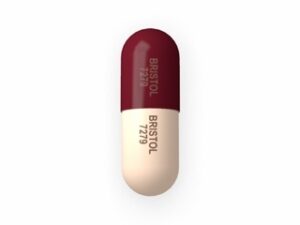
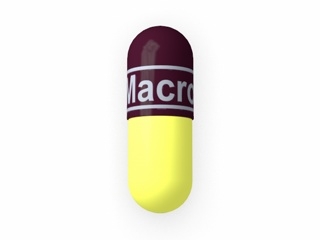
- Common formulation strengths: Often supplied as capsules containing nitrofurantoin monohydrate/macrocrystals (brands may vary by country). Check your pack.
- Where it works best: In the urine and bladder
In Australia, nitrofurantoin is available in multiple formulations and brands. Your pharmacist can confirm the exact product you have.
2) How Macrobid works (mechanism of action)
Nitrofurantoin is an antibiotic with a specific activity against many common causes of bladder infections. Once in the urinary tract, it is taken up and activated by bacterial enzymes.
Activated nitrofurantoin damages bacterial proteins and other essential cellular components, interfering with bacterial growth and survival. It is generally most effective against bacteria that cause lower urinary tract infections, such as Escherichia coli.
Because nitrofurantoin concentrates in urine, it is typically chosen for infections where the bacteria are confined to the bladder rather than spreading to the kidneys.
3) Pharmacokinetics (how the body handles it)
- Absorption: Nitrofurantoin is absorbed from the gastrointestinal tract. Taking it with food can improve absorption.
- Distribution: It achieves therapeutic levels in urine, which supports its use for bladder infections.
- Metabolism: It is partially metabolised in the body.
- Elimination: Mostly cleared via the kidneys into urine. Kidney function is important for effectiveness and safety.
- Key point: Reduced kidney function may lead to lower urinary levels (reduced effectiveness) and increased risk of side effects.
4) Typical use and indications
Macrobid is used to treat uncomplicated urinary tract infections (UTIs) affecting the bladder (also called cystitis).
It may be considered when symptoms such as burning or pain when passing urine, frequent urination, and urgency are consistent with bladder infection, especially when local guidelines support nitrofurantoin as an appropriate option.
It is usually not intended for:
- Kidney infections (pyelonephritis), where higher antibiotic penetration and different treatment are usually needed.
- Severe systemic infections or infections outside the urinary tract.
- Complicated UTIs that require additional assessment (for example, obstruction, stones, or ongoing kidney problems).
5) Timing: when and how to take Macrobid
The exact dosing schedule depends on your prescribed regimen and the formulation on your pack. In many common regimens, nitrofurantoin is taken in divided doses over several days.
General practical guidance:
- Take at evenly spaced times to maintain consistent levels in the urine.
- Take with food (unless your clinician/pharmacist tells you otherwise). This can reduce stomach upset and improve absorption.
- Complete the full course even if you feel better after a day or two.
- Do not skip doses—missing doses can reduce effectiveness and increase the chance of recurrence.
If you miss a dose: Take it as soon as you remember unless it is close to the next scheduled dose. Do not double up.
6) Food interactions and taking with meals
Taking Macrobid with food is commonly recommended. Food may:
- Improve absorption of nitrofurantoin
- Reduce gastrointestinal side effects such as nausea or stomach discomfort
Alcohol: There is no universal “always avoid” instruction for alcohol with nitrofurantoin in every patient, but alcohol can worsen dehydration and may increase stomach irritation. To minimise risk, it’s generally best to limit alcohol while you recover from infection.
7) Alcohol and medicine interactions
Alcohol
- Moderation is advised. Alcohol can aggravate nausea, dizziness, and dehydration—symptoms that can occur during infection or from antibiotics.
- If you notice increased side effects after alcohol, avoid further alcohol during treatment.
Other medicine interactions
Interactions depend on your medicines and health conditions. A pharmacist can check your specific list. In general, important considerations include:
- Medicines that affect kidney function may influence nitrofurantoin levels and safety.
- Probenecid and similar drugs can reduce clearance of nitrofurantoin by the kidneys and may increase risk of toxicity.
- Antacids or stomach medicines can occasionally affect absorption for some antibiotics; specific products can vary—ask your pharmacist.
- Diuretics that change urine flow may affect urinary concentrations.
Important: Always provide your full medication list (including over-the-counter products, supplements, and herbal medicines) when seeking advice.
8) Dosing information (Australia-oriented guidance)
Dosing is determined by your healthcare professional based on your age, kidney function, infection severity, and the exact product strength/formulation. This section explains the typical approach without replacing individual advice.
Common adult dosing patterns for bladder infection may include:
- Divided dosing (e.g., twice daily) for several days
- Taking doses with food
Kidney function matters: Nitrofurantoin is dependent on adequate kidney clearance into urine. If you have reduced kidney function, your clinician may choose a different treatment or adjust the plan.
Do not use in: some situations where nitrofurantoin is not appropriate (for example, certain degrees of kidney impairment, certain serious conditions, or suspected kidney infection). Your pharmacist can clarify suitability.
9) Safety profile: common side effects and when to seek help
Common side effects
Many people tolerate Macrobid well. Common side effects can include:
- Nausea
- Stomach upset
- Headache
- Dizziness
- Diarrhoea
- Changes in urine colour (nitrofurantoin can cause urine to appear darker)
Serious side effects (seek urgent medical help)
Contact a doctor or emergency services urgently if you develop signs of a serious reaction, such as:
- Allergic reaction: swelling of the face/lips, rash with breathing difficulty, hives
- Severe or persistent diarrhoea (especially with fever or blood/mucus)
- Liver problems: yellow skin/eyes, dark urine beyond expected, severe fatigue, upper abdominal pain
- Breathing problems: shortness of breath, persistent cough, chest discomfort
- Neurological symptoms: numbness/tingling, weakness, unusual symptoms
Notify your healthcare provider promptly
- If symptoms do not improve within 48–72 hours or worsen at any point
- If you develop fever, flank/back pain (possible kidney involvement)
- If you experience persistent vomiting and cannot keep tablets/capsules down
Long-term or repeated courses (important)
Nitrofurantoin has potential—though uncommon—serious effects, especially with long-term use. If you have had repeated courses or require extended treatment, your doctor may monitor your health more closely.
10) Practical use tips to get the best outcome
- Start promptly: Begin your doses as advised when you start the course.
- Hydrate: Drink fluids regularly (unless your clinician has restricted fluids for a medical reason). This supports recovery and comfort.
- Track symptoms: Note improvement in burning/urgency within a couple of days.
- Avoid sharing antibiotics: Use only for the infection type and person it was intended for.
- Consider urine culture when appropriate: For recurrent UTIs, treatment failure, pregnancy, or complicated cases, testing may be recommended.
- Don’t stop early: Completing the course helps reduce recurrence and resistance.
Symptom relief may begin before the infection is fully cleared. If symptoms come back soon after finishing, speak to a pharmacist or doctor.
11) What to expect during treatment
- Within 24–48 hours: Many people notice reduced burning and urgency.
- By the end of the course: Symptoms usually resolve.
- If not improving: You may need reassessment and possibly a different antibiotic based on likely pathogens and local guidance.
12) Alternative options for bladder infection (discussion of possibilities)
Treatment choice for UTIs depends on factors like local antibiotic resistance patterns, your medical history, pregnancy status, and kidney function. In Australia, clinicians may consider alternatives such as:
- Other oral antibiotics used for uncomplicated cystitis (choice depends on guidance and patient factors)
- Symptom relief measures alongside antibiotics (e.g., pain relief for discomfort—ask a pharmacist)
If you have a history of recurrent UTIs or have had prior antibiotic exposure, your clinician may prefer a tailored approach. For some people, non-antibiotic strategies may be discussed to reduce recurrence.
Important: Do not switch antibiotics without medical advice, even if you feel better temporarily.
13) Market and legal context for Australia (high-level)
In Australia, antibiotics are regulated medicines and are used according to national and local antimicrobial stewardship guidance. Health professionals aim to:
- Use antibiotics only when likely to benefit
- Select the most appropriate antibiotic based on clinical guidance
- Minimise unnecessary antibiotic exposure to help reduce resistance
Product availability may vary by state/territory and supplier. Your online pharmacy may provide information about availability and expected delivery times based on current stock.
If you are experiencing urinary symptoms, it’s wise to consider whether urgent assessment is needed (for example, fever or back/flank pain).
14) Recent guidance and antimicrobial stewardship (general overview)
Australian guidance for uncomplicated UTIs typically emphasises:
- Appropriate diagnosis (confirming bladder infection symptoms)
- Correct antibiotic selection based on effectiveness and resistance patterns
- Short, effective courses where appropriate
- Review if not improving within a defined time window
Recommendations can evolve as resistance patterns change. Your healthcare provider and pharmacist can explain why Macrobid is chosen for you and what to do if treatment doesn’t work as expected.
15) Delivery and availability from online pharmacies (Australia)
Availability can vary. When ordering online:
- Check the listed strength and formulation on the product page.
- Confirm delivery options, delivery areas, and estimated dispatch times.
- Ensure your contact details are correct for delivery updates.
- Store the medicine according to the label (often at room temperature, protected from moisture).
If Macrobid is temporarily out of stock, the pharmacy may offer alternatives (subject to your treatment plan and availability). Ask about substitution policies.
16) Storage and handling
- Store according to the package instructions.
- Keep out of reach of children.
- Do not use after the expiry date.
- If capsules appear damaged or discoloured, do not take them—return to the pharmacy for advice.
17) FAQ — Macrobid (Nitrofurantoin monohydrate)
How quickly should I feel better?
Many people feel symptom improvement within 24–48 hours. If you do not improve within 48–72 hours, or if you worsen, contact a clinician for review.
Can I take Macrobid with food?
Yes. In most cases, taking it with food helps absorption and may reduce nausea. Follow the directions on your pack and the advice of your pharmacist.
Is Macrobid only for women?
No—nitrofurantoin can be used in appropriate patients of different genders, depending on the infection type and clinical context. Choice of antibiotic still depends on the individual case.
What if I think my infection is in my kidneys?
Kidney infections can include fever, chills, and pain in the back or side (flank pain). These symptoms often require urgent medical assessment and different treatment. Contact a clinician promptly if these occur.
What colour will my urine be?
Nitrofurantoin may darken urine. This is not usually harmful, but if you notice symptoms suggesting liver or blood problems (for example, yellowing of skin/eyes), seek medical advice.
Can I drink alcohol while taking it?
It’s generally best to limit alcohol while you have an infection. Alcohol may worsen nausea or dehydration. If you notice increased side effects after drinking, avoid further alcohol during treatment.
Can I take pain relief with Macrobid?
Many people use standard pain/fever relief while treating UTIs. Your pharmacist can advise on suitable options and dosing, considering your health history and other medicines.
Will Macrobid treat all types of UTIs?
It is intended mainly for lower urinary tract (bladder) infections caused by susceptible bacteria. If the infection is complicated, involves the kidneys, or is caused by resistant bacteria, different treatment may be needed.
What should I do if I get recurrent UTIs?
Recurrent UTIs should be reviewed by a healthcare professional. They may recommend urine testing, lifestyle changes, preventive strategies, or a tailored treatment plan to reduce recurrence and antibiotic overuse.
Are there people who should avoid nitrofurantoin?
Suitability depends on kidney function, certain medical conditions, pregnancy status, and other factors. Discuss your history with a clinician or pharmacist to confirm it is appropriate for you.
Summary
Macrobid (nitrofurantoin monohydrate) is commonly used in Australia for uncomplicated bladder infections. It works by targeting bacteria and concentrates in urine, making it a useful option for cystitis when appropriate. For best results, take it with food at evenly spaced times, complete the full course, and seek medical advice if you don’t improve within a couple of days or if you develop signs that may suggest kidney involvement or an allergic reaction.