Ocuflox (Ofloxacin) Eye Drops – Patient Information (Australia)
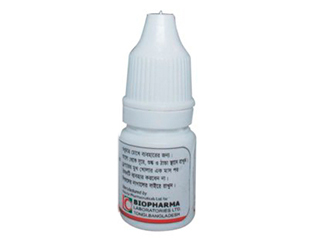
Ocuflox is a brand of ofloxacin, an antibiotic medicine used to treat certain bacterial eye infections. This guide explains what Ocuflox does, how it works, how to use it safely, and what to expect. It is written for patients and carers in Australia.
Always follow the instructions provided with your medicine and any advice from your healthcare professional. If you are unsure, speak with a pharmacist.
Basic product information
- Medicine name: Ocuflox
- Active ingredient: Ofloxacin
- Form: Eye drops (ophthalmic solution)
- Type of medicine: Antibiotic (fluoroquinolone)
- Common uses: Bacterial conjunctivitis and certain other eye infections
Strength and presentation may vary by product. Check the label for the concentration (e.g., mg/mL) and expiry date.
How Ocuflox works (mechanism of action)
Ofloxacin belongs to the fluoroquinolone class of antibiotics. It works by interfering with bacterial DNA replication and repair.
Specifically, ofloxacin inhibits key bacterial enzymes:
- DNA gyrase (topoisomerase II)
- Topoisomerase IV
These actions stop bacteria from multiplying, allowing the immune system to clear the infection. Ocuflox is effective against many bacteria that cause eye infections, but it does not treat viruses (such as many cases of cold-related conjunctivitis) or fungal infections.
Pharmacokinetics (how the medicine behaves in the body)
Pharmacokinetics describes what the body does to a medicine. With eye drops, absorption is generally limited compared with medicines taken by mouth. However, some ofloxacin can enter the bloodstream and the eye tissues.
- Absorption: After instillation into the eye, a portion may be absorbed through ocular tissues and drainage pathways.
- Distribution: Concentrations are highest in the eye region; small systemic levels may occur.
- Metabolism: Minimal metabolism is expected from ophthalmic use.
- Elimination: Any absorbed medicine is largely cleared by the kidneys.
In practice, most patients do not experience systemic effects from correctly used eye drops, especially when punctal (tear-duct) occlusion is performed (see practical tips below).
Typical use and timing
Ocuflox is used to treat bacterial eye infections. It is important to start treatment as advised, usually soon after symptoms begin.
How often to use: Follow your prescribed or labelled directions. Common regimens for adults may include multiple doses per day initially, then less frequent dosing as symptoms improve. Your pharmacist or clinician will tailor the schedule to your condition.
General timing tips:
- Use at consistent times each day.
- Try to avoid missing doses; if you miss one, use it as soon as you remember unless it is close to the next dose.
- Do not double the dose to make up for a missed one.
- Complete the course even if symptoms improve (unless advised otherwise).
Food interactions
Because Ocuflox is used as eye drops, food interactions are generally not expected. The small amount absorbed through the eye typically does not reach levels where food would meaningfully affect drug activity.
You can take it with or without meals. If you are also taking other medicines, refer to the section below on interactions.
Alcohol and medicine interactions
No specific alcohol interaction is typically expected with ophthalmic ofloxacin at standard eye-drop dosing. However, there are still practical considerations:
- Systemic absorption: Very small amounts may enter the bloodstream. If you have kidney disease or are using the drops frequently, ask your pharmacist for guidance.
- Other medications: Fluoroquinolones can interact with certain medicines when taken systemically (e.g., in tablets). For eye drops, this is less common, but it is still wise to review your medication list.
Tell your pharmacist if you take:
- Medicines that can affect heart rhythm (antiarrhythmics)
- Some antidepressants/antipsychotics
- Corticosteroids or other medicines that may affect tendon risk (generally a concern with systemic fluoroquinolones)
- Warfarin or other blood thinners (monitoring may be needed for any systemic antibiotic exposure)
If you have concerns about interactions or are taking multiple medicines, ask for a medication review.
Indications (what Ocuflox is used for)
Ocuflox is indicated for the treatment of eye infections caused by susceptible bacteria. It is commonly used for:
- Bacterial conjunctivitis (infectious inflammation of the conjunctiva)
- Blepharitis or infections involving the eyelids when bacterial causes are suspected
- Other superficial bacterial ocular infections as advised by a clinician
Ocuflox should not be used for eye irritation that is not bacterial (for example, allergies or viral conjunctivitis). If symptoms do not improve within the expected timeframe, seek medical advice.
Dosing (general guidance)
Dosing varies by the specific condition, severity, age, and response to treatment. Always use the regimen on the product label or as advised by your healthcare professional.
Typical dosing patterns may include:
- Adults: Often multiple doses per day for the initial period, then reduced frequency after improvement.
- Children: Dosing should be determined by a clinician and based on age and infection type.
How to measure: Use only the amount indicated by your label or instructions. Typically, one or two drops per affected eye is used.
Duration: Many bacterial eye infections are treated for several days. Stopping early can allow infection to return.
| Situation | Typical approach | Key reminder |
|---|---|---|
| Suspected bacterial conjunctivitis | Multiple daily doses initially, then adjustment based on response | Follow the exact schedule given |
| Improving symptoms | Continue the course to completion | Do not stop just because redness improves |
| No improvement or worsening | Seek medical advice promptly | May require different diagnosis or treatment |
Safety profile (side effects and when to get help)
Most people tolerate Ocuflox well. Like all medicines, it can cause side effects. Many are mild and temporary, related to the eye surface.
Common side effects
- Stinging or burning when instilled
- Temporary blurred vision after using drops
- Eye redness or irritation
- Tearing
- Discomfort or itching
Less common but important risks
- Allergic reactions (rare): swelling of eyelids, itching, rash
- Worsening eye pain or sensitivity to light
- Changes in vision that persist
- Persistent symptoms despite treatment
Seek urgent medical attention if you notice:
- Severe pain in the eye
- Marked light sensitivity
- Significant or worsening blurred vision
- Swelling of the face or trouble breathing
- You wear contact lenses and symptoms are significant or deteriorating
Contact your healthcare professional if symptoms do not start improving within the expected period (often within a couple of days for bacterial infections, depending on severity), or if they worsen at any time.
Practical use tips (how to use Ocuflox safely and effectively)
Step-by-step instructions
- Wash your hands thoroughly.
- Check the dropper tip: ensure it is clean and not damaged.
- Tilt your head back and gently pull down the lower eyelid to form a small pocket.
- Instil the drop into the eye pocket without touching the eye or eyelids with the dropper tip.
- Close your eye gently for 1–2 minutes.
- Press the inner corner of the eye (tear-duct area) gently with a finger for about 1 minute to reduce drainage into the nose and improve local effect.
- Repeat for the other eye if instructed.
- Wipe away excess fluid with clean tissue.
Contact lens guidance
- Do not wear contact lenses while you have an eye infection unless your clinician advises otherwise.
- Use a fresh pair of lenses after symptoms fully settle and treatment is complete.
- Replace contact lens cases and solutions according to advice.
Vision and driving
Ocuflox may cause temporary blurred vision. Avoid driving or operating machinery until your vision is clear.
Hygiene and infection control
- Do not share eye drops with others.
- Use clean tissues; wash hands after touching the eye area.
- Clean glasses or eye shields if used for protection.
Using with other eye medicines
If you use more than one eye medicine (drops or ointments), spacing is important to prevent dilution. In general, separate different eye products by:
- At least 5–10 minutes between products (unless your clinician directs otherwise).
- Ointments are often used last.
Ask your pharmacist if you are using additional drops for dryness, allergies, glaucoma, or steroid-containing medicines.
When Ocuflox may not be the right choice
Ocuflox works against bacteria. It will not treat:
- Viral conjunctivitis (commonly associated with a cold)
- Allergic conjunctivitis (often itchy, watery eyes)
- Fungal eye infections
- Non-infectious irritation (dust, smoke, chemical exposure)
If your symptoms are severe, you have a contact lens–related concern, or you have eye pain and light sensitivity, seek prompt assessment. These features can indicate conditions requiring urgent treatment.
Alternative options
Depending on the suspected cause of your eye symptoms, alternatives may include other antibiotic drops or different non-antibiotic treatments. A clinician may choose based on:
- The infection type and location
- Local bacterial resistance patterns
- Your medical history and allergies
- Whether you wear contact lenses
Possible alternative antibiotics (examples)
- Other fluoroquinolones
- Other antibiotic classes used in ophthalmology
Non-antibiotic supportive options
- Lubricating/artificial tears for irritation
- Allergy-directed treatments if symptoms suggest allergies (e.g., itchy eyes)
- Warm or cold compresses for eyelid inflammation
The best option depends on diagnosis. If symptoms are not improving, ask a pharmacist or doctor about whether Ocuflox is suitable.
Market and legal context in Australia
In Australia, access to medicines depends on how they are regulated under the Therapeutic Goods Administration (TGA) and how they are classified (including scheduling requirements under state or federal rules).
Eye antibiotic products like Ocuflox are generally intended for appropriate clinical use to ensure correct diagnosis and appropriate antimicrobial treatment. This includes careful consideration of bacterial versus viral or allergic conditions and the need for escalation if symptoms worsen.
For online purchases, legitimate suppliers will typically follow Australian requirements regarding:
- Product listing and traceability
- Packaging and labelling compliance
- Customer eligibility checks where relevant
- Quality and storage standards during transport
If you are unsure about eligibility, availability, or requirements, contact a qualified Australian pharmacy.
Recent guidance and responsible antibiotic use
Healthcare guidance worldwide increasingly emphasizes responsible antibiotic use to help reduce antimicrobial resistance. For eye infections, this means:
- Using antibiotics only when bacterial infection is likely or confirmed.
- Using the correct dose and completing the course as directed.
- Seeking review if symptoms do not improve promptly.
- Avoiding unnecessary antibiotic use for viral illnesses or allergies.
If you have recurrent infections or are at higher risk (e.g., contact lens users, eye injury history, immune compromise), a clinician may recommend a more tailored approach.
Delivery and availability (online pharmacy considerations)
Availability of Ocuflox can vary between pharmacies and wholesalers. When ordering online in Australia, reputable pharmacy sites generally provide:
- Clear product details (brand, strength, pack size)
- Stock availability and estimated dispatch times
- Secure packaging to protect bottles during transit
- Tracking information for deliveries where available
For eye drops, storage conditions matter. Keep the product in accordance with the label instructions, typically at room temperature and away from direct sunlight. Check expiry dates before use.
FAQ about Ocuflox (Ofloxacin) eye drops
1) What infections does Ocuflox treat?
Ocuflox treats bacterial eye infections. It is commonly used for bacterial conjunctivitis and other susceptible bacterial eye infections as advised by a healthcare professional.
2) How quickly should I notice improvement?
Many bacterial eye infections improve within a couple of days. If you do not feel better after a short period (or if symptoms worsen), seek advice promptly.
3) Can I use Ocuflox if my symptoms might be viral or allergy-related?
Ocuflox targets bacteria and will not treat viral or allergic causes. If you have prominent itchiness, watery discharge without thick pus, recent viral symptoms, or repeated episodes without bacterial features, ask a pharmacist or clinician to check the cause.
4) How do I stop the medicine from running into my nose?
After instilling the drop, close your eye gently and press the inner corner of the eye (tear-duct area) for about 1 minute. This technique reduces drainage and can improve comfort.
5) Should I wear contact lenses during treatment?
It’s generally best to avoid contact lenses while you have an eye infection. If you wear contacts, follow clinician advice and ensure lenses and cases are handled hygienically.
6) Can I drive after using the drops?
Ocuflox can cause temporary blurred vision. Avoid driving until your vision returns to normal.
7) What side effects are normal?
Mild stinging, temporary irritation, tearing, or brief blurred vision can occur. Contact a healthcare professional if side effects are severe, persistent, or accompanied by worsening pain, light sensitivity, or swelling.
8) What if I accidentally miss a dose?
Use it as soon as you remember, unless it is close to the next dose. Do not double up.
9) Can I use Ocuflox with other eye drops?
Yes, but space doses between different products (commonly 5–10 minutes). Ointments are usually used after drops. Ask your pharmacist for personalised instructions.
10) Is it safe to drink alcohol while using Ocuflox?
No specific alcohol interaction is usually expected with eye drops. If you have concerns—such as kidney disease, other medicines, or unusual side effects—ask your pharmacist.
Summary
Ocuflox (ofloxacin) eye drops are an antibiotic used to treat certain bacterial eye infections. By blocking bacterial DNA enzymes, it helps clear infection while supporting symptom relief. Use it exactly as directed, maintain eye hygiene, and seek medical advice urgently if you experience severe pain, significant light sensitivity, or worsening vision.
If you have questions about whether Ocuflox is suitable for your symptoms or how to use it with other eye medicines, speak with an Australian pharmacist.