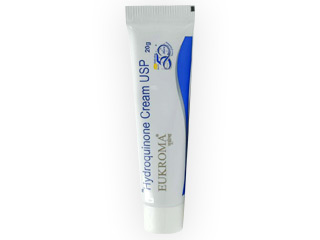
Hydroquinone (Topical) – Patient Information (Australia)
Hydroquinone is a skin-bleaching medicine used to treat certain types of unwanted pigmentation. It is commonly used for conditions such as melasma, sunspots (lentigines), and post-inflammatory hyperpigmentation. This page explains how hydroquinone works, how to use it safely, and what to expect.
| Category | Topical depigmenting agent |
|---|---|
| Common use | Melasma and hyperpigmentation |
| Typical forms | Cream/gel (strengths vary by product) |
| How it is applied | Thin layer to affected areas |
| Time to results | Often 6–12 weeks; best results may take longer |
| Key requirement | Daily broad-spectrum sun protection |
Basic product information
Hydroquinone is a topical medicine that reduces the formation of melanin (skin pigment) and helps fade existing dark patches. Depending on the product and strength, it may be available as an OTC skin treatment or as a medicine with specific legal category requirements. Availability can vary between products sold online and in-store.
In Australia, skin treatments containing hydroquinone are regulated. Strength, labelling requirements, and permitted claims can differ. Always check the specific product label for concentration (e.g., 2%, 4% or other strengths) and directions for use.
How hydroquinone works (mechanism of action)
Hydroquinone primarily works by affecting melanin production within skin cells. Melanin is produced in melanocytes through enzymatic pathways. Hydroquinone is thought to:
- Inhibit tyrosinase activity (an enzyme involved in melanin synthesis), which reduces new pigment formation.
- Disrupt melanin production through additional biochemical effects in the pigment pathway.
- Help gradually lighten established pigmented areas over time by reducing overall pigment activity.
Because sun exposure increases melanin production, hydroquinone works best when combined with strict photoprotection. Without sun protection, pigment often returns or treatment can appear to “not work.”
Pharmacokinetics (what happens in the body)
When used on intact skin as directed, hydroquinone absorption through the skin is generally low. However, absorption may increase when:
- Applied to broken/irritated skin
- Used over large areas or under occlusion (e.g., covered dressings)
- Used more frequently than recommended
After absorption (if it occurs), hydroquinone can be metabolised in the body, and metabolites are eliminated through the kidneys. For most people applying hydroquinone topically to limited areas, systemic exposure is expected to be low when used correctly.
What this means for you
The main risks are usually local skin reactions (dryness, irritation, redness) rather than systemic side effects, provided you use the product as directed and avoid misuse (e.g., long continuous use or applying to large areas).
Typical indications (what it’s used for)
Hydroquinone is commonly used to lighten and even out skin tone in the following conditions:
- Melasma (often appears as symmetrical brown-to-grey patches, commonly on the cheeks, forehead, upper lip, or chin)
- Sunspots / solar lentigines (age spots or sun-related pigmentation)
- Post-inflammatory hyperpigmentation (dark marks after acne, burns, eczema, or other skin irritation)
- Other localised hyperpigmentation where a clinician recommends depigmenting therapy
When to expect results (timing)
Skin pigmentation can take time to improve. Hydroquinone does not work overnight. Many people notice gradual lightening with consistent use plus strict sun protection.
- First improvements: usually within 4–8 weeks
- More visible fading: often 6–12 weeks
- Best results: may take up to several months, depending on the cause and skin type
- Maintenance: once improved, your plan may include reduced frequency and/or alternate treatments
If there is no improvement after an adequate trial (commonly around 3 months) or if pigmentation worsens, stop and consult a healthcare professional for review.
Dosing and how to apply (practical directions)
Follow the instructions on your specific product label. As a general patient-friendly guide, hydroquinone is applied as follows:
Typical application steps
- Cleanse gently with a mild cleanser and pat skin dry.
- Apply a thin layer only to the affected pigmented areas (avoid spreading across unaffected skin).
- Wash hands after application.
- Use daily sun protection (see below), as this is essential for effectiveness and prevention of rebound pigmentation.
Frequency (common patterns)
Many regimens use once or twice daily application depending on product strength and skin tolerance. Your label may specify a particular schedule. If your skin becomes irritated, reduce frequency or pause and seek advice.
How long to use
- Short, structured courses are generally preferred over continuous long-term use.
- Many clinicians recommend reassessment after 8–12 weeks and limiting total exposure depending on your situation.
- Long continuous use without review may increase risk of side effects such as irritation or ochronosis-like changes (rare, but important to avoid).
Food interactions
Topical hydroquinone has minimal expected food interactions because it is applied to the skin and systemic absorption is generally low. No specific foods are known to directly affect topical hydroquinone performance.
However, maintaining overall skin health helps treatment. Adequate hydration and a balanced diet support barrier repair, which can reduce irritation and improve comfort during therapy.
Alcohol and medicine interactions
There are no well-established direct alcohol interactions with topical hydroquinone in typical use. That said, alcohol can influence skin dehydration and inflammation in some people, which may worsen irritation.
Also consider medication interactions from a broader skin-care perspective:
- Other topical actives: combining hydroquinone with multiple strong exfoliants may increase irritation.
- Retinoids and acids: products containing retinoids (e.g., tretinoin) or alpha hydroxy acids may be used in some regimens under guidance, but start slowly to reduce irritation.
- Other depigmenting products: avoid stacking several pigment-targeting products at once unless advised.
If you take any medicines for skin conditions (including oral treatments), it’s sensible to review your full skin routine with a healthcare professional.
Safety profile and side effects
Hydroquinone is generally tolerated when used correctly on limited areas, but it can cause side effects—most often at the application site.
Common side effects
- Redness, irritation, or burning sensation
- Dryness and peeling
- Itching or mild discomfort
- Skin tightness
Less common / important risks
- Allergic or severe contact dermatitis (swelling, marked rash, blistering)
- Post-treatment darkness or rebound pigmentation if used without sun protection
- Ochronosis-like skin darkening (rare; risk increases with prolonged or excessive use)
- Excessive irritation leading to worsening pigmentation (irritant hyperpigmentation)
When to seek urgent advice
Stop using the product and seek medical advice if you develop:
- Severe swelling of the face or eyelids
- Blistering, oozing, or intense burning
- Widespread rash beyond the treated area
Practical use tips (to maximise results and minimise irritation)
1) Sun protection is non-negotiable
Hydroquinone helps reduce pigment production, but UV light strongly stimulates melanin. Daily use of broad-spectrum sunscreen is essential.
- Choose a broad-spectrum sunscreen (UVA/UVB).
- Apply generously and reapply if you are outdoors.
- Use protective clothing and hats when possible.
2) Patch test first
If your skin is sensitive, consider patch testing (e.g., behind the ear or on a small area of the intended site) for several days. Stop if significant irritation occurs.
3) Avoid getting it into eyes, lips, or broken skin
- Apply only to affected pigmented areas.
- Avoid eyelids, corners of the nose, and lips unless your product guidance explicitly says otherwise.
- Do not apply on cuts, eczema flare-ups, or sunburn.
4) Use moisturiser strategically
Moisturising can reduce dryness and irritation. Many people find it helpful to apply a gentle moisturiser after hydroquinone (or use a “sandwich” approach if irritation occurs—apply moisturiser, hydroquinone, then moisturiser). Check compatibility with your routine.
5) Don’t overuse
Using more frequently or for longer than recommended does not necessarily improve results and can increase irritation and risk. Consistent, controlled use is preferred.
6) Consider a planned course and reassessment
Pigmentation conditions vary. Some people may need a structured schedule (e.g., limited course followed by maintenance). Reassessment helps reduce side effects and improves long-term outcomes.
How to fit hydroquinone into your skincare routine
A common approach is to apply hydroquinone to pigmented areas once daily (often at night) and use sunscreen in the morning. If you use other actives, spacing them out can reduce irritation.
- Morning: gentle cleanser → moisturiser → broad-spectrum sunscreen
- Evening: gentle cleanser → hydroquinone thin layer → moisturiser
If your skin is reactive, consider introducing other exfoliating/brightening products later or using them on alternate days. If you experience strong irritation, simplify your routine to cleanser + moisturiser + sunscreen until calm.
Alternative options for hyperpigmentation (discuss with a professional)
Hydroquinone is effective for many people, but alternatives may be more suitable depending on your skin type, sensitivity, and the cause of pigmentation. Common options include:
- Azelaic acid (helps with pigmentation and acne-related marks for some people)
- Niacinamide (supports barrier and can reduce uneven tone)
- Retinoids (help with cell turnover; may improve pigmentation over time)
- Vitamin C (ascorbic acid) (antioxidant brightening support)
- Kojic acid (pigment-targeting agent in some products)
- Chemical exfoliants (e.g., glycolic acid) – used carefully to avoid irritation
For conditions like melasma, many regimens combine topical brighteners with photoprotection and other therapies. The best choice depends on skin sensitivity, pregnancy considerations, and response to treatment.
Market and legal context for Australia (what you should know)
In Australia, medicines and therapeutic goods are regulated to ensure safety, quality, and appropriate labelling. Hydroquinone-containing products may be available only under certain conditions or strengths, depending on current rules and the product type.
Legislation and listing categories can change over time. This page provides general educational information about hydroquinone and typical clinical use. Always check:
- the product label for concentration and directions
- any manufacturer guidance included with the item
- current pharmacy availability on the specific site you are using
Recent guidance (general trends)
Across many markets, guidance has emphasised:
- Short courses and reassessment rather than continuous long-term use
- Combining with daily sunscreen to reduce rebound pigmentation
- Use caution in highly sensitive areas and in people prone to irritation
- Monitoring for local reactions and stopping if severe irritation occurs
Delivery and availability (Australia)
Availability of hydroquinone products can vary by brand, concentration, and regulatory listing status. If you order online, delivery timelines depend on stock, location, and courier service.
- Check product page details: strength, size, and dispatch/estimated delivery times.
- Storage: store at room temperature away from sunlight and heat (follow label).
- Keep out of reach: keep products out of reach of children.
If a specific product is temporarily out of stock, alternative strengths or formulation types may be available. Review the label to ensure you choose the concentration and directions that match your needs.
Safety checklist before you start
- I understand that sun protection is essential for success.
- I will apply only to the pigmented areas (not whole-face unless directed).
- I will follow the label schedule and avoid overuse.
- I will stop if irritation becomes severe.
- I will re-evaluate after an appropriate trial period if results are unclear.
FAQ – Hydroquinone
How long does hydroquinone take to work?
Many people see changes within 4–8 weeks, with more noticeable improvement by 6–12 weeks. Melasma and stubborn pigmentation may require longer and a careful plan with sun protection.
Can I use hydroquinone every day?
It depends on your product’s instructions and how your skin tolerates it. If irritation occurs, you may need to reduce frequency or pause and seek advice. Always follow the label.
Should I apply hydroquinone all over my face?
Usually, hydroquinone is applied to affected pigmented areas only. Applying more broadly can increase irritation without improving results.
Will hydroquinone remove pigmentation completely?
It can significantly lighten pigment, but complete removal varies by condition and cause. Melasma in particular can recur without strict sun protection.
Can I use hydroquinone with sunscreen?
Yes—sunscreen is strongly recommended. Morning sunscreen helps prevent new pigment formation and supports the treatment effect.
Can I use hydroquinone with moisturiser and other skincare products?
Many people use moisturiser to reduce dryness and improve comfort. Other active ingredients may be compatible, but combinations can increase irritation. Introduce changes gradually and simplify your routine if your skin reacts.
Is hydroquinone safe for sensitive skin?
It may be safe when used correctly, but sensitive skin can react more easily. Consider patch testing and follow the label closely. Stop if irritation is severe.
What should I do if I get burning, redness, or peeling?
Stop using the product and allow your skin to recover. Re-start only if advised and if symptoms were mild; if reactions were significant, seek professional advice.
Can hydroquinone stain or darken skin?
Treatment can sometimes cause temporary darkness if the skin becomes irritated or inflamed. Long-term, excessive use can rarely lead to persistent discolouration. This is why following duration guidance and avoiding overuse is important.
Can I drink alcohol while using hydroquinone?
There’s no specific, well-known interaction with topical hydroquinone. However, alcohol can potentially affect skin hydration and inflammation in some people.
Where should I store hydroquinone?
Store according to the product label—typically at room temperature, away from direct sunlight and heat. Keep the container tightly closed.
Important: This information is general and designed to help you use hydroquinone safely. Always read your product label and follow the directions provided with your specific medicine.