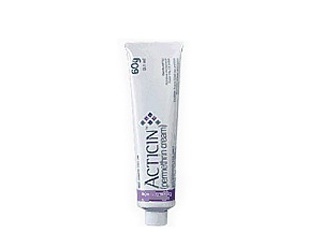
Acticin (Permethrin) – Patient Guide (Australia)
Acticin contains permethrin, a medicine used to treat certain skin infestations caused by parasites. It is widely used in Australia for conditions such as scabies and certain types of lice infestations. This guide explains how Acticin works, how to use it properly, what to expect, and key safety information.
Always read the consumer medicine information (CMI) leaflet provided with your product and follow the instructions on the label.
Basic product information
- Brand name: Acticin
- Active ingredient: Permethrin
- Medicine class: Topical antiparasitic (pyrethroid)
- Common forms: Lotion or cream (depending on product presentation)
- Typical uses: Scabies and lice infestations (follow local product instructions)
- Where it’s used: On the skin only (topical use)
Different permethrin products may have different strengths and specific directions. For best results, confirm you have the correct Acticin strength and formulation for the condition you are treating.
How Acticin works (mechanism of action)
Permethrin is a synthetic chemical similar to pyrethrins (natural insecticides). It works mainly by affecting the nervous system of parasites:
- Blocks sodium channels in the parasite’s nerve cells
- Causes overstimulation of the nervous system
- Leads to paralysis and death of the parasite
Important note: While permethrin can kill mites/lice, symptoms such as itching may continue for some time after treatment. This does not always mean the infestation has failed—see “What to expect” and “FAQ” for details.
Pharmacokinetics (absorption and movement in the body)
For topical treatments, the medicine’s behaviour in the body is designed to be minimal. However, understanding typical pharmacokinetics can help explain safety and expectations.
- Skin absorption: Permethrin is generally absorbed very slowly and in small amounts through intact skin.
- Metabolism: Any absorbed permethrin is metabolised mainly in the body (including through hydrolysis to inactive metabolites).
- Elimination: Metabolites are largely eliminated via urine.
- Systemic exposure: With correct use on limited areas, systemic levels are typically low.
If you apply permethrin to large skin areas, use under occlusion, apply repeatedly, or treat broken/irritated skin, absorption may increase. Follow instructions carefully.
Typical use in Australia
Acticin (permethrin) is commonly used for:
- Scabies (mites that cause intense itching and a rash)
- Some types of lice (follow the exact directions for the specific product and infestation)
In practice, proper treatment often includes treating close contacts at the same time and taking steps to reduce re-infestation from bedding and clothing.
Timing and how long to leave it on
The exact timing depends on the condition and the product instructions. Commonly, permethrin skin treatments are left on for a defined period, then washed off.
- Follow your Acticin label/CMI for the precise “leave-on” time.
- Often, scabies treatment may require a second application after about 7–14 days (depending on local product instructions and guidance), to kill newly hatched mites.
- For lice, treatment schedules may differ; use the instructions that match your infestation.
If you are unsure whether you should repeat treatment, consult the CMI or pharmacist advice for your specific product.
Food interactions
Acticin is applied to the skin. It is not taken by mouth and therefore has no known direct food interactions.
While eating won’t directly affect permethrin, practical considerations still matter:
- Avoid getting lotion/cream on the mouth or hands of children who may eat or rub their face.
- Wash hands thoroughly after application.
- If using on a child, ensure treated areas are covered appropriately as advised.
Alcohol and medicine interactions
Alcohol interactions: Because Acticin is topical, it typically has no direct alcohol interaction. If any irritation occurs, alcohol-containing products on the skin could increase dryness or irritation, so keep products separate unless directed.
Medicine interactions: Systemic interactions are generally unlikely due to low absorption when used correctly. However, certain situations may increase irritation or absorption:
- Applying permethrin over large areas
- Applying to broken, inflamed, or oozing skin
- Using under occlusive dressings not recommended by the product instructions
If you are using other skin medicines (e.g., steroid creams, moisturisers, antiseptics), follow the product guidance on whether to apply at the same time. In many cases, a practical approach is to:
- Apply permethrin first
- Allow the recommended wash-off period
- Then resume other topical treatments as advised
Indications (what it’s used for)
Acticin (permethrin) is indicated for skin infestations such as:
- Scabies: Characterised by intense itching (often worse at night) and a rash on typical areas (commonly between fingers, wrists, elbows, armpits, waist, genitals, buttocks, and sometimes palms/soles in children).
- Lice infestations: Specific directions vary by infestation type and product strength. Use the correct product instructions for your condition.
Seek medical advice if you’re unsure of the diagnosis, symptoms are severe, or the condition affects infants, immunocompromised people, or widespread skin involvement.
Dosing and application (general guidance)
Dosing must follow the product label/CMI. Permethrin dosage is typically measured by how much product is applied and how long it is left on.
Scabies (typical approach)
- Apply: Cover the affected areas as directed. Many scabies regimens also treat the whole body from the neck down.
- Leave on: For the time stated in the CMI (commonly around 8–12 hours, but follow your specific product).
- Wash off: Wash thoroughly when the time is complete.
- Repeat (often needed): A repeat treatment is commonly recommended after about 7–14 days, depending on product instructions and local guidance.
Lice (typical approach)
- Apply: Work product through the hair/areas as directed by the CMI.
- Comb/clean: Many regimens include combing and removal of nits (eggs) using fine-toothed combing methods.
- Repeat if needed: Follow the schedule in the CMI, as lice may require multiple treatments to fully clear.
Close contacts: If scabies is suspected/confirmed, it’s often recommended that household and close contacts are treated at the same time to prevent ping-pong re-infestation. Follow your local guidance and the CMI for details.
Safety profile (who should be cautious and what to watch for)
Acticin is generally well tolerated when used as directed. Like all medicines, it can cause side effects.
Common and expected effects
- Mild skin irritation (temporary redness or burning)
- Dryness
- Itching may persist after treatment (especially in scabies)
Less common but important side effects
- Allergic reactions such as rash, swelling, or worsening itch
- Severe burning or blistering (seek advice)
When to seek urgent advice
- Difficulty breathing, facial swelling, or widespread hives
- Severe skin reaction, blistering, or signs of infection
Special considerations
- Children and infants: Use only as directed in the CMI. Some regimens include special instructions for young children.
- Pregnancy and breastfeeding: Discuss with a pharmacist or healthcare professional if you are unsure; follow the CMI carefully.
- Eye and mucous membrane exposure: Avoid eyes, lips, and inside the nose/mouth. If accidental contact occurs, rinse thoroughly with water.
- Broken skin: Increased irritation can occur; use caution and follow directions.
Practical use tips for best results
The success of permethrin treatment depends not only on applying the medicine correctly, but also on preventing re-infestation.
Skin application tips
- Read the label carefully before starting.
- Apply to dry skin unless the CMI says otherwise.
- Be thorough: Cover the required skin areas, including areas many people miss (between fingers, around wrists, behind ears, and under nails for hair/lice regimens).
- Wash hands after use.
- Avoid contact with eyes and genital/skin folds unless directed.
Bedding, clothing, and cleaning (especially important for scabies)
- Wash recently used bedding and clothing in hot water if the fabric allows, then dry thoroughly.
- Items that can’t be washed may need to be sealed in a bag for the recommended time period in the CMI or local guidance.
- Vacuum upholstery and carpets if advised by the CMI.
Managing itching after treatment
Itching can continue even after mites are killed due to ongoing skin inflammation. Consider supportive measures such as:
- Moisturising
- Cool compresses
- Using soothing non-irritant skin care as advised
If itching becomes severe, there is worsening rash, or you suspect treatment failure, seek advice rather than repeatedly applying on your own.
What to expect (timelines)
Timelines vary by condition and individual response. The following general patterns are common:
- Scabies: Itching may decrease gradually over days. A repeat application may be required to target newly emerging mites.
- Lice: Lice may be reduced after treatment, but eggs (nits) and re-infestation risk often mean follow-up steps are essential (including combing and repeat treatment when indicated).
Do not judge treatment success only by itching in the first few days. The skin can remain reactive even when parasites are gone.
Alternative options
Depending on the infestation type, severity, age, and local availability, alternatives may include other permethrin products, different active ingredients, and mechanical approaches (e.g., combing for lice). Your pharmacist can help you choose the most appropriate option.
Common alternatives may include:
- Other topical insecticides/antiparasitics used for scabies or lice (different active ingredients and strengths)
- Physical/mechanical removal strategies (especially for lice: fine-tooth combing and nit removal)
- Supportive treatment for symptoms (anti-itch strategies; avoid using multiple topical products unless advised)
If Acticin doesn’t work as expected, confirm the diagnosis, review whether the full application was completed, and consider reinfestation from close contacts or contaminated items.
Acticin in the Australian market: legal and guidance context
In Australia, topical antiparasitic products are subject to regulation and distribution rules. Availability may vary depending on formulation, strength, and intended indication.
How guidance is typically handled:
- Local guidance generally emphasises accurate diagnosis, treating close contacts (particularly for scabies), and repeating treatment when necessary.
- Healthcare providers often recommend non-medicine measures (laundering, cleaning, and contact management) alongside treatment.
- Ongoing public health advice may update recommended regimens over time based on resistance patterns and clinical experience.
Resistance considerations: Permethrin resistance has been reported for certain lice populations in some regions internationally. If treatment seems ineffective, it may be due to resistance, reinfestation, incomplete application, or misdiagnosis—prompt pharmacist or clinician advice is recommended.
Recent guidance: practical points to consider
Guidance for scabies and lice management is periodically refined by health services and clinical references. While regimens can differ by product and population, recent patient-facing guidance commonly reinforces:
- Follow the exact application instructions for your specific Acticin pack
- Complete household/contact treatment where recommended
- Repeat treatment when directed (especially for scabies)
- Use cleaning measures to reduce re-exposure
- Seek advice if symptoms persist beyond expected timelines
If you received advice from a clinician or public health service, follow that guidance in preference to general instructions.
Delivery and availability (online pharmacy)
Acticin (permethrin) may be available online through Australian pharmacies depending on stock and the specific product presentation. Delivery options can vary by provider and region.
- Check availability: Some strengths or pack formats may be more limited.
- Packaging: Products should arrive in original packaging with the CMI inside or accessible.
- Storage: Store according to the pack instructions (typically at controlled room temperature away from direct sunlight).
For safe use, keep the product label and CMI accessible even after opening.
FAQ – Acticin (Permethrin)
1) How do I know if it’s scabies or lice?
Scabies typically causes intense itching, often worse at night, and a rash in typical skin areas. Lice affect the scalp or hair-bearing areas and often involve visible lice and nits (eggs). If diagnosis is uncertain, confirm with a pharmacist or healthcare professional—misdiagnosis can lead to ineffective treatment.
2) Why is itching still happening after I use Acticin?
In scabies, itching can persist for days to weeks after successful treatment because of ongoing skin inflammation. This alone doesn’t always indicate treatment failure. If symptoms worsen significantly, new lesions appear rapidly, or you suspect reinfestation, seek advice.
3) Do I need to treat my household contacts?
For scabies, it’s commonly recommended that close contacts are treated at the same time, even if they don’t have symptoms yet, to reduce reinfestation. Follow the CMI and local guidance for who should be treated.
4) Should I reapply Acticin immediately if I still see mites/lice?
Don’t automatically repeat early unless the CMI directs it. Repeating too soon may irritate skin without improving outcomes. If you think the infestation is not improving, consult a pharmacist or clinician for next steps.
5) Can I bathe or wash after treatment?
Yes, typically you should wash off at the end of the recommended “leave-on” time. After that, bathing is usually fine. Avoid applying other skin products before the wash-off period unless directed.
6) What if I miss a part of my body during application?
For best outcomes, apply to the required areas as instructed. If you discover you missed an area while the medicine is still on (within the leave-on timeframe), you may be able to apply it to the missed area. If you are close to the end of the leave-on time or already washed it off, follow the CMI or seek advice.
7) Is Acticin safe for children?
Acticin can be used in children for approved indications when used exactly as directed in the CMI. Some age groups have specific precautions (e.g., where to apply). Always follow the label instructions for your child’s age.
8) Can I use Acticin with other creams or lotions?
It depends on the product instructions. In general, avoid mixing multiple topical products on the same treated areas unless directed. Ask your pharmacist if you’re unsure.
9) Are there food or drink concerns?
Because Acticin is applied to the skin, food interactions are not typically an issue. Ensure it does not come into contact with mouths or hands that may touch food.
10) Should I avoid alcohol?
There is typically no direct interaction with alcohol because Acticin is topical. However, avoid applying other alcohol-containing products to the treated skin, as they may worsen irritation.
Quick reference table
| Category | What to know |
|---|---|
| Active ingredient | Permethrin (pyrethroid antiparasitic) |
| Common uses | Scabies; certain lice infestations (follow your specific pack instructions) |
| How it works | Impairs parasite nerve signalling → paralysis and death |
| Timing | Leave on for the duration stated in the CMI, then wash off. Repeat treatment may be required for scabies. |
| Food interactions | No known direct food interactions (topical use) |
| Alcohol interactions | No known direct interaction; avoid adding irritating alcohol-based products to treated skin |
| Systemic absorption | Generally low when used as directed; metabolism and elimination mainly occur after absorption |
| Re-infestation prevention | Clean/prepare bedding, clothing, and treat close contacts when advised |
| Side effects | Mild irritation and itching may occur; seek urgent help for signs of allergy or severe skin reaction |
When to get further help
If you have tried Acticin correctly and symptoms continue beyond the expected timeframe, you suspect reinfestation, or you are treating a very young child, an immunocompromised person, or a widespread skin condition, it’s important to seek advice from a pharmacist or healthcare professional. They can help confirm the diagnosis, review your application steps, and discuss the best next option.
Always use Acticin only as directed for the condition described in your product’s consumer medicine information.