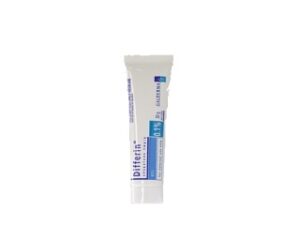
Differin (Adapalene) – Patient-Friendly Guide (Australia)
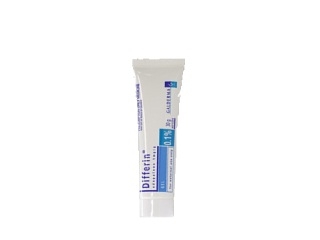
Differin contains adapalene, a topical medicine used to treat acne and help improve the appearance of acne-related skin changes. This guide explains how Differin works, how to use it safely, what to expect, and key precautions—written for everyday patients in Australia.
Quick Product Information
- Active ingredient: Adapalene
- Medicine type: Topical retinoid (applied to the skin)
- Common strength (widely available): 0.1% gel or 0.1% cream (product form may vary by brand/market listing)
- Common uses: Acne (including comedonal and inflammatory acne)
- How it’s used: Applied to affected areas once daily
- Typical timeframe for results: Improvement often begins in several weeks; fuller results may take 8–12 weeks (sometimes longer)
Note: Always check the specific packaging/label and follow the directions provided with your exact product.
How Differin Works (Mechanism of Action)
Adapalene is a topical retinoid. It helps normalise skin cell behaviour and reduce the processes that contribute to acne.
Main actions on acne
- Prevents clogged pores (comedones): It helps reduce the formation of microcomedones by improving how skin cells shed inside the follicle.
- Reduces inflammation: Adapalene has anti-inflammatory effects, which can lessen redness and swelling associated with acne.
- Supports smoother skin texture: Over time, it can help the skin look clearer and more even.
Because it targets the cause of acne (clogged pores and inflammation), it is particularly useful for ongoing acne management.
Pharmacokinetics (What the Body Does with Adapalene)
When applied to the skin as directed, adapalene is absorbed in small amounts through the skin barrier. Most of the medication stays in the skin layers.
- Absorption: Low systemic absorption under typical use conditions.
- Distribution: Minimal systemic exposure is expected compared with oral medicines.
- Metabolism and elimination: Adapalene undergoes metabolism primarily in the body; clearance occurs through normal metabolic pathways.
Practical meaning: Serious whole-body side effects are uncommon with proper topical use, though local skin irritation is a key consideration.
Typical Uses and Indications
Differin is commonly used for:
- Acne vulgaris: including blackheads, whiteheads, pimples, and inflamed lesions
- Maintenance of acne-prone skin: for ongoing prevention of breakouts once improvement is achieved
In many patients, adapalene is used as a primary topical acne treatment or in combination plans alongside other acne approaches.
Who Can Use It?
Differin is generally intended for people with acne. Suitable age guidance depends on the specific product and label directions in Australia. For children and teens, follow the packaging and seek professional advice if unsure.
Special considerations:
- Pregnancy: Topical retinoids are typically avoided during pregnancy. If you become pregnant or are planning pregnancy, discuss options with a healthcare professional.
- Breastfeeding: Ask a healthcare professional about safest use, particularly around the nipples/areola area.
- Sensitive or eczema-prone skin: You may need a slower “start low, go slow” approach and extra moisturising.
Differin Timing and How to Start
Most patients apply Differin once daily, usually in the evening. The best time is the time you can use it consistently.
Common start-up routine (recommended)
- Week 1–2: Apply a pea-sized amount to the whole acne-prone area (not just spot-treating), 2–3 nights per week.
- Week 3–4: If skin tolerates it, increase to every other night.
- After 4 weeks (as tolerated): Many patients use once nightly.
Expect an adaptation period: Mild dryness, peeling, or redness is common when starting. This does not necessarily mean you must stop, but you may need to adjust frequency or moisturiser.
How long until results?
- Some improvement: 2–6 weeks
- More visible results: 8–12 weeks
- Full benefit: may take several months for persistent acne or scarring-prone skin
Tip: Do not judge too early; acne treatments often work gradually.
How to Use Differin (Practical Step-by-Step)
Before applying
- Wash your face gently with a mild cleanser.
- Pat dry completely (let skin be fully dry before applying).
- Use only a small amount.
Application
- Apply a thin layer to the entire acne-prone area (often the forehead, nose, cheeks, chin, or upper chest/back as directed).
- Avoid sensitive areas: corners of the mouth, eyes, eyelids, nostrils, and broken skin.
After applying
- Consider applying a non-comedogenic moisturiser after Differin if dryness occurs.
- If irritation is significant, you can moisturise before and after (“sandwiching” technique—see tips below).
Food Interactions
No direct food interactions are expected because Differin is a topical medicine and systemic absorption is low when used correctly.
However, overall acne management is influenced by lifestyle. If you notice certain dietary triggers (e.g., high glycaemic foods for some people), reducing them may help your acne pattern. This is individual and not specific to adapalene.
Alcohol and Medicine Interactions
Alcohol: There is no known direct interaction between adapalene and alcohol when used topically. However, alcohol can contribute to skin dryness or irritation, particularly if you use alcohol-based toners or aftershaves. If you experience stinging or dryness, consider avoiding alcohol-containing skincare products.
Other medicines/skin products interactions (important): The key interactions are with other topical products that may increase irritation.
Be cautious or avoid combining initially
- Strong acids/exfoliants: glycolic acid, salicylic acid (high strength), lactic acid, peeling solutions
- Harsh cleansers or abrasive scrubs
- Other retinoids: tretinoin, tazarotene, or prescription-strength retinoids
- Overly active acne spot products if they cause burning or peeling
- Waxing/chemical hair removal on treated areas when skin is irritated
Common “safer” pairings
- Non-comedogenic moisturisers
- Sunscreen (recommended daily while using Differin—see safety section)
- Gentle cleanser
- Other acne treatments may be possible depending on tolerability (for example, benzoyl peroxide may be used in some regimens). If combining, introduce one product at a time and consider spacing in the day.
If you are using multiple acne products, a pharmacist or doctor can help build a routine that minimises irritation.
Safety Profile: Side Effects and When to Stop
Most side effects with Differin are local skin reactions. These often occur during the first weeks of treatment.
Common side effects
- Dryness
- Redness
- Peeling or flaking
- Burning or stinging (especially during start-up)
- Skin irritation
Less common
- Itching
- Swelling or significant discomfort from irritation
- Temporary changes in skin colour in treated areas (especially in darker skin tones or with severe irritation)
Seek medical advice urgently if
- you develop signs of severe allergy (e.g., widespread rash, swelling of face/lips, difficulty breathing)
- you have severe blistering, intense pain, or skin breakdown
Do not continue if
- you have severe irritation that does not improve after reducing frequency and using moisturiser
- the skin becomes so inflamed that you cannot comfortably apply or keep the area protected
Practical Use Tips (How to Get the Best Results with Less Irritation)
1) Use the “pea-sized” rule
More product does not mean faster results. A pea-sized amount is usually enough for the full face area.
2) Apply only to dry skin
Apply after cleansing when skin is completely dry to reduce burning.
3) Consider the “moisturiser sandwich”
- Apply a light moisturiser
- Wait a few minutes
- Apply Differin
- Finish with moisturiser if needed
This can reduce irritation while maintaining treatment.
4) Sunscreen is non-negotiable
Topical retinoids can increase sensitivity to sunlight. Daily sunscreen helps protect your skin and may reduce irritation and dark marks after acne.
- Use broad-spectrum SPF 30+ (or higher)
- Reapply if you are outdoors
5) Avoid “stacking” actives at the start
If you also use strong exfoliants or multiple acne serums, start Differin alone first, then add other products gradually.
6) Hands, hairline, and corners of the mouth
- Be careful around lips and nostrils.
- If you get irritation at the hairline, you may be applying too close to hair follicles—use a slightly smaller amount and keep a narrow margin.
7) If you miss a dose
Apply it the next scheduled evening. Do not apply extra to make up for a missed dose.
8) Temporary “worsening” can happen
Some people experience increased breakouts during the first few weeks (a period of adjustment). If symptoms are mild, consider continuing while adjusting frequency. If it is severe, seek advice.
Alcohol-Based Skin Products and Irritation
While Differin itself doesn’t require avoiding alcohol consumption, alcohol-containing skincare (such as some toners and astringents) may increase dryness and stinging. If your skin is reacting, switch to gentle, non-alcohol, non-fragranced products.
Alternative Options (If Differin Is Not Suitable)
Acne treatment depends on acne type, severity, skin sensitivity, and your routine. Alternatives include:
Other topical retinoids
- Tretinoin (often prescription)
- Tazarotene (often prescription)
Non-retinoid topical acne treatments
- Benzoyl peroxide (helps reduce acne bacteria and inflammation; can be drying)
- Topical antibiotics (usually part of a structured plan and typically limited duration to reduce resistance)
- Azelaic acid (may help acne and uneven tone; generally well tolerated)
Oral options (for more severe acne)
These require professional assessment and monitoring, especially for hormonal acne or nodulocystic acne.
If you tell us your acne type (e.g., mostly blackheads, mostly painful spots, oily skin, sensitive skin), we can outline a general discussion of which options are commonly considered.
Market and Legal Context for Australia
In Australia, acne medicines may be available as pharmacy-only (Pharmacist Only Medicine), pharmacy medicine, or over-the-counter depending on strength, formulation, and regulatory status.
Availability can vary by product form (gel vs cream) and concentration. Online pharmacies in Australia typically display the correct regulatory category and provide guidance on selection, usage, and safe use.
Important: Always verify the product details (active ingredient, strength, and form) on the exact listing you purchase.
Recent Guidance and Practical Updates (What Many Australian Clinicians Emphasise)
Across acne care guidelines and everyday practice, several themes remain consistent:
- Early prevention of clogged pores: Retinoids are a cornerstone for comedonal acne.
- Slow initiation reduces irritation: Gradual frequency increases (“start low, go slow”) are widely recommended.
- Sun protection: Sunscreen use is strongly encouraged during retinoid therapy.
- Build a “tolerant routine”: Gentle cleanser and moisturiser support adherence and reduce treatment stoppage.
- Combination therapy when needed: For persistent acne, structured combinations (e.g., retinoid plus benzoyl peroxide) may be used, but should be introduced thoughtfully to avoid irritation.
Delivery and Availability in Australia
Online pharmacies typically offer:
- Stock availability for Differin (adapalene) based on local supply
- Home delivery across Australia (delivery times vary by location)
- Discreet packaging options depending on the supplier
When ordering, check:
- the strength (commonly 0.1%)
- the form (gel vs cream)
- the expiry date
- the quantity (tube size)
If you’d like, share your postcode/state and we can help you understand typical delivery time expectations (availability and courier schedules can change).
Frequently Asked Questions (FAQ)
1) Can Differin be used for blackheads and whiteheads?
Yes. Adapalene is particularly helpful for comedonal acne (blackheads and whiteheads) because it helps prevent pore blockage.
2) Will Differin make my skin peel?
Some peeling or flaking is common, especially in the first few weeks. This can often be reduced by using moisturiser, starting with fewer nights per week, and applying to fully dry skin.
3) Should I use Differin only on pimples (spot treatment)?
For best results, many patients apply a thin layer to the entire acne-prone area rather than only individual spots, because new comedones can form nearby.
4) Can I use makeup while using Differin?
Yes, but choose non-comedogenic makeup and remove it gently at night. Avoid makeup application that causes friction if your skin is irritated.
5) What if my skin burns when I apply Differin?
Stop and reassess your routine. Common causes include applying to damp skin, using too much product, or combining with harsh actives. Resume more slowly (e.g., fewer nights per week) and use moisturiser.
6) Can I combine Differin with benzoyl peroxide?
Many acne routines do combine a retinoid with benzoyl peroxide, but it can increase irritation in some people. Introduce products gradually and consider spacing them (e.g., different times of day) if advised by a pharmacist or clinician.
7) Is it okay to use sunscreen?
Yes—and it’s strongly recommended. Sunscreen helps protect against irritation and reduces the risk of post-acne marks.
8) How should I store Differin?
Keep it at room temperature, away from direct sunlight and heat. Close the tube after each use.
9) Can Differin be used on the chest or back?
Some patients use it on acne-prone areas like the chest or upper back. Use only a thin layer and avoid sensitive areas. If irritation is strong, reduce frequency.
10) When should I see improvement?
Initial improvement can start within a few weeks, but noticeable results often take 8–12 weeks. If there’s no improvement after that period, reassess your routine with a healthcare professional.
Summary
Differin (adapalene) is a topical retinoid widely used for acne. It helps prevent clogged pores and reduces inflammation. Results are gradual, so consistency matters. The most common challenge is mild irritation during the first weeks—usually manageable with moisturiser, sunscreen, and a slow “start low, go slow” routine.
Always follow the directions on your specific product label, and seek advice if you experience severe irritation or have concerns about suitability.