
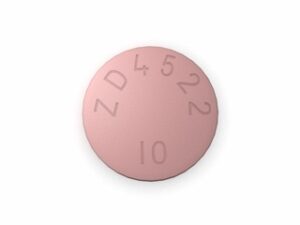
Zocor (Simvastatin) — Patient-Friendly Information (Australia)
Zocor is a brand of simvastatin, a cholesterol-lowering medicine belonging to the statin class. It is used to help reduce the risk of cardiovascular events (such as heart attack and stroke) in people who are at higher risk, and to lower cholesterol in certain conditions. This page explains how simvastatin works, how it’s taken, important food and medicine interactions, and safety considerations.
Important: Always follow your healthcare professional’s advice. If you have questions about your situation, discuss them with a pharmacist or doctor.
1) Basic product information
- Medicine: Zocor (simvastatin)
- Medicine type: Statin (HMG‑CoA reductase inhibitor)
- How it works: Lowers cholesterol synthesis in the liver
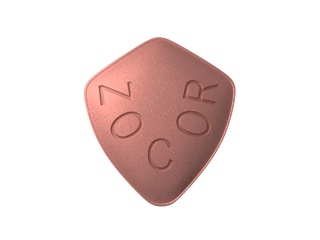
- Common strengths: 10 mg, 20 mg, 40 mg and 80 mg tablets (availability may vary)
- Brand note: In Australia, similar statins and generics may be available; your pharmacist can advise on options
Zocor is typically taken as an oral tablet once daily. Many people take it in the evening due to its action on cholesterol production, which is higher at night.
2) How Zocor works (mechanism of action)
Simvastatin reduces blood cholesterol by blocking an enzyme in the liver called HMG‑CoA reductase (the “rate-limiting” step in cholesterol production). This leads to:
- Lower LDL-C (“bad cholesterol”) through increased removal of LDL from the blood
- Reduced triglycerides in many patients
- Small increases in HDL-C (“good cholesterol”) in some patients
- Stabilisation of atherosclerotic plaques in the arteries, which may reduce the risk of events
Over time, lowering LDL-C helps reduce the risk of heart attack, stroke, and other cardiovascular complications. The benefit depends on your overall risk profile, not only on your cholesterol number.
3) Pharmacokinetics (how the body handles simvastatin)
Pharmacokinetics describe how the body absorbs, distributes, metabolises, and eliminates a medicine. While individual responses vary, the main points include:
- Absorption: Simvastatin is absorbed after oral administration.
- Metabolism: Simvastatin is converted in the liver to its active form.
- Enzyme involvement: The liver enzyme system primarily CYP3A4 is important for metabolism.
- Activity: The clinical effect relates to the active metabolites and LDL-lowering action.
- Half-life: The relevant inhibitory effect on HMG‑CoA reductase lasts longer than the presence of the parent drug.
- Excretion: Metabolites are eliminated mainly via the biliary route (into bile), with a smaller amount in urine.
Because metabolism depends largely on CYP3A4, medicines that inhibit or interact with CYP3A4 can increase simvastatin levels and raise the risk of side effects, especially muscle-related complications.
4) Typical use in Australia (what it’s for)
Simvastatin is used to:
Cholesterol management
- Primary hypercholesterolaemia (high LDL-C), including familial forms
- Mixed dyslipidaemia (raised LDL-C and triglycerides)
Cardiovascular risk reduction
- Secondary prevention in people with established cardiovascular disease (for example, coronary heart disease)
- Primary prevention in people at increased cardiovascular risk where cholesterol lowering and other risk management strategies are appropriate
Statins are typically part of a broader strategy including healthy eating, physical activity, blood pressure control, smoking cessation, and diabetes management where relevant.
5) When to take Zocor (timing)
Many statins (including simvastatin) are recommended in the evening because the liver produces cholesterol more actively overnight. However, your personal plan may differ based on dose and your prescriber’s advice.
- Common approach: Take once daily, preferably in the evening.
- Consistency matters: Take it at the same time each day to help you remember.
- If you miss a dose: Take it when you remember unless it is close to the next dose. Don’t double up.
- Continue long-term: Cholesterol control is usually needed over the long term.
6) Food interactions (including grapefruit)
Food itself does not usually prevent simvastatin absorption significantly, but some dietary items can interfere with metabolism.
Grapefruit and grapefruit juice
Avoid grapefruit (and grapefruit juice) with simvastatin unless your pharmacist advises otherwise. Grapefruit components can inhibit CYP3A4 in the gut and liver, which can increase simvastatin levels and risk adverse effects.
Alcohol with meals
Alcohol doesn’t directly “cancel out” simvastatin, but it can affect liver health and may increase the risk of liver enzyme elevation in susceptible individuals. See the Alcohol and medicine interactions section below.
In general, taking simvastatin with food may be tolerated well. If your stomach is sensitive, you may find it easier to take with a meal, but follow the timing guidance you were given.
7) Alcohol and medicine interactions
Alcohol
Moderate alcohol intake may be acceptable for many people, but caution is advised if you:
- Have existing liver disease
- Have a history of elevated liver enzymes
- Drink heavily (regular heavy intake can increase risk of liver injury)
- Develop symptoms suggestive of liver problems (see safety section)
If you’re unsure, ask your pharmacist for personalised guidance based on your medical history and other medicines.
Key drug interactions to know
Because simvastatin is metabolised via CYP3A4, medicines that inhibit CYP3A4 can raise simvastatin concentrations. This increases the likelihood of muscle injury and other adverse reactions. Examples of interacting medicines may include:
- Macrolide antibiotics (e.g., clarithromycin)
- Azole antifungals (e.g., itraconazole, ketoconazole)
- HIV protease inhibitors (some antiretroviral therapies)
- Some hepatitis C treatments (depending on regimen)
- Immunosuppressants (e.g., ciclosporin)
- Danazol (an androgenic agent used in select conditions)
- Other CYP3A4 inhibitors—including some antidepressants and antiarrhythmics
Your pharmacist can check interactions for your specific list of medicines and supplements. Be sure to mention:
- Prescription medicines
- Over-the-counter products
- Herbal supplements (for example, some products can affect CYP enzymes)
- New medicines started recently
Muscle-related interaction concerns
The risk of muscle side effects (including myopathy or, rarely, rhabdomyolysis) may increase when simvastatin is combined with certain medicines that can also affect muscles or raise statin exposure. Examples (not exhaustive) include:
- Fibrates (e.g., gemfibrozil; fenofibrate may be used with caution under guidance)
- Niacin (where used)
- Some antibiotics/antifungals as noted above
- Certain cardiovascular medicines that affect statin metabolism
Always follow the interaction advice provided for simvastatin dosing limits and combination therapy.
8) Indications (who it may be suitable for)
Simvastatin is generally considered for people with:
- High cholesterol that requires drug therapy, typically after lifestyle measures are addressed
- Known cardiovascular disease to help reduce future events
- Increased cardiovascular risk based on age, risk factors, and overall health
Suitability depends on factors such as other conditions (e.g., diabetes, kidney disease), the presence of liver disease, medication list, and potential for drug interactions.
9) Dosing information (general guidance)
Your exact dose should be based on your cholesterol levels, cardiovascular risk, other treatments, and tolerability. Dosing may differ for different indications and patient groups.
Typical dosing principles
- Starting dose: Often begins with a lower dose (depending on risk and baseline LDL-C).
- Titration: Dose adjustments are made based on response and tolerability, usually at intervals of several weeks.
- Maximum dose: Higher doses may be limited due to interaction and safety considerations.
- Combination therapy: If used with interacting drugs, the simvastatin dose may require adjustment.
Many people take simvastatin once daily in the evening. If you’ve been prescribed a particular strength, do not change it without speaking to your healthcare provider.
| Consideration | Typical approach (overview) | Notes |
|---|---|---|
| Timing | Once daily, often in the evening | Choose the time you can keep consistent. |
| Starting dose | Lower dose depending on risk | May vary for primary vs secondary prevention. |
| Dose changes | Adjust after monitoring response | Your clinician may check lipids and safety labs. |
| Drug interactions | Dose restrictions may apply | Interactions can increase statin exposure. |
| Missed dose | Take when remembered | If near the next dose, skip and resume usual schedule. |
Do not exceed prescribed dose limits. If you are taking another medicine known to interact with simvastatin, ask about appropriate dosing and monitoring.
10) Safety profile and when to seek help
Like all medicines, simvastatin can cause side effects. Many people tolerate statins well. Most effects are mild and manageable, but certain symptoms require prompt medical attention.
Common side effects
- Headache
- Nausea, stomach discomfort
- Constipation or diarrhoea
- Muscle aches or mild weakness (may occur)
Serious but less common risks
- Muscle injury (myopathy/rhabdomyolysis): watch for muscle pain, tenderness, weakness, or dark-coloured urine. Seek urgent advice if symptoms are severe or accompanied by fever or feeling unwell.
- Liver enzyme elevation: statins can raise liver enzymes. Clinicians may monitor liver tests.
- Allergic reactions: swelling of face/lips, rash, wheezing, or trouble breathing require urgent help.
Warning symptoms to watch
- Unexplained muscle pain lasting more than expected or affecting daily activities
- Dark/tea-coloured urine
- Yellowing of skin/eyes (jaundice) or severe fatigue
- Persistent vomiting, severe abdominal pain
- Unusual bruising or bleeding
Monitoring (typical)
Your healthcare provider may check:
- Lipid profile (cholesterol levels) to assess response
- Liver function tests before starting and as needed
- Creatine kinase (CK) if muscle symptoms occur
Tell your clinician if you have risk factors for muscle problems, including:
- Older age
- Kidney impairment
- Uncontrolled hypothyroidism
- History of muscle injury with a statin
- High-dose statin therapy or interacting medications
11) Practical use tips for best results
- Take it consistently: A daily routine improves long-term cholesterol control.
- Combine with lifestyle changes: Even effective medication benefits most when paired with heart-healthy eating and activity.
- Know what to do if you feel unwell: If you develop muscle pain/weakness, stop exercising that aggravates it and contact a healthcare professional for advice.
- Avoid grapefruit: This is one of the most important dietary restrictions.
- Check before starting new medicines: Antibiotics, antifungals, and some cardiovascular and HIV medicines may interact.
- Keep a medication list: Include prescription items, over-the-counter products, and supplements.
- Don’t run out: If you travel or have busy periods, plan ahead for refills.
12) Alternative options (if simvastatin isn’t suitable)
If simvastatin isn’t appropriate due to interactions, side effects, or treatment goals, other lipid-lowering strategies may be considered. Options depend on your cholesterol levels, risk profile, and tolerance.
Other statins
- Atorvastatin
- Rosuvastatin
- Pravastatin
- Fluvastatin (less commonly used for some indications)
Non-statin options
- Ezetimibe: reduces cholesterol absorption in the intestine
- PCSK9 inhibitors: injectable medicines used for certain high-risk groups
- Bile acid sequestrants (in select cases)
- Fibrates (primarily for triglyceride-focused treatment)
- Omega‑3 fatty acids may be considered for triglycerides, depending on context and products
Your pharmacist can help explain differences in dosing, interactions, and monitoring requirements.
13) Market and legal context in Australia (general)
In Australia, medicines such as simvastatin are regulated under the Therapeutic Goods Administration (TGA). Statins are widely used and part of standard cardiovascular risk management in clinical practice.
The availability of specific brands and strengths can vary by supply and prescribing patterns. Generic versions may be available and can offer similar treatment options depending on formulation and dose.
Always purchase from reputable sources, check packaging for authenticity, and ensure the product matches your prescribed strength.
14) Recent guidance and practical clinical considerations
Clinical guidance for statins is updated over time and may vary between professional bodies and patient groups. In general, current practice emphasises:
- Risk-based treatment: choosing therapy intensity based on absolute cardiovascular risk.
- Using the lowest effective dose: balancing LDL lowering benefits with tolerability and safety.
- Reviewing interactions: carefully checking CYP3A4 inhibitors and combination therapy.
- Monitoring symptoms: prompt attention to muscle complaints and possible liver concerns.
- Adherence: supporting patients to continue long-term therapy unless advised otherwise.
Your healthcare professional may adjust therapy based on cholesterol results, side effects, and evolving risk. If you’re starting or switching statin therapy, expect follow-up lipid testing to confirm response.
15) Delivery and availability
Zocor (simvastatin) availability can depend on strength, tablet type, and regional distribution. When ordering from an online pharmacy, you can typically expect:
- Pack sizes and strengths: may vary; check the product listing carefully.
- Dispatch times: depend on stock levels and processing.
- Packaging: sealed manufacturer packaging is recommended for safety.
- Temperature considerations: most tablets can be stored at room temperature unless stated otherwise on the pack.
If a specific strength is temporarily unavailable, your pharmacy may offer an alternative equivalent option (e.g., different simvastatin strength or another statin), depending on clinical appropriateness.
16) Storing Zocor
- Store tablets in the original packaging.
- Keep out of reach of children.
- Protect from excessive moisture and heat.
- Check the expiry date on the box and blister pack; do not use after expiry.
17) FAQ
How quickly does simvastatin lower cholesterol?
Cholesterol levels can start to improve within a few weeks. Many clinicians check lipids after a suitable interval to assess response and decide whether dose adjustment is needed.
Should I stop simvastatin if my cholesterol becomes normal?
In many cases, statins are continued long term because cholesterol-lowering needs persist. If treatment stops, cholesterol may rise again. Always discuss changes with your healthcare professional.
Can I drink alcohol while taking Zocor?
Moderate alcohol may be acceptable for many people, but caution is advised if you have liver conditions or heavy drinking. If you’re unsure, ask a pharmacist for advice tailored to your medical history.
What if I forget a dose?
Take it when you remember unless it’s close to the next dose. Don’t take an extra dose to “catch up.” Resume your normal schedule.
Can I take simvastatin with other cholesterol medicines?
Sometimes simvastatin is used with other lipid-lowering treatments. However, combination therapy can increase the risk of side effects and often requires careful dosing and monitoring. Your pharmacist can help confirm safety for your exact regimen.
Why is grapefruit juice a problem?
Grapefruit can inhibit metabolism of simvastatin, increasing drug levels in the body. This can raise the risk of muscle and other adverse effects. It’s usually recommended to avoid grapefruit while taking simvastatin.
Who should be extra cautious with simvastatin?
Extra caution is warranted for people with a history of muscle problems, kidney impairment, liver disease, uncontrolled thyroid problems, older age, or those taking interacting medicines (especially CYP3A4 inhibitors).
What should I do if I get muscle pain?
If you develop new, unexplained muscle pain, tenderness, weakness, or dark urine, contact a healthcare professional promptly for advice. Do not ignore severe symptoms. Seek urgent care if symptoms are intense or rapidly worsening.
Can I take simvastatin if I’m pregnant or breastfeeding?
Statin therapy is generally not used during pregnancy or breastfeeding unless specifically advised by a healthcare professional. If you become pregnant or plan a pregnancy, speak with your doctor promptly to discuss safe alternatives.
Is Zocor the only simvastatin brand?
No—there are multiple brands and generic options. The active medicine is simvastatin, but excipients and tablet strengths may differ. Your pharmacist can guide you on switching and ensuring you take the correct dose.