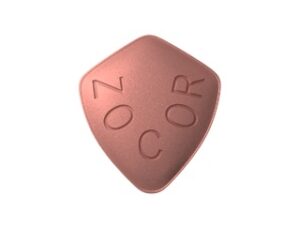
Simvastatin (Australia) – Patient-Friendly Medicine Information
Simvastatin is a widely used medicine from the statin group that helps lower cholesterol levels and reduce the risk of certain cardiovascular events. This guide explains how simvastatin works, when it’s typically taken, important interactions (including food, alcohol, and other medicines), and practical tips to use it safely. Information is written for general education and should be read alongside any instructions from your healthcare professional.
Quick overview
- Medicine: Simvastatin
- Drug class: Statin (HMG-CoA reductase inhibitor)
- Common purpose: Lower LDL (“bad”) cholesterol and triglycerides; increase HDL (“good”) cholesterol modestly
- Key benefits: Helps reduce risk of heart attack, stroke, and other cardiovascular events in appropriate patients
- How it’s taken: Typically once daily, often in the evening
- Important safety topics: Muscle-related side effects (rare), liver enzyme changes (monitoring may be needed), and interactions with certain medicines
Basic product information
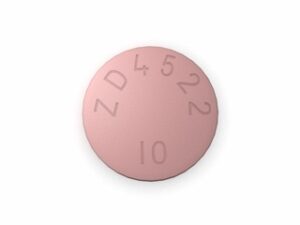
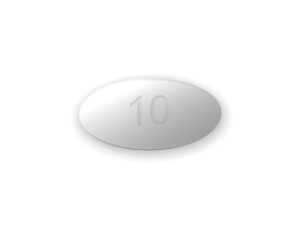
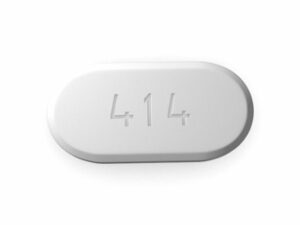
Simvastatin is available in tablet form and comes in multiple strengths (commonly 5 mg, 10 mg, 20 mg, 40 mg, and 80 mg in some markets). The exact brand names and strengths you may see can vary depending on pharmacy supply.
In Australia, simvastatin has a well-established history of use and is commonly prescribed for adults with raised cholesterol, established cardiovascular disease, diabetes with risk factors, or other situations where cholesterol lowering is beneficial.
Mechanism of action (how simvastatin works)
Statins lower cholesterol by reducing cholesterol production in the liver. Simvastatin is converted in the body into an active form that inhibits HMG-CoA reductase, an enzyme involved in the early steps of cholesterol synthesis.
By lowering liver cholesterol production, the liver increases the number of LDL receptors on its surface, which helps remove LDL cholesterol from the bloodstream. Simvastatin also helps reduce triglycerides and can modestly increase HDL cholesterol.
Pharmacokinetics (absorption, metabolism, and elimination)
While the details of pharmacokinetics vary between individuals, the following points are important for understanding timing and interactions:
- Absorption: Simvastatin is absorbed from the gut. It is administered as an inactive lactone that is metabolised to an active acid form.
- Activation: The conversion to active metabolites occurs largely in the liver.
- Metabolism (CYP enzymes): Simvastatin is primarily metabolised by the liver enzyme CYP3A4. This is why certain medicines that inhibit CYP3A4 can significantly increase simvastatin levels.
- Elimination: Metabolites are eliminated mainly through the bile and faeces (with some renal contribution).
- Half-life: Relevant effects can persist longer than the dosing interval, but the active metabolite dynamics support once-daily dosing.
Typical uses (indications)
Simvastatin is used to manage cholesterol abnormalities and to reduce cardiovascular risk. Common indications include:
- High cholesterol (hypercholesterolaemia): To lower LDL cholesterol and total cholesterol
- Mixed dyslipidaemia: To lower LDL and triglycerides when cholesterol levels are both elevated
- Prevention in people at risk of cardiovascular disease: To lower the risk of heart attack and stroke in appropriate patients based on overall cardiovascular risk
- Established cardiovascular disease: To help reduce recurrence of certain cardiovascular events
- Some genetic lipid disorders: Depending on the specific condition and clinical plan
Who benefits most?
People with a higher baseline risk of cardiovascular disease may benefit most from statin therapy. Your personal benefit depends on factors such as age, cholesterol levels, blood pressure, smoking status, diabetes, kidney function, and family history.
How to take simvastatin (timing and dosing overview)
The dose of simvastatin is individualised. Your doctor or lipid clinic may adjust the dose based on cholesterol response and safety factors.
Typical dosing schedule
Many patients are advised to take simvastatin once daily, often in the evening, because cholesterol synthesis tends to be higher at night. However, if your healthcare professional has advised a different schedule, follow that advice.
Example dosing ranges (general)
The following table provides a general overview of commonly used strengths. The exact regimen should be confirmed for your situation.
| Strength | Typical use (general guidance) | Notes |
|---|---|---|
| 5 mg | Lower starting dose in some patients | May be chosen for tolerability or interaction risk |
| 10 mg | Common starting or modest-intensity dose | Adjustment may be based on LDL response |
| 20 mg | Moderate lowering of LDL | Often used for initial titration |
| 40 mg | Higher intensity option | May be considered where stronger LDL reduction is needed |
| 80 mg | High dose in selected patients | Often used with extra caution and careful monitoring |
Dose adjustments and missed dose
- Don’t change your dose without medical advice.
- If you miss a dose, take it when you remember unless it’s close to the next dose. If close, skip the missed dose and continue your usual schedule.
- Do not double up to make up for a missed tablet.
Food interactions
Food can influence the way some medicines absorb or tolerate in the stomach. For simvastatin, the most important dietary interaction is with certain beverages that contain compounds affecting drug metabolism.
- Grapefruit / grapefruit juice: Generally avoid or limit, as grapefruit components can inhibit CYP3A4 and raise simvastatin levels.
- Alcohol with meals: Alcohol isn’t a direct food interaction, but it may increase liver strain and can worsen overall risk if taken heavily.
- Food timing: Many people can take simvastatin with or without food. If your stomach is sensitive, taking it with food may improve comfort (ask your pharmacist if you’re unsure).
Alcohol and other medicine interactions (very important)
Simvastatin has significant interactions with medicines that affect CYP3A4 activity or that increase the risk of muscle-related side effects. Alcohol also matters mainly because of its effect on the liver and overall safety.
Alcohol
- Moderate use: For many people, occasional moderate alcohol intake may be acceptable, but discuss your situation—especially if you have a history of liver disease or abnormal liver tests.
- Avoid heavy drinking: Heavy or binge alcohol use increases the likelihood of liver injury and may worsen lipid-related and cardiovascular risk.
- When to seek advice: If you develop yellowing of the eyes/skin (jaundice), dark urine, severe fatigue, or persistent nausea—seek medical advice promptly.
Key medicine interactions
Because simvastatin is metabolised by CYP3A4, the following medicine categories can significantly increase simvastatin levels. Increased levels raise the risk of myopathy and rhabdomyolysis (rare but serious muscle injury).
- Strong CYP3A4 inhibitors (often contraindicated): Examples include some antifungals (e.g., ketoconazole, itraconazole), certain antibiotics (e.g., clarithromycin), and some HIV medicines. If you’re taking any of these, a different statin or a dose change may be recommended.
- Some immunosuppressants: Certain medicines used after transplant can increase risk.
- Other cholesterol medicines: Combining statins with some lipid drugs (such as fibrates) can increase muscle risk. Specific selection and dose limits are important.
- Niacin (where used): Combination may raise muscle-related risk in some patients.
- Grapefruit products: Not a medicine, but can behave like an interaction by affecting CYP3A4.
This is not a complete list. Always tell your pharmacist or doctor about all medicines and supplements you take, including over-the-counter products.
Safety profile (side effects and when to act)
Simvastatin is generally well tolerated, but like all medicines it can cause side effects. Understanding what’s normal and what requires action helps keep treatment safe.
Common side effects
- Headache
- Mild stomach discomfort, nausea, constipation, or diarrhoea
- Muscle aches can occur, though most are mild and temporary
- Elevated liver enzymes on blood tests may be detected
Serious (rare) side effects – seek urgent medical advice
- Muscle injury: Seek urgent advice if you have unexplained muscle pain, tenderness, weakness, or cramps, especially if you also feel unwell or have fever. If dark urine occurs, this may indicate serious muscle breakdown.
- Liver injury: Seek advice for jaundice, severe fatigue, dark urine, persistent upper abdominal pain, or marked nausea/vomiting.
- Allergic reactions: Swelling of face/lips, difficulty breathing, or widespread rash require urgent care.
Who should use extra caution?
- People with liver disease or a history of abnormal liver function tests
- People with kidney impairment
- Older adults, particularly when taking multiple medications
- People taking interacting medicines (especially CYP3A4 inhibitors) or multiple lipid medicines
- People with a personal or family history of muscle disorders
Practical use tips for safer, more effective treatment
- Keep your medicine list up to date: Bring a list to appointments and update it when starting or stopping any medicine.
- Check before adding new products: New antibiotics, antifungals, herbal supplements, or cold/flu remedies may interact.
- Know the warning signs: Be familiar with muscle pain/weakness and liver warning symptoms.
- Adherence matters: Statins work best when taken consistently. If you miss doses often, cholesterol may not be controlled.
- Pair with lifestyle changes: Statins complement diet, exercise, weight management, smoking cessation, and controlling blood pressure and diabetes.
- Routine monitoring: Your clinician may request blood tests for liver enzymes and lipid levels. Follow scheduled reviews.
- Consistency with timing: Take at the same time each day. If the instruction is “evening,” avoid taking it in the morning unless advised.
- Avoid grapefruit: It’s an easy change that can reduce interaction risk.
Monitoring and follow-up (what to expect)
Simvastatin therapy often includes periodic monitoring to check response and safety:
- Lipid profile: To confirm LDL and triglyceride reduction
- Liver function tests: Especially at baseline and when clinically indicated
- Muscle symptoms assessment: If you develop muscle-related symptoms, your clinician may check relevant blood tests
- Review of interactions: At each visit or when new medicines are added
Alternative options to simvastatin
If simvastatin is not suitable due to interactions, side effects, or cholesterol goals, other statins or lipid-lowering strategies may be considered. Options depend on your history, cholesterol levels, and risk profile.
Other statins
- Atorvastatin
- Rosuvastatin
- Pravastatin (often with fewer CYP3A4 interactions)
- Fluvastatin (varies by interaction profile)
Non-statin lipid-lowering medicines
- Ezetimibe (reduces cholesterol absorption in the intestine)
- PCSK9 inhibitors (injectable therapies for selected patients)
- Fibrates (mainly for triglycerides; may increase muscle risk when combined with some statins)
- Omega-3 fatty acids (certain formulations may help triglycerides)
Your healthcare professional can advise which alternative is most appropriate and safe for you. Do not switch between statins without guidance, particularly if you’re taking interacting medications.
Market and legal context in Australia
In Australia, simvastatin is part of routine cardiovascular medicine availability and is used under the national medicines framework. Many statins are listed and subsidised under Australian healthcare arrangements, subject to eligibility criteria and prescriber decisions.
Medicine supply, indications, and safety requirements are guided by Australian regulatory processes and standard product information. Pharmacy teams may also provide medicines information resources and checking of interaction risk to improve safe use.
Because statin therapy can involve drug interactions, pharmacists and prescribers in Australia commonly emphasise careful review of current medicines, liver/muscle risk factors, and correct dosing.
Recent guidance and important updates
Australian clinical practice aligns with evolving international evidence and updates to safety monitoring and interaction management. In general terms, recent guidance trends include:
- Interaction-focused safety: stronger emphasis on identifying CYP3A4 inhibitors and other interaction risks
- Risk-benefit individualisation: dosing chosen based on overall cardiovascular risk and patient-specific tolerance
- Attention to muscle symptoms: prompt assessment if symptoms occur rather than waiting
- Liver monitoring: liver enzyme tests are often done at baseline and when clinically indicated
For the most current local recommendations, consult your healthcare professional or refer to official Australian medicine information resources.
Delivery and availability (online pharmacy information for Australia)
Simvastatin tablets are commonly stocked by Australian pharmacies. Availability may vary by strength and brand. For online pharmacy orders, delivery options and timelines can depend on your state and postcode.
When ordering online, you may be asked to confirm details such as:
- Your delivery address and contact number
- Requested tablet strength and quantity
- Whether you have any medication interaction concerns (pharmacy review may occur)
Delivery is typically handled via standard parcels or express services where available. Keep tablets in a cool, dry place and follow storage directions on the packaging.
FAQ – Frequently asked questions
1) What is simvastatin used for?
Simvastatin is used to lower LDL cholesterol and triglycerides and to help reduce cardiovascular risk in appropriate patients. It is commonly used for people with high cholesterol, mixed lipid disorders, and those at risk of heart attack or stroke.
2) When should I take simvastatin?
Many people take simvastatin once daily in the evening. If your healthcare professional has given you a specific time, follow that guidance. Taking it around the same time each day helps maintain consistent blood levels.
3) Can I take simvastatin with food?
Often, simvastatin can be taken with or without food. If it upsets your stomach, taking it with food may improve comfort. Always follow your product instructions and pharmacist advice.
4) Is grapefruit juice safe with simvastatin?
It’s generally recommended to avoid grapefruit and grapefruit juice while taking simvastatin because it may raise drug levels and increase side-effect risk.
5) What medicines should I avoid while taking simvastatin?
You should be cautious with medicines that inhibit CYP3A4 (for example, certain antifungals and antibiotics) and medicines that increase muscle risk when combined with statins. Your pharmacist can check your medication list for interaction risk.
6) What are the signs of serious muscle problems?
Seek urgent medical advice if you have unexplained muscle pain, weakness, or tenderness, particularly if you also feel unwell or have fever. Dark urine can be a warning sign of severe muscle breakdown.
7) Will simvastatin affect my liver?
Some people experience increases in liver enzymes on blood tests. Serious liver injury is rare. If you notice signs such as jaundice, dark urine, or persistent severe fatigue, get medical advice promptly.
8) Can I drink alcohol?
Occasional moderate alcohol may be acceptable for some people, but avoid heavy drinking. If you have liver disease or previous abnormal liver tests, discuss alcohol intake with your clinician.
9) What if I miss a dose?
Take the dose when you remember unless it’s close to the next dose. If it’s near the next dose, skip the missed dose and continue your usual schedule. Do not double up.
10) Are there alternatives if simvastatin doesn’t suit me?
Yes. Other statins or non-statin options may be considered depending on your cholesterol goals, other medicines, and side effects. Ask your healthcare professional about the best option for your circumstances.
11) How long does it take to see results?
Cholesterol lowering can begin within days, with more stable changes typically assessed over weeks. Your clinician may repeat lipid tests after a period of treatment to confirm response.
12) Should I stop simvastatin if I feel better?
If you feel better, you should not stop unless advised. Many people continue statin therapy long term to help prevent cardiovascular events. If side effects occur, discuss them rather than stopping suddenly.
Important note
This page provides general information about simvastatin. Individual suitability depends on your medical history, current medicines, and personal risk factors. If you have questions about interactions, dosing, or side effects, speak with a pharmacist or healthcare professional.